
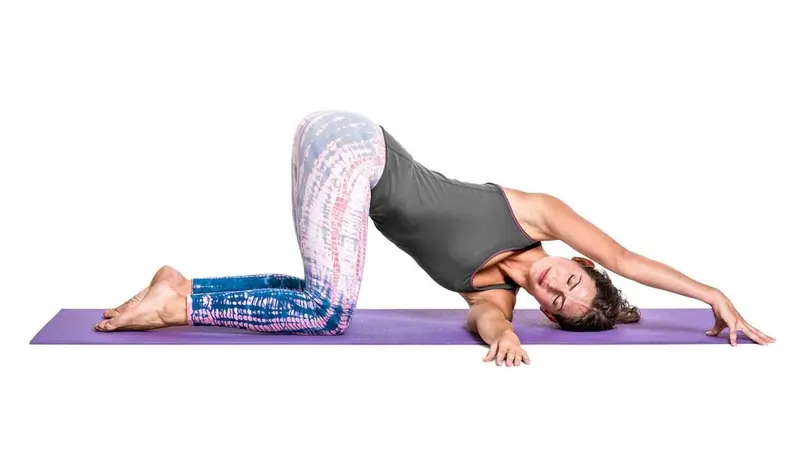
How to Perform the Thread the Needle Stretch Correctly
What is thread needle stretch?
Gently reaching out and rotating from the tabletop position is necessary to thread the needle. To achieve a deep rotation across the thoracic spine, you must slide one arm under your body and drop your shoulder and ear toward the floor.
This exercise increases thoracic spine mobility, which enhances the level of movement, mobility, and alignment. The thread-the-needle stretch also reduces shoulder tension and effectively stretches the upper back.
Why is Threading the Needle great to relax the body?
Prepare for an unmatched release if you’ve never threaded a needle before. This stretch relieves a frequent pain spot, which is why it feels so nice. “Many people have restricted flexibility in their thoracic spine or mid-back, mostly as a result of lifestyle. These muscles are actively engaged by the needle stretch, which encourages relaxation and blood flow.
Thread needle stretch video:
How to Perform a Thread Needle Stretch?
- Starting Position: Begin in a tabletop position, placing your knees behind your hips and your wrists beneath your shoulders.
- The Thread: Lift your right hand and pass it under your left arm, palm up, while taking a breath and then releasing it.
- Lower Down: Continue moving your right arm until your right shoulder and the side of your head come into contact with the ground.
- Hold and Breathe: Breathe deeply into your upper back, then hold this position for 20 to 30 seconds.
- Get back: Press into your left palm and inhale as you raise your body back to the original position.
- Repeat: Do three to five repetitions before switching to the opposite side.
Beginner Tips & Modifications:
- If your head does not reach the floor, place a cushion, blanket, or yoga block under your shoulder or ear for support.
- If you feel stress in your lower back, make sure you are not overdoing the twist and slowly widen your knees.
- Bring your upper hand to your lower back or walk it farther forward to increase the stretch.
- Instead of pressing to the fullest range of motion, concentrate on breathing into the shoulders and back to relieve tension.
Benefits:
- Boosts Mobility: Enhances rotation of the upper spine.
- Reduces Tension: Eases shoulder, neck, and upper back stiffness.
Key Muscles Worked and Stretched:
- Shoulders (Deltoids): The muscles on the outside of your shoulders that raise your arm and stabilize your shoulder joint are called deltoids.
- Upper/Mid Back: The sides of the shoulders are retracted by the rhomboids, which are located in the upper back between the spine and the shoulder joint. Pulling the arms and shoulders back requires this motion.
- Erector Spine: The spine muscles, which run vertically down the spine, support proper posture and alignment of the spine.
- The latissimus dorsi: Large muscles called the lats go from the middle of the back to the lower back, just behind the shoulder blades.
When to Do the Thread the Needle Stretch?
The thread’s adaptability is one of its best features. ” Best time to use this stretch is after a workout. If you thread the needle as an active stretch, meaning you keep going through the full range of motion, it can also be easily included as a warm-up for a workout.
Whether you need a brief release of stress or a deep stretch, threading the needle is a great way to relax your spine, neck, shoulders, and back at all times.
Deep spinal twists like the needle should not be done if you are suffering from shoulder injuries or lower back discomfort; please contact the doctor first. These are some important considerations.
Further notes that deep twists may be difficult for pregnant women in later trimesters, and it’s recommended to avoid applying pressure on the belly at this time. As with any action, it’s critical to pay attention to your body and make any adjustments.
Key Alternatives & Variations:
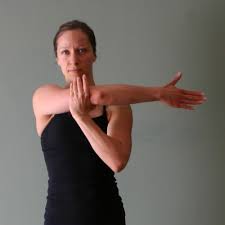
Rear Deltoid Stretch (Standing/Seated):
- Whether you’re sitting or standing, keep your back straight and shoulder ralaxed.
- Stretch one arm shoulder-high across your body.
- lift the outstretched arm gently toward your chest with your second hand. Feel a stretch in the back of your shoulder after holding for a few seconds
- Release, then switch to the opposite side.
Sphinx Pose with Twist:
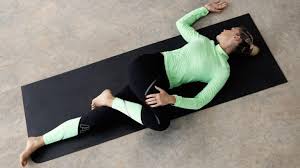
Lying on your stomach with your forearms on the floor, move one arm under the other arm to focus on the posterior shoulder (Sphinx stance).
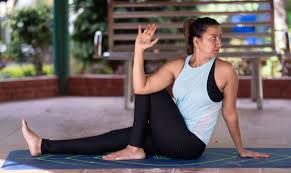
Sitting Thread Needle:
For people who can’t go on the floor, do the twisting action while sitting on the edge of a chair.
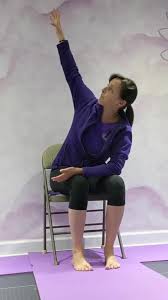
Side-Reclining Twist:
Stretch your lower arm while lying on your side, then let your body’s weight push the shoulder girdle.
FAQs:
Can thread the needle stretch relieve back pain?
Stretches like “thread the needle” will assist in releasing tension in your shoulders, neck, and upper back that might develop from regular activities or prolonged sitting. 2. You may increase flexibility, reduce stress, and improve the comfort of daily motions by including this little exercise in your regimen.
Is Thread the Needle ” good for sciatica?
Indeed. Actually, the best results from dry needling for sciatica come from combining treatment with additional physical therapy techniques like activities for mobility and stretching. Strengthening the core and hips.
What muscles should I stretch daily?
At least two or three times a week, healthy individuals should perform flexibility exercises for the major muscle-tendon groups, including the neck, shoulders, chest, trunk, lower back, hips, legs, and ankles. You should dedicate a total of 60 seconds to each stretching exercise for the best results.
References:
- Thread the needle. (n.d.). [Video]. Hingehealth. https://www.hingehealth.com/gb/en/resources/articles/thread-the-needle/
- Thread the Needle Pose, the Yoga Collective. (2025, December 23). The Yoga Collective. https://www.theyogacollective.com/poses/thread-the-needle/
- Thread the needle. (n.d.-b). [Video]. Hingehealth. https://www.hingehealth.com/gb/en/resources/articles/thread-the-needle/
- Thread the needle Pose Thread the Needle Pose, the Yoga Collective. (2025b, December 23). The Yoga Collective. https://www.theyogacollective.com/poses/thread-the-needle/
- Isaacson, J. (2023, January 5). Thread the Needle Exercise – Your Step-by-Step Guide with Video! Complete Pilates. https://complete-pilates.co.uk/thread-the-needle/



One Comment