Elbow Pain
What is Elbow Pain?
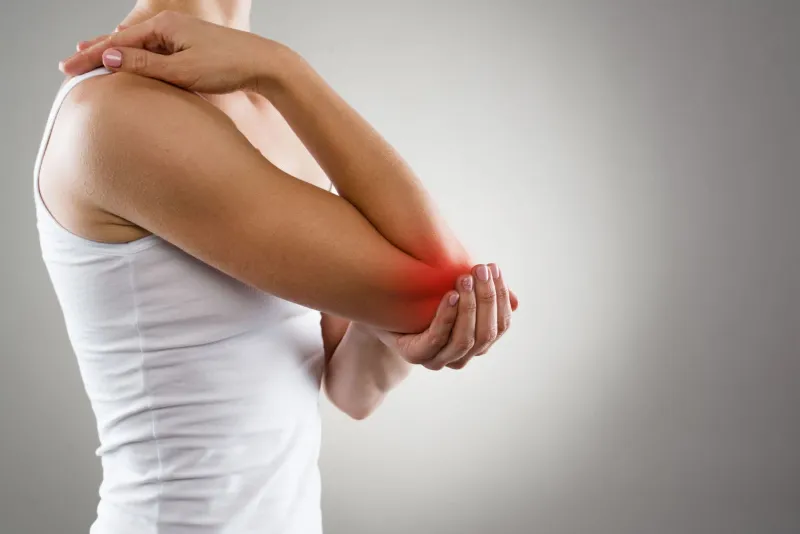
- Any type of musculoskeletal pain in or around the elbow joint is referred to as elbow pain. It may have to do with tendons, ligaments, muscles, bones, or other tissues. It might also result from an illness or damage to the elbow.
- There are three bumps at the elbow joint as you bend your arm. Elbow pain is frequently caused by damage to the tendons that attach muscles to the two lumps on either side of the elbow.
- These lumps are:
- The bump on the outside of the elbow is called the lateral epicondyle. This bony point serves as the anchor for the muscles on the back of your forearm that cause your wrist to curl backward. Lateral epicondylitis, commonly referred to as “tennis elbow,” is the term for the pain in this lump. Due to its inadequate blood supply, this region is especially vulnerable to tennis elbow.
- The lump on the inside of the elbow is called the medial epicondyle. This bony point serves as the anchor for the muscles on the front of your forearm that cause your wrist to curl upward. Medial epicondylitis, commonly referred to as “golfer’s elbow,” is the term for the pain in this lump.
Elbow pain symptoms
The following are a few signs of elbow pain:
- dull pain while at rest
- discomfort when forming a fist (golfer’s elbow)
- tennis elbow (pain when opening the fingers)
- discomfort near the affected elbow bump
- poor grip issues and discomfort when attempting to grasp objects, particularly when the arm is extended.
Possible Causes
- Repetitive strain injuries are the most common causes of discomfort and tenderness in your elbow joint. These are minor ailments that result from overusing your elbow, such as by performing repetitive motions. They typically impact the tendons, bursae, and nerves that make up the soft tissues in your elbow joint.
- Examples include:
Some examples are: - Tendonitis: One common sports condition is tendinitis. When it affects the tendon on the outside of your elbow, it’s called tennis elbow; when it affects the tendon on the inside, it’s called golfer’s elbow.
- Bursitis: Inflammation in the bursae at the elbow point is known as elbow bursitis. Overuse injuries are common. An infection can sometimes be the cause.
- Nerve compression syndromes: An elbow nerve may be pinched by pressure or repetitive action. You will experience cubital tunnel syndrome internally and radial tunnel syndrome externally.
Other typical causes include: - Arthritis: Arthritis is characterised by joint pain and swelling. The most prevalent kind that affects your elbow is osteoarthritis. Other forms include rheumatoid arthritis, post-traumatic arthritis and gout.
- Trauma: Sprains, strains, fractures, and dislocations are among the potential ailments. Nursemaid elbow is a common condition in children.
Common causes
- Tendinitis: Tendon inflammation, frequently brought on by repetitive activities.
Tennis elbow: Affects the elbow’s outer surface. - The inner side of the elbow is affected by golfer’s elbow.
Inflammation of the bursa, the tiny fluid-filled sacs that cushion joints, is known as bursitis. Overuse or an infection may be the cause of this. - Nerve compression: Pain, tingling, or numbness may result from a pinched nerve in the elbow. Radial tunnel syndrome and cubital tunnel syndrome are two examples.
- Arthritis: Bone-on-bone friction brought on by cartilage degradation in the elbow joint can result in pain and stiffness.
- Fractures: A fractured elbow.
- Other injuries: Ligament tears, bone spurs, and repetitive strain injuries are possible causes.
- Referred pain: The elbow may occasionally experience discomfort from another location, such as the neck, upper spine, or even a heart attack.
Risk Factors
Overuse, trauma, certain sports activities, and some work hazards are the main risk factors for elbow pain.
Important Risk Factors are:
- Overuse Damage: Tendonitis and bursitis can result from repetitive activities like gripping, lifting, or twisting. This is typical in those who play sports like baseball or tennis that require a lot of elbow movement or who do repetitive duties at work.
- Trauma: Acute discomfort and joint injury can result from direct elbow injuries, such as falls, collisions, or contact sports. Football and skiing are examples of high-contact sports that raise the risk of severe injuries.
- Occupational Hazards: Jobs like carpentry, dentistry, and assembly line labour that call for uncomfortable postures or repetitive elbow motions can cause elbow joint strain. Inadequate lifting practices and poor ergonomics increase the chance of harm.
- Age: Elbow pain can become more likely as people age due to joint deterioration. Adults in their middle years are more vulnerable to diseases like tennis elbow.
Treatment and Care
- Your diagnosis will determine how you are treated. Surgery may be necessary to treat certain conditions. Others may require certain drugs. Typically, children with pulled elbows just require a brief, manual adjustment known as a closed reduction. However, they require a qualified healthcare professional to execute it.
- It may take longer than you anticipate for a repetitive strain injury to heal. Ligaments and tendons heal quite slowly. To assist in keeping your tissues in place while they heal, your doctor may recommend orthoses, such as taping or bracing your elbow. Additional therapies could consist of:
- Prescription pain medications: Sometimes, a steroid injection straight into your elbow will help relieve discomfort and inflammation.
Injections of platelet-rich plasma: This novel, investigational therapy may aid in pain relief and healing.
Physical therapy: You can support the wounded tissues and promote recovery by stretching, strengthening, and massaging various elbow tissues. - Surgery: In extreme circumstances, you may require surgery to free a trapped nerve or remove tissues that have been damaged or inflamed for a long time.
Home Care
- In-home care
- Children who experience elbow pain should see a doctor right away for a diagnosis. They are more prone to have wounds that require direct medical attention. However, if you’re an adult, your elbow pain is pretty minor, and you haven’t had a noteworthy elbow injury, you can begin treating it at home. To begin with:
- Rest: To recover need rest to start healing. Stopping any activities that create additional strain on your elbow is especially crucial.
- Pain alleviation: Ice is a potent analgesic, particularly in cases of swelling and inflammation. Additionally, you can use over-the-counter drugs like paracetamol and NSAIDs.
It’s time to contact a doctor if at-home treatment doesn’t help your hurting elbow. Your medical professional will investigate the cause of your ongoing elbow pain. - With the correct diagnosis, they can provide therapies and a schedule that are more tailored to your recovery.
Elbow pain-causing medical disorders
Although elbow pain is frequently caused by overuse injuries like tennis and golfer’s elbow, additional diseases might include:
- Inflammation of a bursa is known as radiohumeral bursitis. Bursae are tiny sacs that hold fluid to lubricate moving elements, including tendons, muscles, and joints. Elbow injuries, regular pressure, or repetitive use can all result in bursitis.
- Osteoarthritis: The cartilage in the joints splits and becomes brittle. In the synovial fluid (a liquid found in the joints), some cartilage fragments may even separate and float around. Pain and inflammation may result from this.
Referred pain: Damage to the vertebrae, the bones that make up the spine, can irritate the nerves that supply the arm, resulting in referred pain around the elbow joint.
Nerve entrapment: The arm’s primary nerve is the radial nerve. When the arm is extended, it may hurt if this nerve is unable to move freely. The elbow joint or vertebrae may compress the radial nerve. Some data suggests tennis elbow pain may occasionally be caused by nerve entrapment.
Ligament sprain: Ligaments are strong bands of connective tissue that support and hold joints together. A sprain is a kind of joint injury where the ligaments are torn.
Bone fracture: One of the elbow’s bones may break or crack as a result of a severe fall or blow.
An avulsion fracture occurs when a strong muscle contraction pulls out bits of bone and wrenches the tendon away.
In younger individuals with osteochondritis dissecans, a portion of bone and cartilage may break loose in the joint.
Elbow pain treatment
See your physician or physiotherapist if the symptoms don’t get better or if you frequently get elbow pain.
Elbow pain may be treated with:
Your physiotherapist’s recommended exercises to gradually strengthen the tendons, soft tissue massage, ice massage, acupuncture, tape or bracing your elbow, and anti-inflammatory and pain-relieving medications can help you manage your pain, but they won’t improve long-term results. In severe cases, surgery may be necessary if the pain doesn’t go away within a year.
Corticosteroid injections are no longer advised in the majority of situations due to evidence that they may be detrimental over time.
Further research is needed to find out if new treatments such as injecting the person’s own blood products back into the tendon, or using patches over the tendon that can help blood vessels to dilate, can help.
How to Prevent Elbow Pain?
There are several strategies to lower the chance of elbow injuries:
- When participating in sports, always warm up and cool down completely.
- When participating in your chosen sport, make sure you have the right equipment and adequate technique.
- Use hand weights to perform strengthening exercises; a physiotherapist can recommend the right workouts for you.
- Avoid or alter work activities that place undue strain on the forearm muscles or that include using the fingers, wrists, and forearms in repetitive tasks that need vigorous movement, unnatural postures, and little rest.
First aid and self-care
Rest: Steer clear of activities that exacerbate your pain.
Ice: Use a towel-wrapped bag of frozen peas or a cold pack for 15 to 20 minutes many times a day.
- Compression: To reduce swelling and provide support, use a stretchy bandage or sleeve.
- Elevation: To lessen swelling, keep your arm elevated.
- Discomfort relief: Anti-inflammatory gels and over-the-counter medications like paracetamol can help reduce discomfort.
- Support: You can get support from a brace or forearm strap.
FAQs
How do you treat elbow pain?
First aid suggestions include rest and frequent applications of ice. If the symptoms don’t improve, or if you are prone to recurring bouts of elbow pain, see your doctor or physiotherapist.
What is the best exercise for elbow pain?
Exercises for Elbow:
Elbow Bend.
Wrist Turn.
Passive Flexion.
Elbow Extension.
Supination/Pronation.
Towel Twist.
Foam Ball Squeeze
What vitamin deficiency causes elbow pain?
Vitamin B12 supports nerve health. Low levels may cause tingling, numbness, or shooting pain around the elbow and arm. Vegetarians, older adults, and people with digestive issues are more prone.
Is elbow pain related to heart problems?
Conditions that may cause elbow symptoms
A pinched nerve can cause elbow pain with numbness and tingling. A problem elsewhere in the body, such as a heart attack, can cause referred pain in the elbow.
Can uric acid cause elbow pain?
Gout in the Elbow – Elbow Specialist Brandon P. Donnelly, MD
Symptoms typically arrive in the elbow after an earlier episode in the toe, as patients experience painful soreness caused by excess uric acid in the bloodstream. This waste product from the digestion of some foods and drinks is usually passed through urine, but can collect as sharp crystals in the elbow.
What does elbow gout feel like
Symptoms of gout
sudden severe pain in a joint – usually your big toe, but it can be in other joints in your feet, ankles, hands, wrists, elbows or knees. hot, swollen, red skin over the affected joint – redness may be harder to see on black or brown skin.
What does elbow bursitis feel like?
painful – usually a dull, achy pain. tender or warmer than surrounding skin. swollen. More painful when you move it or press on it.
References:
- Orchard J, Kountouris A, 2011, ‘The management of tennis elbow’, British Medical Journal, vol. 342, d2687.
- Donaldson O, Vannet N, Gosens T, Kulkarni R, 2013, ‘Tendinopathies around the elbow part 1: lateral elbow tendinopathy’, Shoulder & Elbow, vol. 5, no. 4, pp. 239-250.