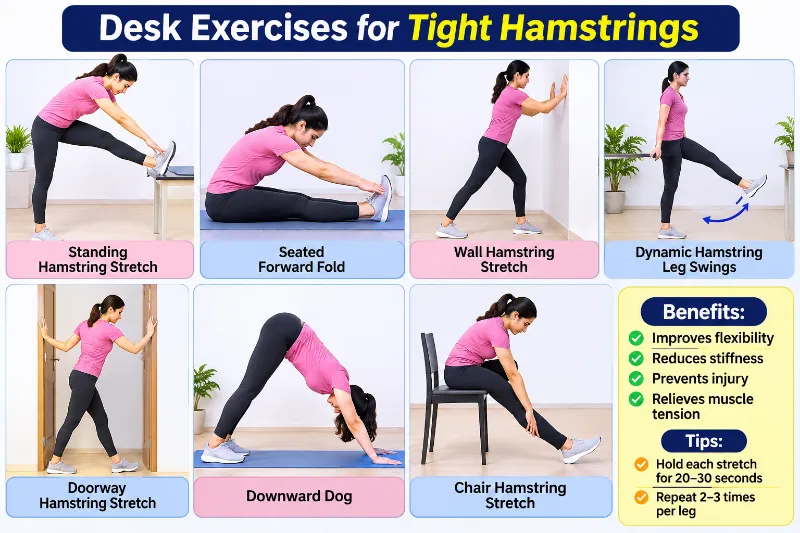
Desk Exercises for Tight Hamstrings
Introduction:
For desk workers, hamstring workouts are essential if you spend most of your 9-to-5 at a desk; they are not optional extras. Long-term sitting shortens your hip flexors, tilting your pelvis forward and leaving your hamstrings weak and tight.
However, the issue is that overstretching them could actually make it worse. Reaching for your toes won’t provide you with true relief; instead, you must engage your glutes, release your fascia, and realign your pelvis.
These desk-ready stretches, exercises you may perform while standing between meetings, the frequency of these exercises, and situations where tightness requires more than a stretch are all covered in this guide.
Causes of Hamstring Tightness:
Choosing the appropriate hamstring stretching exercises requires an understanding of the various reasons why you can have tight hamstrings.
Sedentary lifestyles are one of the most prevalent reasons; prolonged sitting at a computer or while driving gradually shortens the hamstring muscles. Overuse can also cause tightness in athletes and active people, particularly if they don’t balance exercise with adequate rest and stretching.
Poor posture, muscle imbalances, and improperly healed prior injuries are further causes. Due to changes in body mechanics and posture, pregnant people may also experience hamstring stiffness.
Tight hamstrings can cause inefficient movement patterns, decreased flexibility, and an increased risk of strains and lower back problems if they are not treated.
Why Are Your Hamstrings Tight After Sitting All Day?
When you sit for long periods of time, the muscles supporting your hamstrings are continuously shortened, which causes your hamstrings to become stiff.
When you stand up, your hamstrings may feel tense or strained, but this is actually a biomechanical domino effect that happens hours after sitting on a chair.
- Muscle shortening: Sitting with your knees bent keeps your hamstring muscles (semitendinosus, semimembranosus, and biceps femoris) shortened. Over time, muscles change and become fixed in this reduced length.
- Reciprocal inhibition: When you sit, your hip flexors stay shortened. This instructs your brain to “shut off” the signals coming from your gluteal muscles.
- Overworked thighs: Your hamstrings are putting forth extra effort to assist you move while your glutes are on vacation. With all that extra work, they become exhausted and sore.
- Pelvic tightness: Your pelvis may tilt forward due to tight hip muscles. It tightens your hamstrings, much like when you pull on a rubber band. There’s no point in pushing them any farther since they’re already at their limit.
- Here, we discuss tightness associated with posture. It is not the same as damage to the hamstring muscle fibers caused by an acute hamstring strain, also called a hamstring pull.
Is Your Back Pain Also Being Caused by Tight Hamstrings from Sitting?
In fact, strained hamstrings from extended sitting can lead to lower back pain.
Tight muscles stop your hips from rotating normally because your hamstrings join directly to your ischial tuberosities, or sitting bones, at the base of your pelvis. This increased tension on the muscles and joints in your lower back may cause lower back pain.
Here are some indicators that your back pain might be hamstring-related, so you might want to see an expert:
- You feel tension behind your knee when you bend forward.
- Relief as you walk or stand up
- Stiffness that increases after sitting as opposed to sleeping
How Can You Determine Whether Your Hamstrings Are Really Tight?
The 90-90 Test and other basic mobility tests can be used at home to determine whether your hamstrings are indeed tight.
Even when your muscle is weak, overstretched, or suffering nerve tension instead of merely a tight hamstring, you may still feel tight.
The 90-90 Straight Leg Raise Test (SLR):
- To do this, lie on your back. To make your thigh vertical, flex your hip to a 90-degree angle. While maintaining a straight thigh, try to raise your foot toward the sky and straighten your knee.
- Your leg should become nearly straight, or within 20 degrees, according to the rule. If you are unable to make it that straight, your hamstrings are tight.
The Passive Straight Leg Raise Test (PSLR):
- To do this, lie flat on your back. Both legs should remain straight. Have a partner keep one leg flat on the ground while they progressively extend your other leg until you reach the end range of motion.
- The rule: The usual result is to raise your leg to an angle of 70 to 80 degrees from the ground. If your hamstrings are less than 70 degrees, they are tight.
- The purpose of the tests is not diagnosis. Your doctor’s more comprehensive posture examination may reveal problems that extend beyond the hamstrings.
Our guide to hamstring exercises for seniors includes additional stretches and strengthening exercises that can support mobility if you’re looking for a lengthier regimen for older folks with tight muscles.
Effective Stretching Exercises for Hamstrings:
You may increase flexibility, reduce pain, and help avoid injury by including the proper stretching exercises for hamstring tightness into your daily routine. These ten hamstring stretches are ideal for both beginner and expert movers. These can be performed at a physiotherapist’s office, at home, or at the gym.
Standing Hamstring Stretch:
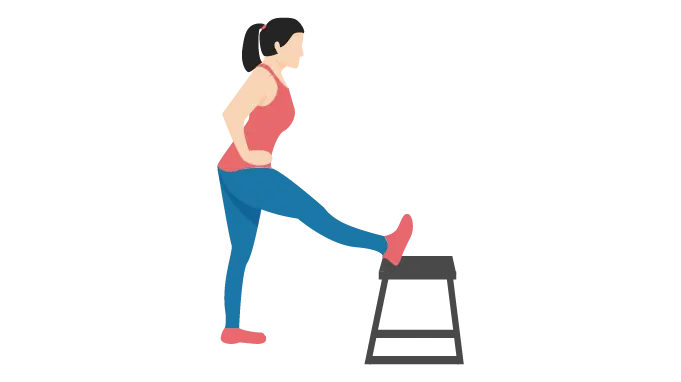
- Maintain a straight leg, stand tall, and put one heel on a low surface.
- Lean forward from the hips gently.
- After holding for 20 to 30 seconds, repeat on both legs.
Seated Forward Fold:
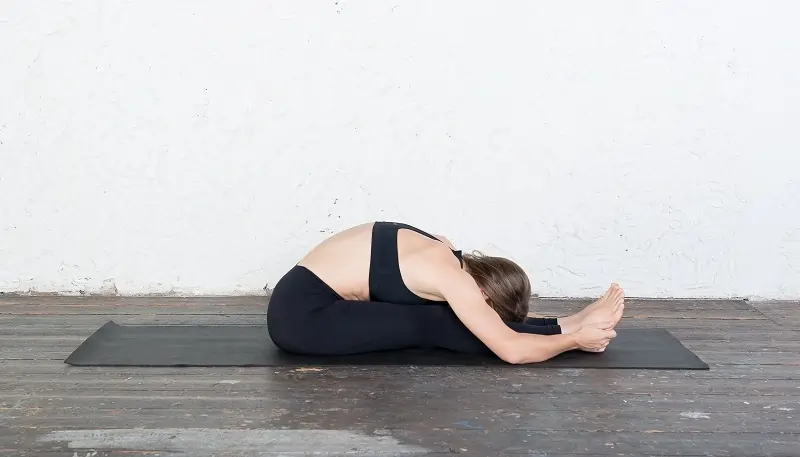
- With your legs outstretched, sit on the floor.
- Maintaining a straight back, reach for your toes.
- Perfect for sore hamstrings from extended sitting.
Wall Hamstring Stretch:
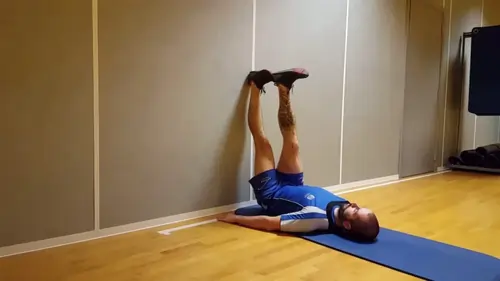
- Lying on your back, place one leg up on the wall and the other flat through the opening.
- A good passive stretch to do before bed or after a workout.
Dynamic Hamstring Leg Swings:
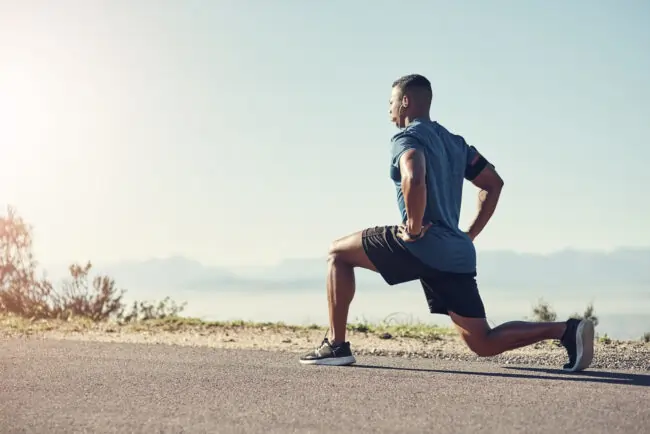
- Swing one leg forth and back while standing.
- Dynamically releases the hamstrings before jogging or other sports.
Doorway Hamstring Stretch:
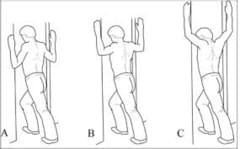
- Like the wall stretch, but with more emphasis on maintaining pelvic stability.
Downward Dog:
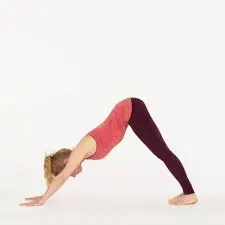
- Make an inverted V with your hips by pushing them upward.
- Stretches the back, calf muscles, and hamstrings.
Chair Hamstring Stretch:
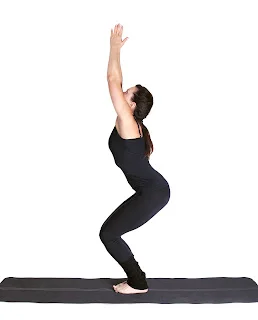
- With one leg outstretched and your heel on the ground, take a seat at the edge of a chair.
- With your back flat, reach for your toes.
- A mild choice for people with limited mobility or older persons.
Tips for Stretching Safely:
It’s equally crucial to perform hamstring stretching exercises correctly and on a regular basis. Keep these important pointers in mind to maximize your routine and prevent injuries:
Warm Up First:
Before stretching, always warm up your body. Your hamstring stretches will be more effective if you take a short walk, do some leg swings, or ride a stationary bike for a short while.
Avoid Bouncing:
Stretching while bouncing might result in microtears in your muscles and injuries. Hold each hamstring stretch for 20 to 30 seconds while concentrating on slow, controlled movement.
Know the Difference Between Stretch and Pain:
Sharp pain is not typical during hamstring stretch exercises, although a mild pulling feeling is. If you experience pain, particularly if the soreness doesn’t go away, stop.
Breathe and Relax:
Breathing deeply and continuously promotes muscle relaxation, which increases range of motion. When stretching, avoid holding your breath.
Be Consistent:
Stretch at least three to four times a week to release tense hamstrings. To improve flexibility and lower the chance of injury, consistency is essential.
Benefits of desk stretches:
Stretching at your desk can improve your health and shield you from the harmful consequences of prolonged sitting. Continue reading to learn more about the advantages of stretching after a long day of sitting.
Improved posture:
For office workers, back and neck exercises can help open your chest, straighten your spine, and strengthen muscles that may have been weakened by extended sitting.
Increased blood flow:
Stretching while working increases your heart rate, which helps you feel less tired and have more energy. You only need to do light stretches to improve blood flow, so take care not to overstretch and run the risk of injuring yourself.
Enhanced flexibility and range of motion:
Your range of motion and flexibility can significantly increase with just ten minutes of daily stretching. You’ll feel more at ease carrying out everyday tasks if you take daily pauses to do desk exercises for office workers or learn how to increase flexibility with yoga and aerobics.
Stress relief:
Exercises that relieve stress are a great way to calm your body and mind, reduce weariness, and improve your ability to concentrate. A few mindful desk stretches might help you take a brief pause, recharge your muscles, and return to your desk with a fresh perspective instead of pushing through stress.
Injury prevention
Stretching frequently at work can help you avoid a variety of injuries, such as:
- Carpal tunnel syndrome and tendinitis are examples of overuse injuries
- Underuse injuries are typically caused by engaging in high-intensity exercise or other explosive activities with weakened muscles. To improve your workouts and avoid injuries, we advise warming up for added assistance.
FAQs:
How to loosen tight hamstrings from sitting?
Combine mild hamstring stretches with hip flexor mobility and frequent movement breaks throughout the day to release hamstrings that have become tense from sitting. Long durations of sitting can cause your pelvis to lean forward and keep your hips flexed, which can lead to chronic tightness at the back of your thighs.
What’s the best exercise for tight hamstrings?
To avoid using static stretching alone to treat tight hamstrings, a combination of myofascial release, focused stretching, and glute/hamstring strengthening is needed.
What is the root cause of tight hamstrings?
Rarely is there a single root cause for tight hamstrings; instead, they are frequently a compensatory or protective reaction rather than a straightforward lack of flexibility. Often, a tight hamstring is the result of another muscle, joint, or nerve being overworked or under stress.
What can be mistaken for tight hamstrings?
Tight hamstrings are frequently confused with sciatica, nerve stress, hamstring strains or tendinopathy, and pelvic or lower back problems. Rather than being a muscle that just needs to be stretched, a tight feeling in the back of the leg is often a defensive reaction or transferred pain.
How long do tight hamstrings take to loosen?
Tight hamstrings can be improved in two to six weeks with regular daily practice, but significant and long-lasting flexibility often takes three to three months (six to twelve weeks).
What are signs of weak hamstrings?
Persistent tightness, cramping during exercise, difficulty performing single-leg movements, or pain in the lower back, hips, or knees are common indicators of weak hamstrings.
Will walking loosen tight hamstrings?
Yes, by increasing blood flow, warming up the muscle tissue, and reducing the stiffness caused by extended sitting, walking can help release tight hamstrings.
What position relaxes the hamstring?
The best way to relax the hamstrings is to slightly extend the hip and bend the knee, which puts the origin and insertion of the muscle closer together without straining the sciatic nerve or lower back.
What is the number one exercise for hamstrings?
Although the Romanian deadlift (RDL) is frequently regarded as the finest option for developing hamstring strength and muscle, there isn’t a single, commonly accepted “number one” hamstring exercise because the ideal option depends on your aim.
References:
- ThriveCore, Pallavi, C. D., & Pallavi, C. D. (2026, October 16). Hamstring Exercises for Desk Workers: Fixing Tightness from Sitting All Day. Thrivecore – Best Online Fitness Training Studio. https://thrivecore.in/blog/hamstring-exercises-for-desk-workers/
- Administrator. (2026, September 10). 9 simple stretches to do at your desk. FS8 Fitness Studios. https://fs8.com/blog/desk-stretches/
- Ducker, M. (2025, May 28). Hamstring stretches (Recommended by a physio) — Ducker Physio Adelaide. Ducker Physio Adelaide. https://www.duckerphysio.com.au/blog/stretching-exercises-for-hamstring-tightness