Exercises for Back Stiffness After Working from Home
Introduction:
Your everyday activities and quality of life may be affected by a stiff lower back. Lower back pain can occasionally be followed by pelvic, hip, and leg pain, spasms, and cramping.
Your lower back’s strength and flexibility can be increased with stretches and exercises. Additionally, they can assist in relieving compression in the lower back by lengthening and extending your spine.
What can cause a tight lower back?
Lower back tightness and stiffness can be caused by a variety of diseases, from minor strains to severe conditions that need to be treated.
- Sports injuries such as sprains and strains; traumatic injuries including fractured bones; kidney stones and infections; pregnancy; degenerative disc diseases
- Spinal disorders include scoliosis, ankylosing spondylitis, and spondylolisthesis; medical problems like osteoporosis, cancer, and myofascial pain; and nerve injury like sciatica
How Can Working From Home Avoid Back Pain?
While working remotely has become the norm, the main occupational difficulty we face is health-related issues. One of the most common health issues among employees who work from home is back pain. When you work in poorly planned workspaces, sit for extended periods of time, and adopt bad body postures, your body feels uncomfortable. Home-based professionals can manage and end the pain with a number of workstation adjustments.
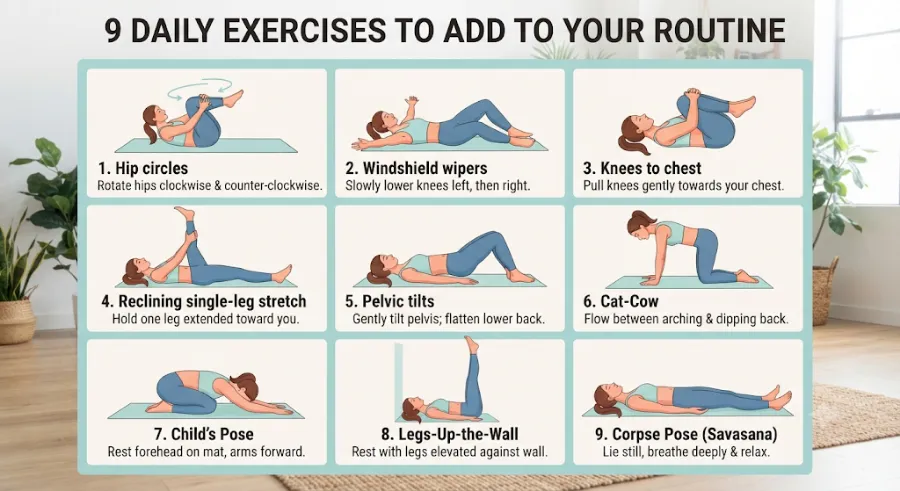
Here are nine exercises you can add to your daily routine:
Hip circles:
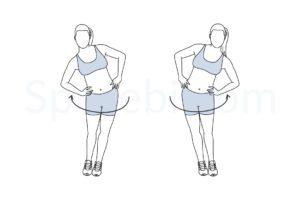
This exercise helps release tension, improve flexibility, and loosen the hip and lower back muscles. You can also use your core muscles if you feel comfortable doing so.
Muscles used:
- Rectus abdominis (abdominal muscles)
- Erector spinae
- Pelvic muscles
- Gluteal muscles
- Place your hands on your hips and stand with your feet a little wider than your hips.
- Move your hips lightly from side to side to begin.
- Make large circles by slowly rotating your hips in a single direction.
- Do ten circles or more.
- Continue in the other direction.
Windshield wipers:
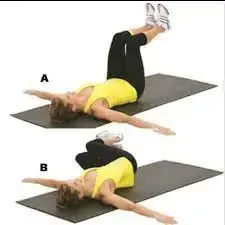
This exercise reduces the tension and stiffness in your lower back while extending your hips.
Muscles used:
- Erector spinae
- Sacral muscles (muscles of the part of the spinal column connected to the pelvis)
- Pelvic muscles
- Obliques
- Stretch your arms out to the side so they are perpendicular to your torso while lying on your back and bending your knees. You may have slightly wider feet than hips.
- Breathe out as you turn to face the left and gradually lower your knees to the right.
- Take a breath and go back to the beginning.
- For one minute, keep doing this, switching between the left and right sides.
Knees to chest:
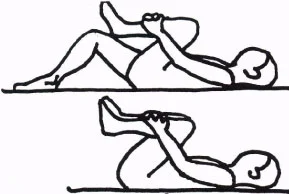
This stretch stretches and stabilizes the pelvis while improving flexibility and relaxing lower back muscles.
Muscles used:
- Gluteus maximus
- Pelvic muscles
- Spinal extensors
- Quadriceps
- Extend both legs while lying on your back.
- With your fingers twisted around your shin, bring your right knee to your chest.
- After five seconds of holding this position, let go of your leg.
- Stretch both legs five times.
- Hold your wrists, arms, or elbows while drawing both knees into your chest.
- For thirty seconds, maintain this posture.
Reclining single-leg stretch:
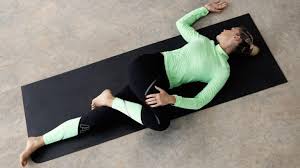
This stretch relaxes the lower back and extends the hamstrings. Additionally, it helps correct spinal position.
Muscles used:
- Hamstrings
- Gluteus maximus
- Rectus abdominis
- Erector spinae
- Extend both legs while lying on your back.
- Maintaining a slight bend in the knee, raise your right leg as straight as you can. For support, you can press onto your foot and bend your left knee.
- Hold your leg behind your thigh by crossing your fingers, or wrap a towel or strap around the top of your foot.
- For thirty seconds, hold this stretch.
- On the left side, repeat.
- On each side, repeat two or three times.
Pelvic tilts:
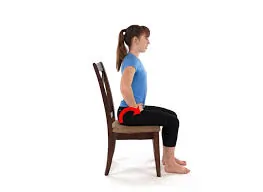
Your abdominal and lower back muscles will get stronger from this exercise. Additionally, it makes you more flexible.
Muscles used:
- Hamstrings
- Rectus abdominis
- Sacral muscles
- Gluteus maximus
- Bend your knees and lie on your back. Your spine will curve slightly when you’re calm, keeping the base of your spine off the ground.
- Press the base of your spine into the floor by using your core muscles.
- After five seconds of holding, let go.
- Repeat three times, then progressively increase to ten.
Cat-Cow:
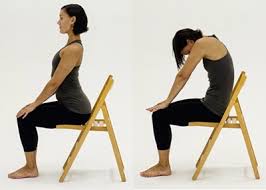
This yoga pose gives your hips and abdomen a wonderful stretch and improves the flexibility of your spine.
As you contract and relax your core muscles during the exercise, pay attention to them. Try performing the exercise slowly and softly if you’re feeling particularly sore or stiff.
Muscles used:
- Erector spinae
- Rectus abdominis
- Triceps
- Gluteus maximus
- With your weight distributed equally among all four places, assume the tabletop position.
- Take a breath, look up, and lower your stomach to the ground.
- Breathe out and arch your back toward the ceiling.
- For at least a minute, keep doing this.
Child’s Pose:
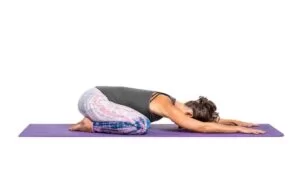
This mild yoga stance helps to extend, stretch, and straighten the spine while relieving pressure on the lower back.
Muscles used:
- Gluteus maximus
- Posterior muscles
- Hamstrings
- Spinal extensors
- Sit back on your heels while kneeling, keeping your knees together or slightly apart. You can put a pillow or bolster close to your forehead, chest, or thighs.
- You can stretch your arms in front of you or place them next to your body by bending at the hips to fold forward.
- Allow go of tightness and allow your body to feel heavy as you fully relax.
- For one minute, maintain this position.
Legs-Up-the-Wall:
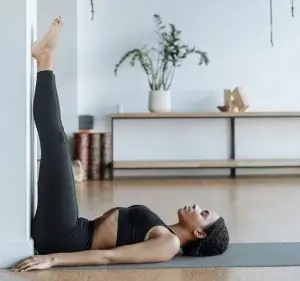
You can ease your pelvis and lower back with this yoga practice. It relieves tension and stress and gives your hamstrings a great stretch.
Muscles used:
- Hamstrings
- Pelvic muscles
- Lower back
- Back of your neck
- Sit with your right side up against a wall.
- Swing your legs up along the wall while lying on your back. You might shift your hips a few inches away from the wall or put a cushion beneath them.
- Arms should be relaxed in any comfortable position.
- Concentrate on releasing tension and relaxing the lower back.
- Hold this position for a maximum of two minutes.
Corpse Pose:
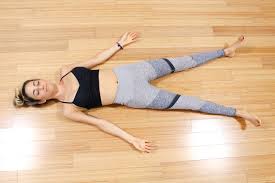
Before starting your day, finish your stretching exercise with a few minutes of relaxation. This allows your muscles to completely unwind.
Lie down on your back. Concentrate on releasing the body’s continued stress and tightness.
Other Ways to Loosen a Tight Back:
Before taking medicine for back pain, many medical professionals advise exploring alternative therapies. The following options can aid in loosening your back:
- Acupuncture: In this type of traditional Chinese medicine, stagnant Qi energy flow is attempted to be released by inserting acupuncture needles into release points. They are thought to have an analgesic, or pain-relieving, action.
- Massage therapy: To relieve tension or pain, a variety of massages are performed using hands, fingers, elbows, or a device to knead soft tissue in the back.
- Spinal manipulation: This technique, which is used by chiropractors, entails manipulating the spine’s joints using the hands or another tool in order to reduce discomfort.
- Tai chi: This martial arts-inspired traditional Chinese exercise promotes back strength and general health by working muscle groups in flowing movements with calm, deep breaths.
- Yoga: A combination of physical positions, breathwork, and meditation, yoga aims to calm the body, strengthen the body, and promote healing.
Tight muscles may also benefit from an anti-inflammatory diet. Maintaining a diet high in fish, vegetables, and olive oil—such as the Mediterranean diet—may help with back pain by lowering chronic inflammation.
Tips to Prevent Back Pain While Working from Home:
Create an Ergonomic Workspace:
The proper posture of your body should be supported by your desk.
Make sure that:
- Your feet are flat on the ground.
- Your knees stay at a 90-degree angle.
- The screen is at eye level.
- Your elbows remain near your body.
- Your chair supports your lower back.
- Putting a tiny cushion behind your lower back can be beneficial if you don’t have an ergonomic chair.
Maintain Good Posture:
When working, try not to slouch or lean forward.
Instead:
- Don’t tense your shoulders.
- With your back supported, sit up straight.
- Make sure your ears are in line with your shoulders.
- Don’t spend a lot of time crossing your legs.
- Maintaining proper posture reduces needless strain on the spine.
Take Regular Breaks:
Stay away from sitting for extended periods of time.
A basic rule is to:
- Every 30 to 45 minutes, stand.
- Take two to five minutes to stroll around.
- Before you go back to work, stretch your muscles.
- Regular exercise enhances blood flow and lessens stiffness in the muscles.
Perform Daily Stretching:
Easy stretches for lower back pain can relieve tense muscles and increase flexibility.
Try these stretches:
- Cat-Cow Stretch
- Child’s Position
- Stretching Your Side While Standing
- Spinal Twist While Seated
- Stretching Your Hamstrings
- For 20 to 30 seconds, hold each stretch without pushing yourself.
Strengthen Your Core:
Exercises that are beneficial for lower back pain include:
- Dog-Bird Pelvic Tilts
- Bridges with glutes
- Adapted Planks
- Wall Seats
- These exercises reduce strain when sitting for extended periods of time and help with posture.
Include a Lower Back Workout:
Strength and flexibility can be enhanced with regular exercise for lower back pain.
A basic regimen could consist of:
- Ten repetitions of pelvic tilts
- Ten repetitions on each side for Bird Dog
- 15 repetitions of glute bridges
- Ten repetitions of the cat-cow stretch
- Ten repetitions of standing back extensions
- Exercises should always be done slowly, and they should be stopped if they cause you severe pain.
Stay Active Beyond Work:
Regular physical exercise should be tempered with prolonged sitting.
Select activities like:
- Strolling
- Swimming
- Yoga
- Riding a bike
- Mild strength training
- Walking for even thirty minutes can have a major positive impact on spinal health.
Lift Objects Properly:
Whether gathering home goods or the store bags:
- Your knees should be bent.
- Keep the item near your body.
- Use your legs to lift.
- When lifting, try not to twist.
- Lower back pain can be minimized by using proper lifting techniques.
Sleep in a Spine-Friendly Position:
Spinal health is also impacted by the way you sleep.
Experts suggest:
- Placing a pillow beneath your knees while lying on your back.
- Placing a pillow between your knees while lying on your side.
- Utilizing a cushion and mattress that provide support.
- Your spine can heal overnight if you sleep with proper posture.
Stay Hydrated and Eat Well:
Appropriate hydration is necessary for healthy spinal discs.
Throughout the day, stay hydrated and eat a well-balanced diet full of:
- Calcium
- Vitamin D
- Protein and Magnesium
- Fresh produce
- Healthy bones and muscles are supported by a balanced diet.
Safety Tips for Stretching:
- To avoid injuries, always warm up before stretching. Before stretching, you can engage in five to ten minutes of physical exercise, such as running or walking. Before stretching, think about applying moist heat to a particularly tight area of your body for 15 to 20 minutes.
- Avoid going above your pain threshold. If you experience any pain or ache, discontinue the gentle stretching.
- Stretching during pregnancy should be done with extra caution. Overstretching or damage could result from the hormones that support your pregnancy. Please speak with your healthcare practitioner before starting a new exercise program. During pregnancy, several of these stretches might not be suitable.
- Avoid stretching when experiencing fresh pain. Don’t stretch for a few days if you tore a muscle in your back.
Conclusion:
Your spinal health need not be compromised when working from home. The danger of developing back problems can be greatly decreased by maintaining proper posture, setting up an ergonomic workspace, being physically active, and taking regular movement breaks.
You can avoid long-term issues and maintain your health, productivity, and pain-free state by paying attention to your body’s warning signs and promptly obtaining medical guidance.
FAQs:
What can I do to relieve back pain caused by working from home?
The main causes of back pain when working from home include inadequate ergonomics, extended periods of sitting still, and inactivity. By adjusting your office arrangement, taking frequent breaks, and stretching, you can avoid and reduce such pain.
How long can back stiffness last?
About 50% of episodes resolve after two weeks, and up to 80% to 90% improve by six weeks. The majority of basic back stiffness or muscular strains resolve in a few days to two weeks.
Why does my back hurt after working all day?
Muscle exhaustion, bad posture, or prolonged static pressure on your spine from sitting or standing still for extended periods of time are the main causes of back pain after a long day at work.
What Is the Most Comfortable and Supportive Sitting Posture for People With Lower Back Pain?
A neutral spine posture that maintains your lower back’s natural inward bend (lordosis) without overarching or downward flexion is the ideal sitting position for lower back pain.
When to worry about lower back stiffness?
If lower back stiffness persists for more than a few weeks without getting better with rest and at-home care, or if it is accompanied by “red flag” symptoms like loss of bladder or bowel control, groin numbness, or sudden leg weakness, you should be concerned.
What job causes the most back problems?
When it comes to work-related back injuries and musculoskeletal diseases, nursing assistants and healthcare workers typically rank highest, closely followed by drivers, construction workers, and warehouse/material handlers.
Which three exercises are most commonly recommended for relieving and managing back pain?
The “Big 3” back pain exercises were created by spine biomechanics to increase stability and core endurance without bending or placing a lot of strain on your spine.
Is heat or ice better for back pain?
Which is “better” depends on when the pain began and what caused it; neither heat nor ice is always “better.”
References:
- Cronkleton, E. (2024, June 13). 9 stretches to help relieve a tight lower back. Healthline. https://www.healthline.com/health/lower-back-pain-relief#hip-circles
- Hospital, V. (2026, August 12). 10 Simple Ways to Prevent Back Pain While Working from Home. Healthcare and Disease Prevention Tips – Blog – Venkateshwar Hospital. https://www.venkateshwarhospitals.com/blog/10-simple-ways-to-prevent-back-pain-while-working-from-home/
- Sabino, J., & Grauer, J. N. (2008). Pregnancy and low back pain. Current Reviews in Musculoskeletal Medicine, 1(2), 137–141. https://doi.org/10.1007/s12178-008-9021-8
- How to avoid back pain while working from home. (n.d.). Rehabilitation Center in Hyderabad |Transitional Care | Physiotherapy Center-Brinnova. https://www.brinnovacare.com/how-to-avoid-back-pain-while-working-from-home