Shoulder Mobility Exercises at Your Desk
Introduction:
Mobility exercises can help improve your posture and movement while working at your desk. This blog will cover a number of easy mobility exercises that are perfect for all desk workers, including office workers, computer workers, and typists who spend most of their time behind a keyboard or on the phone. Working at a desk makes it easy to become stuck in a chair for extended periods of time, which can lead to back and shoulder pain and poor posture.
Why Desk Work Causes Such Predictable Patterns of Pain:
- The neck and upper back are strained by prolonged forward head posture. The muscles at the base of the skull and upper back must constantly strive to keep the head upright because staring at a screen, especially one that is positioned a little too low, causes the head to drift forward.
- Long periods of sitting cause the hip flexors to shorten and stiffen. The hip flexor muscles shorten as a result of spending hours with the hip flexed, which can cause lower back pain and change your movement patterns when you stand and move.
- The muscles between the shoulder blades get weaker as the upper back rounds forward. The shoulder and upper back pain that many office workers report is aggravated over years of repetition by this rounded posture, which is maintained for hours every day.
Exercises That Will Help Me Become More Mobile While I Work at a Desk?
Several activities can help desk workers become more mobile. The glutes, hip flexors, and lower back muscles—all of which are engaged when sitting—are stretched and strengthened during these movements.
Exercises that aim to open the body and improve flexibility include wall slides, hip bridges, and leg swings. Arm circles, neck stretches, and shoulder rolls are also excellent for releasing tense muscles caused by prolonged sitting. Lastly, keep in mind to take frequent breaks to avoid being overly rigid and sore from prolonged sitting. Additionally, this will help you become more mobile overall.
How Does Desk Work Lead to Shoulder Pain?
Years of desk work can progressively damage the shoulder in ways we don’t usually immediately recognize. The following are some common causes of shoulder pain, ranging from bad posture to workstation setup:
- Poor Posture: A forward-tilting neck and rounded shoulders might result from leaning or hunching. Although this position may seem pleasant at first, it eventually stresses the muscles supporting the upper back and shoulders, leading to conditions like:
- Rotator Cuff Tendinitis: When the shoulder joint is displaced due to poor posture, the tension on the rotator cuff tendons increases. Inflammation caused by this ongoing tension may result in shoulder pain and restricted range of motion.
- Shoulder bursitis is an inflammation of the bursa, a small fluid-filled sac supporting the shoulder joint. Bursitis can be aggravated by bad posture, especially when using a phone, which puts more strain on the shoulder.
- Extended Sitting: Prolonged sitting can lead to back, neck, and shoulder soreness. Lack of frequent movement and stretching causes muscles to become tight, tense, and less flexible. By the end of the day, the shoulders frequently feel stiff and uncomfortable, which could lead to:
- Frozen Shoulder: This condition, which is frequently made worse by extended periods of inactivity, limits movement by causing stiffness and pain in the shoulder joint.
- Muscle strains: When shoulder muscles are overextended or torn as a result of prolonged tension and immobility.
- Extended Phone Use: While checking your phone during breaks can seem soothing, holding it low or bending forward to scroll might strain your neck and shoulders. The shoulders tilt forward in this stance, which results in:
- Shoulder Impingement: When you move your arms, the tendons in your shoulders may be pinched between the shoulder bones if your shoulders are rounded forward. Lifting your arms may be difficult and painful as a result.
- Non-Ergonomic Workstations: When a screen is too high or low, or a chair or desk is poorly adjusted, your shoulders are forced to remain in an uncomfortable position, which can lead to:
- Repetitive strain injuries (RSI) are painful and uncomfortable injuries caused by prolonged awkward positions or repetitive activities.
- Nerve Injury: When the body is positioned incorrectly while working, a poor ergonomic setup puts pressure on the nerves. Compression of the nerves can cause symptoms including arm weakness, tingling, or numbness.
The pressure caused by extended desk work can be reduced with a few simple shoulder strengthening exercises. You could reduce tense shoulders, increase mobility, and eventually avoid pain by including these in your regimen.
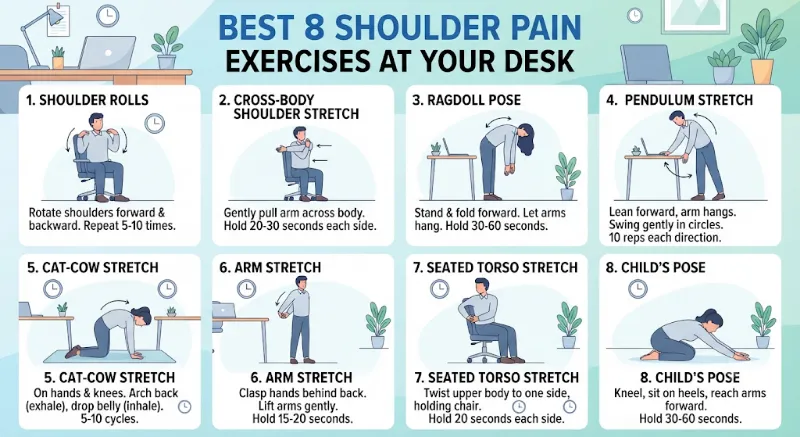
Best 8 Shoulder Pain Exercises at Your Desk:
Shoulder Rolls:
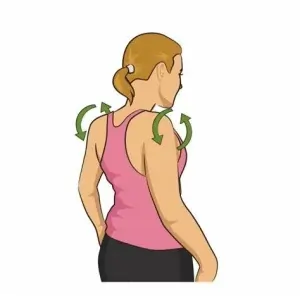
Shoulder rolls are an effective way to relieve upper back and shoulder strain. Additionally, they improve blood circulation, which lightens and relaxes your shoulders.
- With your arms at your sides, sit up straight or stand.
- Breathe in as you raise your shoulders to your ears, then release them as you roll them back and forth in a circle.
- After five to ten repetitions of this action, change directions.
Cross-Body Shoulder Stretch:
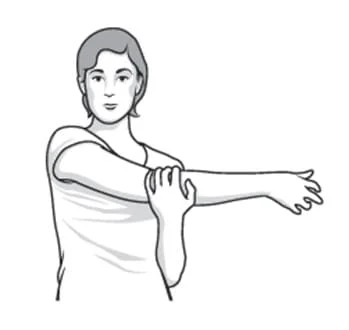
In addition to increasing shoulder mobility and reducing pain caused by extended sitting, this stretch works the posterior shoulder muscles.
- Sit or stand upright.
- Raise your right arm to shoulder height and extend it across your body.
- Gently draw your right arm toward your chest with your left hand.
- After 15 to 30 seconds of holding, switch arms.
Ragdoll Pose:
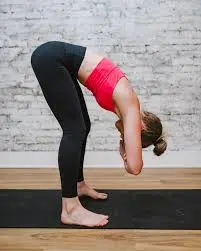
The upper back and shoulder muscles are gently stretched and released in this yoga pose. To ease stiffness and tension, it lengthens the shoulder muscles.
- Bend at the hips so that your upper body hangs toward the floor while standing with your feet hip-width apart.
- Allow your arms to hang or grasp the elbows of those on the other side.
- Hold while taking deep breaths for 30 seconds.
Pendulum Stretch:
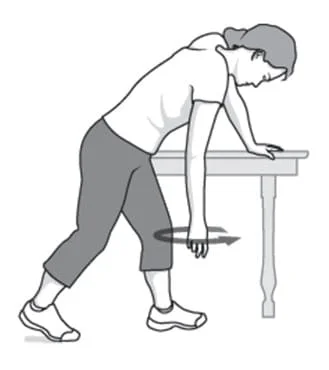
The pendulum stretch promotes mild shoulder joint movement, which helps with range of motion, flexibility, and pain relief.
- For support, stand close to a solid surface, such as a wall or desk.
- Allow your affected arm to hang down while you slightly bend forward.
- Gradually extend the range by gently swinging your arm in little circles.
- After 30 seconds of this, change directions.
Cat-Cow Stretch:
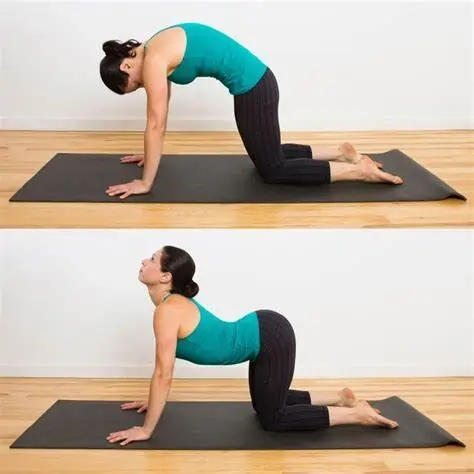
The spine’s range of motion and flexibility are increased by this dynamic stretch. The deep stretch and gradual speed also relieve pain and stiffness by releasing tension in the upper back and shoulders.
- Kneel in the tabletop posture on the mat.
- To prevent overstretching, make sure your shoulders and hands are in line.
- Breathe in while looking up and arching your back (Cow Pose).
- Breathe out while you tuck your chin into your chest and round your back (Cat Pose).
- Repeat five to ten times.
Arm Stretch:

This is an excellent shoulder strengthening exercise that releases tension in the shoulders and forearms, ultimately increasing shoulder mobility and flexibility.
- With the palm facing up, extend your right arm straight out in front of you.
- Pull back on your fingers lightly with your left hand.
- After 15 to 30 seconds of holding, switch arms.
Seated Torso Stretch:
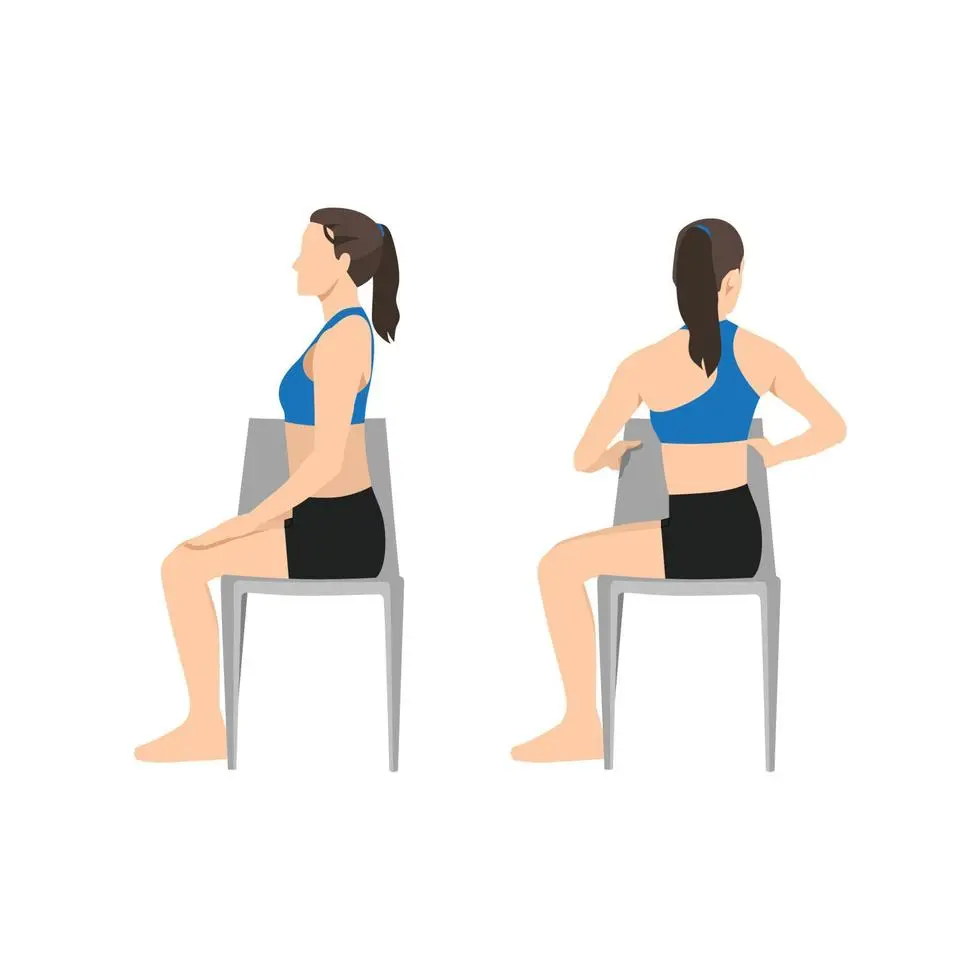
By releasing tension, this stretch lengthens the muscles in the upper back and chest, increasing shoulder flexibility and mobility. When done consistently, it also strengthens the shoulders, improving posture and shoulder joint range of motion.
- On a mat, sit up straight.
- Twist your torso to the right while placing your right hand on the back of your chair.
- After 15 to 30 seconds of holding, switch sides.
Child’s Pose:
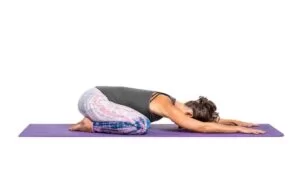
Balasana (Child’s Pose) is a healing yoga pose that eases back, neck, and shoulder strain.
- Start on your hands and knees.
- Lower your hips toward your heels, rest your forehead on the mat, and stretch both arms forward along the floor.
- For thirty seconds, maintain this posture while paying attention to your breathing.
How to Add Shoulder Mobility To Your Routine:
- Perform three to four dynamic exercises (arm circles, dislocates, scapular push-ups) to prepare the shoulders before training.
- Static stretches (pec stretch, thread-the-needle, sleeper stretch) should be held for recovery following a workout.
- On days when you’re recovering, combine the two and try to move painlessly for ten to fifteen minutes.
- Maintaining consistency is essential; if you do so, you’ll notice results in a matter of weeks.
6 Benefits of Shoulder Exercises for Mobility:
- Restores Range of Motion: Over time, regular shoulder mobility exercises let you reach aloft, behind your back, and throughout your body with significantly reduced constriction by gradually lengthening the muscles and connective tissue surrounding the joint.
- Minimizes Everyday Pain and Stiffness: The shoulder joint is compressed by desk labor, extended sitting, and repetitive postures. The chronic tightness that builds during the day may be progressively relieved with targeted mobility exercises that help decompress the joint.
- Encourages Improved Posture: The upper back becomes rounded when the shoulders are tight. Increasing shoulder mobility makes it easier to maintain an open chest and an upright spine, which is something that posture-improving exercises constantly emphasize.
- Strengthens the Basis for Training: Shoulder mobility is the foundation of all upper body exercises, whether you push, pull, or lift. Improved mobility leads to improved mechanics, which improves training effectiveness and reduces the chance of overuse strain.
- Enhances Functional Strength: When your shoulders move through their entire, healthy range of motion, common tasks like carrying groceries, raising a child, and reaching for something on a high shelf become safer and easier.
- Encourages the Release of Stress and Tension: One of the first locations in the body to store both physical and emotional stress is the shoulders. The parasympathetic nervous system is activated by slow, focused mobility exercises, which can make you feel more relaxed and at ease after each session.
FAQs:
What are some good shoulder exercises I can do at my desk?
Due to extended typing and sitting, desk workers frequently suffer from stiff upper backs, neck pain, and tight, rounded shoulders. You may release stress, open your chest, and improve your posture by including short stretches and mobility exercises throughout the workday.
What can I do to relieve tight shoulders when sitting at my desk?
Round shoulders, forward head posture, and tight chest muscles that weaken the upper back are the main causes of tight shoulders from desk work.
What is the best exercise for shoulder mobility?
The most effective shoulder mobility exercises include minor strengthening in several directions, particularly overhead flexion, external rotation, and internal rotation, with mild range-of-motion stretches.
What are the top 3 shoulder exercises?
The front, side (middle), and rear deltoids are the focus of the top three shoulder workouts for balanced muscular growth and strength: overhead press, lateral raises, and reverse flys.
What shoulder exercises can I do while sitting down?
Compared to standing workouts, seated shoulder exercises provide additional core and lower-body stability while focusing on the deltoid muscles (front, side, and rear heads) and upper trapezius.
How to stop shoulder pain at desk?
Round shoulders, a forward head position, tense chest muscles, and overused rotator cuff or upper back muscles are common causes of shoulder pain from computer employment.
How to improve overhead shoulder mobility?
Combine active mobility drills and end-range strength workouts with targeted stretches for tight muscles (lats, chest, and upper back) to increase overhead shoulder mobility. This will help your body learn to control the new range. In order to achieve true overhead reach, your upper back (thoracic spine) must extend without arching your lower back, and your shoulder blades must move smoothly.
What are signs of weak shoulders?
Weak shoulders can be identified by difficulty raising or supporting your arm, rapid muscle fatigue during daily activities or exercise, and a sense of instability or slipping in the joint.
Which exercises work all shoulder muscles?
Combine pressing movements with focused lifts and pull exercises over the front, side, and back deltoids, as well as the rotator cuff and upper back, to effectively target all shoulder muscles.
References:
- Sunny Health & Fitness. (2023, February 28). Top 12 mobility exercises to do at your desk. Sunny Health & Fitness. https://sunnyhealthfitness.com/blogs/health-wellness/mobility-desk-exercises?srsltid=AYCX9vLQvPnysGWDxdjER4iufxrLFhHQoRLb0FsUL7ioN53P5JRPFd_z
- Performance, P. (2026, October 13). Mobility Exercises for Desk Workers: A Physio’s Guide. Physio Performance. https://www.physioperformance.ie/mobility-exercises-for-desk-workers/
- Rushali. (2026, October 26). 8 shoulder pain exercises to do when you work long hours. MyYogaTeacher. https://myyogateacher.com/articles/shoulder-pain-exercises
- 10 Best shoulder mobility exercises for strength, flexibility, and recovery. (n.d.). SQUATWOLF. https://squatwolf.com/blogs/fitness/shoulder-mobility-exercises