11 Best Patellar Tendonitis Exercises
Introduction:
The stiff yet flexible band of tissue that joins the top of your shinbone to the bottom of your kneecap is called the patellar tendon. It transfers the force used to straighten your knees from the quadriceps muscles. Walking, running, or jumping would be very difficult without this 1.75-inch tendon.
The patellar tendon is located in a high-stress area of your body, as you may assume. The aches, pains, and irritation that characterize tendonitis might result from overworking the tendon.
What causes the injury?
The main causes of patellar tendinitis include prolonged use and abrupt changes in activity level. Because it is so prevalent among athletes who participate in sports requiring significant jumps, the condition is often referred to as jumper’s knee.
Imaging tests:
Patellar tendinitis can sometimes be diagnosed without these tests. However, one or more of the following imaging tests might be recommended by your doctor:
- X-rays: Other bone issues that may be causing knee pain can be ruled out with the use of X-rays.
- Ultrasound: This test creates a picture of your knee using sound waves. Tears in your patellar tendon may be visible in the picture.
- MRI stands for magnetic resonance imaging: A magnetic field and radio waves are used in MRI to produce finely detailed images. These can indicate minor alterations in the patellar tendon.
Signs and Symptoms:
Although it can happen to individuals over 60, patellar tendinitis is more frequent in athletes under 30. Both a normal knee and a knee that has been replaced may experience this. Patellar tendinitis often manifests as pain near the bottom of the kneecap, which may be accompanied by swelling or a burning feeling.
Because the injury is at the front portion of your knee, this can frequently result in anterior knee pain. Because the muscles pull on the injured tendon as they contract, the pain typically gets worse when you move. Patellar tendinopathy can make it challenging to do certain tasks that need the leg muscles to work extremely hard to maintain balance, such as getting out of a car, standing from a low chair, or descending stairs.
To prevent further tendon injury, it’s crucial to avoid activities that increase the pain and think about getting treatment when such symptoms persist for a long time.
Patellar Tendonitis Exercises
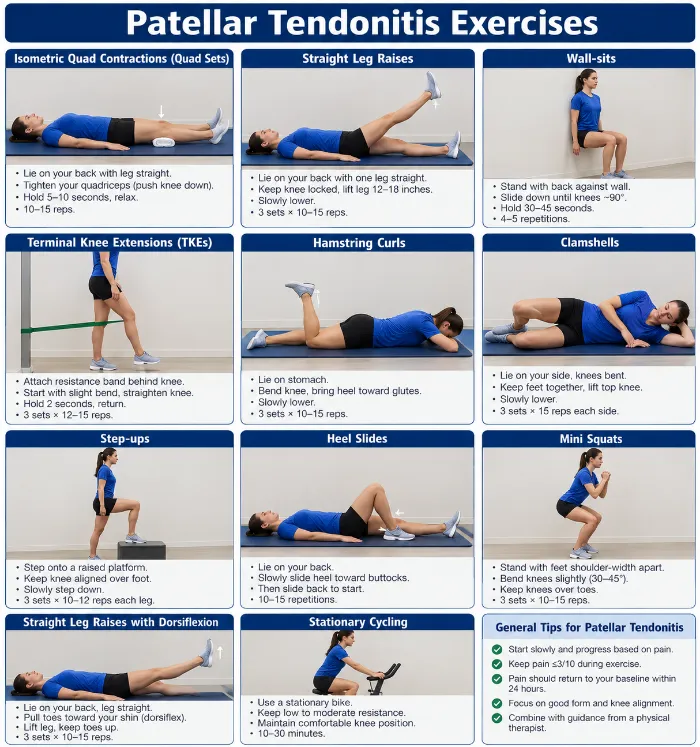
The exercises for patellar tendinitis are as follows:
Isometric quad contractions (quad sets):
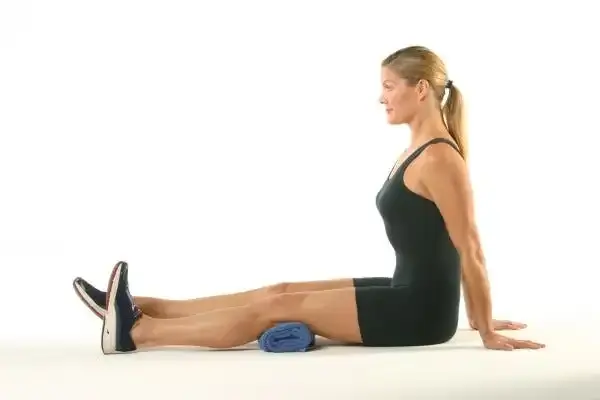
An isometric quad contraction is the tightening of your quadriceps muscles without moving your leg. While your patellar tendon is healing, this workout can help you keep your muscles firm and prevent degeneration.
- Sit down or lie down with your leg out in front of you.
- Place a cloth underneath the affected leg and place your foot on the ground with your knee at a 90-degree angle.
- Tighten your quadriceps by pressing the back of your knee on the towel.
- Hold the contraction for five to ten seconds, then release it.
- Repeat this exercise as often as three times per day.
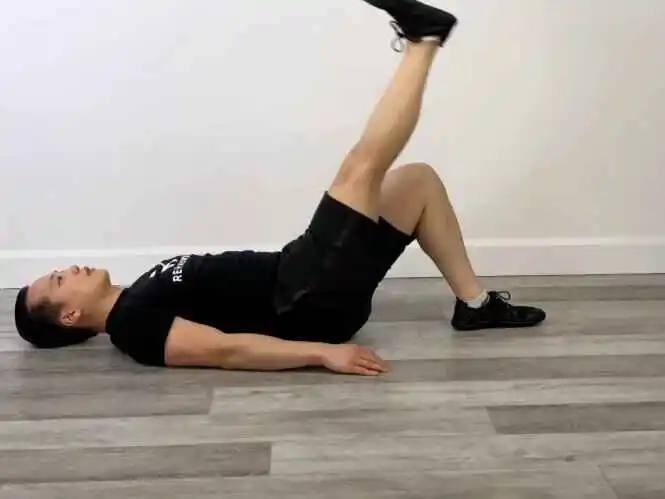
Straight leg raises:
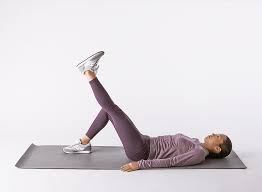
You may increase the strength and range of motion of your quadriceps by lifting your legs straight.
- Stretch the injured leg forward of you while lying on your back with one leg bent at the knee.
- Raise the injured leg off the ground while tightening your thigh muscles and keeping your knee straight.
- Hold the position for a few seconds, then slowly lower your leg again.
- Do this many times, up to three times a day.
Wall-sits:
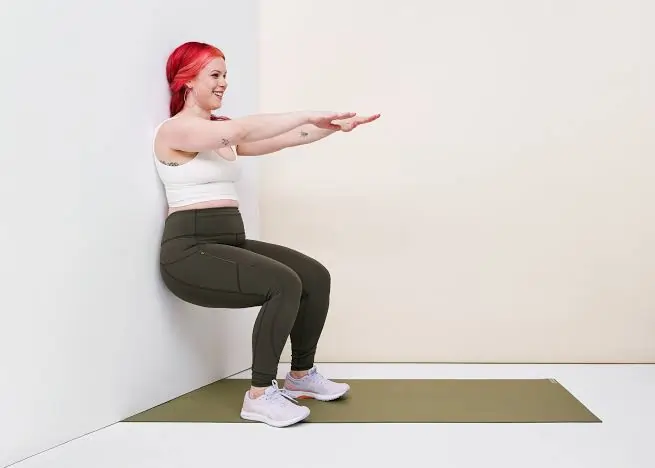
Wall sits can increase the endurance and power of the quadriceps.
- Lean your back against a wall while keeping your feet shoulder-width apart.
- As you carefully descend the wall, bend your knees to a 90-degree angle. After a few seconds of holding the posture, carefully get back up.
- Do this many times, up to three times a day.
Terminal knee extensions:
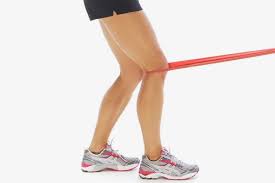
Knee stability and quadriceps strength can both be improved by terminal knee extensions.
- Tie a resistance band around a table leg or other item that will keep it motionless.
- The loop should wrap around the back of your knee when you place your knee inside.
- Move back until the band is under strain with your knee slightly bent.
- Pull the band back a little bit as you elevate your leg.
- After a few seconds of holding, bend your knee to release the strain.
- Repeat 5-10 times, up to 3 times each day.
If you don’t have a resistance band, use this method:
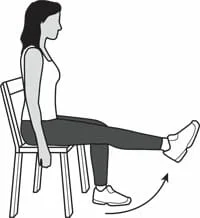
- Position yourself with your knees bent at a 90-degree angle and your feet flat on the ground.
- Straighten your leg as much as you can by tightening your thigh muscles and raising your foot off the ground with the affected leg.
- After a few seconds of holding the posture, gradually drop your foot.
- Do this many times, up to three times a day.
Hamstring curls:
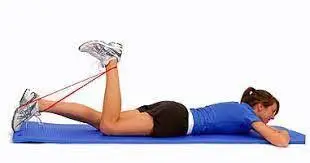
This exercise focuses on the hamstring muscles, which help stabilize the knee joint.
- Place a resistance band around your ankle joints and lie on your abdomen with your legs straight.
- After bending your knees and raising your heels toward your buttocks for five seconds, carefully return your legs to their initial position.
- Do this ten to fifteen times.
Clamshells:
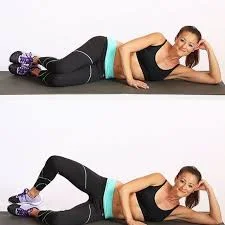
This movement strengthens the hip abductor muscles that stabilize the knee.
- With a resistance band wrapped around your knees and your legs bent at a 90-degree angle, lie on your side.
- Without shifting your pelvis, elevate your upper knee as high as you can while keeping your feet together. Hold this position for five seconds, then gradually return your knee to the beginning position.
- Perform ten to fifteen repetitions on each side.
Step-ups:
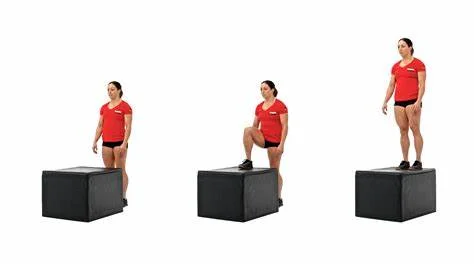
This exercise is beneficial for patellar tendinitis because it improves balance and coordination while strengthening the quadriceps muscles.
- Put your injured leg on the step and your other foot on the floor while facing a step or stairs.
- Step up onto the step using your injured leg, then step down using your other leg.
- Do this ten to fifteen times.
Heel slides:
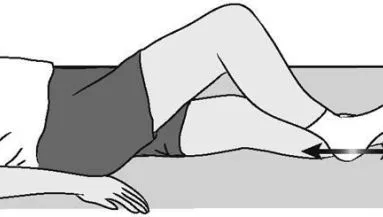
Heel slides strengthen the quadriceps muscles, which increases knee range of motion.
- Place a cloth or sliding disk beneath your heel while lying on your back with your legs straight.
- Knee: As you slowly slide your heel toward your buttocks, bend your knee and then return your heel to the starting position.
- Do this ten to fifteen times.
Mini-squats:
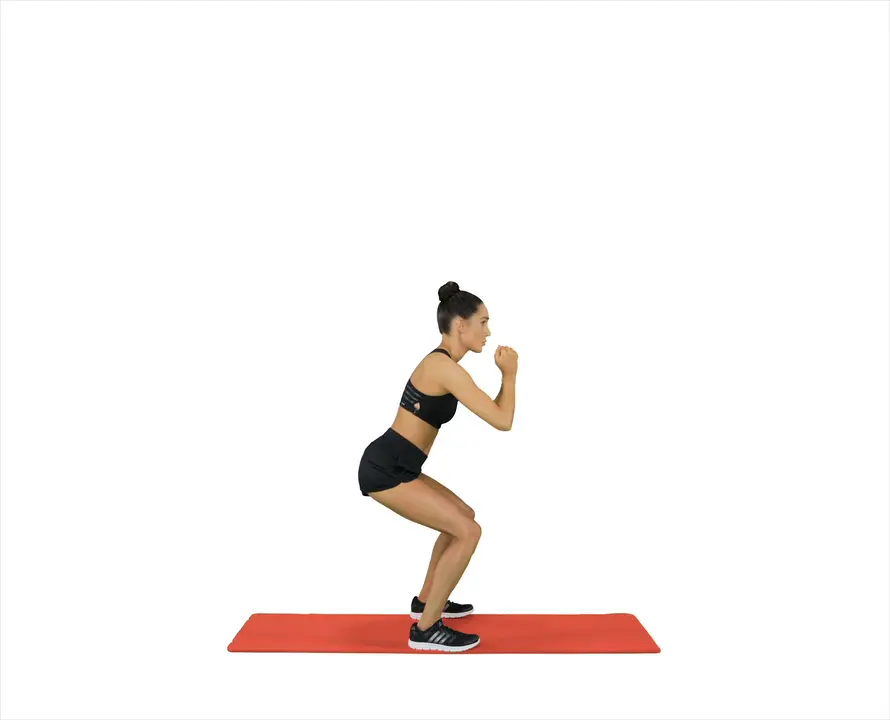
Mini-squats increase knee stability and strengthen the quadriceps muscles.
- Maintain your balance by holding onto a firm surface while standing with your feet shoulder-width apart.
- Bend your knees slowly while maintaining your weight over your heels.
- Return to the beginning posture by slowly straightening your legs.
- Do this ten to fifteen times.
Straight leg raises with dorsiflexion:
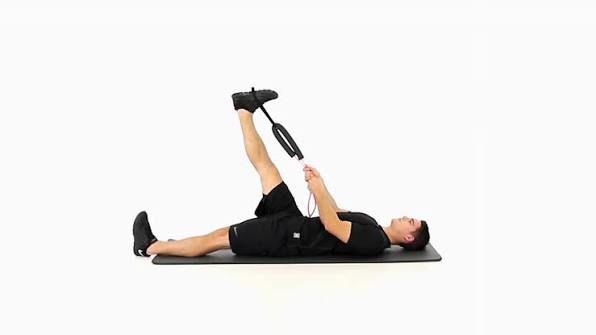
Focuses on the tibialis anterior and quadriceps muscles.
- After holding for five seconds, slowly return your leg to its initial position.
- Lie on your back with a resistance band around your ankle joints and your legs straight.
- Place your toes at your heel and raise your injured leg toward the ceiling.
- Do this ten to fifteen times.
Stationary Cycling:
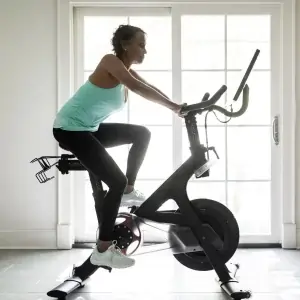
The main goal of this exercise is the quadriceps muscles.
- When cycling, sit on a stationary bike with the seat height adjusted to allow for a small amount of knee flexion.
- Start slowly, then progressively increase the pace and resistance.
- Keep the same speed for ten to fifteen minutes.
- Reduce your resistance and speed gradually before stopping.
General tips for exercises:
- Consult your doctor before you begin.
- Stretch carefully and slowly; do not move quickly or suddenly.
- Stretch until you start to feel a little pain, then let go as you can.
Keep safe during exercises:
While it may take some time to recover from patellar tendinopathy, it’s crucial to perform daily exercises like these to strengthen your muscles and increase your range of motion.
Stop right away and reduce your level of activity if any of the exercises start to hurt. Wearing knee supports, stretching and warming up before activity, and taking part in regular exercise can all help avoid patellar tendinopathy.
Self-care:
You could try the following if your knee hurts:
- Analgesics: Short-term treatment may be provided by over-the-counter medications. Naproxen sodium and ibuprofen are two examples. When used topically as a cream or gel, these medications can function just as well with no side effects.
- Not making painful movements: You might have to avoid doing things that aggravate or cause the discomfort. Additionally, you may need to switch to a lower-impact sport for a while or practice your sport less frequently. Your patellar tendon may sustain more harm if you try to manage your pain.
- Ice: After performing a painful activity, apply ice. Put ice in a plastic bag and cover it with a cloth. Or give yourself an ice massage. Holding a plastic foam cup filled with frozen water, apply the ice to your skin.
FAQs:
What is the best approach to heal patellar tendonitis?
The quickest approach to treat patellar tendinitis, often known as jumper’s knee, is to discontinue aggravating activities very soon and start a gradual rehabilitation program. The tendon can safely regain strength when active load control, ice, and physical therapy activities are combined.
What is Stage 1 jumper’s knee?
The most severe stage of patellar tendon injury is called “stage 1 jumper’s knee” (patellar tendinopathy). It is characterized by localized pain below the kneecap that only happens after physical activity and has no effect on your everyday functioning or sports performance.
What triggers patellar tendinopathy?
Chronic overuse and tension on the tendon that connects your kneecap to your shinbone are the main causes of patellar tendinopathy. Small ruptures in the tendon caused by this constant stress can damage and rupture the tissue if they are not given enough time to heal.
What is worse, patellar tendon or ACL?
In general, a torn patellar tendon is regarded as a more severe and incapacitating injury than a torn ACL. A patellar tendon rupture disables the extensor mechanism, making it unable to straighten your leg or bear weight without a brace, whereas an ACL tear results in knee instability.
What is the most painful tendon to rupture?
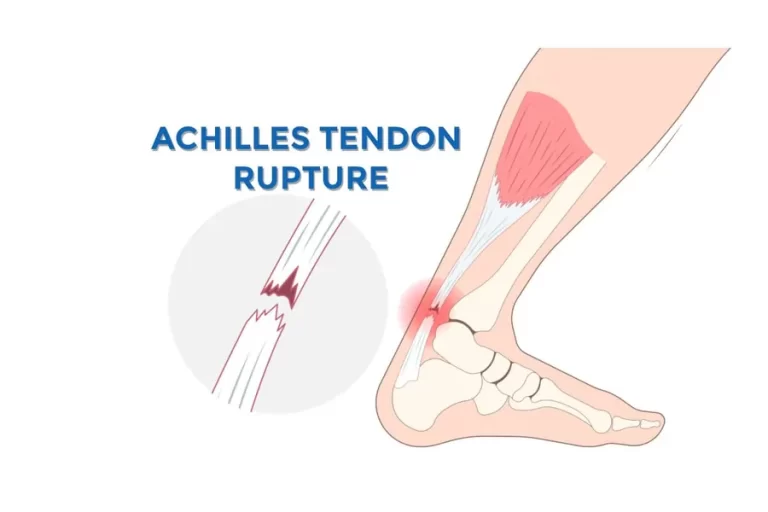
Both sportsmen and medical professionals agree that the Achilles tendon is the most painful tendon to rupture. A full snap or rupture causes an abrupt, painful jerk or ache that is sometimes compared to being shot, kicked, or struck with a baseball bat since it is the thickest and biggest tendon in the body.
Can you walk if your patellar tendon is torn?
The degree of the patellar tendon injury determines whether or not you can walk. Walking may be restricted, but discomfort and instability may result from small, partial rips. But if the tendon is totally torn, you won’t be able to walk because when you put weight on the leg, your knee will fold and fall.
References:
- Khan, K. M., Maffulli, N., Coleman, B. D., Cook, J. L., & Taunton, J. E. (1998). Patellar tendinopathy: some aspects of basic science and clinical management. British Journal of Sports Medicine, 32(4), 346–355. https://doi.org/10.1136/bjsm.32.4.346
- Coleman, B. D., Khan, K. M., Maffulli, N., Cook, J. L., & Wark, J. D. (2000). Studies of surgical outcome after patellar tendinopathy: clinical significance of methodological deficiencies and guidelines for future studies. Scandinavian Journal of Medicine and Science in Sports, 10(1), 2–11. https://doi.org/10.1034/j.1600-0838.2000.010001002.x
- Witvrouw, E., Bellemans, J., Lysens, R., Danneels, L., & Cambier, D. (2001). Intrinsic risk factors for the development of patellar tendinitis in an athletic population. The American Journal of Sports Medicine, 29(2), 190–195. https://doi.org/10.1177/03635465010290021201
- Bittencourt, N. F. N., De Oliveira, R. R., De Paula Mascarenhas Vaz, R., Silva, R. S., & De Michelis Mendonça, L. (2021). Preventive effect of tailored exercises on patellar tendinopathy in elite youth athletes: A cohort study. Physical Therapy in Sport, 53, 60–66. https://doi.org/10.1016/j.ptsp.2021.11.006