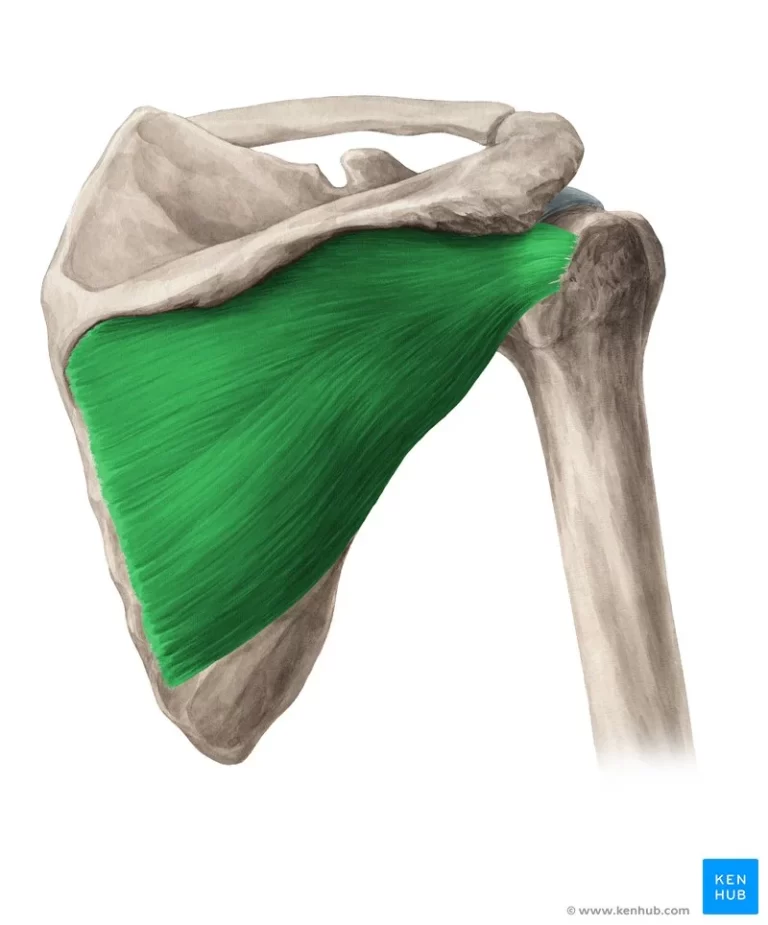
Serratus Anterior Muscle
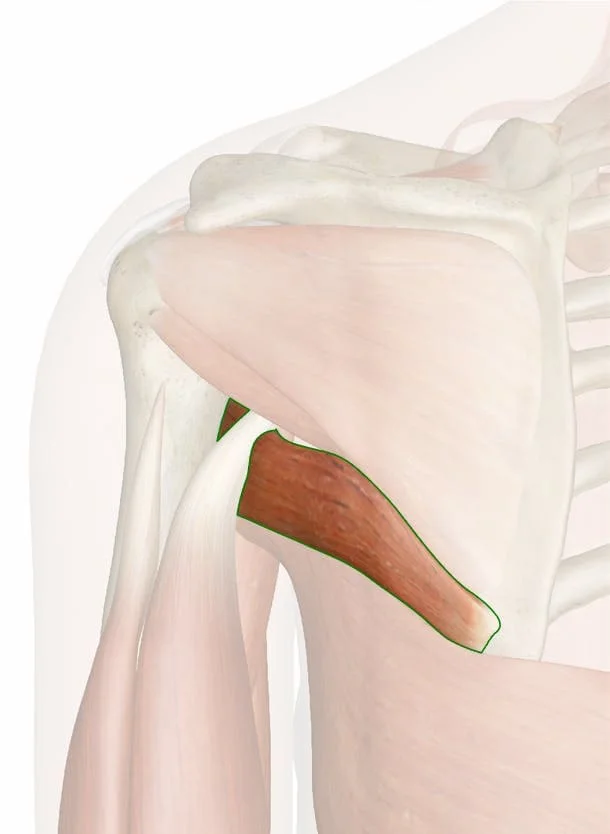
The serratus anterior muscle is a crucial anatomical structure located on the lateral aspect of the rib cage, extending from the first to ninth ribs. Often referred to as the…
Introduction The triangular, flat scapula bone is referred to as the “shoulder blade”. It is located in the upper thoracic region on the posterior part of the rib cage. It…
The levator scapulae muscle is a key anatomical structure located in the posterior region of the neck. As its name suggests, this muscle is responsible for elevating the scapula, or…
The pronator teres muscle is a key anatomical structure located in the forearm region of the upper limb. It plays a vital role in forearm pronation, which is the movement…
Introduction The trigeminal nerve (CN V) is its fifth and largest cranial nerve. Its primary function is to provide sensory innervation to the face, which is divided into three major…
The brachioradialis muscle is a forearm muscle that plays a significant role in both the flexion and extension of the forearm. It is located on the lateral side of the…
Introduction The trochlear nerve, or fourth cranial nerve (CN IV), acts as one of the ocular motor nerves that regulate eye movement. As the only cranial nerve with a dorsal…
The sternocleidomastoid muscle, often abbreviated as SCM, is a prominent muscle located in the neck. Its name is derived from its points of origin and insertion: the sternum (sterno-), clavicle…
Introduction The oculomotor nerve is the third cranial nerve (CN III), and its name indicates its function. The oculomotor nerve will innervate muscles that move the eye or its components,…
The large, flat latissimus dorsi muscle occupies the majority of the lower posterior thorax. Although the muscle's main job is to move the upper limb, it also serves as an…