What Is the Pheasant Test? Signs of Lumbar Spine Instability
The Pheasant test, also called the Prone Instability Test, is a clinical examination method used to evaluate lumbar spinal segmental instability or nerve root irritation caused by hyperextension of the lower spine.
Clinicians may differentiate between radiating pain from neural strain or instability and localized lumbar pain from muscle or joint involvement via the Pheasant Test. Since excessive lumbar extension can produce symptoms due to a variety of underlying causes, it should always be evaluated alongside other neurological and orthopedic examinations.
How to perform the Pheasant Test?
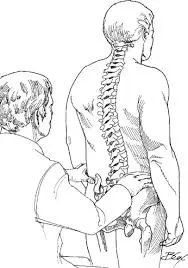
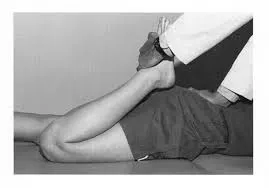
- The patient is calm and lies prone (face down) on the examination table.
- The examiner stabilizes the vertebral segments anteriorly by applying light but strong pressure with one hand to the lumbar spine’s posterior surface.
- The examiner uses the other hand to flex both of the patient’s knees passively, gradually moving the heels toward the buttocks until they contact them.
- When the knees are fully flexed, this combined action causes hip extension, which results in lumbar hyperextension. The posterior components of the spine are stressed by the hyperextension movement, which may also result in shearing pressures at unstable regions.
What does a Positive Pheasant Test Mean?
The test is deemed successful if this motion replicates pain or radiating symptoms in one or both legs.
A positive Pheasant Test result indicates:
Lumbar segmental instability, nerve root irritation, or compression is frequently used for disorders including disc disease, facet joint irritation, or spondylolisthesis.
Limitations and Considerations
Sensitivity and Specificity
- The Pheasant test should not be used alone, as is the case with many orthopedic provocative tests.
- It needs to be combined with the patient’s history, imaging, and further clinical findings.
- Patients with tight rectus femoris or hip flexors may have false positives.
Contraindications
- Acute lumbar injury
- Severe osteoporosis that is known
- Tumor or active infection
- Severe radiculopathy accompanied by neurological impairments.
Safety Considerations
- The technique should be applied gradually and softly.
- If you have significant discomfort, stop right away.
- Talk to the patient during the examination.
- Make sure the patient is relaxed and has enough table support.
FAQs
What do pheasants test?
The Pheasant Test, sometimes called the Prone Instability Test, is a clinical examination method used to evaluate nerve root irritation or lumbar spinal segmental instability caused by hyperextension of the lower spine.
What sleeping posture is best for L4 and L5?
If done correctly, side sleeping can alleviate L4-L5 pain. A cushion between your knees keeps your hips straight and relieves spinal strain. Side sleepers should use a firm cushion between their knees to keep their hips in proper alignment.
What is Marie Strümpell’s Disease?
Marie-Strümpell disease, often known as ankylosing spondylitis (AS), is a chronic, progressive inflammatory spondyloarthropathy affecting mostly the axial skeleton. It usually starts in early adulthood and is followed by low back aches, pains, and ultimately spinal ankylosis.
What does a positive prone instability test represent?
A positive prone instability test indicates that the patient might benefit from spinal stability. This test is part of a series of indications and symptoms related to segmental instability, which may improve with stabilization exercises.
References
- OrthoFixar. (2025, October 24). The pheasant test. OrthoFixar Orthopedic Surgery. https://orthofixar.com/special-test/pheasant-test/
- Ladva, V. (2023, September 3). Special test for the Lumbar Instability – Mobile Physiotherapy Clinic. Mobile Physiotherapy Clinic. https://mobilephysiotherapyclinic.in/special-test-for-the-lumbar-instability/