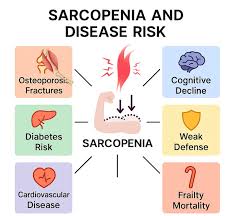
Sarcopenia
What is Sarcopenia?
The progressive loss of muscular mass, strength, and athletic performance that occurs with aging is known as sarcopenia. It can make daily duties more difficult and has an impact on your musculoskeletal system.
- Insufficient muscular mass
- Insufficient muscular power
- Poor physical performance
Symptoms and causes
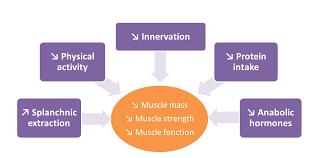
Symptoms
Muscle weakness is the most typical sign of sarcopenia. Additional symptoms and indicators might be:
- Diminished power
- Having trouble doing our everyday tasks
- Walking leisurely
- Having trouble going up stairs
- Falling and insufficient balance
- reduction in muscle mass
Causes
- Main cause of Sarcopenia – Aging
Your body changes as you get older, affecting your muscles. Your muscles require protein to develop and heal, but you don’t produce enough of it.
- Changes in hormones
- testosterone
- insulin-like growth factor (IGF-1)
Complications of sarcopenia
- Fractures and Falls
- Loss of autonomy
- Infections linked to healthcare (HAIs)
- An increased chance of problems following surgery
Diagnosis
In addition to examining you, your healthcare professional will inquire about your symptoms. Based on your self-reported symptoms, you could fill out a questionnaire. This is known as the SARC-F, which stands for:
- S stands for strength.
- A—Help with walking
- R: Getting up from a seat
- C: Going up stairs
- F: Falls
- You provide a number between 0 and 2 to each component. Ten is the highest possible SARC-F score. You require additional testing if your SARC-F score is 4 or above.
Tests
The handgrip test:
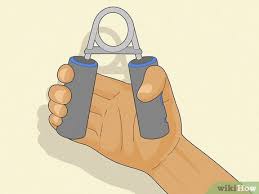
gauges how firmly you can squeeze your hands. Your grip strength might also reveal the strength of your other muscles. It is used by healthcare professionals to assess general muscular weakness.
Chair stand test:

This test is used by healthcare professionals to measure the strength of your leg muscles, particularly your quadriceps. It keeps track of the number of times you are able to stand and sit in a chair without using your arms in 30 seconds.
Walking speed test:
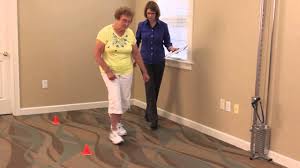
This test determines how long it takes you to walk 4 meters, or roughly 13 feet, at your typical pace.
The timed-up and go test (TUG) gauges how long it takes you to get up from a chair, walk three meters (about ten feet) away from it, walk three meters back, and then return to the chair.
Management and Treatment
Physical activity:
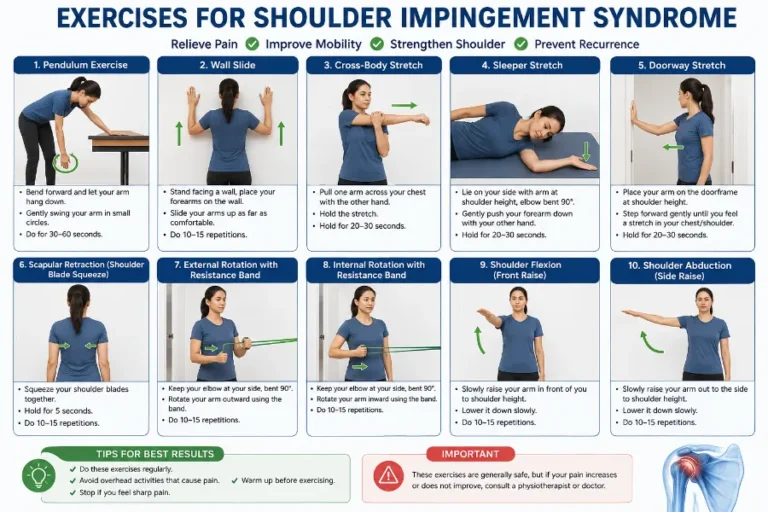
Resistance training might be suggested by your doctor. This type of workout involves stretching your muscles with resistance bands. It can help you gain strength and stop the loss of muscle.
Boost protein:
Your healthcare physician can also advise you to consume more protein overall through food and supplements. Additionally, this can aid in reversing sarcopenia’s consequences. Aim for between 20 and 35 grams of protein each meal.
FAQs
How can sarcopenia be avoided?
Sarcopenia, or age-related muscle loss, can be prevented or slowed down by concentrating on regular strength training two to three times a week, increasing daily protein intake to per kilogram of body weight, as well as preserving sufficient amounts of vitamin D. Staying hydrated, eating omega-3 fatty acids, and getting seven to nine hours of sleep are also crucial tactics for muscle recovery.
Can elderly people regain lost muscle mass?
Indeed, seniors who regularly engage in resistance training and increase their protein consumption can restore lost muscle mass well into their 80s and 90s. Sarcopenia, or age-related muscle loss, is normal but mostly reversible; research indicates that the ability to develop muscle persists, enabling older persons to increase their strength, mobility, and independence.
What initial symptoms indicate a loss of muscle?
Your arms and legs may feel tingly, numb, or weak if you have limb muscle atrophy. Your facial muscles may become weak if you have atrophied muscles in your throat or face, making it harder for you to swallow or talk.