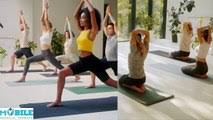
Dolphin Pose (Catur Svanasana)
Introduction:
Dolphin Pose (Catur Svanasana) is a powerful yoga posture that strengthens the shoulders, arms, and core while improving flexibility in the spine and hamstrings.
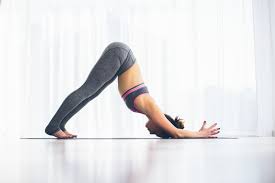
The Dolphin Pose (Catur Svanasana) is a more difficult and profound variation of Adho Mukha Svanasana (Downward Facing Dog Pose), in which the forearms bear the weight instead of the hands.
As a result, students can gradually focus on stabilizing their hips and shoulders to achieve optimal comfort in this semi-inversion pose. Because it strengthens the shoulders and core, Catur Svanasana can be used as a preparatory or transitional pose for more difficult poses, such as Headstand or Forearm Stand (Pincha Mayurasana). The upper back, biceps, triceps, leg muscles, and pelvis are all strengthened when the forearms are on the ground.
Dolphin Pose is also known as the Ardha Pincha Mayurasana because, in addition to strengthening the arms and shoulders, it prepares the body for Pincha Mayurasana, also known as Feathered Peacock Pose. Additionally, this position greatly helps students understand alignment and mindfulness as a whole. The breath, body, and mind can be synchronized by placing the forearms parallel to the floor, rolling the shoulders back and away from the ears, aligning the shoulders above the elbows, pulling up the kneecaps (pushing the back knees), raising the hips (tailbone lifted and navel pulled in), and grounding the feet.
Catur Svanasana is frequently used in Vinyasa Flow yoga sequences, but it is primarily used in Hatha Yoga as a preparatory pose for Pincha Mayurasana or Sirsasana. Dolphin Pose, Downward Facing Dog Pose, Push Up Flow (Catur Svanasana Adho Mukha Vinyasa), Dolphin Pose Flow (Catur Svanasana Vinyasa), and even some deep core strengthening with Dolphin Pose Crunch Flow are examples of unique and entertaining yoga flows. However, since Dolphin Pose is a combination of Adho Mukha Svanasana and Phalakasana II (Forearms Phalakasana), these two base postures should be learned to prepare for Catur Svanasana.
Since variations of dolphin posture can be generated from dolphin pose, dolphin pose is regarded as a base pose. Dolphin Pose can be used in flow yoga sequences since it increases the body’s energy.
How to Do Dolphin Pose?
Only after thoroughly warming up their bodies should students try this pose. They can perform the Cat Cow Pose and other basic poses from the Full Body Yoga Sequence. As an alternative, you can warm up your body and begin your yoga practice with a few rounds of the Sun Salutation A (Surya Namaskar A). The Dolphin Pose can be practiced by following these steps:
From Child Pose:
- Start the pose by taking a few deep breaths in the Child Pose (Balasana). With your hips on your heels and your spine straight, raise your head and chest to enter the Thunderbolt Pose (Vajrasana).
- Using the right palm on the left elbow and the left palm on the right elbow, measure the elbows. Place your arms on the mat at a comfortable distance from your knees.
- Create a tripod by opening your arms and interlocking your fingers. Press your forearms into the mat, then pull your abdominal muscles in and raise your hips while maintaining your grasp on the mat with your elbows and palms. Raise your knees until they reach your toes. As much as possible, the knees should remain straight. A person with tight hamstrings can maintain a modest bend in their knees.
- Make your forearms parallel to the mat and to each other by unlocking your palms. The spine and head are straight.
- The spine remains neutral while the head aligns with the upper arms. Hold the position for at least six breaths while breathing continuously. Pull the kneecaps toward the thighs to keep the legs engaged and maintain the position.
- To stabilize, firmly contract your core while maintaining your shoulders away from your ears and pressing your elbows and heels toward the mat (the heels don’t have to contact the floor). Additionally, the upper arms are maintained away from the ears to prevent needless strain on the shoulders and neck.
- As you exhale and rest in the Child posture, let your knees return to the floor to exit the posture.
From Table Top Pose:
- Start by taking the Table Top Pose while on all fours (two palms and two knees).
- The knees should be hip-width apart, while the hands should be shoulder-width apart.
- The fact that the palms and shoulders are in a single line is another crucial alignment to observe. Knees and hips are aligned.
- One by one, lower each elbow onto the mat so that the shoulders and elbows form a single line.
- Curl your toes in, press your forearms—palms and elbows included—into the mat, then lift your knees and straighten your legs as you inhale—the head and upper arms line up. Look down. Push the heels in the direction of the mat while simultaneously extending the hips.
- For five to eight breaths, maintain the pose. Don’t push it, please.
- To exit the pose, lower your knees to the mat and return your hips to the Child Pose, landing on your heels.
Benefits of Dolphin Pose:
Dolphin Pose has distinct advantages, whether performed as part of a vinyasa yoga sequence, another yoga sequence, or a specific theme. Below is an explanation of these advantages:
- Dolphin Pose stretches, strengthens, and lengthens the arms, shoulders, upper back, and legs (particularly the hamstrings). It is a great position for building forearm strength, which is necessary for more complex arm balances and inversion poses. Additionally, because this posture focuses on developing strength, stability, and flexibility to the spine, hamstrings, calves, and arches, consistent practice can help students avoid injuries.
- Chest, Diaphragm, and Breath: As the chest and diaphragm are engaged, students should focus on their breathing exercises. The chest is wide and expansive when doing this stance. If the pose is maintained for longer periods and practiced regularly, the muscles surrounding the chest can be strengthened. Another benefit of this pose is that chest expansion allows the lungs to breathe more deeply.
- Awareness and Focus: Many advanced inversion yoga postures begin with the Dolphin Pose, which enhances awareness of the core (pelvic muscle contraction), hamstrings, shoulders, and spinal alignment.
- Alignment and Posture: Students can practice the Dolphin Pose to improve spinal alignment, especially if they lead a sedentary lifestyle or are glued to screens. By pressing the palms together with the forearms on the floor, one can further open the shoulders.
- Energizing, De-stressing, Relaxing: Students may experience increased blood flow to the brain in the Dolphin Pose because the head is below the heart, which can be highly upsetting on both mental and physical levels. It offers numerous mental health benefits and is thought to help reduce fatigue. Improvements in moderate depression and insomnia symptoms, memory, focus, awareness, nervous system stimulation, and stress and anxiety reduction are all possible outcomes for students.
- Stimulation and Organs: The Dolphin Pose improves the body’s metabolism and digestion by stimulating the activity of abdominal muscles and organs, including the liver, intestines, and kidneys. It can also be a fantastic addition to yoga poses that target belly fat reduction.
- Therapeutic, Healing, and diseases: Because the heart is positioned above the head, blood flow is reversed, supplying the brain and other essential organs with fresh blood and oxygen. This contributes to better overall bodily health and functioning. Regular Dolphin Pose practice has been shown to improve sleep quality on a therapeutic level. By reducing stress and moderate depression and soothing the brain, it helps pupils combat insomnia.
- Others: A fantastic addition to children’s yoga poses is the dolphin pose. Kids enjoy learning more about their favorite animals, and sharing fascinating information about dolphins or making up stories about them can make holding poses enjoyable.
- Preparatory Pose: Frequent Dolphin Pose practice improves the strength and awareness of the muscles in the arms, shoulders, back, and core. Advanced yoga positions that involve inversions, such as Pincha Mayurasana (Forearm Stand), Scorpion Pose, and Sirsasana (Headstand Pose), actively use these muscles. Dolphin position is a great preparation and transition position because a strong core helps maintain balance in these poses.
Contraindications of Dolphin Pose:
Dolphin Pose can be executed successfully with a few exceptions, which are listed below:
- Injury and Surgery: If you have a recent or ongoing shoulder, back, arm, or neck injury, you should avoid the dolphin pose. Additionally, before attempting this pose, a person with high blood pressure should speak with a qualified yoga therapist. Students with ear or eye infections should avoid this posture, as downward blood flow could irritate these areas.
- Diseases and Physical Strength: It may be recommended to keep the knees slightly bent or down on the mat for someone with weak knees, a lower back, or really tight hamstrings. Additionally, during the Dolphin Pose, a wider stance with the knees will help keep the lower back neutral.
To relieve neck strain and build strength in this position, students with a stiff neck or other neck strain can place a pillow or blanket under their heads. Additionally, some practitioners—especially those who wish to hold the pose for an extended period—find that keeping a blanket beneath their elbows and forearms is more comfortable. - Lack of Body-Breath Connections: When entering and exiting the flow, students should be conscious of and knowledgeable about breath synchronization. Because this is an inversion-style yoga pose, a pupil may feel suffocated if they don’t know how to breathe.
Modifications of Dolphin Pose:
- If the feet don’t stay solid on the ground, use a blanket to support them.
- Use extra yoga mats or blankets to support the elbows.
- If the posture feels too demanding on the shoulders, use a cushion or yoga block to support the head.
- If the lower back is under too much strain, bend your knees.
Dolphin Pose Breath Awareness:
Students don’t have to exert any effort to breathe while they are adopting the posture. Students might be instructed to gradually pull their abdominal muscles in while in the pose and to release them as they exhale. This makes it easier to maintain abdominal tension and fosters a strong sense of core awareness, which is essential for many other challenging yoga positions. To get the most out of this pose, though, there are a few ways to maintain the breath-body connection:
- Breathe out as you lower your chest, keeping your neck relaxed.
- Breathe in and relax your body without significantly altering your alignment. Release the tense muscles in your legs and shoulders gently.
- Breathe out and deepen the position. Work your arms, shoulders, legs, pelvis, core, feet, and palms.
- Breathe in and out; stay in the pose as long as it feels good.
- Take a breath, relax your muscles, and raise your head.
- Breathe out, lower your knees to the floor, and relax in Balasana.
Conclusion:
Dolphin Pose is a strong and efficient yoga pose that increases flexibility in the hamstrings and spine while strengthening the arms, shoulders, and core. Additionally, it helps increase stability and gets the body ready for more difficult inversions.
Dolphin Pose is a useful addition to any yoga regimen, as it helps improve posture, reduce tension, and increase overall body awareness.
FAQs:
Is the Dolphin Pose suitable for beginners?
You only need to look at the dolphin posture! This revitalizing yoga pose improves flexibility and attention while strengthening your upper body and core. You can master the dolphin posture regardless of your level of yoga experience.
Does Dolphin Pose benefit your spine?
Dolphin Pose, a mainstay of many yoga poses, maintains a deep hamstring and spine stretch while promoting active engagement of the shoulders and core. It is a flexible stance for both beginner and experienced practitioners since it helps improve upper-body strength and body awareness.
What differentiates a dolphin from a downward dog?
By releasing the weight from your hands and wrists, the Dolphin Pose enables you to concentrate on lengthening your spine from your hips to your shoulders. Additionally, compared to some of the other options, you get more of the downward-facing dog’s inverted V form.
Why am I unable to strike the dolphin pose?
The heads of your upper arm bones tend to fall forward when your elbows spread, creating congestion around your neck and upper back, which is something you’ll want to avoid in Dolphin and other inversions. Lift your shoulders and hips up and away from the pose’s base by applying pressure from wrist to elbow.
Does the dolphin posture open your heart?
The dolphin position opens the Heart Chakra (Anahata). In particular, this deep shoulder-opening stance creates space between the shoulder blades behind this energy point. Dolphin is a great pose for becoming more open to love, as it represents the receptive half of the heart.
Why is the Dolphin Pose difficult?
It’s a difficult position that requires flexibility in the hamstrings, chest, and shoulders, as well as strength in the arms, shoulders, and core. These things all require time.
Does Dolphin Pose help with anxiety?
To discover integrity and support for inversions, strengthen and stabilize your shoulders. This pose will help you feel better when you’re feeling down and relieve tension and anxiety! To increase your body’s overall range of motion, practice this stance.
Does Dolphin Pose help you sleep better?
Regular Dolphin Pose practice has been shown to improve sleep quality on a therapeutic level. By reducing stress and moderate depression and soothing the brain, it helps pupils combat insomnia.
Is the Dolphin Pose suitable for beginners?
You only need to look at the dolphin posture! This revitalizing yoga pose improves flexibility and attention while strengthening your upper body and core. You can master the dolphin posture regardless of your level of yoga experience.
Why is Dolphin Pose so challenging?
Because they lack the strength to stay upright and the shoulder mobility to reach back, the majority of people collapse in the Dolphin. Warm-ups like puppy stance, prayer hands on blocks, and forearm cat-cow are therefore essential. Remember your lower body as well; a tight hamstring can cause you to get misaligned.
What does the Sanskrit Dolphin Pose mean?
Ardha Pincha Mayurasana
The Dolphin position, which is called Ardha Pincha Mayurasana in Sanskrit, represents the many lovely qualities of a dolphin. It improves hamstring flexibility, opens up the body, stretches and strengthens the upper body, and is a terrific way to prepare for advanced inversions like headstands.
What are the benefits of the Dolphin Pose?
Dolphin Pose, a mainstay of many yoga poses, maintains a deep hamstring and spine stretch while promoting active engagement of the shoulders and core. It is a flexible stance for both beginner and experienced practitioners since it helps improve upper-body strength and body awareness.
References:
- Dolphin Pose Yoga(Catur Svanasana)| Yoga Sequences, Benefits, Variations, and Sanskrit Pronunciation | Tummee.com. (n.d.). Tummee.com. https://www.tummee.com/yoga-poses/dolphin-pose
- Yoga Journal. (2025, March 26). Dolphin pose. https://www.yogajournal.com/poses/dolphin-pose-2/
- Shvasa Editorial Team. (2023, April 20). How to practice the dolphin pose? https://www.shvasa.com/yoga-blog/how-to-practice-dolphin-pose
- Dillon, J. (2020, January 22). How to do the dolphin Pose (Ardha Pincha Mayurasana). Liforme. https://liforme.com/blogs/blog/how-to-do-dolphin-yoga-pose?srsltid=AfmBOoo3i6901ny1DUfd5u9xIPAg7NIDN3AsW4fbfy-uLTZ5hzMFfWWI