5 Effective Yoga Poses to Combat Hyperlordosis
Introduction:
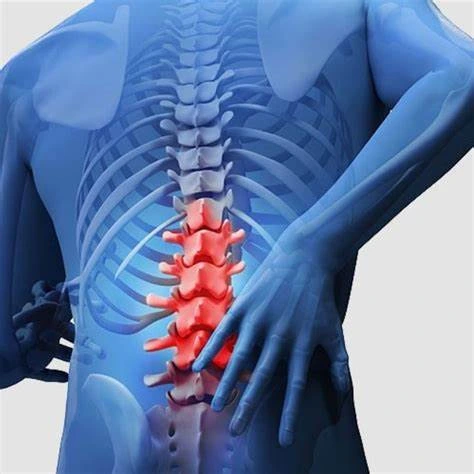
Hyperlordosis, commonly known as swayback, is a postural condition characterized by an excessive inward curve of the lower spine (lumbar region). This abnormal curvature places extra stress on the lower back muscles, ligaments, and spinal joints, often leading to pain, stiffness, and lower back pain. There ought to be a small but manageable curvature there. An excessively bent back can result in pain, spinal injury, and a protruding stomach.
Posture issues or certain muscular deficiencies are the root cause of many cases of hyperlordosis. Tight, rigid muscles in the front of the body and weak muscles in the back are common symptoms of hyperlordosis. Therefore, workouts that focus on the muscles of the back, thighs, and hips can be used to treat certain forms of hyperlordosis. This helps your muscles maintain the proper alignment of your spine.
5 Effective Yoga Poses to Combat Hyperlordosis Video:
Effective Yoga Poses for Hyperlordosis:
Cat-Cow Stretch:
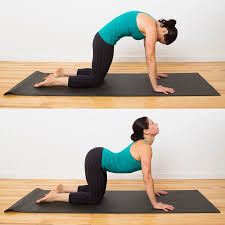
In yoga and therapy, the Cat-Cow Stretch is a mild spinal mobility exercise that enhances flexibility, posture, and core awareness. It entails moving fluidly between two poses—Cat Pose and Cow Pose—while synchronizing breath and movement.
Cow Pose helps counterbalance slouched posture and reduce stiffness in the neck and lower back by extending the spine, opening the chest, and rolling back the shoulders. The spine flexes, the chin tucks in, and the core engages as you exhale into Cat Pose, which improves spinal control and relieves stress along the spine.
Child’s Pose:
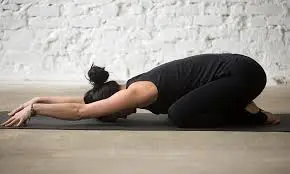
If putting your forehead on the floor hurts, place it on a block or two folded fists. An energy point in the center of the forehead, between the eyebrows, stimulates the vagus nerve and supports a “rest and digest” response. You can extend your arms in front of you with your hands facing the floor or draw them back beneath your thighs with your palms facing up. The elbows should be forced forward in this position. For as long as you like, reestablish the regular inhalations and exhalations of your breath.
Lying down in the proper position is the first step. If you have a yoga mat, you might wish to lie down on it. Bend your knees and place your feet close to your hips, keeping the distance between them hip-width. Make sure your fingertips touch the heels and that the soles are parallel to the knees. Keep the Iyengar yoga props close at hand and use them as mentioned above. Use a yoga block or bolster to ensure that your shoulders and spine are in alignment.
Plank Pose:

Planks improve the state of balance of your trunk muscles by strengthening your entire torso. On your stomach, lie flat on the ground. With your elbows under your shoulders, raise yourself on your forearms. Lift your hips off the ground and contract your abdominal muscles.
Try to maintain a single, straight line from your ankles to your shoulders. Focus on elevating your pelvis if it begins to slump. Hold each plank for as long as you can, or for 30 seconds. This is an activity you can do five times a day. Start with your feet on the floor and your forearms on a counter if it’s too difficult.
Bridge Pose:
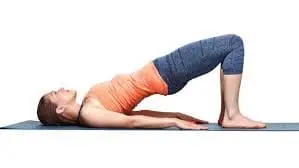
With your feet hip-width apart and your knees bent, lie flat on your back with your feet flat against the floor. With your hands pointing down, lower your arms to your sides. Raising your hips toward the ceiling while maintaining a straight line from your shoulders to your knees requires pressing through your heels. For two to three seconds, hold. Put your hips back on the floor gradually. Do this exercise ten to twelve times.
Seated Forward Bend:
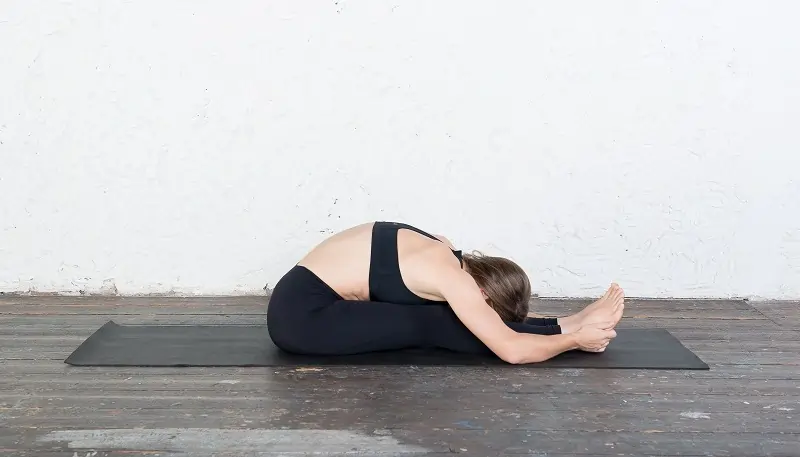
Extending your arms to the bend and up over your head while pressing toward the ceiling. With each exhalation, deepen your forward bend. This can help you keep your spine long.
Keep your neck as a natural extension of your spine rather than bending it to look up or letting it go completely. When you reach your greatest extension with the spine long, decide whether to stay in this position or let your spine circle forward.
Conclusion:
When the condition appears in adulthood, specific lifestyle factors are most likely the reason, even if it can be hereditary. Lower back pain and posture issues can frequently be reduced with regular exercise and a healthy weight. A doctor will examine the spine before making a diagnosis and creating a personalized treatment plan.
FAQs:
How much height does hyperlordosis cause you to lose?
When there is excessive lordosis, there is a noticeable curvature and additional space between the back and the surface when you slide a hand under the back. When standing, the buttocks and abdomen may protrude in a noticeable C-shaped arch. It is usual to lose up to six centimeters in height.
If you have lordosis, which muscles are weak?
The person eventually develops weak core muscles as a result of this postural condition. It primarily affects the obliques and transverse abdominals. The same issue will also affect other muscles, including the hamstrings and glutes.
Which hyperlordosis symptom is most prevalent?
Hyperlordosis, sometimes known as “swayback,” is the result of an excessive inward bend in the lower back. This may result in several symptoms, such as Lower back pain is a typical complaint, particularly when standing or sitting for extended periods of time.
Which muscles should be strengthened to achieve lordosis?
Strengthening the glutes, hamstrings, and abdominal muscles can help move the pelvis into normal alignment and improve lordosis, according to one case study. This can enhance performance, lessen pain, and make it easier to perform daily tasks.
Can hyperlordosis be treated by a chiropractor?
Your chiropractor may recommend certain workouts to balance muscle strength and treat hyperlordosis. To help the body progressively recover itself and develop muscle strength, these exercises must be performed as directed.
How quickly can lumbar lordosis be corrected?
Although stretching is frequently cited as the best treatment for lumbar lordosis, an increasing number of studies indicate that strengthening muscles is also crucial. The dead bug exercise is well known for strengthening the core.
Which sleeping posture is ideal for those with hyperlordosis?
When you have lumbar lordosis, how should you sleep? Lying on your back with a pillow under your knees is the ideal sleeping position if you have lumbar lordosis. It’s also advised to sleep in a fetal posture or on the side with a pillow between the knees.
Which muscles suffer from hyperlordosis?
The short muscles at the front of the hip, such as the rectus femoris and iliopsoas muscles, can become tight, and the muscles surrounding the trunk, such as the transversus abdominis and lumbar multifidus, can become weak.
How may hyperlordosis be avoided?
By maintaining proper posture, people can frequently avoid hyperlordosis. People can avoid stressing their necks, hips, and legs, which could cause issues later in life, by maintaining proper spinal alignment.
Which pose is best for treating lordosis?
By stretching the hamstrings and lower back, the happy baby posture releases tense muscles that may be a contributing factor to lordosis. Additionally, it fortifies the core muscles that sustain healthy spinal alignment.
Can hyperlordosis be treated with yoga?
People with hyperlordosis may benefit from practicing yoga. Certain yoga poses, like the cat-cow stance, child’s pose, and cobra pose, can help strengthen and stretch your back muscles, improving alignment and lessening the curvature of your spine. All you need is a yoga mat.
Is hyperlordosis a long-term illness?
Hyperlordosis is an irreversible condition. With the help of the proper procedures, it can usually be rectified. Exercises that specifically target the affected muscles can help manage the problem. Supporting pillows and ergonomic chairs are helpful resources for preserving good posture when sleeping and sitting, respectively.
In hyperlordosis, which muscles are weak?
For most people, the muscles most commonly affected by hyperlordosis are the core, hamstrings, glutes, hip extensors, lower back muscles, or pelvic floor muscles.
Can hyperlordosis be corrected?
Indeed, correcting hyperlordosis can be achieved by exercise and lifestyle changes:
Try to maintain a straight posture when standing and try not to bend your lower back too much.
Modify the way you sit and sleep.
Take part in exercises that stretch tense muscles and strengthen weak ones.
Try to maintain a healthy weight. You also ask for help from a physiotherapist.
Which yoga positions are useful for hyperlordosis?
This leads to pain and issues with posture. Therefore, one should do exercises that focus on strengthening the core and tight muscles. Exercises including planks, bridge posture, child pose, cobra pose, pelvic tilt, spinal flexion and extension, knee-to-chest stretch, and hamstring stretch are therefore possible.
References:
- Kakadiya, D., & Kakadiya, D. (2025, June 5). 5 Best yoga for hyperlordosis – Samarpan Physio. https://www.masterclass.com/articles/dumbbell-bench-presses. https://samarpanphysioclinic.com/yoga-for-hyperlordosis/
- Reid, R. (2025, March 19). 5 Best exercises to fix lumbar lordosis and Hyperextension. MoveU. https://moveu.com/blogs/news/5-best-exercises-to-fix-lumbar-lordosis-and-hyperextension?srsltid=AfmBOopqdm9xHDr6aR3LUVIAWawyOnbOzpFA73ilQDx0HmpWoSdSLuEc
- Upright. (2025, May 28). Lordosis Exercises: How to Fix Lumbar Lordosis with 8 Core Exercises. UPRIGHT Posture Training Device. https://www.uprightpose.com/blog/lordosis-exercises-back-relief-core-strength/
- WebMD Editorial Contributor. (2025, February 1). Best exercises for hyperlordosis. WebMD. https://www.webmd.com/back-pain/best-exercises-hyperlordosis
- Freutel, N. (2019, April 17). Core and hip exercises to correct lordosis posture. Healthline. https://www.healthline.com/health/fitness-exercise/lordosis-exercises