
10 Best Exercises for Carpal Tunnel Syndrome
Introduction:
Carpal tunnel Syndrome (CTS) is one of the most common nerve compression disorders, affecting millions of people worldwide. It occurs when the median nerve, which runs from the forearm into the hand through a narrow passage in the wrist called the carpal tunnel, becomes compressed or irritated. This pressure can cause symptoms such as numbness, tingling, pain, weakness, and difficulty performing everyday tasks like typing, gripping objects, or using a smartphone.
CTS can develop gradually and is often associated with repetitive hand movements, prolonged computer use, certain medical conditions such as diabetes or rheumatoid arthritis, pregnancy, and wrist injuries. Although it may start with mild pain, untreated carpal tunnel syndrome can worsen over time and lead to permanent nerve damage and loss of hand function.
The good news is that early diagnosis and appropriate treatment can significantly reduce activity modification, and physiotherapy exercises, medications, and, in severe cases, prevent complications. Treatment options range from wrist splinting to surgery. Stretching and strengthening exercises, combined with ergonomic improvements, can help relieve pressure on the median nerve and restore normal hand function.
The condition often develops gradually, with symptoms initially appearing at night or after long periods of repetitive hand use. As the compression worsens, the pain may become more frequent and interfere with work, sleep, and daily activities. Many people notice weakness in the thumb and fingers, making it difficult to grasp objects securely or perform fine motor tasks.
Regular stretching and strengthening exercises, combined with healthy workplace ergonomics and lifestyle changes, can play an important role in both treatment and prevention. Recognizing the early warning signs and seeking timely medical advice can help you recover faster and avoid permanent loss of strength or sensation in the hand.
Carpal tunnel syndrome is more common in women. This might be because women often have a smaller carpal tunnel than men. Alternatively, it can be due to the way hormones impact the carpal tunnel’s tendon sheath.
Conditions that damage nerves.
Conditions that cause inflammation. The tendons in the wrist may enlarge due to gout, rheumatoid arthritis, and other inflammatory diseases. The median nerve may be compressed as a result.
Medications. Anastrozole (Arimidex), a medication used to treat breast cancer, has been linked in certain studies to carpal tunnel syndrome.
Obesity. One risk factor for carpal tunnel syndrome is obesity.
Retention of fluid. The body may irritate the median nerve and raise the pressure inside the Carpal tunnel if it retains excess fluid. During menopause and pregnancy, this is typical. When carpal tunnel syndrome occurs during pregnancy, it usually resolves on its own.
Other health issues. Carpal tunnel syndrome may be more common in people with certain diseases, such as thyroid issues and renal failure.
Aspects of the workplace. Flexing the wrist repeatedly might put strain on the median nerve. Working on an assembly line or using vibrating tools are two examples. Additionally, such work could worsen a pre-existing nerve injury. If the task is done in a cold environment, the pressure on the nerve may be more severe.
However, there is conflicting data, and it has not been established that these variables directly cause carpal tunnel syndrome.
A possible connection between computer use and carpal tunnel syndrome has been a topic of several studies. Carpal tunnel syndrome may be linked to using a mouse, but not a keyboard, according to some research. Computer use his nota risk factor for carpal tunnel syndrome.
Management and treatment:
Non-Surgical treatment:
The most popular treatments for carpal tunnel syndrome include changing your daily schedule, strengthening and supporting your wrist, and taking medication:
Wearing a splint will relieve pressure on your median nerve by keeping your wrist in a neutral posture, especially at night.
Modifying your posture or workspace: An occupational therapist can offer advice on how to change your daily routine so that you can move more comfortably and securely. You may need to adjust your keyboard position, sit or stand differently, or make other postural adjustments.
Over-the-counter drugs: To lessen pain and inflammation, your doctor may recommend paracetamol or NSAIDs. Consult your doctor before using these medications for longer than ten days in a row.
Corticosteroids: Prescription drugs that reduce inflammation are known as corticosteroids. Cortisone injections may be provided by your physician to treat your carpal tunnel syndrome.
Physical Therapy Exercises for Carpal Tunnel Syndrome
Tendon Glide
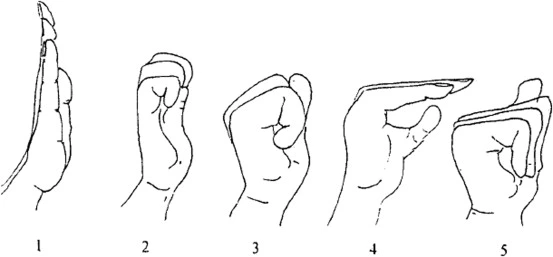
The tendons of the carpal tunnel are stretched by this workout. Tendon gliding exercises and the use of a splint have been shown to improve carpal tunnel syndrome.
How to do
- To make your right forearm point straight up, bend your elbow.
- All of your fingers should point straight up when you straighten them and extend your thumb.
- To create a hook, bend the tips of your fingers.
- Put your thumb on top of your fingers and bend them into a tight fist
Hold/Repetition: For three seconds, hold each stance.
Median nerve glide

The goal of median nerve glides, also known as nerve flossing, is to facilitate the median nerve’s easy passage through surrounding tissues. They can lessen tingling, numbness, and wrist pain caused by conditions like carpal tunnel syndrome. Stretch only within a comfortable range, move carefully, and stop if you experience severe pain.
How to do:
- With your thumb on the outside, tighten your fist.
- Extend your thumb and fingers by loosening them.
- Extend your thumb to the side after bending the hand back toward the forearm.
- Put pressure on the thumb with your other hand.
Hold/Repetition:
- For five seconds, hold each position.
- On the other hand, release and repeat.
If you have carpal tunnel syndrome, these are all great exercises to try at home. Before beginning any of these activities, like with any new fitness routine, you should speak with your physician. Stop doing these exercises right away if they cause you any pain.
Wrist Rotation
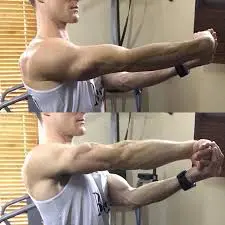
An easy mobility exercise that increases blood flow, reduces stiffness, and increases joint flexibility is wrist rotation. This workout is simple to perform while standing or sitting at your workplace or at home.
How to do:
- With your shoulders relaxed, choose a tall seat or stand.
- You can either bend your elbows at a 90-degree angle at your sides or hold your arms straight out in front of you.
- Using both hands, form a loose fist.
- Roll your wrists slowly in five to ten gentle, clockwise revolutions.
- For a further five to ten gentle circles, turn your wrists counterclockwise in the other direction.
- Only move your hands and wrists; do not move your elbows.
Hold/Repetition:
- To rotate your wrists, just move your hands up, down, left, and right.
- Up to four times, repeat.
Stretch your thumb

How to do:
- Push your thumb back with your other hand until you feel a slight strain.
- This stretch may help lengthen the hand’s muscles, tendons, and other soft tissue structures since the thumb and fingers may become stiff.
- The patient begins by sitting comfortably.
- The fingers are extended backward to gently stretch them.
Hold/Repetiton: Up to four times, repeat.
Stretching in prayer

How to do:
- Place your hands together behind your chin to form a praying pose.
Keeping your palms together, lower them to your waist until you feel a mild stretch.
Hold/Repetition:
- Up to four times, repeat.
- Hold for a maximum of thirty seconds. Do this two or four times.
Stretch your wrist flexors
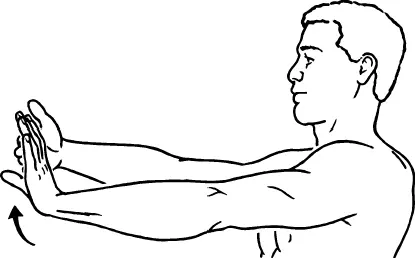
Some professionals advise doing this stretch many times a day. Doing this before any activity that could complicate your carpal tunnel syndrome may be a good idea.
- Stretch your hand out in front of you, palm up.
- Drop your hand back toward the floor to extend the palm side of your wrist.
Bend your hand back even more with your other hand to increase the extent of the stretch.
Hold/Repetiton:
- Hold for a maximum of thirty seconds.
- Repeat two to four times, timing each repeat on each hand.
Stretch for the wrist extensors

Experts also suggest doing this exercise many times a day, especially before doing activities that worsen carpal tunnel syndrome.
How to do:
- Turn your palm down and extend your hand in front of you.
- As you drop your hand toward the floor, extend the back of your wrist.
- Bend it further forward with the other hand to improve the stretch.
- Sit down at a table, place your elbow and arm on the table, and extend your wrist over the surface, palm up. To start, place your hand in a straight position.
- Bend your hand toward yourself, pointing your fingers up toward the ceiling.
- For five seconds, hold. Return to a straight position.
- Bend your hand away from you and point your fingers down toward the floor.
Hold/Repetition:
- Hold this position for up to 30 seconds.
- Repeat two to four times on each hand.
Resistance of the Wrist
How to do:
- Take a seat at a table.
- Place your wrist and forearm on a table with your palm facing down and your hand off the side.
- Place your other hand over your fingers at a 90-degree angle to create a positive sign.
- Using your upper hand to resist, raise your lower hand.
- This will be felt in your forearm muscles.
Hold/Repetition: Several times a day, repeat.
Wrist curls
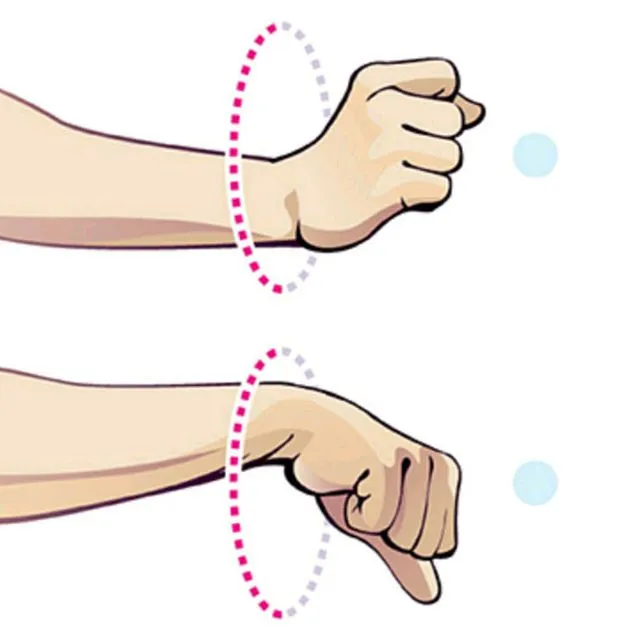
How to do:
- You can stand or sit for this one.
- Get a one-pound weight or a can of beans.
- Keeping your elbows at your sides, raise your forearm until your arm forms an L shape.
- Ensure that your forearm is in position parallel to the floor.
- Start with your wrist straight and neutral, and your palm facing down.
- Keeping your forearm parallel to the ground, let your hand drop toward the floor.
- Lift once more.
- Go back to a neutral, straight position.
Hold/Repetition:
- Ten times over, repeat.
- Do this up to three times a day.
Hand Grip Exercise
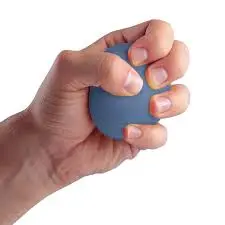
Squeezing a tennis ball, stress ball, or spring-loaded hand gripper is a handgrip exercise that helps strengthen your fingers, hands, wrists, and forearms. You can execute sustained holds, controlled negative releases, or regular squeezes two or three times a week.
How to do:
- Squeeze a pair of rolled-up socks or a soft rubber ball.
- Do this up to three times a day.
Hold/Repetition:
- Hold for five seconds.
- Ten times over, repeat.
The Fist to Stop Sign

How to do:
- Make a fist with your arms outstretched in front of you.
- As if you were commanding someone to stop, spread your fingers until they point toward the ceiling.
Hold/Repetiton: Do this five to ten times.
How quickly will you feel better following treatment?
As soon as you begin carpal tunnel therapy, you should begin to feel better. Nonsurgical methods to relieve the strain on your median nerve may take several weeks or more, but your symptoms should progressively improve.
As soon as your wrist recovers, carpal tunnel surgery should reduce your pain. Recovery often takes a month or two.
Prevention:
The following activities can lower the chance of acquiring CTS:
Modifying the workstation to reduce unnatural and stressful wrist positions; resting and taking frequent breaks when performing routine tasks, to protect against the long-term effects; treating any underlying conditions, such as establishing good glucose management to help prevent the complications of diabetes; sleeping and working with the wrists straight; not gripping too hard when performing manual tasks; and avoiding overbending the wrists, for example, all the way down or up.
Stretch your hands and wrists both before and after vigorous physical activity. Put on the appropriate safety equipment for every task or activity. When working with your hands, take regular rests.
Conclusion:
The symptoms of CTS, a prevalent illness, may begin slowly. Over time, CTS can cause severe pain and numbness in the fingers, hand, and arm if therapy is not received.
Home cures for mild kinds of CTS include applying cold, reducing repetitive motions, and using over-the-counter painkillers. Surgery or steroid injections may be necessary for more severe cases of the illness.
If someone thinks they might have CTS, they should see a doctor since prompt diagnosis and appropriate treatment can help prevent problems and provide relief sooner.
FAQs:
What is the most effective way of treating carpal tunnel syndrome?
The severity of your symptoms depends on the “best” course of action. The best first measures for moderate cases are activity modification and wrist splinting. While severe or chronic conditions require carpal tunnel release surgery for long-term relief, moderate cases frequently respond well to corticosteroid injections.
What are five symptoms of carpal tunnel syndrome?
When the median nerve is compressed in the wrist, carpal tunnel syndrome develops. Here are five typical symptoms: Numbness or Tingling: A “pins and needles” sensation or numbness in the middle, thumb, index, and ring fingers.
Shock-like Sensations: Sudden, complete sensations that radiate into the fingertips.
Hand Weakness: A weakening of the grip that can cause clumsiness and frequent object dropping.
Radiating pain is a burning or painful feeling that moves up the forearm from the wrist.
Wrist pain, tingling, or numbness that frequently disturbs sleep and is worse when your hands are flexed are examples of nighttime pain.
Which finger is affected by carpal tunnel syndrome the most?
The thumb, index, and middle fingers are most frequently affected by carpal tunnel syndrome. This is due to the compression of the median nerve, which gives these specific digits and the thumb-side part of the ring finger feeling and movement, but never the little finger.
What is Stage 3 carpal tunnel syndrome:
Chronic compression of the median nerve is a typical symptom of stage 3 carpal tunnel syndrome, which is frequently considered the worst stage of the illness. Pain, tingling, and numbness become almost continuous at this point. It typically results in severe functional dysfunction, such as visible muscle wasting at the base of the thumb, difficulty completing fine motor skills, and severe grip weakness.
Reference
- Brazier, Y. (2023, November 29). Carpal tunnel syndrome: What you need to know. https://www.medicalnewstoday.com/articles/184337
- Carpal tunnel syndrome. (n.d.). Arthritis UK. https://www.arthritis-uk.org/information-and-support/understanding-arthritis/conditions/carpal-tunnel-syndrome/
- Healthdirect Australia. (n.d.). Carpal tunnel syndrome. Symptoms, Treatment and Causes | Healthdirect. https://www.healthdirect.gov.au/carpal-tunnel-syndrome