Optic Nerve
Introduction The optic nerve is the second cranial nerve (CN II) that transmits visual information. The optic nerve has only afferent (sensory) fibres and, like all cranial nerves, is paired.…
Introduction The first and smallest cranial nerve is the olfactory nerve. This nerve is one of two that do not connect to the brainstem. Your olfactory nerve anatomy is part…
Finger pain is a prevalent issue that is commonly caused by hand injuries such as fractures, cuts, or broken nails. It can also be a symptom of underlying medical conditions…
Introduction The facial nerve is also called the seventh cranial nerve (CN7). This nerve has two main functions. It transmits sensory information from the tongue and the inside of the…
The teres minor muscle is a small yet vital muscle located in the posterior shoulder region. Together with the infraspinatus muscle, it forms part of the rotator cuff, a group…
The teres major muscle, despite its relatively small size, plays a significant role in the movement and stability of the shoulder joint. Situated in the upper back region, it forms…
The trapezius muscle is one of the major muscles of the upper back and neck region in humans. It is a large, triangular muscle that extends from the base of…
Introduction The hamstring vs quadriceps are two of the most significant muscle groups in the human body, which are essential for both movement and sports performance. The hamstrings are three…
The sartorius muscle, often referred to as the "tailor's muscle," is the longest muscle in the human body, running from the anterior superior iliac spine (ASIS) of the pelvis to…
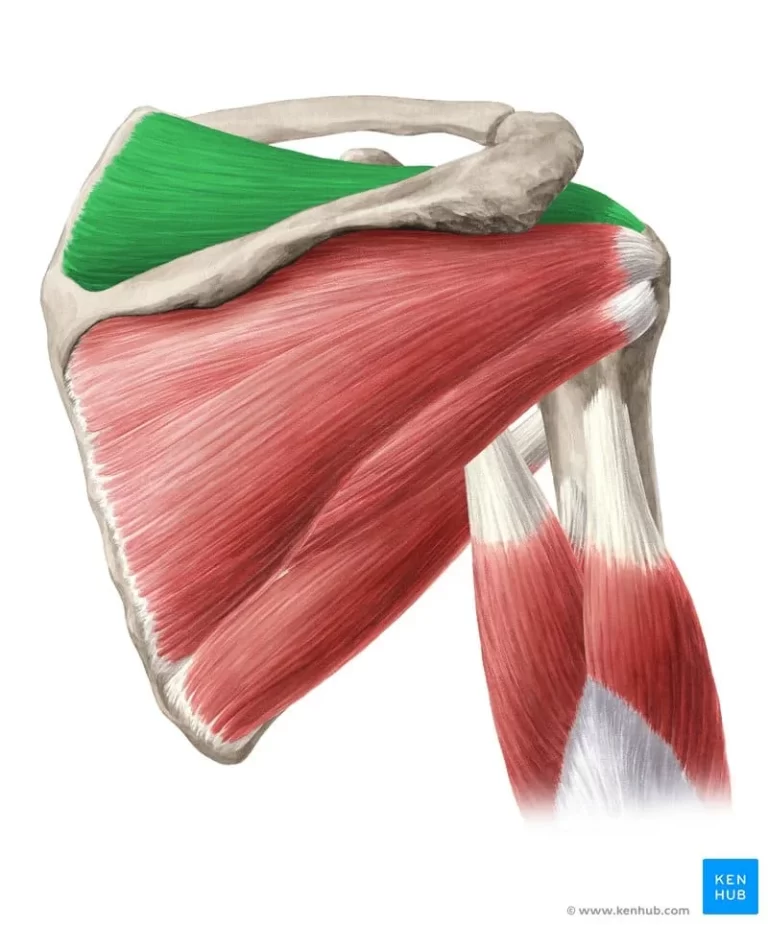
What Is The Infraspinatus Muscle? The infraspinatus muscle is a key anatomical structure located in the shoulder region of the human body. It is one of the four muscles that…