15 Best Exercises For Trigger Finger
Introduction:
Trigger finger is a common hand condition that causes one or more fingers to become stiff, painful, or locked in a bent position before suddenly straightening with a snapping sensation. It occurs when the tendon that bends the finger becomes inflamed or irritated, making it difficult for the tendon to glide smoothly through its protective sheath.
Performing the right exercises can help improve finger mobility, reduce stiffness, increase flexibility, and support the healing process. Gentle stretching and tendon-gliding exercises are often recommended during the early stages of trigger finger or as part of a rehabilitation program. These exercises may also help reduce pain and improve hand function when combined with rest, activity modification, and appropriate medical treatment.
It is important to perform trigger finger exercises slowly and without forcing movement, especially if the finger locks or causes significant pain. If symptoms persist, worsen, or interfere with daily activities, consult a healthcare professional or physiotherapist for a proper evaluation and personalized treatment plan.
Trigger finger, also known as stenosing tenosynovitis, is a condition that affects the tendons responsible for bending the fingers or thumb. When these tendons become irritated or inflamed, they can no longer glide smoothly through the tendon sheath. As a result, the affected finger may become stiff, painful, catch during movement, or lock in a bent position before suddenly snapping straight. Although trigger finger can affect anyone, it is more common in people who perform repetitive gripping tasks, individuals with diabetes or rheumatoid arthritis, and adults over the age of 40.
Fortunately, gentle hand and finger exercises can play an important role in managing trigger finger, particularly in its early stages. Regular stretching and tendon-gliding exercises help maintain flexibility, improve tendon mobility, reduce stiffness, and enhance the affected finger’s range of motion. These exercises also promote blood circulation to the surrounding tissues, which may support healing and decrease pain over time.
The phases of trigger finger:
- When the bulging tendon rubs against the pulley at the base of your finger or thumb, you may initially notice that it hurts. This may give you a little nodule.
- In the following phase, you will begin to experience triggers. When you bend your finger into a fist, it catches or “triggers” when you try to straighten your hand, but you can still straighten it on your own.
The finger remains bent and is trapped in this position when you try to open it after bending or closing your hand. To straighten your finger, you must use your other hand. - In the last phase, your finger becomes stuck, and you are unable to open it at all, not even with the other hand.
Treatment:
It’s important to discuss other treatment choices with your orthopedic doctor if exercises and at-home care don’t offer sufficient relief. We provide a variety of therapies at Orthopedic Specialty Institute that are customized to your unique situation.
Splinting
One non-invasive therapy option is splinting, which involves wearing a splint at night to keep the affected finger straight. This gives the tendon time to repair by reducing inflammation and allowing it to rest. For mild to moderate cases of trigger finger, splinting works especially well, and many patients get substantial relief from this straightforward treatment.
Physical therapy exercises
Passive stretching. Holding your forearms parallel to the floor and your palms together, start this stretch. The tips of your fingers should be in front of your chest and just below your chin. Keeping your hands together, slowly bring them down to your waist. Hold for ten to fifteen seconds. Your fingers and wrists should feel stretched.
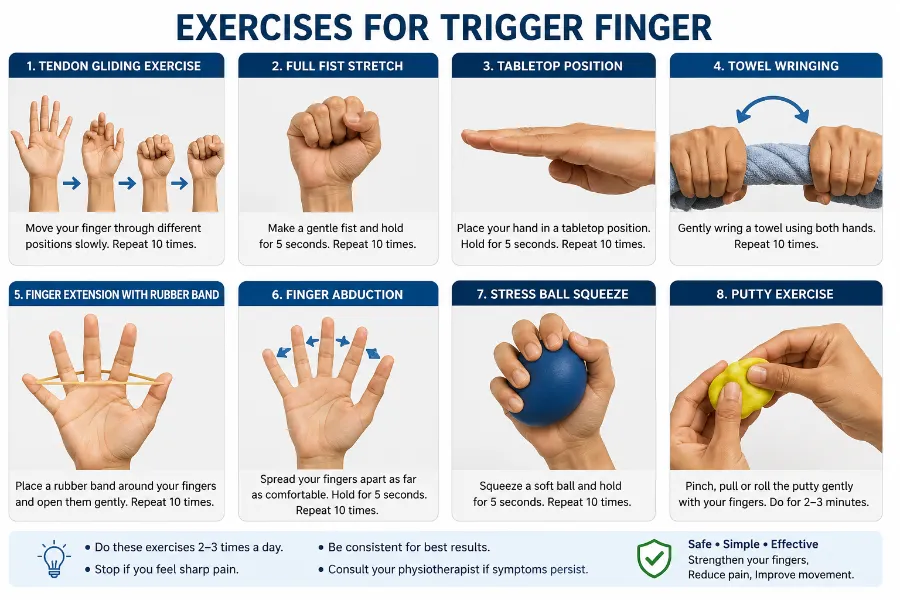
Ball squeezes
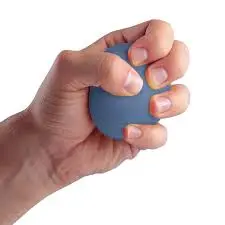
You’ll need a tiny, squishy ball for this activity. They are frequently called “stress balls.”
How to do:
- With your palm toward the ceiling, extend your hand and pick up a stress ball.
- For additional support, you can place this hand on top of the other.
- For two seconds, give the ball a firm squeeze.
- Open your fingers wide to let go.
- This is considered a single repeat.
Hold/Repetition: hold for 3 to 5 seconds and repeat 10 to 15 times
Object pickups
Focusing on picking up little things will assist in improving your dexterity and overall hand function, which is typically prevented by trigger finger.
How to do:
- Place a variety of 10 small things, such as coins, buttons, and tweezers, on a table.
- Pick up one thing at a time by grasping it with your affected finger and thumb.
- Transfer the item to the other side of the table.
Hold/Repetition: Repeat with each object.
Finger extensor stretch
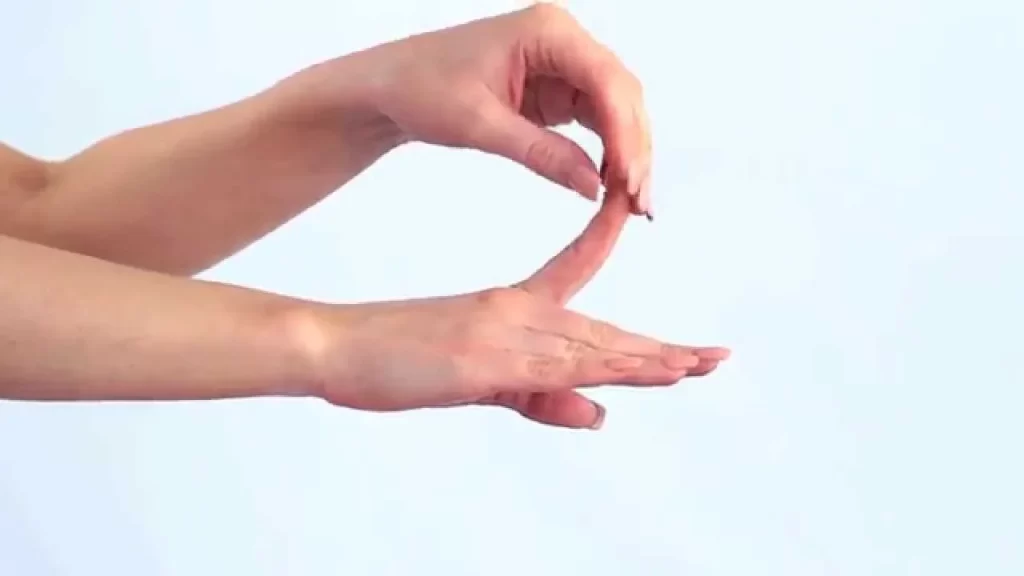
The affected finger’s range of motion may be improved with this exercise.
Make sure you’ve warmed up your fingers with the previous hand gliding exercise before starting this one. Additionally, avoid pulling the finger back too far since this might result in harm.
How to do:
- Keep your hand extended flat, palm down.
- Using your other hand, slowly raise the affected finger.
- The remaining fingers should remain flat.
- Raise and extend the finger as high as it will go without expending any effort.
- This is considered a single repetition.
- This stretch can be applied to both your thumb and all of your fingers.
Hold/Repetition: After two seconds of holding it there, let it drop again.
Bend and extend your stiff wrists.
Simple bending and extension exercises may reduce joint stiffness and increase finger mobility.
How to do:
- With your thumb pointing up, make a loose fist and rest the back of your hand on a table.
- Hold the position for two seconds after bending your wrist to bring your fingers closer to your torso.
- Allow your wrist to return to its initial position by relaxing it.
Hold/Repetition: hold for 2 seconds
Elastic bend finger spread
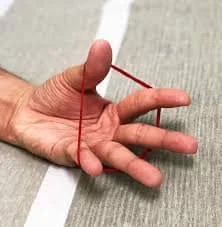
You’ll need a rubber band or hair elastic for this exercise. As you gain strength, start with a lighter resistance band that is lighter.
How to do:
- Pinch the tips of your thumbs and fingers.
- Wrap your fingers in an elastic band.
- To tighten the band, slightly slide your fingers away from your thumb.
- Bring your thumb and fingers back to the starting position after extending them.
- As you do this, you should sense strain in the elastic.
Hold/Repetition: repeat 10 to 15 times.
Wrist Bend from Side to Side.
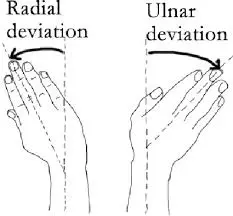
Wrist deviation, which includes radial deviation (moving toward the thumb) and ulnar deviation, is the medical term for bending your wrist from side to side.
How to do:
- Keep your wrist straight and place your palm down on a table.
- Hold the position for two seconds after bending your wrist as far to the right as you can.
- Put your wrist back in the middle and do it again with your right wrist.
- Once more, hold for two seconds before moving back to the middle.
- This action will cause your hand to rise, but pay more attention to the movement of your wrist than your hand.
Hold/Repetition: For each hand, repeat the stretch ten times
Stretch Your Bent Finger.
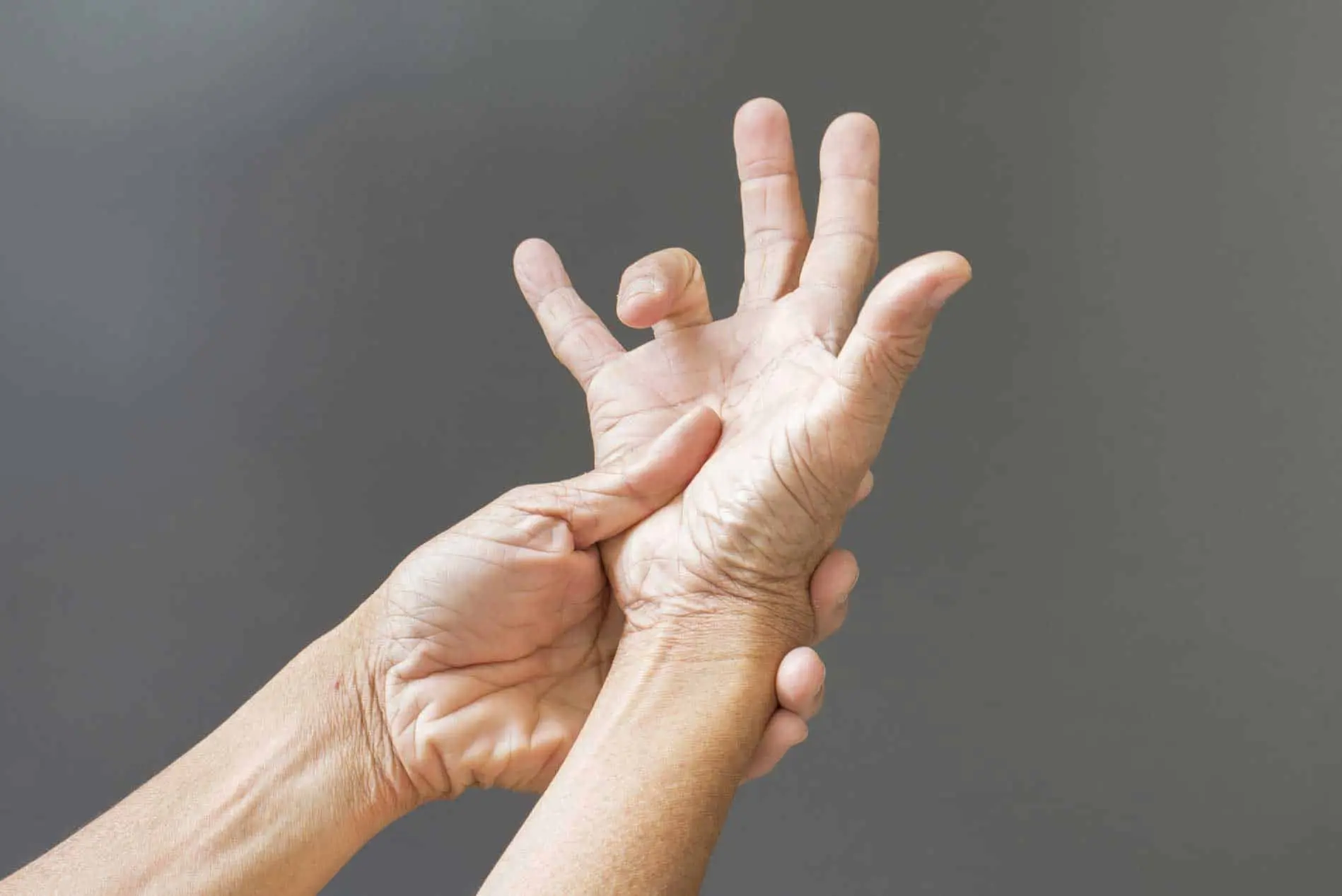
Do Tendon Gliding Exercises and mild stretches two to three times a day to help reduce trigger finger stiffness while improving movement. Start by warming your hand with warm water, stop if you experience intense pain, and refrain from active ball-squeezing or strong gripping since these actions might exacerbate inflammation.
How to do:
- Try to reach the tip of the index finger by bending the thumb toward the palm.
- Then maintain the position for ten seconds.
- With the remaining fingers, repeat the action.
- Once you’ve stretched your thumb as far as it will go, you might need to bring your fingers forward.
Hold/Repetition: Throughout the day, perform this stretch three or four times.
Using a Rubber Band for Resistance Training.

Elastic rubber bands called resistance bands are used for physical therapy, stretching, and strength training.
How to do:
- Make sure all of your fingertips are in contact as you pinch your thumb and fingertips together.
- Put a rubber band over the fingers and thumb.
- Verify that the rubber band provides a comfortable degree of resistance.
- Push against the rubber band with your open palm.
- As your hand gets stronger, you may use more rubber bands for resistance.
Hold/Repetition: Perform this exercise up to five times a day, ten times for each hand.
Stretching the Finger Extensor.
Stretching your fingers can help you become more flexible, reduce stiffness, and regain hand and finger movement.
How to do:
- On a table or other level surface, place your hand flat.
- Keeping the other fingers flat, carefully elevate the affected finger while holding it in your other hand.
- Raise the finger as high as you can without causing undue pain or strain.
- After a few seconds of holding the finger in the air, let it drop down to the ground.
- The thumb and all of your fingers can be stretched.
Hold/Repetition: Three times a day, complete one set of five repetitions.
Finger Abduction Variation One
The fundamental, unresisted movement of spreading the fingers straight apart on a level surface or carrying out isolated single-finger spreading exercises to increase hand mobility and ability is commonly referred to as finger abduction variant one.
How to do:
- Extend the affected finger and a normal finger while holding your hand in front of you.
- Gently push the extended fingers together while holding the two fingers together with your thumb and forefinger from the other hand.
- Anywhere you feel comfortable, you can grip the fingers.
- Using your opposing hand’s fingers as resistance, separate the first set of fingers.
- After a few seconds of holding the posture, go back to the beginning.
Hold/Repetition: Perform three times during the day and five times in a single session.
Finger abduction variation two
A specific secondary hand exercise or clinical testing posture where a single finger, like the ring or index finger, is isolated and pulled away from the hand’s midline against resistance is sometimes referred to as finger abduction variant two.
How to do:
- The inverse of Version One is this abduction.
- Rather than bringing the fingers together, split them out in a V, encircle them with your thumb and finger from your other hand, and then press them together.
Hold/Repetition: After one session of five repetitions, perform the stretch three times a day.
Finger curls
Finger curls are a focused strength workout that helps condition the finger flexor tendons, increase the size of the forearm muscles, and strengthen the crushing grasp. They are popular among climbers, powerlifters, and arm wrestlers since they can be done with a barbell, dumbbells, or cable machine.
How to do:
- Place the back of your hand on a level surface, such as a table.
- For this stretch, you might also want to place your elbow on the table.
- Make sure your palm is toward your body when you place your hand on the table.
- Make a loose fist with your hand, then gently uncurl your fingers and thumb simultaneously until they are fully extended.
- After two seconds of holding the stretch, return the thumb and fingers to a relaxed fist.
Hold/Repetition: two seconds of holding the stretch; do 10 times.
Tendon Gliding.
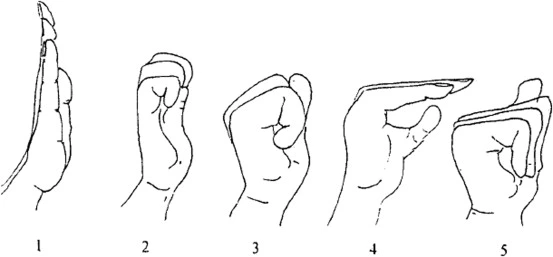
Several hand and finger movements known as “tendon gliding exercises” serve to help with the smooth movement of tendons beneath the surrounding tissues. They lessen swelling, alleviate stiffness from ailments like carpal tunnel syndrome, and stop the formation of scar tissue following an accident or surgery.
How to do:
- Spread your fingers as wide as you can at first, then bend them till your fingertips come into contact with the top of your palm.
- Bend your fingers to contact the center of your palm after straightening and spreading them out once again.
- Reopen them widely, then place your thumb on each fingertip and touch the bottom of your palm.
- Next, use your thumb to touch various areas of your palm.
Hold/Repetition: Twice a day, perform three sets of this.
Middle Joint and Fingertip Bends
You may increase your strength, flexibility, and mobility by performing targeted workouts with your fingers, middle joints, and resistance bands.
How to do:
- Using your opposing hand, grasp the fingertip immediately below the top joint.
- Return to the place after bending the fingertip while maintaining the stability of the remainder of the finger.
- Hold the finger just below the middle joint, fold it forward, and then put it back in place.
- Holding the finger just below the knuckle joint, bend both joints simultaneously to stretch them.
- The finger does not need to remain straight during either bend.
Hold/Repetition: At least twice a day, do these stretches.
Towel Squeeze:
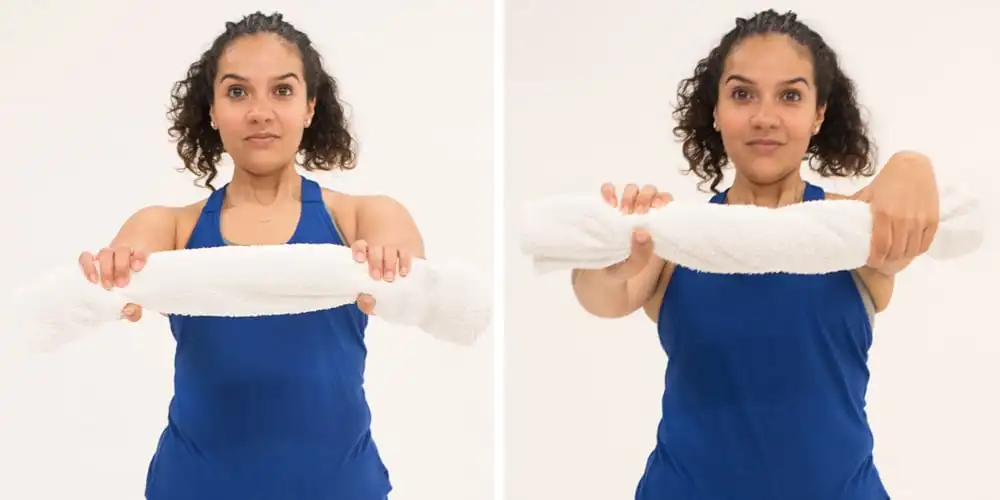
Gently squeezing a washcloth or stress ball in your palm increases strength without putting undue strain on your joint. It’s an easy approach to strengthen your finger flexors while you sit at your desk or watch TV.
How to do:
- To begin, grasp a tiny stress ball, washcloth, or towel in one hand.
- Squeeze the thing firmly with your thumb and all of your fingers.
- After five seconds of holding this grasp, slowly release it.
Hold/Repetition: Do this exercise ten times for each hand.
Home Remedies:
- Before trying any finger movement, consider getting a professional massage or doing a self-massage to soften up especially stiff places. This will reduce pain and catching.
- Finger motions should all be moderate and symptom-focused. Always base your decisions on your degree of comfort and pain.
- Using the opposite hand as a guide, begin with passive motion and increase to more aggressive movement as tolerated, depending on the extent of your injury.
- Before performing any of these exercises, see your doctor if you have rheumatoid arthritis, particularly if you are experiencing an active flare-up.
Trigger Finger Exercises That Are Safe and Effective
Extra care must be used when performing trigger finger exercises to avoid exacerbating symptoms that might lead to a locked finger. See your doctor or a hand expert right away if your symptoms worsen or if you have more pain, stiffness, or a general decline in your quality of life.
If not, make your own decisions about where to begin and how to go. You may optimize your recuperation by paying close attention to finger, hand, and wrist exercises.
Conclusion:
Trigger finger exercises are a simple and effective way to improve finger flexibility, reduce stiffness, and restore smooth tendon movement. When performed consistently and with proper technique, these exercises can help relieve pain, improve hand function, and support recovery, especially in the early stages of the condition. However, exercises should always be done gently and should never cause significant pain.
If symptoms persist, worsen, or the finger continues to lock despite regular exercise, it is important to seek evaluation from a healthcare professional. Combined with activity modification, proper hand care, and appropriate treatment, regular trigger finger exercises can help you regain comfortable movement and return to your daily activities with greater ease.
FAQs
Can a trigger finger be fixed with exercises?
Exercises are an essential component of treating pain and stiffness, but they often cannot treat trigger finger on their own. The majority of moderate to severe instances require medical intervention, such as splinting, corticosteroid injections, or a brief outpatient release operation, to obtain a full recovery, even if certain stretches assist tendons to slide more freely.
What is trigger finger’s main cause?
Trigger finger is a frequent finger ailment that causes pain, clicking, catching, and loss of motion in the affected finger. It is believed to be caused by inflammation and subsequent restriction of the A1 pulley.
Is trigger finger a permanent disease?
Stenosing tenosynovitis, the medical term for trigger finger, is a disorder that results in your thumb or finger catching or locking in a bent posture. For many, trigger finger starts as a little annoyance, but if left untreated, it can develop into major, long-term problems.
What are the four stages of trigger finger?
Green classification
Grade I: Soreness and pain in the palm at the A-1 pulley
Grade II: Digit capture
Grade III: Passively correctable digit locking
Grade IV: Locked, fixed digit
Which finger is most likely to have a trigger finger?
Trigger finger (stenosing tenosynovitis) most frequently affects the middle and ring fingers, with the thumb coming in second.
Reference:
- Clinic, O. (2026, February 22). Best exercises for trigger finger: Safe stretches to improve movement. Orthopaedic Innovation. https://www.orthopaedicinnovation.co.uk/best-exercises-for-trigger-finger-safe-stretches-to-improve-movement/
- Barrell, A. (2024, January 5). 12 trigger finger exercises. https://www.medicalnewstoday.com/articles/12-trigger-finger-exercises
- Dpt, J. V. P. (2020, March 27). Trigger finger exercises for pain relief. Vive Health. https://www.vivehealth.com/blogs/resources/trigger-finger-exercises?srsltid=AfmBOor3vN2YrYe5hB1NRbS7tJwP8w_mC2ii-QwjUG8ZgWmTYraOjUzJ
- Physio, M. (2023, October 24). 4 best physiotherapy Exercises for trigger Finger | Miami. Miami Physiotherapy. https://www.miamiphysio.com.au/blog/four-of-the-best-exercises-for-trigger-finger/