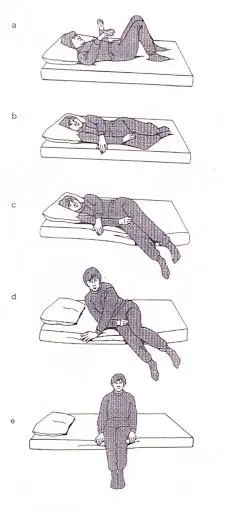
Bed Mobility Exercise for Elderly People
Introduction
As we age, being active is important for preserving our independence and health. However, getting up and moving about to exercise might be difficult for many seniors. According to studies, seniors who are recovering from sickness or surgery, have chronic pain, or have limited mobility can benefit greatly from doing exercises in bed. Attempting to follow typical workouts might be challenging or even dangerous for certain elderly people.
Appreciate the need for regular mobility in maintaining seniors’ strength, flexibility, and self-assurance.
Why Bed Exercises For Seniors Are Important
Our bodies naturally start to lose muscular mass, balance, and ligament and joint flexibility as we age. Seniors who have limited mobility—whether from arthritis, injuries, or extended bed rest—may see an acceleration of muscle loss. Elderly people’s bed exercises can help reduce these consequences by promoting safe, low-impact movement that:
- Increases blood flow
- Preserves the flexibility of joints
- Increases muscle strength without placing undue strain on the body.
Seniors who engage in bed exercises for mobility can benefit greatly from the following:
- Better Circulation: In addition to lowering the risk of blood clots and leg edema, gentle movement can help avoid joint stiffness.
- Improved Joint Mobility: Stretching gently throughout the day can help lubricate joints and lessen stiffness-related pain.
- Muscle Maintenance: Seniors can maintain their strength and avoid muscle atrophy by performing simple core exercises in bed.
- Improved Balance & Coordination: For seniors in bed, strengthening the core and performing leg exercises promotes stability when getting out of bed or walking short distances.
- Enhanced Mental Health: Seniors’ general well-being, mood, and sleep habits can all be enhanced by light exercise.
Safe and Effective Bed Exercises for Elderly Adults
Seniors should speak with their healthcare professional before beginning any new activity, including bed exercises, to make sure the activities are suitable for their condition. These easy exercises can be performed every day with the assistance of a caregiver from our team or, if possible, on one’s own after being cleared for bed exercise.
The Power of Low-Impact Movement for Seniors
These exercises aim to enhance mobility, stability, and general health without placing undue stress on the body. Moving for a short while every day keeps the body active, the mind focused, and the inner being resistant.
Promotes mobility and joint health. Frequent mobility prevents muscles from stiffening over extended periods of sitting or bed rest and helps lessen joint pain.
keeps muscles strong and toned. Better balance is supported by stronger muscles, which reduces the chance of falls and facilitates daily activities like reaching overhead or getting out of a chair.
enhances coordination and balance. Even when seated, you can practice little motions that enhance stability and coordination.
Safety Rules Before Starting
Bedridden patients can avoid damage by performing these exercises slowly and deliberately.
It’s important to lie flat in bed with your knees slightly bent. To lessen tension, use pillows to support your head and knees. Throughout, take deep breaths; inhale before moving and exhale. Decide between minor discomfort (continue slowly) and pain (stop immediately). In order to help, caregivers support limbs without pulling; reevaluate every five to ten minutes; and restrict sessions to ten to fifteen minutes, two to three times a day.
Leg Strengthening Exercises for Seniors in Bed
Maintaining independence, promoting mobility, and averting falls can all be greatly aided by leg strength. Elderly folks can benefit greatly from the following low-impact leg exercises in bed:
Ankle Circles
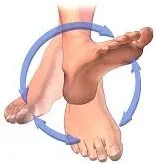
This easy exercise keeps the ankle joints flexible and encourages circulation.
Gently raise one foot off the mattress while lying on your back.
Make gentle, circular motions with your ankle. Ten times in a clockwise direction and ten times in a counterclockwise direction
Continue with the opposite leg.
Leg Slides
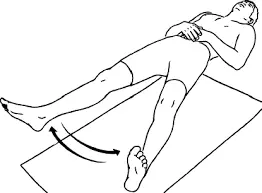
Seniors can improve their range of motion and strengthen their inner thighs and hip muscles by doing leg slides.
With your legs straight, lie on your back.
Bring one leg back to the middle after slowly sliding it out to the side while maintaining it flat against the bed.
Heel Slides
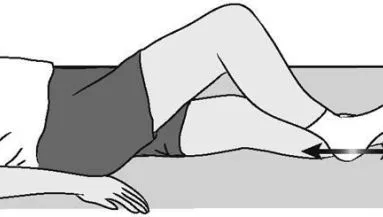
Heel slides can assist in maintaining knee flexibility and lessen joint stiffness, making them an excellent workout for the hamstrings.
Start with your legs straight.
Bend one knee slowly and move your heel in the direction of your hips.
Repeat ten times with the leg straightened.
Core Exercises in Bed for Seniors
For seniors to maintain their posture, balance, and general mobility, they must have strong core muscles. To develop strength without placing undue strain on the back, seniors can gradually execute these core exercises in bed:
Abdominal Tightening
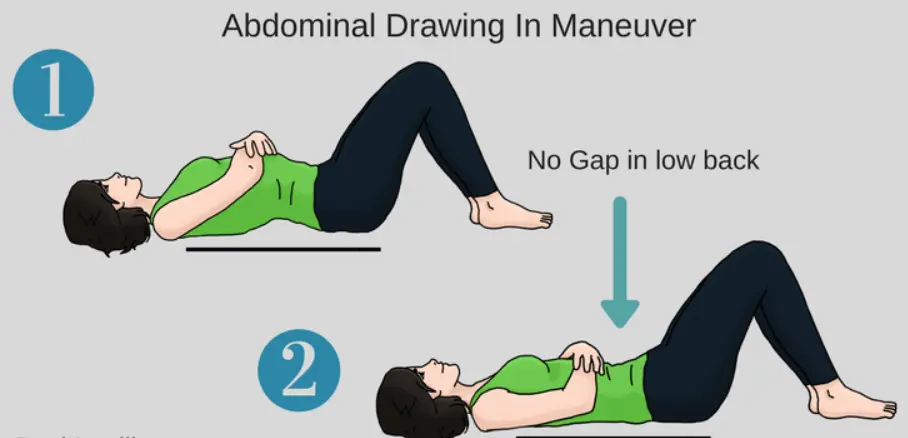
Bend your knees and lie comfortably on your back.
Inhale deeply, then try to contract your stomach muscles as you exhale, pulling your belly button in the direction of your spine.
After five seconds of holding, let go.
Do this ten times.
Seniors can improve their posture and mobility by strengthening their abdomens with this bed exercise.
Pelvic Tilts
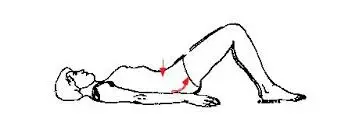
Gently press your lower back into the bed while bending your knees and keeping your feet flat.
After five seconds of holding, release
Ten to fifteen times, repeat this motion.
A senior’s stability when sitting or standing can be enhanced, and their lower back strengthened with pelvic tilts.
Seated Marches
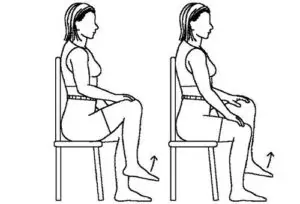
With a pillow behind your back for support, sit up straight in bed.
Raise one knee to your chest, drop it, and then raise the other.
Those who wish to strengthen their leg and abdominal muscles and increase hip flexibility may find this exercise to be highly beneficial.
Arm and Upper Body Exercises
For everyday actions like lifting and reaching, it’s critical to maintain upper-body strength. These gentle bed mobility exercises, which target the arms and shoulders, are recommended for seniors:
Arm Circles
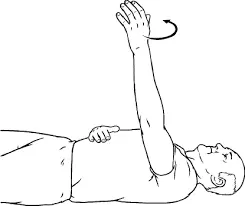
Make sure your arms are level with your shoulders as you extend them straight out to the sides.
Make tiny clockwise circles, then turn around.
Make ten to fifteen circles on each side.
This facilitates circulation throughout the upper body and shoulder movement.
Elbow Bends
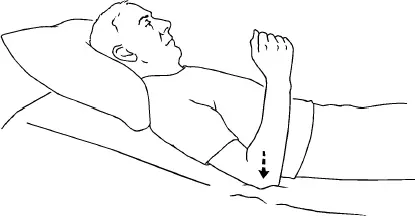
With your hands facing up, keep your arms by your sides.
Lower your hands gradually after bending your elbows to bring them closer to your shoulders.
Ten to fifteen times over, repeat.
This workout enhances coordination and strengthens the shoulder and biceps muscles.
Shoulder Blade
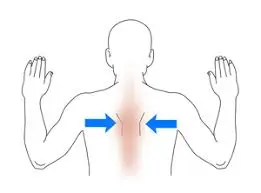
Squeezes: Either sit up or slightly recline in bed.
Hold your shoulder blades together for three seconds, then let go.
This exercise eases shoulder stress and enhances posture.
Other Bed Mobility Exercises for Seniors
Rolling from Side to Side
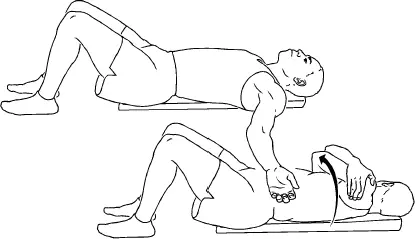
Roll your body gently onto one side by bending your leg.
Repeat on the opposite side after slowly returning to the center.
This exercise increases a senior’s range of motion and facilitates bed shifting.
Bridging
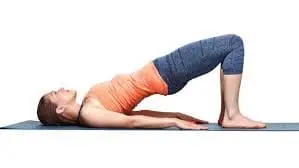
Bend your knees while lying on your back.
Keeping your shoulders and feet firmly planted, raise your hips gently off the bed.
After a few seconds of holding, lower
Strengthening the lower back and glutes with bridging exercises can aid with transitions like getting out of bed.
Sitting Balance Practice
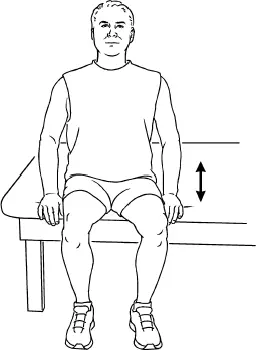
Place your feet flat and sit up on the bed’s edge.
For 30 to 60 seconds, maintain this posture. If necessary, use your hands for support.
This easy bed workout for seniors enhances balance and core control.
FAQs
What muscles are used in bed mobility?
Important Muscles for Mobility in Bed
In bridging exercises, the gluteal muscles—like the gluteus maximus—are crucial because they supply the force required to raise the hips off the bed. During repositioning, the legs’ quadriceps and hamstrings help to bend and extend the knees.
What is a simple exercise for bedridden patients?
At a glance: To preserve muscle strength, enhance circulation, and avoid issues like blood clots and bedsores, some bedridden patients can engage in mild exercises, including ankle pumps, arm lifts, deep breathing, and range-of-motion exercises.
What are the benefits of bed mobility?
Improving bed mobility can boost general physical function, lower the risk of falls and injuries, and greatly increase functional independence.
What is the principle of bed mobility?
Overview. Rolling, scooting in a supine position, switching between a supine and sitting position, and sitting and scooting on the edge of the bed are all examples of bed mobility. Because it improves mobility and functional independence, bed mobility is beneficial in and of itself.
What are some advanced bed exercises?
Advanced Advice for Bed Exercise.
Exercise Items for Plus. Buttock Squeezes, Quadriceps Set, and Ankle Pump. Leg raises that are straight. building a bridge. rolling alternately from side to side. shells of clams. Stretch your entire body.
What is an example of bed mobility?
Gentle movements that target the hips, spine, and shoulders are part of effective mobility exercises for seniors. They help seniors become more flexible, balanced, and independent. Some important exercises are neck stretches, shoulder rolls, ankle circles, and torso twists. These exercises, which are usually done in 10 to 15 minutes, make joints less stiff and lower the risk of injury.
Seated Mobility Exercises (for people who are just starting or have limited mobility)
Chair Marches: Sit up straight and lift your knees one at a time to make your hips more flexible.
Neck stretches: Slowly turn your head to look over each shoulder and tilt your ear toward your shoulder.
Shoulder Rolls: To let go of stress, roll your shoulders up, back, and down.
Torso Twists: Put your hands on your knees and twist them gently for five seconds.
Ankle Circles: To get better blood flow, stretch your legs and move your ankles in both directions.
Exercises for standing mobility (with help)
Heel Raises and Toe Taps: To make your calves stronger, hold onto a chair for balance and lift your heels and then your toes.
Hip Marching: Stand up and lift your knees high, switching legs to work your hip flexors.
Leg Swings: While holding a chair, swing one leg back and forth slowly.
Village Lunge: A full range lunging exercise that uses a box or stairs to make your knees move more freely.
Standing Torso Twist: To make your spine more flexible, gently twist from side to side.
Tips for Your Daily Routine
Aim for daily movement, even if it’s just for 5 to 10 minutes at a time.
Breathing: To help you relax, take deep breaths in and out while moving.
Support: Always use a sturdy, stable chair to help you with standing exercises.
Intensity: You shouldn’t feel pain during exercises; stay within a range of motion that feels good.
What are mobility exercises for seniors?
The elderly need seven basic things to stay healthy: good nutrition, help with moving around, help with taking their medicine, safe housing, help with personal hygiene, enough sleep, and regular medical check-ups. Taking care of these needs keeps people safe, strong, and free from injuries like falls, which helps them live a good life.
Nutritional Needs: A healthy diet that is high in protein, vitamins, and calcium to help keep bones and muscles healthy.
Mobility Support: To keep your mobility, strength, and balance, you should do gentle exercises like walking or physiotherapy on a regular basis.
Managing medications means making sure the right doses and times are used and keeping an eye out for side effects or unnecessary prescriptions.
Making the home safer and more comfortable for the environment: making changes to the home to stop falls, like adding grab bars, making sure there is enough light, and getting rid of clutter.
Personal Hygiene and Grooming: Help with daily tasks like bathing, dressing, and grooming to stay healthy and keep your dignity.
Sleep and Rest: Getting enough good sleep to improve your immune system and brain health.
Chronic Disease Monitoring/Medical Check-ups: Getting regular check-ups with doctors to keep an eye on long-term health problems.
What is the main purpose of mobility exercises?
The goal of mobility training, often known as mobility exercises, is to increase flexibility and range of motion. Enhancing physical performance for everyday tasks like tying shoes, unloading groceries, and gardening is the aim of mobility training.
What are easy exercises for elderly people?
Seniors can do seated chair marches, sit-to-stands, wall push-ups, heel raises, and arm curls to build strength, balance, and mobility. You can do these exercises at home to help with everyday tasks and keep you from falling. Start slowly, pay attention to your form, and use light weights or things you already have around the house.
Important Daily Workouts
Sit-to-Stand: To build leg strength, sit on a sturdy chair, keep your back straight, and stand up (use your hands if you need to) and sit back down, as you would in your daily life.
Push-Ups Against the Wall: Stand with your arms at shoulder height and your hands flat against the wall. Bend your elbows to bring your chest toward the wall. This will make your arms and shoulders stronger.
Heel Raises: To improve balance and stability in your ankles, hold onto a wall or chair for support and slowly lift your heels up and down.
Seated Marches: While sitting, lift your knees up to your chest and back down again. This will help your posture and core strength.
Arm curls and overhead raises: Use light weights or water bottles while sitting or standing to make your arms and shoulders stronger.
Routine and Safety
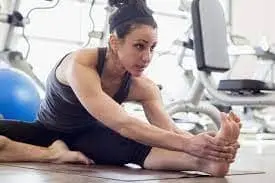
Flexibility: Use a towel to stretch your hamstrings while sitting, holding for 15 to 30 seconds.
Mobility: Do rotational exercises like “wood chops” while sitting or standing to increase your range of motion.
Suggestion: Try to do 30 minutes of moderate activity five days a week, such as walking or swimming.
References
- Administrator, C. (2024, February 4). The best exercises for Bedridden Patients. Care24. https://care24.co.in/blog/exercises-for-bedridden-patients/
- Bed exercise – North Tees and Hartlepool NHS Foundation Trust. (2026, March 30). North Tees and Hartlepool NHS Foundation Trust. https://www.nth.nhs.uk/resources/bed-exercise/
- Bed exercises for Elderly Adults | Senior Home Care by Angels. (n.d.). Senior Home Care by Angels. https://www.seniorhomecarebyangels.com/articles/bed-exercises-for-elderly-adults/94
- Cfyiadmin, C. (2026, February 25). 20 exercises for bedridden patients. CFYI. https://cfyi.co.in/20-exercises-for-bedridden-patients/
- Keystone Health. (2026, January 29). Easy seated and Bed-Based exercises for seniors. https://keystone.health/easy-seated-and-bed-based-exercises-for-seniors
- UHCW. (2025). Bed exercises. In Patient Information (pp. 2–7). https://www.uhcw.nhs.uk