Halasana (Plough Pose)
Introduction:
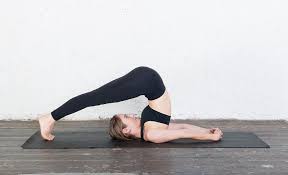
Halasana (Plough Pose) is a traditional yoga posture in which the legs are brought overhead while lying on the back, creating a shape similar to a plough used in farming. This pose deeply stretches the spine, shoulders, and hamstrings while helping to improve flexibility and posture.
Asana indicates position or posture, whereas Hala signifies plough in the Sanskrit term Halasana. Because the final position of the body during this Asana resembles an Indian plough (a farming implement), it is called the Plough Pose.
To return fresh nutrients to the soil for sowing, the plough tool loosens the soil. Similar to this, doing Halasana helps to strengthen and reenergize the entire spine by stretching the back of the body and releasing tense hamstrings. Regular practitioners of Halasana are reportedly very energetic, fast, light-footed, and full of spiritual vitality.
This pose is a wonderful way to prepare for the Shoulderstand and is a mild form of inversion. Your shoulder muscles develop stronger as you raise your hips above your head and maintain a straight back while reaching your feet behind you.
How to Do It?
This Asana can be performed in two different ways. The complete plough pose is called Halasana, and the half-plough form is called Ardhahalasana. You can perform both full and half plough poses by following these steps:
- To begin, lie supine (face up) on the floor. Next, place your palms on the floor and keep your hands by your thighs.
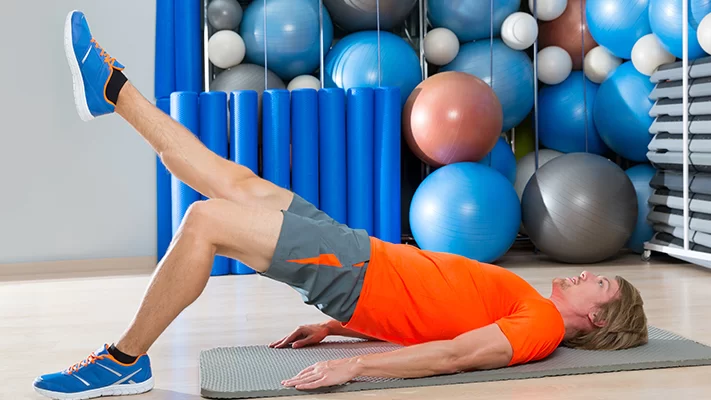
- For a few seconds, raise your legs in the air at a 30° angle without bending your knees.
- Maintain the pose by slowly raising your legs to a 60° angle.
- The last pose, known as the Ardhahalasana, is achieved by raising your legs to a 90° angle.
- With your hands supporting you, gently press your palms to the ground and raise your back and buttocks off the ground.
- Try to touch the floor with your toes behind your head as you slowly raise your legs closer to your head. Make an effort to keep your body straight from the hip to the shoulder.
- Now extend your hands straight while keeping them on the ground behind your back. Hold this position for a while. Halasana is the name of this last position.
- To get back to the starting position, first lower your legs and waist off the ground. Second, place your waist on the floor, raise your legs to a 90-degree angle, and then lower them to the ground without raising your head.
Variations:
- The knees are bent near the head and held by the arms in Karnapidasana (ear-pressing pose) or Raja Halasana (royal plough pose).
- The torso is upright, the trunk is twisted to one side, and the legs are extended straight with the feet contacting the ground (to that side) in the sideways plough pose known as Parsva Halasana.
- Similar to an inverted Upavistha Konasana, Supta Konasana (supine angle pose) with the legs as wide apart as possible and the toes on the ground; the big toes may be grasped with the fingertips.
- You can execute all of these variants as part of a cycle that begins with Sarvangasana (shoulderstand).
Benefits of Halasana:
- In Iyengar yoga, Halasana, also called Plough Pose, is a powerful pose with many advantages for the body, mind, and soul. Halasana, which comes from the Sanskrit words “hala,” which means plough, and “asana,” which means pose, entails folding the body to resemble a plough.
- Halasana gives the entire spine, especially the neck region, a deep stretch. Tension and stress built up in the shoulders and upper back are released as the neck lengthens and the chin approaches the chest. Additionally, by stimulating the thyroid and parathyroid glands, this position helps the body regulate its calcium levels and metabolism.
- Additionally, the abdominal organs benefit from halasana. This position’s compression of the abdomen enhances digestion, massages internal organs, and aids in detoxification. Additionally, it improves the function of the liver and spleen by stimulating them.
- Halasana has a relaxing effect on the nervous system from a mental standpoint. The parasympathetic nervous system is triggered as the body folds forward, encouraging relaxation and lowering stress and anxiety. This pose is great for both professionals and learners since it enhances focus and concentration.
- Halasana also increases blood flow to the brain, which nourishes the cells and enhances cognitive and memory abilities. It is said to relieve exhaustion, headaches, and sleeplessness, leaving the practitioner feeling renewed and invigorated.
- Halasana should be done carefully and under the supervision of a trained instructor, just like any other yoga practice. People with specific injuries or medical issues might not be able to use it. But for those who can do it safely, this position is a great complement to any Iyengar yoga practice because it has several advantages for general well-being.
Risks of Exercise:
The following are some Halasana-related risks and contraindications:
- Until a doctor gives the all-clear, anyone with hernias or stomach injuries should avoid performing Halasana.
- This pose is not recommended for people with cervical spondylitis (neck injury).
- A qualified yoga instructor should be consulted by anyone with high blood pressure.
- People who have lower back or lumbosacral pain should try doing Halasana with just one leg instead of both.
- The plow pose should not be performed by pregnant women due to potential difficulties.
- Halasana should not be performed by women on days when they are menstruating since it may result in cramps.
- We can evaluate and analyze the risk factors and continue exercising while taking measures under the supervision of a qualified yoga specialist.
Conclusion:
Plough pose, also known as halasana, is a full yoga practice that helps maintain a youthful and flexible spine. There may be a number of health advantages to performing Halasana/Ardhahalasana for the hamstrings, spine, and tense muscles.
Constipation, diabetes, high blood pressure, and other conditions may also benefit from it. To prevent any physical harm, one must consistently practice the plough pose under a qualified yoga instructor and with the proper safety measures.
FAQs:
Which chakra does Halasana activate?
Vishuddhi Chakra
Hala, which means “Plough,” and Asana, which means “Pose,” are the sources of the word Halasana. Because it awakens the Vishuddhi Chakra, the Halasana is a great asana that can help you get closer to meditation.
What safety measures are necessary when doing Halasana yoga?
Contraindications & Precautions:
It should be avoided in cases of high blood pressure, mental disorders, pregnancy, and menstruation. should be avoided if you have cervical spondylitis, slipped discs, headaches, weak blood vessels in your eyes, or an enlarged thyroid, spleen, or liver.
Does Halasana benefit the kidneys?
Plough Pose, also known as Halasana, promotes liver and kidney function, stimulates digestion, and massages all internal organs. This pose is best performed after Sarvangasana.
Who is incapable of performing Halasana?
People with cervical spondylosis, high blood pressure, neck injuries, or spinal problems should avoid Halasana (Plough Pose). Additionally, it is not advised for those with illnesses like severe headaches or migraines, diarrhea, hernias, or excessive eye pressure (glaucoma), as well as during pregnancy and menstruation.
Which muscles are used in Halasana?
In addition to strengthening and toning your back muscles, halasana stretches your spine. It assists in preventing and easing back, shoulder, and neck tension. Additionally, the pose strengthens your arms, knees, and shoulders. By increasing flexibility, halasana practice promotes the mobility of muscles and joints.
What disadvantages does Halasana have?
Halasana should be avoided by people who have severe thyroid disorders, glaucoma, high blood pressure, heart ailments, hernias, or neck or spinal problems. It should also be avoided by beginners without adequate coaching, pregnant women, and elderly people with mobility problems.
What are Halasana’s mental health benefits?
By activating the parasympathetic nervous system, which lowers stress hormones, lessens anxiety, and encourages relaxation and mental clarity, halasana relaxes the nervous system.
Can I perform Halasana before going to bed?
One of the best poses for rapidly falling asleep is halasana. Your sleeping pattern improves if you do it for one to five minutes each day.
Which disease does Halasana treat?
Plough pose, or halasana, is used to heal spinal abnormalities, increase flexibility, and alleviate persistent neck and back pain. Strengthening the spine, relieving digestive problems like constipation, lowering stress, stimulating the thyroid gland, and controlling diseases like diabetes are all established benefits. Additionally, it aids with posture correction.
Does halasana help with back pain?
Although Halasana (Plow Pose) is typically beneficial for strengthening spinal flexibility and reducing back pain, it should be avoided if you have severe or recent back injuries. It strengthens the back muscles, decompresses the vertebrae, and softly stretches the entire spine. It works very well for relieving lower back stress.
How much time should I spend in Halasana?
Duration of Hold
As a general rule, Plough Pose should last half as long as Shoulderstand. Thus, maintain Plough Pose for one minute after holding Shoulderstand Pose for two.
Who shouldn’t perform halasana?
People with cervical spondylosis, high blood pressure, neck injuries, or spinal problems should avoid Halasana (Plough Pose). Additionally, it is not advised for those with illnesses like severe headaches or migraines, diarrhea, hernias, or excessive eye pressure (glaucoma), as well as during pregnancy and menstruation.
Does Halasana benefit the thyroid?
Plough pose, or halasana
Your neck is stretched in this pose, which stimulates your thyroid glands. Because halasana releases thyroid hormones, it is very helpful for people with hypothyroidism.
Does Halasana help with abdominal fat reduction?
Indeed, by toning the abdominal muscles, boosting metabolism, and strengthening the core, Halasana (Plough Pose) and its modification Ardha Halasana (Half Plough Pose) aid in the reduction of belly fat. When paired with a nutritious diet, regular practice can enhance digestion and decrease abdominal fat.
What are the advantages of Halasana?
The Hatha yoga inversion known as Halasana, or Plow Pose, involves lying on one’s back with the legs bent over the head to resemble a conventional farming plow. It helps reduce stress by strengthening the back, stretching the shoulders and spine, enhancing digestion, and stimulating the endocrine system.
References:
- Wikipedia contributors. (2025b, November 19). Halasana. Wikipedia. https://en.wikipedia.org/wiki/Halasana
- Yoga Journal. (2025f, March 24). Plow pose. https://www.yogajournal.com/poses/plow-pose/
- Lakhani, R. A., & Sharma, G. (2023). Anatomical exploration of Halasana. Journal of Ayurveda and Integrated Medical Sciences, 8(8), 173–178. https://doi.org/10.21760/jaims.8.8.26
- Bisht, H. (2026, March 26). Benefits of Halasana (Plough pose) and how to do it by Dr. Himani Bisht. PharmEasy Blog. https://pharmeasy.in/blog/health-fitness-benefits-of-halasana-and-how-to-do-it/
- Yoga Vastu. (2023, June 10). Halasana – yoga vastu. https://yogavastu.com/p/halasana-plow-pose/