
Top 11 Yoga Poses for Full-Body Flexibility and Strength
Introduction:
Yoga is a potent exercise that keeps the body balanced and pain-free while increasing strength and flexibility. Regularly performing these poses improves muscle tone, joint range of motion, posture, and mind-body synergy.
Benefits of Yoga Poses for Full-Body Flexibility and Strength:
Lengthening tense muscles and developing balanced, functional strength throughout the body are two benefits of practicing yoga poses for full-body flexibility and strength. By supporting spine health, improving posture, and increasing joint mobility, these poses lower the risk of stiffness and injury.
Frequent exercise also improves body awareness, muscle endurance, and core stability, which makes daily tasks simpler and more effective. Yoga improves circulation, relieves stress, and sharpens the mind in addition to its physical advantages, all of which contribute to general health, vitality, and well-being.
Top 11 Yoga Poses Video:
Yoga Poses for Full-Body Flexibility and Strength:
Cat–Cow Pose:
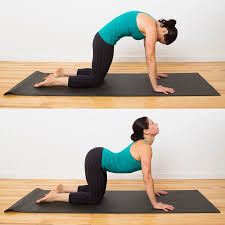
A mild yet incredibly powerful yoga pose that enhances spinal flexibility, mobility, and general back health is the Cat–Cow Pose (Marjaryasana–Bitilasana). This posture strengthens the core and supporting muscles surrounding the spine while releasing stiffness in the neck, shoulders, and lower back through a fluid transition between spinal flexion and extension.
Cat-Cow improves breath-movement synchronization and promotes thoughtful, deep breathing that soothes the nervous system and lowers stress. For practitioners at all skill levels, regular practice is a great warm-up and recovery exercise because it enhances posture, boosts blood circulation to the spine, and prepares the body for deeper yoga poses or physical activity.
Bound Angle Pose:

Baddha Konasana, also known as the Bound Angle Pose, is a potent sitting yoga pose that increases lower body flexibility and mobility while deeply stretching the inner thighs, hips, and groin. This pose promotes healthy hip and pelvic function and relieves hip stress caused by extended sitting or inactivity.
Additionally, Bound Angle Pose promotes an upright spine, strengthens the lower back and core muscles, and enhances posture. It is particularly helpful for lower-body flexibility and stress alleviation since it increases pelvic circulation, facilitates digestion, and encourages relaxation when done with slow, deliberate breathing.
Low Lunge Pose:
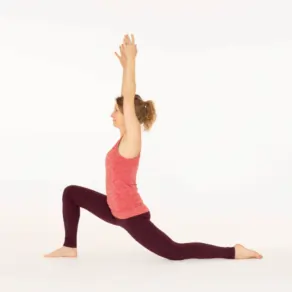
Anjaneyasana, also known as the Low Lunge Pose, is a dynamic yoga pose that strengthens the legs, glutes, and core while deeply stretching the hip flexors, quadriceps, and groin.
This pose is particularly helpful for relieving lower-body stiffness and tight hips caused by extended periods of sitting. By promoting an open chest and extended spine, the low lunge also helps with balance, posture, and spinal alignment.
Downward-Facing Dog Pose:
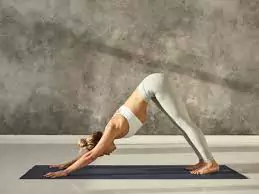
A fundamental yoga pose that both stretches and strengthens the entire body is the Downward Facing Dog Pose (Adho Mukha Svanasana). This pose helps to reduce stiffness and increase flexibility by lengthening the spine and deeply extending the arms, shoulders, hamstrings, and calves. In addition, it strengthens the arms, legs, shoulders, and core, which improves stability and posture.
When done with steady breathing, the Downward Facing Dog is a crucial posture for improving full-body strength, mobility, and general well-being. It also enhances blood circulation, energizes the body, and helps quiet the mind.
Extended Triangle Pose:

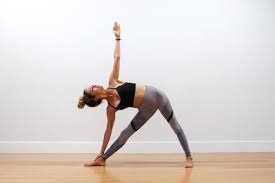
A traditional standing yoga pose that improves full-body strength, flexibility, and balance is the Extended Triangle Pose (Utthita Trikonasana). This position strengthens the legs, knees, and core muscles while thoroughly stretching the hamstrings, hips, groin, and side body.
Additionally, Extended Triangle Pose promotes chest opening and spinal stretching, which enhances posture, breathing ability, and general body alignment.
It is a great posture to develop stability, flexibility, and graceful movement throughout the body because it increases joint mobility, improves circulation, and fosters body awareness when practiced with controlled breathing.
Seated Forward Bend:
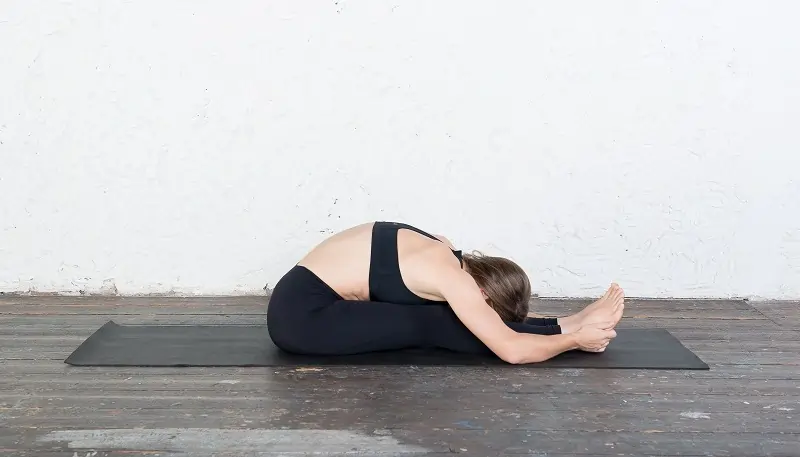
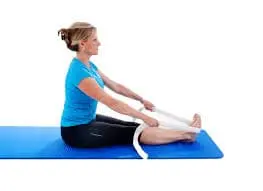
A soothing yoga practice that thoroughly stretches the entire back body, including the spine, hamstrings, and calves, is the Seated Forward Bend (Paschimottanasana). This pose increases flexibility and spinal mobility while releasing tension in the hips and lower back.
Additionally, the Seated Forward Bend supports digestion and promotes nervous system relaxation by gently stimulating the abdominal organs. It’s a useful pose for both physical recuperation and mental relaxation because it helps lower stress, improve posture, and increase general body awareness when done with deep, thoughtful breathing.
Camel Pose:
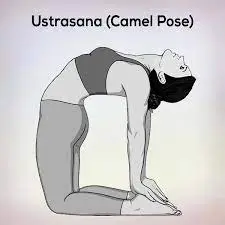
The Camel Pose (Ustrasana) is a deep back-bending yoga pose that strengthens the back, hips, and core muscles while effectively stretching the front of the body. To combat bad posture and stiffness caused by extended sitting, this position opens the hip flexors, shoulders, and chest.
Additionally, by promoting deeper breathing, Camel Pose increases lung capacity, strengthens the spine, and increases flexibility. It increases vitality, enhances posture, boosts confidence, and promotes spinal strength and general body mobility when done with correct alignment and controlled breathing.
Supine Spinal Twist:
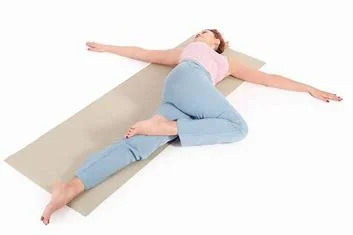
A soothing yoga pose, the Supine Spinal Twist (Supta Matsyendrasana) promotes spinal mobility and alignment while gently stretching the lower back, hips, and spine. This position is particularly helpful after extended periods of sitting or physical activity because it releases tension that has accumulated in the glute and back muscles. By gently massaging the stomach organs and promoting deep, relaxing breaths that quiet the nervous system, the supine spinal twist also helps with digestion.
Bow Pose:
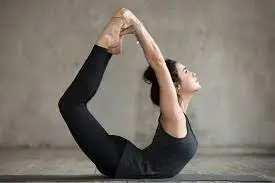
The Bow Pose, also known as Dhanurasana, is a potent back-bending yoga pose that deeply stretches the front of the body while strengthening the spine. This pose helps to improve posture and mitigate the effects of extended sitting by opening the thighs, hip flexors, shoulders, and chest.
Additionally, the bow pose strengthens the back and core muscles, improving the stability and flexibility of the spine. It is an effective position for enhancing mobility and vitality since it promotes general body strength and flexibility, stimulates digestion, and increases energy levels when practiced with controlled breathing.
Chakrasana:

An advanced back-bending yoga pose that strengthens and stretches the entire body is called Chakrasana (Wheel Pose). This position engages the arms, legs, glutes, and core muscles while deeply stretching the chest, shoulders, spine, hip flexors, and thighs.
In addition to increasing lung capacity by expanding the chest for deeper breathing, chakrasana assists with spinal mobility, posture, and balance. It increases vitality, stimulates the neurological system, and fosters resilience, self-assurance, and general full-body strength and flexibility when done with correct alignment and control.
Monkey Pose:

A strenuous yoga pose that improves lower body strength and flexibility is the Monkey Pose (Hanumanasana). The hamstrings, hip flexors, groin, and calves are all extensively stretched in this position, which also works the core muscles for stability and balance.
Monkey Pose lengthens tense leg muscles, increases hip mobility, and improves lower-body alignment in general. It is a potent position for improving full-body flexibility, functional strength, and graceful movement because it develops patience, body awareness, and control with regular practice and preparation.
Conclusion:
You can develop full-body strength and flexibility in a balanced way by incorporating these yoga poses into your regular practice. When combined, they strengthen important muscle groups, stretch tense muscles, and enhance spinal health, mobility, and posture.
Yoga is a comprehensive and long-term route to a strong, flexible, and healthy body since regular practice not only improves physical performance and lowers the chance of injury but also fosters mental serenity, improved breathing, and general well-being.
FAQs:
When is the ideal time to practice yoga?
Although the perfect time for yoga is subjective, mornings are best for focus and energy, while evenings are better for relaxation and sleep since both times offer cooler, less crowded surroundings and an empty stomach.
Which four yoga positions are the original?
Siddhasana, Padmasana, Simhasana, and Bhadrasana are the four yoga poses for beginners that start with pranayama (breathing exercises), although the Upanishad cites many other asanas.
Which asana is the most difficult?
Advanced inversions like Scorpion Handstand (Vrschikasana), intricate arm balances like Eight-Angle Pose (Eka Hasta Bhujasana), deep backbends like Full Pigeon Pose (Kapotasana), and even stillness poses like Corpse Pose (Shavasana).
Which four primary yogas are there?
To achieve unity with the divine, these paths propose various methods for spiritual development and self-realization, using various instruments such as service, devotion, intelligence, or mental discipline.
References:
- Mark, C. (2025, June 23). 11 Yoga poses to build Full-Body Strength. Yoga Journal. https://www.yogajournal.com/practice/yoga-sequences/yoga-for-strength-poses-that-build-muscle/
- Montijo, S. (2021, January 29). It’s Flex Time: 11 Yoga Poses to Turn You into a Bendy Badass. Greatist. https://greatist.com/fitness/yoga-for-flexibility
- Cronkleton, E. (2025, May 8). Boost Your Flexibility with These 8 Yoga Poses. Healthline. https://www.healthline.com/health/exercise-fitness/yoga-for-flexibility
- Ryt, A. P. (2024, July 31). 31 Yoga poses for beginners. Verywell Fit. https://www.verywellfit.com/essential-yoga-poses-for-beginners-3566747
- Hennah, A. (2019, February 7). Yoga for Flexibility: The 9 best yoga poses to become flexible. Liforme. https://liforme.com/blogs/blog/yoga-for-flexibility
- The yoga institute. (2022, July 4). Poses to improve your range of motion – The Yoga Institute. The Yoga Institute. https://theyogainstitute.org/poses-to-improve-your-range-of-motion