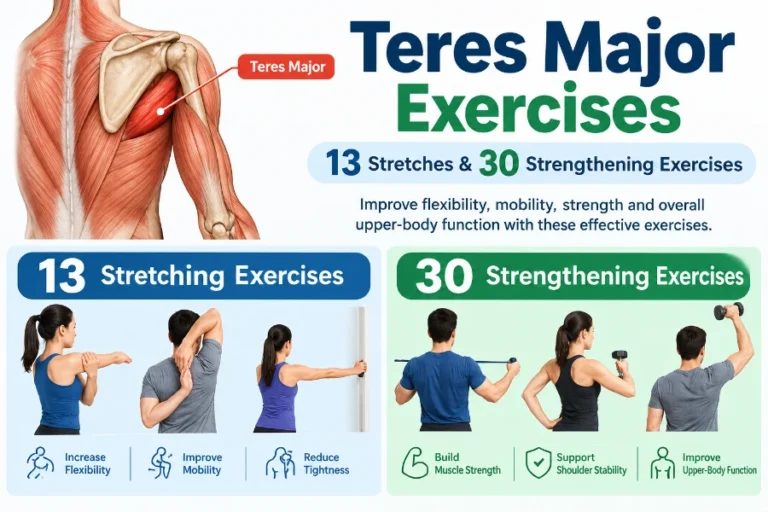

Physical Therapy For Shoulder Pain
Physical therapy for shoulder pain can help reduce pain, improve mobility, restore strength, and support better shoulder function. A physiotherapist may use targeted exercises, stretching, manual therapy, posture correction, and activity guidance based on the underlying cause of the pain.
What is shoulder pain?
Shoulder pain refers to any discomfort you have around your shoulder joint. The shoulder is a complicated joint that allows you to toss a ball, reach for an object, and give someone a high five. Because of how frequently you use it, your shoulder is more sensitive to injury and damage, which can result in pain.
- Pain and stiffness that might last for months or years
- Pain that worsens as you move your arm or shoulder
- Tingling, numbness, or weakness.
- Sudden and acute shoulder pain.
- Pain at the top of the shoulder around the area where the clavicle bone and shoulder bone connect.
Causes of Shoulder Pain
- Rotator cuff tendinitis is one of the most prevalent causes of shoulder pain and irritation, particularly for people over the age of 30. The pain is typically on the side and/or front of the shoulder and feels like a dull ache.
- Tendinitis or a rupture of the biceps tendon in the upper arm where it joins the shoulder blade can produce discomfort in the front of the shoulder.
- Shoulder impingement occurs when the tissues around the glenohumeral joint get compressed. The discomfort is usually felt on the upper outside border of the shoulder and occurs when reaching upwards or turning it.
- Shoulder labral tears can cause grinding or locking in the shoulder joint. Tears of the shoulder labrum are frequently seen in sportsmen.
- Shoulder labral tears can cause grinding or locking in the shoulder joint. Athletes who perform powerful arm motions, such as baseball or tennis players, are more likely to tear their shoulder labrum.
- These are also known as acute injuries, and they can be caused by anything from tripping and landing on your shoulder to twisting the shoulder in an unusual position. Sudden injuries may include:
- Bruises
- Injured tendons that connect the muscle to the bone
- Injured ligaments that assist in stabilizing the shoulder joint
- Nerves were injured
- A torn rotator cuff occurs when one of the four tendons that cover the shoulder joint is injured.
- Strained muscles
- Broken bones.
- Dislocation
- Overuse injuries can be more serious than acute injuries since they develop gradually over time as a result of daily activity. They are caused by excessive tension on the shoulder joint or surrounding tissue, and you may be unaware of the problem until you are suddenly confronted with irritating shoulder pain. Overuse injuries may include:
- Bursitis occurs when the fluid sac that cushions and lubricates the shoulder joint becomes inflamed.
- Tendinitis occurs when the tendons become inflamed.
- Frozen shoulder, which “freezes” your shoulder’s range of motion.
- Impingement syndrome occurs when overhead arm motions force the tendons to rub against a section of the shoulder blade, causing the rotator cuff tendons to become inflamed.
Symptoms Of Shoulder Pain
- Resistance band stretch for shoulders
- Pain and stiffness that might last for months or years
- Pain that worsens as you move your arm or shoulder
- Tingling, numbness, or weakness.
- Sudden and acute shoulder pain.
Physical Therapy Treatments for Shoulder Pain
- Limiting arm-based physical activity.
- Taking pain relievers and inflammation-reducing medicines.
- A chiropractor or physical therapist can help you straighten, stretch, and increase your flexibility.
- Immobilization, such as wearing a sling across your arm, can help your shoulder heal while limiting mobility.
- Having surgery to repair or replace shoulder components.
- Ice therapy: The RICE (Rest, Ice, Compression, Elevation) protocol recommends icing affected areas for acute injuries. It reduces inflammation and swelling, which helps to relieve pain.
- Heat therapy: Unlike ice therapy, which is used within the initial hours of damage, heat therapy is most effective after 72 hours. It relieves pain and allows muscles to relax, similar to ice treatment.
- Hands-on treatment, as the name indicates, relies on the physical therapist to assist in relaxing the damaged shoulder. The physical therapist uses their hands to apply direction-specific pressure to the tissue, allowing it to restore some of its natural mobility.
- Stretching is a popular therapy for shoulder pain and discomfort because it gently stretches your muscles to restore your range of motion. Depending on the injury, the physical therapist would most likely use a variety of stretches that target different regions of the shoulder, as well as the neck and spine. A physical therapist helps a guy regain shoulder range of motion.
- Strengthening is just another word for exercise since the physical therapist may prescribe that you perform particular strengthening exercises to relieve pain at the injury site while simultaneously strengthening other muscles, such as your core. The objective is to leave you stronger than before the injury in order to avoid a recurrence.
- Joint mobilization is another form of therapy that requires the assistance of a physical therapist. Its goal is to enhance the mobility of the damaged shoulder by extending the joint capsule. Because it involves a detailed grasp of anatomy, it can only be performed by a qualified, professional physical therapist.
- Ultrasound: A therapeutic ultrasound (not to be confused with a diagnostic ultrasound) is a method of physical treatment for shoulder pain and discomfort that involves deep heating of the muscles, tendons, and other soft tissue. The heat increases circulation in the tissue, which helps to relieve pain and repair the damage. Therapeutic ultrasound also serves to enhance muscular suppleness, particularly in cases of frozen shoulder, allowing the muscles to stretch more readily and thereby increasing range of motion.
- Electrical stimulation: Stimulating the nerves can help strengthen the muscles in the damaged shoulder. It is sometimes used to contract muscles or relieve inflammation, but it may also be used to deliver medications.
- Athletic taping: Your physical therapist may choose to utilize athletic tape as part of your shoulder physical therapy in addition to other techniques of treatment, such as exercises.
- Kinesiology taping: Unlike sports taping, which restricts mobility, kinesiology tape promotes safe and secure movement while boosting circulation. Depending on the type of shoulder injury you have, the physical therapist can use one of these taping techniques or none.
- Activity modification: To limit the possibility of your shoulder injury recurring, your physical therapist will advise you on how to change your daily activities so that your shoulders are appropriately supported. For example, if you have a frozen shoulder, your physical therapist may advise you to avoid extensive rest for it.
- Workplace ergonomics: In today’s world, it’s hard for some workers to avoid sitting at their computer desks for up to eight hours every day. Ergonomics is something your physical therapist will most likely address with you; the goal is to identify strategies to guarantee your body receives the necessary support. This might be anything from completing particular exercises at your desk to purchasing a new office chair.
- Home exercise program: The shoulder physical therapy exercises you practice with your physical therapist will most likely need to be continued to some level after your sessions are completed. The physical therapist will design a series of at-home exercises to help you maintain the improvement you have made. They will practice the exercises with you during sessions so that you are confident in your ability to carry them out at home.
Exercise for Shoulder Pain
Pendulum
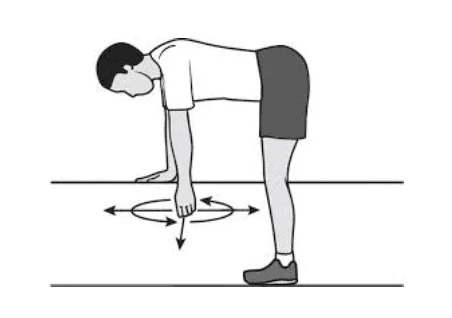
With one hand on the back of a chair, let your other arm hang loosely and circle it many times clockwise and counterclockwise. Then release and repeat on the other side of your shoulder. Doing this exercise a few times a day can help you gain flexibility and warm up your joints before a workout.
Across-the-chest stretch
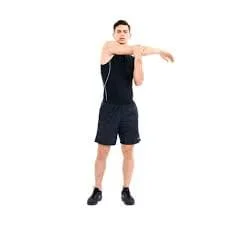
- Position your right arm over your chest.
- Insert it into the crease of your left elbow or use your left hand to support your arm.
- Hold this position for up to 1 to 3 minutes.
- Repeat on the other side.
- Repeat each side 3-5 times.
Neck release
- Lower your chin to your chest. patient will feel a stretch in the back of their neck.
- Gently bend your head to the left to extend your right shoulder.
- Hold this posture for up to one minute.
- Repeat on the other side.
- Repeat each side 3-5 times.
Shoulder stretch

- Squeeze your shoulder blades back and together and hold for a period of five seconds. Pull the patient’s shoulder blades downward and hold for 5 seconds. Relax and repeat the activity 10 times.
Resistance band stretch for shoulders
- Hold a yellow or red stretchy resistance band in your hands, fingers curled around it, facing inward. Your elbows should be bent at waist height, slightly above your hips, with your arms and hands aligned with your shoulders.
- Stretch the band to the furthest comfortable point while keeping your elbows at your sides. Hold for 10 counts. Gently move the patient’s hands back into line with your shoulders. Repeat this ten times. Try doing this workout three times each day.
Arm stretch (standing)
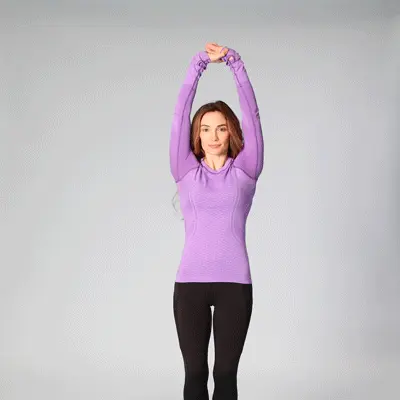
- Stand with the patient’s arms relaxed by your sides. Raise your arms as far as you feel comfortable and hold for 5-10 seconds. When you lift your arms, make sure your palms face each other. Lower and repeat five times.
- The patient can perform this exercise by lifting their arms in front of them or to the side. Doing part of each will stretch additional muscles.
Doorway shoulder stretch

- Stand in a doorway with your elbows and arms at a 90° angle.
- Step forward with the patient’s right foot, pressing the patient’s palms onto the door frame’s sides.
- Lean forward and engage your core. Hold this position for up to 30 seconds.
- Repeat the stretch with the patient’s left foot forward side.
- Repeat each side 2-3 times.
Downward Dog Pose

- Begin on your hands and knees. Lift your hips toward the sky by pressing your hands together.
- Maintain a small bend in your knees while you distribute your weight equally between your hands and feet.
- Keeping your spine straight, pull your head toward your feet and bend your shoulders above.
- Hold this stance for up to one minute.
Chest expansion
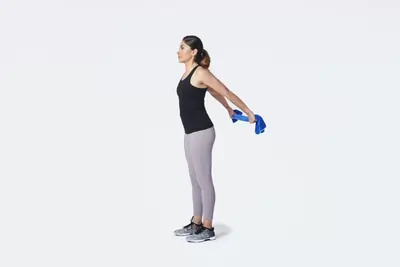
- Stand up and grasp an exercise band, strap, or towel behind your back with both hands.
- Move your shoulder blades closer together to broaden your chest.
- Lift your chin
- Look up at the ceiling.
- Hold for up to 30 seconds.
- Repeat 3 to 5 times.
Eagle arms spinal rolls

- While seated, extend your arms to the sides.
- Cross your elbows in front of your chest and place your right arm on top.
- Bend your elbows and bring the backs of your forearms and hands together.
- Bring your right hand around and put your palms together.
- Maintain this posture for 15 seconds.
- Exhale by twisting your spine and pulling your elbows in toward your chest.
- As you inhale, open your chest and lift your arms.
- Continue the exercise for one minute.
- Repeat on the opposite side.
Seated twist

- Sit on a mat, with your ankles exactly beneath your knees.
- Twist your upper body to the right, placing the back of your left hand against your thigh.
- Place your right hand down wherever it feels most comfortable.
- Hold for a few seconds.
- Repeat on the left side.
- Repeat each side 3-5 times.
Child’s Pose
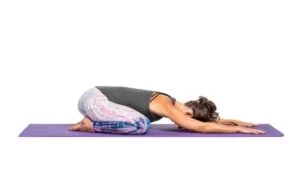
- In Downward-Facing Dog, bring your big toes together and widen your knees slightly beyond your hips.
- Sink your hips back to the patient’s heels and stretch the patient’s arms forward.
- Allow your chest to fall heavily to the floor, releasing your spine and shoulders.
- Hold this stance for up to 5 minutes.
When to Start Shoulder Physical Therapy
It might be difficult to determine when your shoulder pain is severe enough to require professional medical treatment, but a good rule of thumb is to contact your doctor as soon as your shoulder pain becomes obvious, especially if it prevents you from doing daily tasks. Your doctor may recommend that you see a physical therapist, but you are not required to wait for their referral. If you believe you may benefit from professional physical therapy, consulting with one will not harm you and will allow them to assess the severity of your injury.
Ideally, the sooner you consult a physical therapist and start physical therapy for your shoulder pain, the better. This is especially important if you feel you have an overuse injury, which frequently goes undetected until it is severe. The longer you delay a possible shoulder injury without proper treatment, the worse it will grow. Prevention is typically preferable to cure, but in the case of shoulder problems, beginning physical therapy as soon as possible can both prevent the condition from worsening and lessen the possibility that you will require surgery.
Leaving the injury untreated may cost you more money in the long term since a more serious injury may necessitate additional care. Furthermore, contacting a competent physical therapist who is knowledgeable about human anatomy is a wonderful approach to help you correct any challenging activities or habits you may have, helping you to heal while effectively preventing future injuries.
Can shoulder pain be prevented?
- Wearing protective clothing.
- Stopping an activity when you experience pain.
- Allowing your body to rest and recuperate from activities.
- Stretching, warming up, and cooling down prior to and following physical activity.
FAQ
What is the treatment option for shoulder pain?
Rest and activity modification: Avoid heavy lifting, overhead reaching, and any other motions that aggravate your pain.
Ice and heat therapy: To minimize acute swelling, use an ice pack for 15 to 20 minutes at a time throughout the first 48 to 72 hours. After 72 hours, switch to a heating pad to relax tense muscles and enhance blood circulation.
Pain relievers: To treat pain and swelling, take over-the-counter nonsteroidal anti-inflammatory medicines (NSAIDs) such as ibuprofen or naproxen.
Gentle movement: Do basic pendulum swings or mild stretches to avoid stiffness.
Can carpal tunnel syndrome induce shoulder pain?
Carpal tunnel syndrome is a disorder that causes pain and weakness in the hands and wrists. Carpal tunnel syndrome symptoms might cause problems with your shoulder. Changing how you move or hold your hand or wrist might place stress on your shoulder, resulting in shoulder pain. When you are experiencing discomfort in your hand and wrist, it is easy to overlook or dismiss the pain in your shoulder.
Can shoulder pain affect other areas of my body?
It is typical for shoulder pain to transfer to other regions of the body, such as the neck. The shoulder connects the patient’s arm to their torso, so pain & discomfort and pain can spread from your shoulder to other parts of your body.
Should I worry if I have shoulder area pain?
Shoulder soreness is common. If you have significant shoulder pain that worsens or lasts more than a few days, you may have a shoulder injury or an underlying medical issue causing shoulder pain. Pain and swelling may also indicate a shoulder injury. If you have significant shoulder discomfort that lasts for more than a day, limits your motion, or stops you from going about your daily activities, see a doctor.
How can I sleep with shoulder pain?
Shoulder pain might impair your ability to fall asleep and remain asleep. If you are in discomfort, try the following strategies to help you fall asleep:
Sleep on your back rather than on your side.
To keep your injured shoulder level and supported, put the arm on a blanket or cushion.
Use a memory foam pillow.
References
- Lux, M. (2022, November 30). Best physical therapy methods for treating shoulder pain & injuries. Ortho Bethesda. https://www.orthobethesda.com/blog/best-physical-therapy-methods-for-shoulder/
- Cronkleton, E. (2025, February 28). Top 10 exercises to relieve shoulder pain and tightness. Healthline. https://www.healthline.com/health/shoulder-pain-exercises#doorway-stretch
- Exercises for the shoulders. (n.d.). Arthritis UK. https://www.arthritis-uk.org/information-and-support/living-with-arthritis/health-and-wellbeing/exercising-with-arthritis/exercises-for-healthy-joints/exercises-for-the-shoulders/