16 Best Exercises for Scoliosis In Adults
Introduction
Scoliosis in adults is a condition in which the spine develops an abnormal sideways curve, often accompanied by rotation of the vertebrae. It may develop in adulthood because of age-related changes in the spine, or it may be a continuation of scoliosis that began earlier in life. Some adults experience no symptoms, while others may have back pain, muscle stiffness, reduced flexibility, posture changes, or difficulty with daily activities.
Exercise can play an important role in managing scoliosis in adults. A well-designed exercise program may help improve spinal mobility, strengthen the core and supporting muscles, improve posture and balance, and reduce pain. However, select exercises based on the individual’s spinal curve, symptoms, physical abilities, and overall health.
Physiotherapy-guided exercises can be particularly helpful because they can be modified to address the person’s specific needs. Gentle stretching, core stabilization, breathing exercises, posture training, and strengthening activities are commonly incorporated into scoliosis management.
Exercises should be performed with proper technique, and movements that increase pain should be avoided. With regular practice and appropriate guidance, adults with scoliosis can work toward better movement, improved muscular support, and greater confidence in their daily activities.
Exercises for Scoliosis In Adults
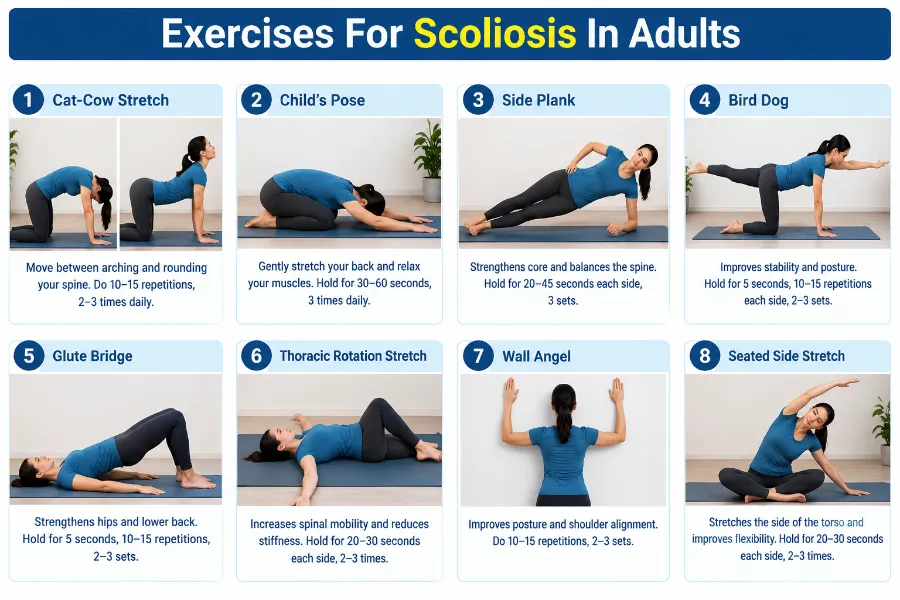
Cat-Cow Stretch
How to do it:
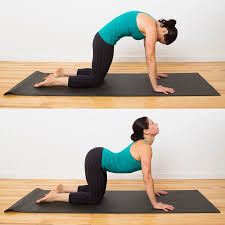
- Place your hands behind your shoulders and your knees under your hips as you begin on all fours.
- Breathe in while lowering your abdomen and raising your head and spine (Cow Pose).
- Breathe out as you tuck your chin and spine into Cat Pose, rounding your back.
- For ten to fifteen quiet, controlled breaths, repeat this cycle.
Benefits
- Enhances segmental flexibility and mobilizes the whole spine.
- Releases tension in the neck, shoulders, and back.
- Improves postural awareness and the mind-body connection.
Pelvic Tilts
How to do it:
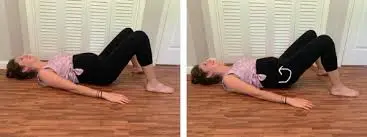
- Lying on your back.
- Bend your knees.
- Keep your feet flat.
- Press the small of your back onto the floor while tightening your core.
- After five seconds of holding, let go.
- Repeat ten to fifteen times.
Benefits
- Strengthens the muscles in the abdomen that support the spine.
- Improves posture
- Reduces pain.
- Reduces anterior pelvic tilt and enhances pelvic alignment.
Child’s Pose:
How to do it:
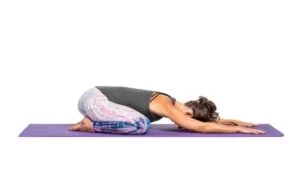
- Bring your big toes together, sit back on your heels, and kneel on the ground.
- Place your forehead on the ground and extend your arms in front of you.
- Take a deep breath and hold it for 30 to 60 seconds.
Benefits
- Decompresses the lower spine gently.
- Reduces hip and back stiffness.
- Promotes diaphragmatic, deep breathing to relax the nervous system.
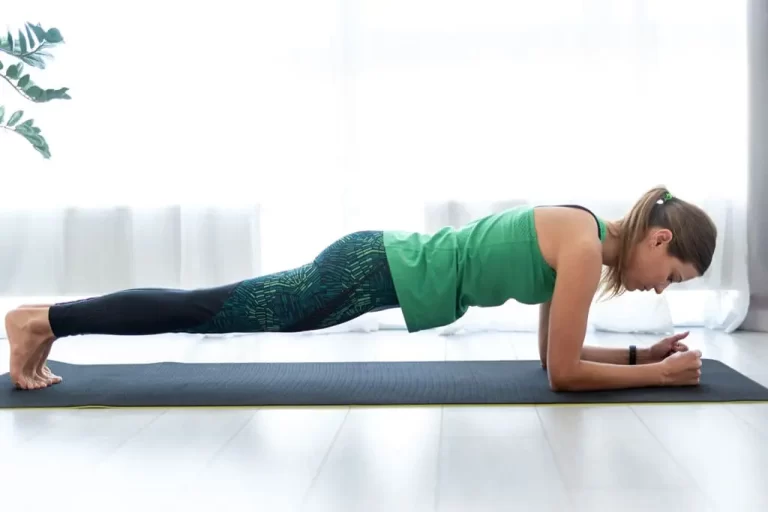
Plank Pose
How to do it

- Lift yourself onto your forearms and toes while lying face down.
- Maintain a straight posture while using your core.
- Hold for 20 to 60 seconds.
- Do this two or three times.
Benefits
- Strengthens the spinal stabilizers and deep core muscles.
- Minimizes muscle imbalances that could worsen scoliosis.
- Improves coordination and body control.
Latissimus Dorsi Stretch
How to do it:
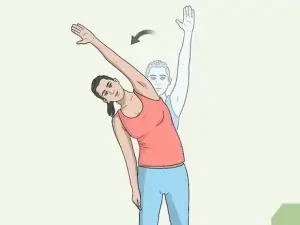
- Place your feet shoulder-width apart.
- Gently bend to the other side while raising one arm above.
- After 30 seconds of holding, switch positions.
Benefits
- The side of the back is affected when the spinal curvature is stretched.
- Reduces compression and improves muscle symmetry.
- Increases the flexibility of the thoracic spine.
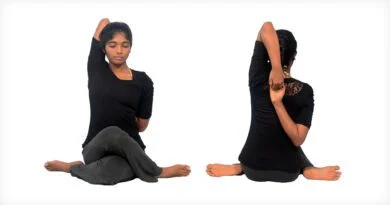
Seated Spinal Twist
How to do it:
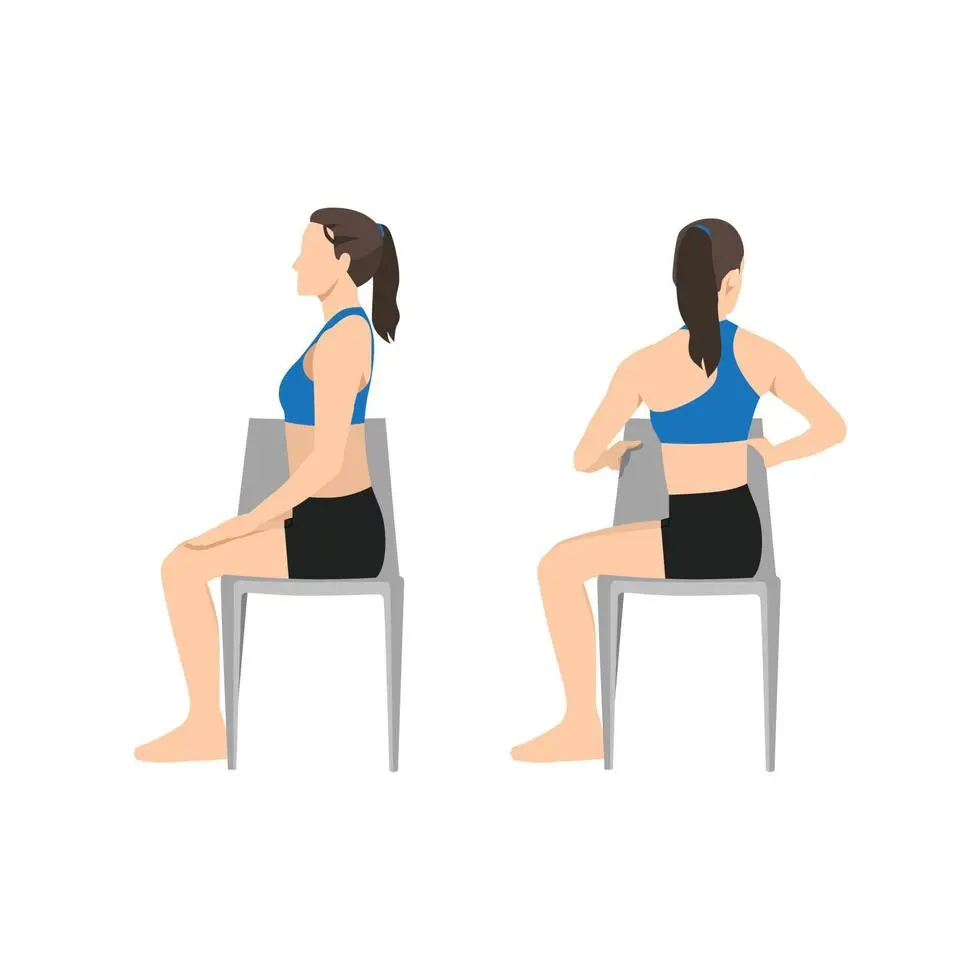
- You sit on the floor or chair.
- Put one hand on your knee and the other behind you.
- Twist your body gradually
- Hold it for 20 to 30 seconds.
- On the opposite side, repeat.
Benefits
- Improves the spine’s mobility and rotation.
- Improves spinal symmetry and relieves strain.
- Improves muscle balance and straight posture.
Knee To Chest Stretch
How to do it:
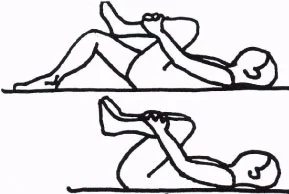
- With both legs straight, lie on your back.
- Holding one knee with your hands, bring it closer to your chest.
- Maintain a stretched, grounded leg on the other side.
- After holding for 30 seconds, switch legs.
Benefits
- Treats pelvic imbalances and tight hip flexors.
- Improves leg alignment and reduces tension on the lower back.
- Allows both sides of the pelvis to support the same amount of weight.
Thoracic Extension On Foam Roller
How to do it:
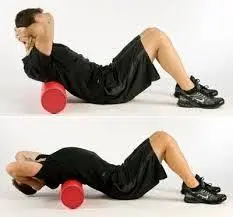
- Lying down, place a foam roller under your upper back.
- Gently stretch back over the roller while supporting your head.
- 8–10 controlled repetitions should be performed.
Benefits
- Reverses the slouching forward position.
- Improves rib mobility and thoracic extension.
- Reduces pain and stiffness in the mid-back.
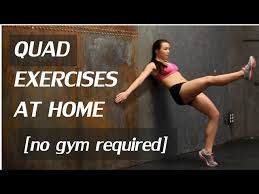
Wall Angels
How to do it:
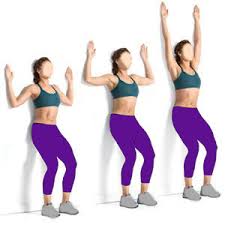
- Place your head, back, and arms in contact with the wall while you stand against it.
- Raise and drop your arms gently while keeping your elbows bent at a 90-degree angle.
- Maintain contact with the wall while performing ten slow repetitions.
Benefits
- Strengthens the muscles in the upper back and scapular stabilizers.
- Improves spinal alignment and shoulder mobility.
- Corrects bad posture and rounded shoulders.
Modified Side Plank
How to do it:
- Bend your knees (beginner) or straighten your legs (advanced) while lying on your side.
- Using your forearms as support, raise your hips off the ground.
- Change sides after holding for 15 to 30 seconds.
Benefits
- Improves side-to-side balance and strengthens oblique muscles.
- Strengthens the spinal stabilizers, which are important in cases of scoliosis.
- Improves trunk control and muscular symmetry.
Abdominal Press
How to do
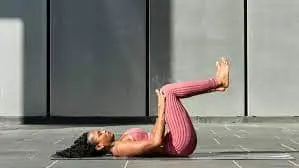
- An abdominal press requires you to lie on your back with your feet flat on the floor.
- Then raise your legs off the ground so that they make a straight angle. (Your calves should be at a right angle to your thighs, and your thighs to your chest.)
- To strengthen your abdominal muscles at this point, you must push on your knees with your hands without letting them move.
- For best results, repeat this after around 10 seconds.
Posture Practicing
How to do
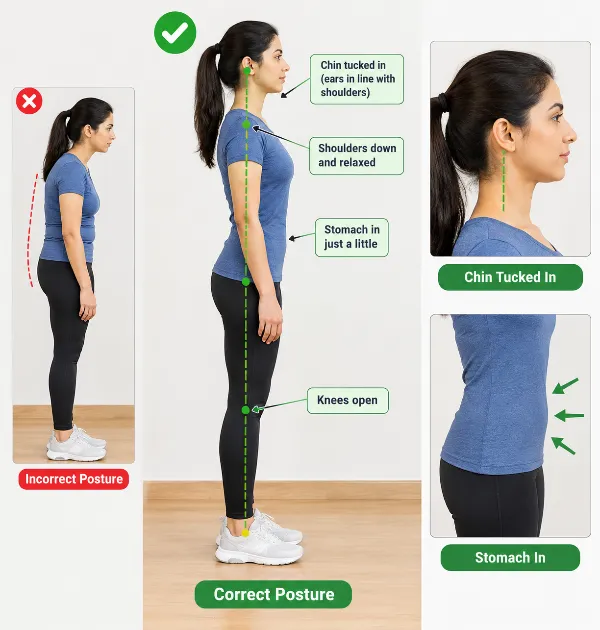
- It is really easy to achieve this result.
- To begin, simply stand with your shoulders down, your back relaxed.
- Make sure your chin is tucked in just enough to avoid going too far forward or inward, and that your ears are in line with your shoulders.
- Make sure to keep your knees open and bring your stomach in just a little at the same time.
- Your body will learn to naturally assume this position as you go about your day if you only practice this easy exercise a few times a day.
Upward Dog
How to do
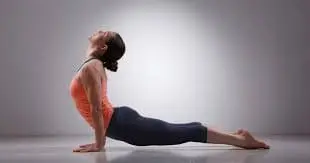
- Start this exercise on your hands and knees, making sure your elbows line up with your shoulders.
- After that, you should lower your hips and shoulders in the same manner.
- Make sure to look away from the ceiling and to stretch your chest outward during this phase.
- Lift your thighs off the floor and take a deep breath to finish the exercise.
- Make sure to repeat this exercise according to your comfort level, just like you would with every other exercise on this list.
- The lower back muscles, which are crucial for stabilizing the lumbar spine, are stretched out with upward dog.
Split Stance Arm Reach
How to do
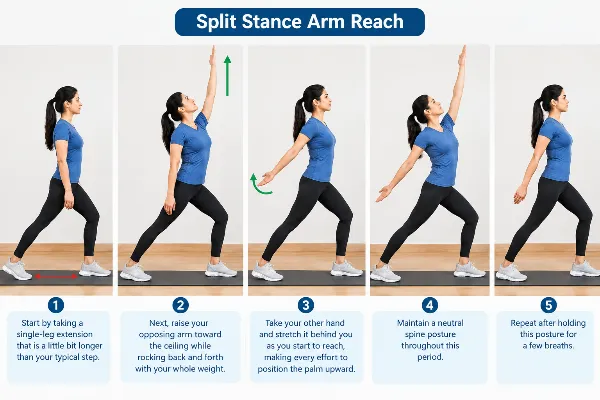
- Patients with scoliosis benefit greatly from this standing exercise routine.
- Start by taking a single-leg extension that is a little bit longer than your typical step.
- Maintaining a neutral spine posture is important throughout this period.
- Next, raise your opposing arm toward the ceiling while rocking back and forth with your whole weight.
- Take your other hand and stretch it behind you as you start to reach, making every effort to position the palm upward.
- Repeat after holding this posture for a few breaths.
Downward Dog
How to do
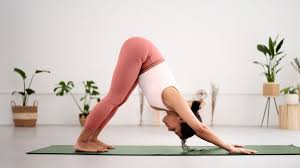
- It is the same to begin on your hands and knees with your elbows in line with your shoulders.
- Then, without locking your arms, raise your hips toward the ceiling and back while bringing your chest closer to your legs.
- During this phase, be sure to raise your pelvis to maintain spinal alignment.
- Your toes should point in the direction of your head, and your feet should line up with your hips.
- Once you’re in this posture, hold it for a few breaths before letting go.
Hip Roll
How to do
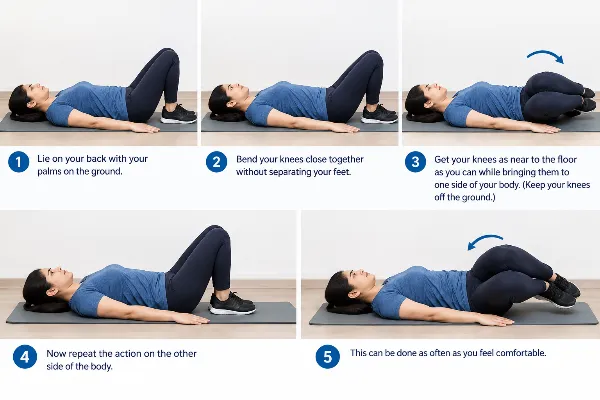
- Your oblique and abdominal muscles are the focus of this routine exercise.
- You can rotate your body, for example, with the help of your obliques.
- You must first lie on your back with your palms on the ground.
- Bend your knees close together without separating your feet.
- The objective at this stage is to get your knees as near to the floor as you can while bringing them to one side of your body. (Keep your knees off the ground.)
- Now switch to the opposite side of your body and repeat the process.
- This can be done as often as you feel comfortable.
Things To Avoid
- Certain exercises and activities could worsen the symptoms of scoliosis or raise the possibility of further damage. Scoliosis sufferers should stay away from:
- When using a smartphone, for example, they keep their head down and their neck bowed forward.
- Participating in high-contact sports like football. Those who have scoliosis may be at risk from them.
- Repeatedly extending the body, which can happen in gymnastic moves, ballet steps, and some yoga poses.
Exposing the spine to repeated blows from running or jumping. - Trampolines, horseback riding, and long-distance jogging on hard surfaces are common offenders.
Tips for Managing Scoliosis Exercise Effectively
Begin Slowly: Start with simple movements, paying attention to control and form. Increase the time and intensity gradually.
Track Your Progress: Keep a journal to record your postural modifications, flexibility, and pain levels.
Breathe deeply: Concentrated breathing improves oxygen flow to tissues and eases tense muscles.
Use Props: Exercises may be made safer and more effective by using foam rollers, resistance bands, and yoga blocks.
Have patience; things won’t change right now. Remain dedicated and accept minor advancements.
Conclusion
Exercise can be an important part of managing scoliosis in adults. A regular, individualized exercise program may help improve core strength, spinal stability, posture, flexibility, balance, and overall mobility while reducing discomfort and improving daily function. Exercises such as pelvic tilts, cat-cow stretches, bird dog, bridges, side planks, and gentle stretching can be useful when performed with proper technique.
However, scoliosis varies from person to person, so exercises should be selected according to the spinal curve, symptoms, physical ability, and overall health. Avoid exercises that increase pain, numbness, tingling, or weakness. For the best results, consult a physiotherapist or healthcare professional for a personalized exercise program and guidance on safe progression. Consistency, correct technique, and gradual strengthening are key to supporting a healthier and more functional spine.
Living with adult scoliosis does not mean that physical activity should be avoided. A well-planned exercise program can help improve spinal mobility, muscle strength, posture, balance, and confidence during everyday activities. Exercises that focus on the core, hips, back, and breathing can provide valuable support to the spine and may help manage stiffness and pain.
FAQs
What activity should be avoided with scoliosis?
Activities involving severe spinal compression, repeated twisting, excessive hyperextension, or high-impact jarring should typically be avoided by people with scoliosis.
Can I correct my scoliosis naturally?
While a structural spine curvature cannot be totally cured or reversed on your own, conservative natural treatments can help control pain, enhance posture, and stop it from getting worse.
What is the best sleeping position for scoliosis?
The ideal sleeping position for scoliosis is flat on your back because it maintains a neutral alignment of your spine and distributes your body weight equally.
What are the latest treatments for scoliosis in adults?
Improved non-surgical curve correction, robotic-assisted minimally invasive surgery, and motion-sparing technologies are the main focus of new therapies for adult scoliosis.
What worsens scoliosis?
The main factors that cause a scoliosis curve to worsen over time are rapid growth during puberty, natural aging, and gravity.
While some physical activities and lifestyle choices might raise spinal strain, speed joint deterioration, or increase pain and progression, external factors such as bad posture or carrying large backpacks do not cause scoliosis.
How to stop scoliosis from getting worse in adults?
You may support your spine and reduce unequal pressure with specific physical therapy, core-strengthening activities, and routine medical monitoring to stop adult scoliosis from getting worse.
Adults’ structural spinal curvature cannot be reversed by exercise or conservative treatment, although they can help control symptoms and maintain alignment.
References
- 12 Scoliosis Exercises for Pain Relief | Jason Lowenstein, MD. (n.d.). Dr. Jason Lowenstein | Scoliosis & Spinal Deformities Surgeon. https://jasonlowensteinmd.com/12-scoliosis-exercises-for-pain-relief/
- Sakra World Hospital. (2026, August 26). 10 Best scoliosis Exercises and Stretches for Pain relief & Posture. Sakra World Hospital. https://www.sakraworldhospital.com/blogs/10-scoliosis-exercises-and-stretches/450
- Ames, H. (2024, March 1). The 7 best stretches and exercises for scoliosis. https://www.medicalnewstoday.com/articles/325385