Skip to content
Physical Therapy us Logo

Physical Therapy Treatment and Exercise

  • Home
  • About Us
  • DiseaseExpand
    • Orthopedic Conditions
    • Autoimmune Diseases
    • Pulmonary Diseases
    • Neurological Diseases
    • Psychological disorders
    • Rheumatic Disease
  • Physical TherapyExpand
    • Electrotherapy
    • Rehabilitation
  • AnatomyExpand
    • Body Joint
    • Muscle
    • Nerve
  • TreatmentExpand
    • Treatment Technique
    • Medicine
    • Surgery
    • Health Tips
  • ExerciseExpand
    • Stretching Exercises
    • Strengthening Exercises
    • Yoga Pose
  • Contact Us
Physical Therapy us Logo
Physical Therapy Treatment and Exercise
  • Finger-dislocation
    Orthopedic Conditions | Injury | Joint Pain

    Finger Dislocation

    ByDr.Trusha Vaghela February 26, 2025February 26, 2025

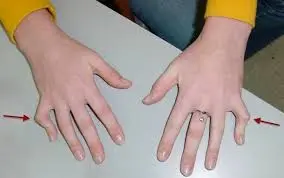
    Introduction A finger dislocation occurs when the bones of a finger are forced out of their normal position, often due to a sudden impact, fall, or sports injury. It typically causes pain, swelling, deformity, and difficulty moving the finger. Prompt medical attention is crucial to realign the joint and prevent complications. A common hand injury…

    Read More Finger DislocationContinue

  • Thumb Arthritis
    Disease | Joint Pain | Orthopedic Conditions

    Thumb Arthritis

    ByDr.Neha Kachhadiya February 26, 2025February 26, 2025

    Thumb Arthritis: What is it? Thumb arthritis develops when the cartilage that cushions your thumb joints begins to degrade and wear out. Osteoarthritis is the term for this kind of arthritis. The basal joint at the base of your thumb is where osteoarthritis most frequently appears. The thumb carpometacarpal (CMC) joint is another name for…

    Read More Thumb ArthritisContinue

  • wrist and hand examination
    Physical Examination | Diagnosis

    Wrist and Hand Examination

    ByDr.Nidhi Patel February 25, 2025February 25, 2025

    A wrist and hand examination involves a detailed assessment of the anatomical structures, function, and range of motion of the wrist, hand, and fingers. It includes inspection, palpation, evaluation of joint movements, strength testing, and special tests to identify conditions such as fractures, tendon injuries, carpal tunnel syndrome, arthritis, and other musculoskeletal or neurological disorders….

    Read More Wrist and Hand ExaminationContinue

  • cervical spine examination
    Physical Examination | Diagnosis

    Cervical Spine Examination

    ByDr.Nidhi Patel February 25, 2025February 25, 2025

    What is a Cervical Spine Examination? A cervical spine examination assesses the neck region’s structure and function, focusing on posture, alignment, range of motion, and potential sources of pain or dysfunction. The examination involves inspection, palpation, movement assessment, and neurological testing, including motor, sensory, and reflex evaluations of the upper limbs. It is essential for…

    Read More Cervical Spine ExaminationContinue

  • Aphasia
    Disease | Neurological Diseases

    Aphasia

    ByDarshan Ladumor February 25, 2025February 25, 2025

    Introduction: Aphasia is an acquired language problem caused by injury to the brain’s language centers, marked by difficulties in verbal or written expression, comprehension, or both. Most cases of aphasia contain a combination of these deficits, impacting several language functions. Broca and Wernicke aphasia, conduction aphasia, transcortical motor or sensory aphasia, and alexia, with or…

    Read More AphasiaContinue

  • Exercises for Get rid of Hip Dips
    Exercise | Strengthening Exercises | Stretching Exercises

    16 Best Exercises for Get rid of Hip Dips

    ByDr.Bhoomika Bariya February 25, 2025February 25, 2025

    To reduce the appearance of hip dips, focus on exercises that target the glutes, hips, and thighs to build muscle and enhance curves. Key exercises include Hip Thrusts, Glute Bridges, Clamshells, Side Leg Raises, Fire Hydrants, and Squats. Consistency with strength training and a balanced diet can help achieve smoother hip contours over time. Let…

    Read More 16 Best Exercises for Get rid of Hip DipsContinue

  • Alcoholic-neuropathy
    Disease | Neurological Diseases | Paralysis | Physical Therapy

    Alcoholic Neuropathy

    ByDr.Trusha Vaghela February 25, 2025February 25, 2025

    Introduction Alcoholic Neuropathy is a condition characterized by nerve damage resulting from chronic and excessive alcohol consumption. It primarily affects the peripheral nerves, leading to symptoms such as numbness, tingling, pain, and muscle weakness, typically in the limbs. Alcohol’s toxic effects on nerves, combined with nutritional deficiencies (especially B vitamins) common in heavy drinkers, contribute…

    Read More Alcoholic NeuropathyContinue

  • knuckle cracking
    Disease | Health Tips | Orthopedic Conditions

    Does Cracking Your Knuckles Cause Arthritis?

    ByDr.Neha Kachhadiya February 25, 2025February 25, 2025

    Introduction: When a person cracks their knuckles, the surrounding muscles relax and the pressure in their joints is released. It is unlikely to result in arthritis or other issues, although it can increase the joint’s feeling of mobility. Popping, cracking, creaking, grinding, and snapping sounds can be produced by joints, particularly those in the neck,…

    Read More Does Cracking Your Knuckles Cause Arthritis?Continue

  • Cervical Degenerative Disc Disease
    Disease | Joint Pain | Orthopedic Conditions | Physical Therapy

    Cervical Degenerative Disc Disease

    ByDr.Neha Kachhadiya February 25, 2025February 25, 2025

    Cervical Degenerative Disc Disease: What is it? Cervical Degenerative Disc Disease (CDDD) is a condition where the intervertebral discs in the neck (cervical spine) gradually deteriorate due to aging, wear and tear, or injury. This degeneration can lead to reduced disc height, loss of cushioning between vertebrae, and sometimes the formation of bone spurs. Common…

    Read More Cervical Degenerative Disc DiseaseContinue

  • kernig sign
    Diagnosis | Physical Examination

    Kernig’s Sign

    ByDr.Mahima Thakkar February 24, 2025February 24, 2025

    What is Kernig’s Sign? Kernig’s sign is a clinical test for meningeal irritation, often seen in meningitis. It is positive when extending the knee from a flexed hip position causes pain or resistance in the hamstrings, suggesting meningeal inflammation. To check for meningeal irritation, it is frequently evaluated along with Brudzinski’s sign. Purpose The Kernig’s…

    Read More Kernig’s SignContinue

Page navigation

Previous PagePrevious 1 … 49 50 51 52 53 … 126 Next PageNext
  • Home
  • About Us
  • Disease
  • Orthopedic Conditions
  • Treatment Technique
  • Health Tips
  • Exercise
  • Anatomy
  • Contact Us
  • Privacy Policy
  • DISCLAIMER

Medical Disclaimer: The information provided on this website is for educational and informational purposes only and is not intended as medical advice. Always consult with a qualified healthcare professional or licensed physical therapist before beginning any new exercise or rehabilitation program.

  • Thumb Arthritis Exercises
  • Osteoporosis Exercises Home Program: Safe Exercises for Stronger Bones
  • 10 Best Exercises for Shoulder Bursitis
  • Exercises to Fix Tech Neck Hump: Best Exercises & Stretches
  • Exercises for Diastasis Recti: Safe & Effective Core Exercises

© 2026 Physical Therapy Treatment and Exercise - WordPress Theme by Kadence WP

Scroll to top
  • Home
  • About Us
  • Disease
    • Orthopedic Conditions
    • Autoimmune Diseases
    • Pulmonary Diseases
    • Neurological Diseases
    • Psychological disorders
    • Rheumatic Disease
  • Physical Therapy
    • Electrotherapy
    • Rehabilitation
  • Anatomy
    • Body Joint
    • Muscle
    • Nerve
  • Treatment
    • Treatment Technique
    • Medicine
    • Surgery
    • Health Tips
  • Exercise
    • Stretching Exercises
    • Strengthening Exercises
    • Yoga Pose
  • Contact Us
Search