Exercises for Diastasis Recti: Safe & Effective Core Exercises
Introduction:
Diastasis recti, also known as separation of the recti, is a stretching of the linea alba accompanied by an atypical enlargement of the space between the two medial sides of the rectus abdominis muscle.
Whether or not a belly protrusion is pathological is often determined by its degree, and the degree of expansion necessary for the diagnosis is debatable. However, depending on gender, parity, and, if postpartum, the time since birth, >15–25 mm is typically considered abnormal. Additionally, the normal breadth depends on the level at which the linea alba is evaluated.
The difference in diastasis is caused by the rectus muscles’ attachment to bony prominences, such as the pubic symphysis and muscle attachments from the internal and external oblique. The middle and upper parts of the rectus muscle have no bony attachments, and a radiological examination showed that the widest diastasis was felt above the umbilicus.
Your body goes through several remarkable adjustments to support your developing kid during pregnancy. The enlargement of your abdominal muscles is one of them: The rectus abdominis muscle’s left and right sides split apart as your pregnancy goes on, and your linea alba extends to accommodate the growing baby.
As a result, many women experience an indentation in the middle of their tummies, directly along the middle of the six-pack area, following pregnancy. However, for some mothers, that gap is more than usual and requires assistance in closing. Diastasis recti is the term for this broader gap.
While some postpartum separation is typical, when the gap is large, it is referred to as diastasis recti. A common condition that affects roughly 60% of postpartum women is diastasis recti.
Abdominal separation frequently resolves on its own, but diastasis recti may be improved with focused activities that activate your deep core muscles.
How to know if you have diastasis recti:
You may already suspect that you have diastasis recti if you have symptoms like back pain, abdominal weakness, or a bulge in the middle of your abdominal muscles.
When you lean back or stand up from a reclining position, your stomach may also resemble a cone or dome. You might be able to identify your diastasis recti at home, but it’s ideal to have a doctor, physical therapist, or other qualified specialist diagnose it during an examination.
To test for diastasis recti:
- Bend your knees and put your feet flat on the floor while lying on your back.
- Feel along the depression in the middle of your stomach as you raise your head off the ground to activate your rectus, or six-pack, muscles. The tissue that stretched during pregnancy is known as the linea alba.
- Feel immediately above and below in a vertical line starting at the belly button. If you can apply pressure with your fingertips, you may have a separation.
Once more, a tiny gap is typically regarded as normal. It’s crucial to measure the gap’s width and gently press down to see if your fingers slide straight down or if there is any resistance or pushback. Your doctor or a physical therapist can check the width and, more crucially, the depth of the split.
Best exercises for diastasis recti:
Sometimes diastasis recti resolves on its own. However, workouts that strengthen the deepest abdominal muscle, the transverse abdominis, can help mend and support the strained muscles.
Your TVA muscle may be rebuilt using the following workouts. Regaining strength in your diaphragm and pelvic floor, which operate in tandem with your ab muscles, is also crucial. When performing these exercises, keep in mind to breathe and activate your pelvic floor.
You will experience more tension the more TVA strengthening you undertake. Track your development over time. You should be prepared to add more ab exercises when your gap feels reasonably stable, like a trampoline.
Exercises that are too hard can actually worsen diastasis recti, so avoid performing any crunches or planking until you have strengthened your core and begun to bridge the gap.
Remember that performing all of these exercises at once can be too much if you’re just starting to exercise again after giving birth. Talk to your therapist about the best treatment option for you before you begin.
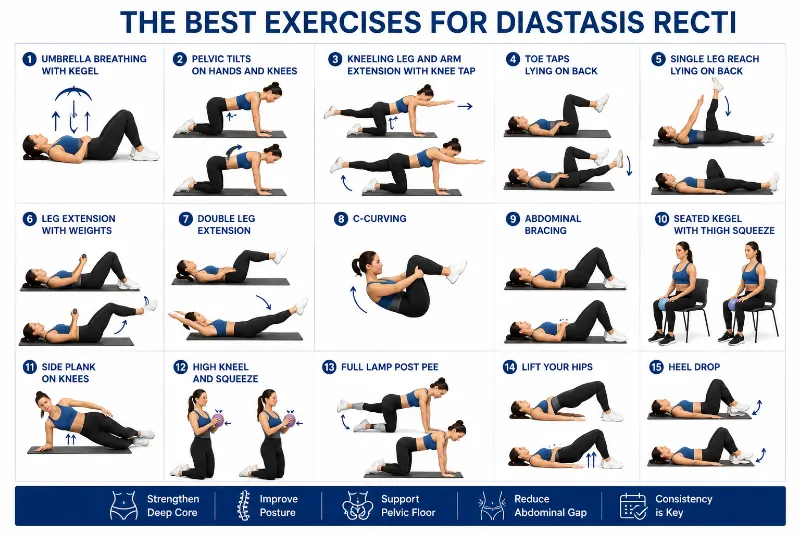
Umbrella breathing with Kegel:
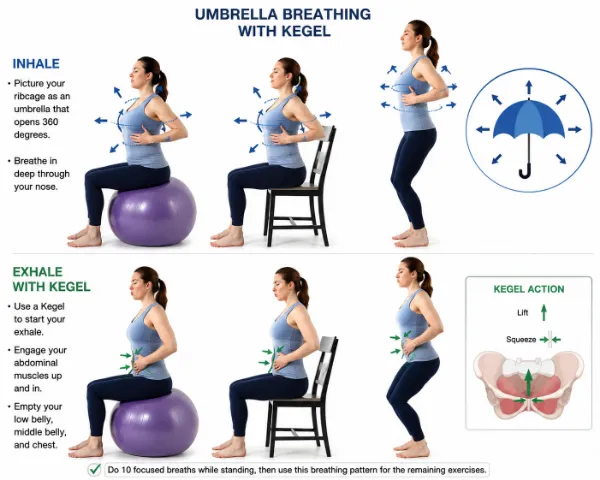
- Start either sitting on a yoga ball or chair, or standing with your knees slightly bent.
- When you inhale, picture your ribcage as an umbrella that opens 360 degrees.
- Use a Kegel to start your exhale. Work your abdominal muscles up and in as you empty your low belly, middle belly, and chest.
- You can utilize this breathing pattern for the remaining exercises after doing ten focused breaths while standing.
Pelvic tilts on hands and knees:
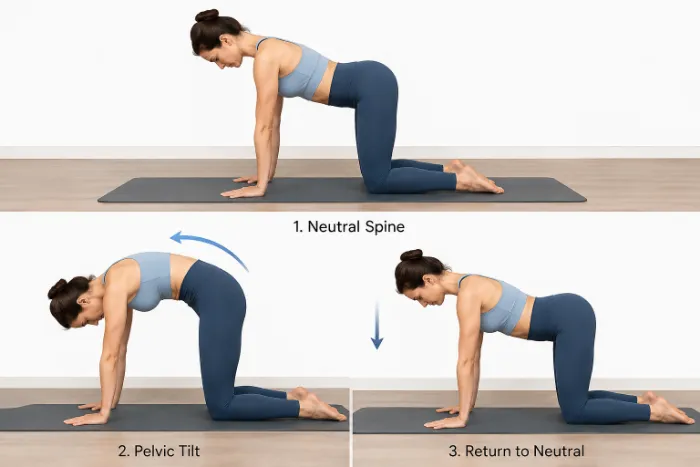
- Start on your hands and knees, keeping your spine neutral.
- Inhale deeply into the sides of your rib cage, then release the air with a Kegel, pulling your tailbone down and down into a curled spine.
- Breathe in as you return to neutral. Be sure to relax your glutes and begin with your lower abdomen. The cow position is not advised for severe diastasis recti.
- Tilt ten times at a leisurely pace.
Kneeling leg and arm extension with knee tap:
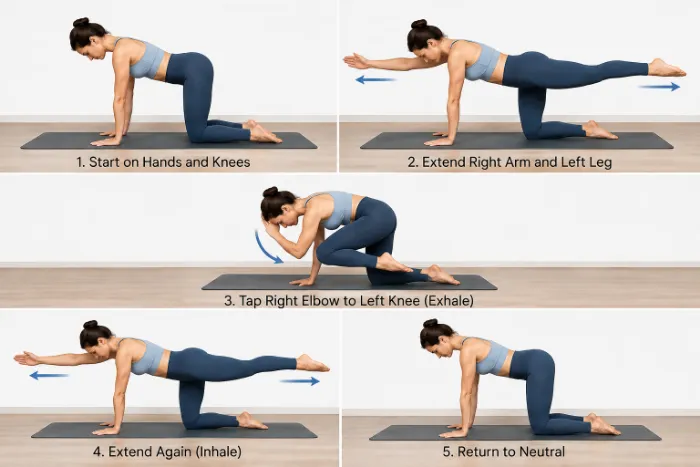
- While on your hands and knees, release the breath and lift your core toward your spine.
- As you breathe in, keep your core contracted. Then, extend your right arm forward and your left leg straight behind you.
- Breathe out, tap your right elbow in the direction of your left knee, then take a deep breath, stretch both limbs, and return to neutral.
- For ten repetitions on each side, switch sides.
Toe taps lying on back:
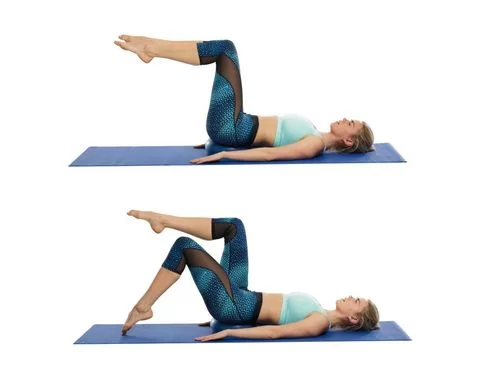
- Place your legs in a tabletop posture while lying flat on your back, with your knees exactly over your hips. Make sure you’re not bending your pelvis or arching your back.
- Drawing in your core and keeping your pelvis in alignment, take a breath into your rib cage and release it as you tap your right foot to the floor.
- Inhale as you return to neutral.
- Do ten repetitions on each side.
Single-leg reach lying on back:
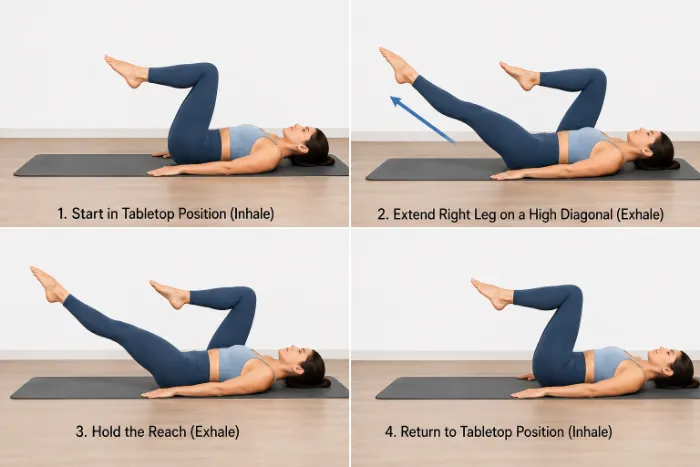
- As you exhale, extend your right leg far on a high diagonal while maintaining the tabletop posture.
- Breathe as you return to neutral.
- Do ten repetitions on each side.
- Create a new window
Leg extension with weights:
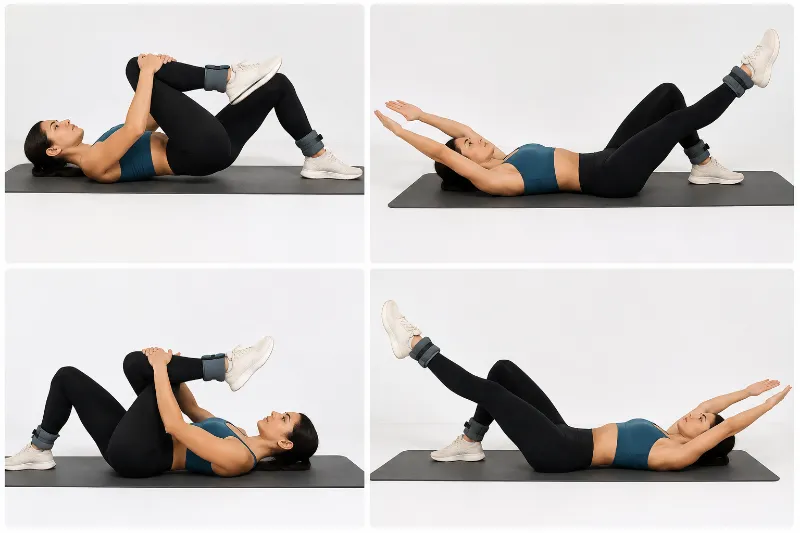
Add one or two pounds of weight after you’ve tried this exercise without any until you feel comfortable.
- Place your feet hip-width apart and begin on your back. Take a deep breath and pull your right knee into a tabletop posture, framing it with your arms.
- Reach your leg on a high diagonal with your arms just over your head as you release the breath, being careful not to arch your back.
- Return to the tabletop and inhale deeply.
- Do ten repetitions on each side.
Double-leg extension:
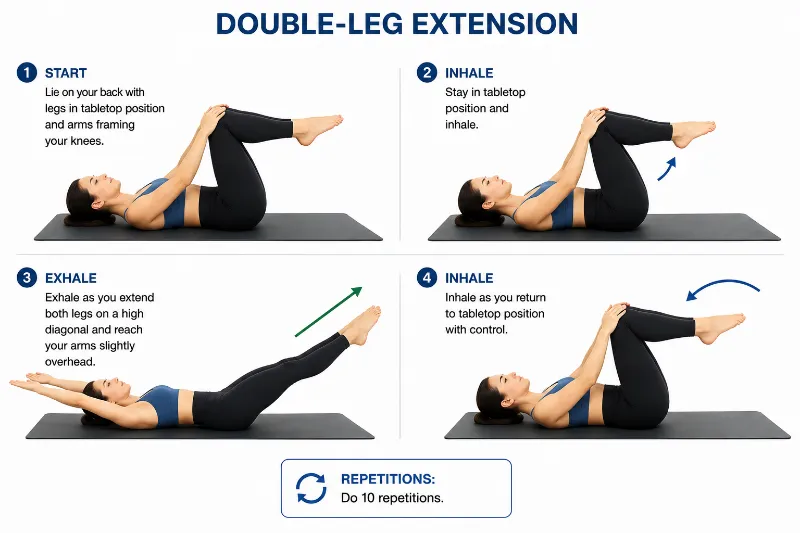
Try this movement after you’re comfortable extending one leg. Once more, don’t use any weights at the start; if you’re ready, add them.
- Start with both legs in the tabletop position, keeping your pelvis still and your back flat. Inhale as your arms frame your knees, and exhale as you reach your legs on a high diagonal with your arms slightly overhead.
- On the inhale, return to neutral.
- Do ten repetitions.
C-curving:
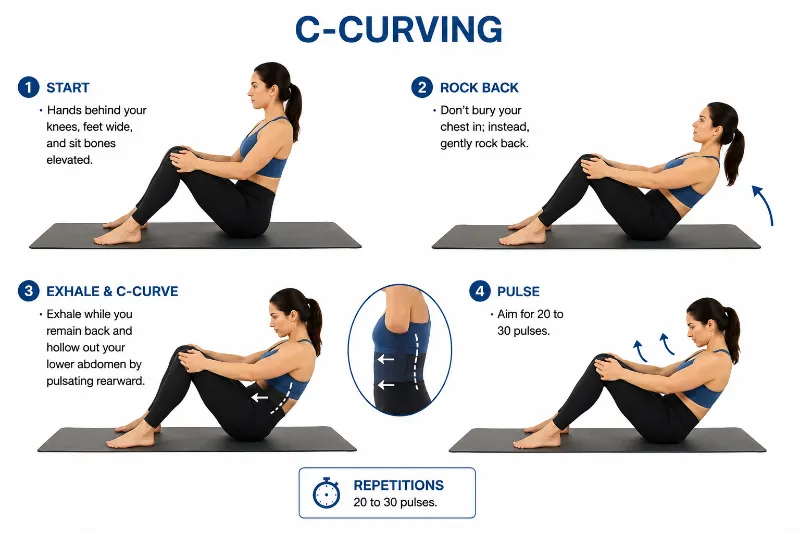
- Start with your hands behind your knees, feet wide, and your sit bones elevated.
- Don’t bury your chest in; instead, gently rock back.
- Breathe out while lying back, then pulse backward to hollow down your lower abdomen.
- Aim for 20 to 30 pulses.
Abdominal bracing:
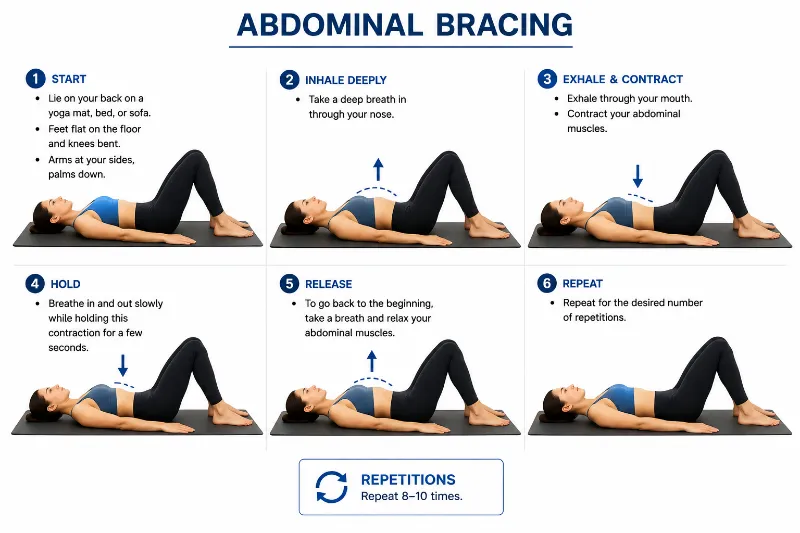
- With your feet flat on the ground and your knees bent, lie on your back on a yoga mat, bed, or couch.
- Palms down, rest your arms at your sides.
- Inhale deeply.
- Contract your abdominal muscles as you exhale.
- Hold this contraction for a few seconds while you gently inhale and exhale.
- Take a breath and relax your abdominal muscles to return to the starting point.
Seated Kegel with thigh squeeze:
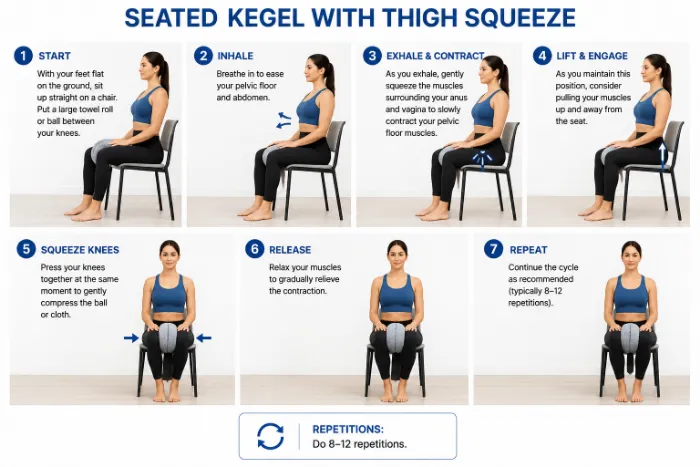
- With your feet flat on the ground, take a chair and sit up straight. Place a big ball or roll of towels between your knees.
- Take a deep breath to relax your abdominal and pelvic floor. Slowly contract your pelvic floor muscles as you exhale by softly squeezing the muscles around your anus and vagina.
- Pull your muscles up and away from the seat as you hold this position.
- Gently compress the ball or cloth by simultaneously pressing your knees together.
- Relax your muscles to gradually relieve the contraction.
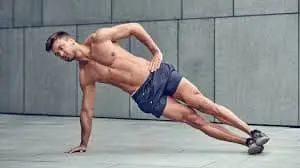
Side plank on knees:
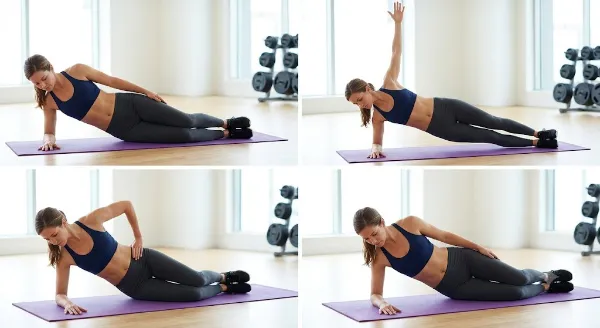
- Bend your knees and cross your legs while lying on your side on a yoga mat.
- Place your forearm on the floor beneath your shoulder.
- Push through your lower legs, forearm, and knees to raise your hips toward the ceiling.
- Focus on strengthening your core muscles while you hold this position.
- Return your hips to the ground.
High Kneel and Squeeze:
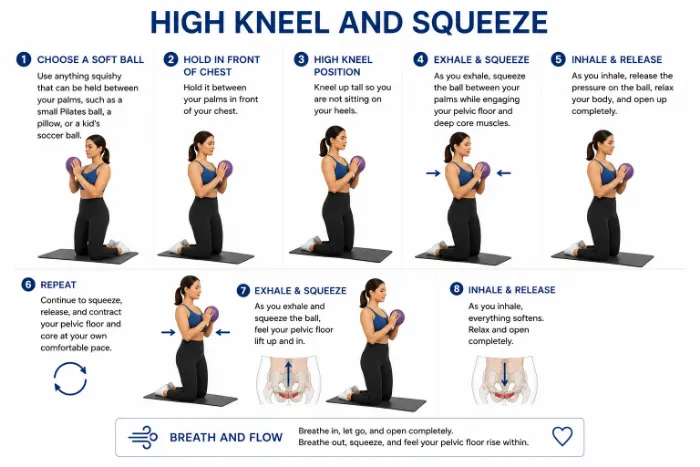
- Anything that can be held between your palms and has some squish will work, such as a tiny Pilates ball, a pillow, or a kid’s soccer ball.
- In front of your chest, grasp it between your palms.
- In order to avoid sitting on your heels, now kneel up high.
- Using your deep and pelvic floor muscles, exhale as you squeeze the ball between your palms.
- Release the ball’s pressure each time you breathe in, then completely relax and open. Squeeze, release, and contract your pelvic floor and core at your own pace.
- Breathe in, let go, and open up completely.
- When you exhale and squeeze the ball, feel your pelvic floor rise within.
- As you take a breath, everything eases. And relax.
Full Lamp Post Pee:
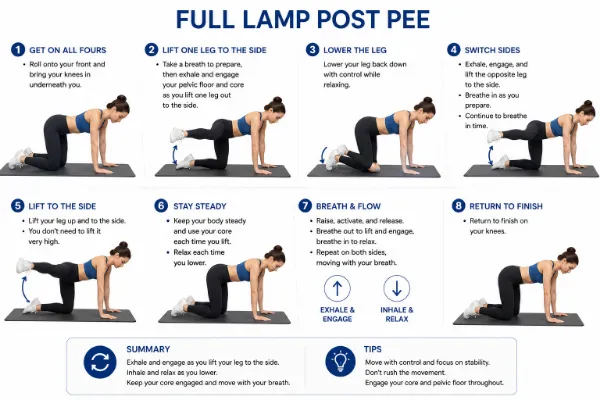
- Roll onto your front and draw your knees in underneath to get on all fours.
- When you’re ready, take a breath, release it, and raise one leg to the side and then lower it again using your pelvic floor and core.
- Exhale, engage, and move to the opposite side after taking a breath.
- Continue to breathe in time. As you rise, exhale and engage. Breathe in and relax as you sleep.
- Switch sides. Just lift your leg up and to the side; you don’t have to raise it very high.
- Each time you raise a leg, keep your body steady and use your core. Every time you descend, you relax.
- Raise, activate, and release. Take a deep breath and relax. Breathe out, raise and engage, breathe in, and unwind. Breathe out, raise, and return to neutral.
- Return to finish on your knees.
Lift Your Hips:
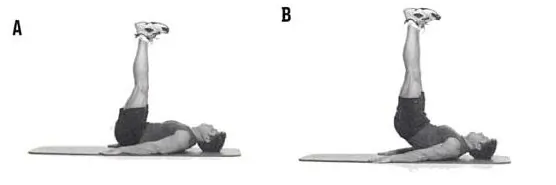
- Lie on your back
- Keep head and neck relaxed.
- You should have the backs of your ribs relaxed and leaning toward the floor.
- With your knees bent up and your toes pointing straight ahead, your feet are level on the ground and as wide as your sit bones.
- Put your arms at your sides, palms up.
- Push through your heels and raise your hips as you exhale after taking a deep breath to prepare. It’s okay if your butt squeezes a bit, but concentrate on bringing your pelvic floor up and your abdominal muscles softly in.
- As you inhale, remain elevated, then exhale, engage, and roll back down.
- Avoid bending your back.
- From the knee to the hip to the shoulder, you want to create a straight line.
- In your own time, complete three more.
- Recall that you exhale and activate your core each time you move.
- You take a breath and unwind while you remain still.
- Lift your hips, breathe in and out, and keep a small amount of engagement.
- Roll down and exhale. Lift, inhale, exhale, and then move back down each time.
- And relax.
Heel Drop:
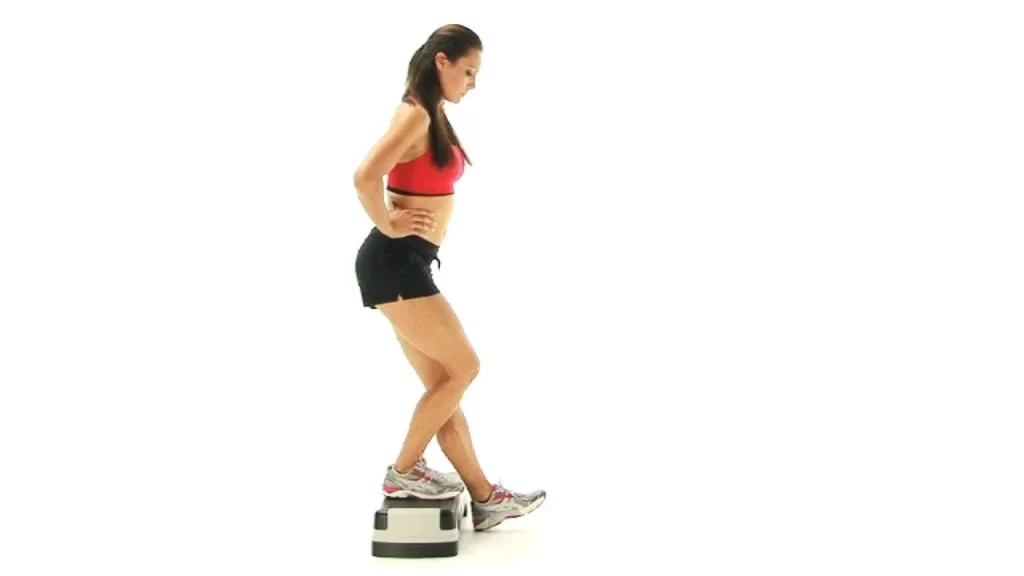
One of the best abdominal reconnection exercises in our training regimen is the heel drop. This essential core recovery exercise strengthens your pelvic floor and core while reestablishing the connection that your entire midsection depends on.
Since back-lying exercises place the least strain or gravity on the core, they are an essential part of the healing process. To increase the strain the muscles must withstand, we quickly transition from this posture to upright, prone, and all fours.
- On the mat, lie on your back.
- Feel your ribs descend toward the floor as you place the cushion beneath your head and upper shoulders.
- Your feet should be level on the ground and your knees bent.
- Bring your knees in toward your chest until they rest at a 90-degree angle, starting with one. Bring them in a bit closer if your abs are struggling to keep them in place, because there shouldn’t be any strain at all.
- Now release the breath as you slowly lower one heel to the floor while drawing your abs inside. As you take a breath, place your heel on the ground, then release it and return it.
- Take a breath into the back of your ribs, release it, and then gently lower the opposite heel while engaging.
- Breathe in, relax, and let go.
- After that, release the breath, engage, and return it.
- Continue, breathing slowly as you move. Resting on the inhale and constantly moving on the exhale. As you exhale and engage, your lower abdomen should softly draw in. Stop, regather, and try again if it bulges outward at all.
- Always remember to take a deep breath and unwind as you sleep. Breathe out and move with engagement.
- Continue to breathe in time.
- Perform 5–8 gentle drops on each leg.
Benefits of diastasis recti exercises:
Rehabilitating your core muscles helps lessen abdominal doming and join different muscles. Additionally, it might make your pelvic floor, hips, and back feel stronger and more supported. Your body is designed to recover from diastasis recti, but occasionally it just needs a little more support, like strengthening a house’s foundation, to make everything feel stable and safe once more. Targeted, mild workouts might be beneficial:
- Restore your mobility. Many daily tasks require the use of our core muscles. Increasing core strength may make daily activities like walking, lifting, carrying, and squatting easier and more comfortable.
- Encourage good posture. You don’t have to work to keep upright since your core muscles give you a stable base on which to sit and stand.
- Increase the function of the pelvic floor. Your pelvic floor is made up of your core muscles. Stress urinary incontinence following delivery can be lessened by performing pelvic floor and core stability exercises, according to research.
- Reduce the pain in your low back. Although back pain is complicated, weak core muscles may occasionally be a contributing cause. According to research, core-strengthening workouts may help those with low back pain.
- Cut down on ballooning. The bulge that frequently appears immediately above or below the belly button in patients with diastasis recti might be lessened by performing certain exercises.
Safety tips when exercising with diastasis recti:
After giving birth, it’s important to avoid overdoing core-strengthening workouts since movement is medicine. Before beginning the previously mentioned workouts, allow yourself at least six to eight weeks to recover. Before resuming exercise, be sure to consult your healthcare physician.
You should stop and get support if you have pain or tenderness in your abdomen, hips, or back when doing workouts. Exercises for the core shouldn’t hurt.
Another essential symptom to pay attention to is the presence of abdominal doming or coning during an activity, which might indicate that you’re not quite ready for it. Try changing the workout or picking one that is simpler.
Consult a professional, such as a physical therapist, when in doubt. A physical therapist may direct you toward safe and comfortable movements and assist you in investigating the causes of your problems.
What is Unique about Exercising with Diastasis Recti?
The stability and integrity of the core muscles are compromised while exercising with diastasis recti. Diastasis recti increases the risk of injury, particularly to the pelvic floor, back, and core. Additionally, a lot of regular exercises individuals use to strengthen their core muscles actually make diastasis recti worse. The stability and integrity of the core muscles are compromised while exercising with diastasis recti. Diastasis recti increases the risk of injury, particularly to the pelvic floor, back, and core. Additionally, a lot of regular exercises that individuals use to strengthen their core muscles actually make diastasis recti worse.
The overstretched tissue in the front and center of the belly is strained when intra-abdominal pressure rises to dangerous levels, further dividing the rectus abdominis muscles. In certain instances, the pressure may also put downward strain on the pelvic floor, which can lead to incontinence and pelvic prolapse. Anyone with diastasis recti should use these diastasis recti workout guidelines to prevent injury:
- Avoid any exercises or postures that aggressively push the abdominal muscles forward, cause the body to congeal or dome, or put downward pressure or pain on the pelvic floor.
- It’s crucial to carefully exhale and pull the navel toward the spine with each effort in order to securely control intra-abdominal pressure. This involves exhaling during the work part of an activity, such as the lift or the push.
- Avoid raising both shoulders off the floor from a back-lying position. This includes avoiding crunches, sit-ups, and variants of such activities. The instant both shoulders lift off, it is biomechanically impossible to prevent bulging the abdominal muscles forward. Additionally, avoid simultaneously raising both legs off the ground when resting on your back. Instead, exhale, flatten your abdominal muscles toward the floor, and lift one leg at a time.
- Exercises for chest widening and spinal extension should be mild; do not push the lower rib cage open. The upper abs spread out as the lower ribs do. For example, in yoga, choose postures with fewer ranges of motion that allow you to maintain your ribs stabilized in a neutral position rather than complete backbends, upward-facing dog, or full cobra. Either train to control the pressure of impact with appropriate breathing and core activation, or keep cardio low impact. Every time you land a leap or hop, for instance, release your breath and use your pelvic floor and core to raise your body consciously toward your spine. Stop and concentrate on diastasis recti exercises until your pelvic floor and core are strong enough to safely do high-impact activity if you have any signs of pelvic pressure, vaginal heaviness, or leaking urine.
FAQs:
Can diastasis recti be corrected with exercise?
Indeed, by strengthening deep core layers, certain core workouts may greatly enhance and lessen diastasis recti, the separation of the abdominal muscles. Though extremely stretched connective tissue (linea alba) occasionally necessitates surgical repair, opinions on Reddit about whether exercise may fully heal a big gap are divided.
What is the finest option to fix diastasis recti?
Surgery such as an abdominoplasty or linea alba plication, which physically sutures the separating muscles back together, is the quickest physical remedy for diastasis recti. Retraining the transverse abdominis through focused deep core therapy under the guidance of a Cleveland Clinic Physical Therapy Guide is the quickest and safest route for non-surgical recovery.
What is the 30-day challenge for diastasis recti?
Ten minutes a day of low-pressure core therapy is the main emphasis of a 30-day diastasis recti challenge. It avoids typical crunches and planks, which worsen abdominal separation, and instead uses breathwork and mild stabilization to target the transverse abdominis and pelvic floor.
Which exercises are the best for diastasis recti?
Heel slides, pelvic tilts, and diaphragmatic breathing are the best three exercises for healing and gently strengthening the core for diastasis recti. These exercises work the deep transverse abdominis muscle without putting undue strain on the abdominal wall.
How long does diastasis recti take to heal?
The healing period for diastasis recti might range from six weeks to a year or longer. In six to eight weeks, mild separation usually improves. Moderate cases require three to six months. With focused core workouts and physical treatment, severe or broad gaps may take a year or more.
Do all C-section moms have diastasis recti?
Although it is rather prevalent, diastasis recti is not present in all moms who have had C-sections. The separation occurs not because of the C-section procedure itself, but rather because a developing baby presses on the abdominal wall throughout pregnancy.
Can your stomach go back to normal after diastasis recti?
After diastasis recti, your stomach might either return to normal or be greatly improved. Larger gaps can be repaired with focused deep core workouts, physical therapy, or surgery if the tissue strain is severe. Mild gaps often mend naturally between 8 weeks and a few months after giving birth.
How to reduce diastasis recti naturally?
Focus on deep core repair with focused breathing and mild transverse abdominis activity to naturally alleviate diastasis recti. Avoid heavy straining exercises that force the belly outward, such as sit-ups and classic crunches. Instead, regularly engage in safe movement practices, proper posture, and specific pelvic floor exercises.
References:
- Gluppe, S. L., Hilde, G., Tennfjord, M. K., Engh, M. E., & Bø, K. (2018). Effect of a postpartum training program on the prevalence of diastasis recti abdominis in postpartum primiparous women: a randomized controlled trial. Physical Therapy, 98(4), 260–268. https://doi.org/10.1093/ptj/pzy008
- Michalska, A., Rokita, W., Wolder, D., Pogorzelska, J., & Kaczmarczyk, K. (2018). Diastasis recti abdominis—a review of treatment methods. Ginekologia Polska, 89(2), 97–101.
https://doi.org/10.5603/gp.a2018.0016 - Sakshiba Vala. (2026). Top Exercises for Diastasis Recti (Abdominal Gap)—Physio. Physiotherapy Treatment and Exercises at Home. https://homephysiotherapyexercises.com/exercises-for-diastasis-rectiabdominal-gap/
- Opala-Berdzik, A., Rudek-Zeprzałka, M., Niesporek, J., Cebula, M., Baron, J., Gruszczyńska, K., Pascoal, A. G., Mota, P., & Chmielewska, D. (2023). Technical aspects of inter-recti distance measurement with ultrasonographic imaging for physiotherapy purposes: the scoping review. Insights Into Imaging, 14(1), 92. https://doi.org/10.1186/s13244-023-01443-4
- Fitzpatrick, S. E., Foley, K., Crittenden, T., Watson, D., & Dean, N. R. (2024). Australian women’s experiences of post-partum rectus diastasis: A qualitative study. Women’s Health, 20, 20, 20, 20, 20, 20, 20,https://doi.org/10.1177/17455057241233123
- Boissonnault, J. S., & Blaschak, M. J. (1988). Incidence of diastasis recti abdominis during the childbearing year. Physical Therapy, 68(7), 1082–1086. https://doi.org/10.1093/ptj/68.7.1082