Osteoporosis Exercises Home Program: Safe Exercises for Stronger Bones
Introduction:
The condition known as osteoporosis weakens your bones and increases their risk of breaking. It causes your bones to become less dense and thinner than they should be. In most cases, your bones are strong and thick enough to sustain your weight and withstand the majority of hits. Your bones naturally lose part of their density and capacity to grow back as you get older. Your bones are significantly weaker and more unstable than they should be if you have osteoporosis.
It’s possible that you won’t realize you have osteoporosis until you break a bone. Any of your bones are susceptible to breaking due to osteoporosis; however, the most often impacted bones are:
- Hips
- Wrists
- The spine
Symptoms of osteoporosis:
The symptoms of osteoporosis are different from those of many other illnesses. As a result, doctors sometimes refer to it as a silent sickness.
There won’t be any symptoms or indicators that you may have it. You won’t have symptoms like fever, headache, or stomachache that point to a health issue.
Suddenly breaking a bone is the most typical sign. Especially following a slight fall or accident that wouldn’t normally cause you any harm.
Although there are no overt signs of osteoporosis, you may experience certain physical changes that indicate your bones are becoming weaker or less dense. These osteoporosis warning indicators may include:
- Reducing your height by at least one inch
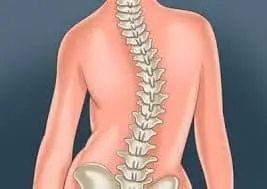
- Modifications to your normal posture, such as bending forward more or stooping
- Breathlessness
- Lower Back Pain
It could be difficult to notice changes in your own physical appearance. Your height or posture, in particular, may make them more visible to a loved one. However, this may indicate that you need to have a bone density test from a medical professional.
Osteopenia affects around one in three people over 50 who do not have osteoporosis. This indicates that you have less bone density than is appropriate for your age. Osteoporosis may develop as a result of this disease. If left untreated, osteopenia can develop into osteoporosis.
Causes of Osteoporosis:
As you age, osteoporosis develops because your bones can no longer repair and rearrange themselves.
Your bones consist of living tissue, just like every other component of your body. Throughout your life, they are continuously replenishing their own tissue and cells. Up until about age thirty, your body naturally generates more bone than it loses. Bone degeneration occurs more quickly after age 35 than your body can replenish it. Bone mass gradually decreases as a result.
You lose bone mass more quickly than normal if you have osteoporosis. Postmenopausal women lose bone mass even more quickly.
Risk factors:
Osteoporosis may affect anybody. Your risk might be increased if you:
- Above 50
- are female, particularly if you’ve gone through menopause.
- Osteoporosis runs in your biological family.
- have a tiny frame or are inherently slender
- Utilize tobacco goods or smoke
- Insufficient vitamin D intake
- Lack of physical activity
- Regularly consume alcohol
You may be more at risk for osteoporosis if you have certain medical issues, such as:
- Endocrine conditions such as diabetes, hyperthyroidism, and thyroid illness
- Celiac disease and inflammatory bowel disease are examples of intestinal disorders.
- Autoimmune conditions that impact your bones, such as ankylosing spondylitis or rheumatoid arthritis
- Blood malignancies such as multiple myeloma or blood disorders
As a side effect, several drugs and surgeries may raise your risk of osteoporosis, such as:
- Diuretics
- Corticosteroids
- Certain drugs used to treat seizures
- Bariatric surgery
- Hormone treatment for cancer
- Thinners of blood
- Inhibitors of proton pumps
Diagnosis and Tests:
To identify osteoporosis, a doctor will do a bone density test. Bone density tests are sometimes referred to by providers as DEXA scans, DXA scans, or bone density scans. These are all various titles for the same exam.
A bone density test measures the amount of calcium and other minerals in your bones using low-level X-rays. It resembles a standard X-ray. Neither injections nor needles are used.
The easiest approach to identify osteoporosis before it results in a fracture is to look for changes in your bone density. Regular bone density testing may be recommended by your doctor if:
- Osteoporosis occurs in your family.
- You’re older than fifty.
- You have osteopenia.
- You’ve reached postmenopause.
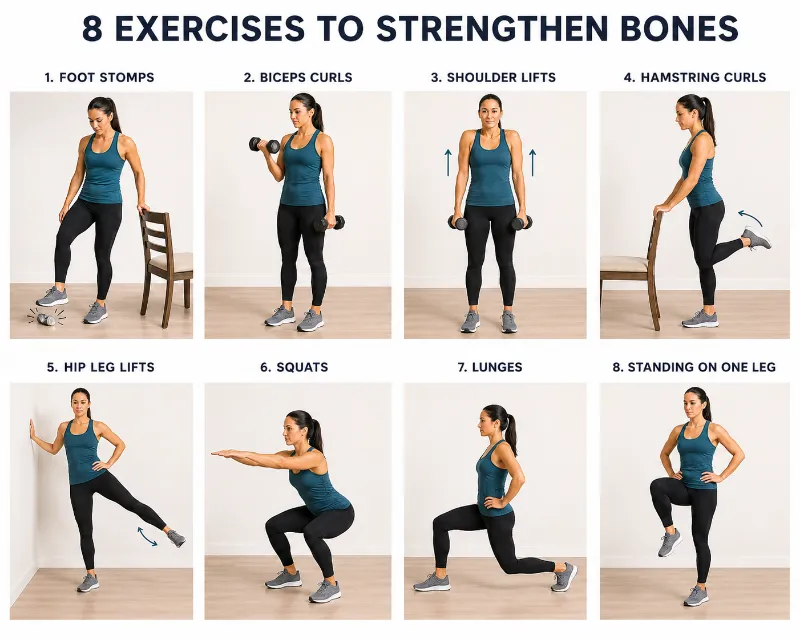
8 exercises to strengthen bones:
The following eight at-home exercises may be helpful if you have osteoporosis and want to improve the strength of your bones.
Foot stomps:
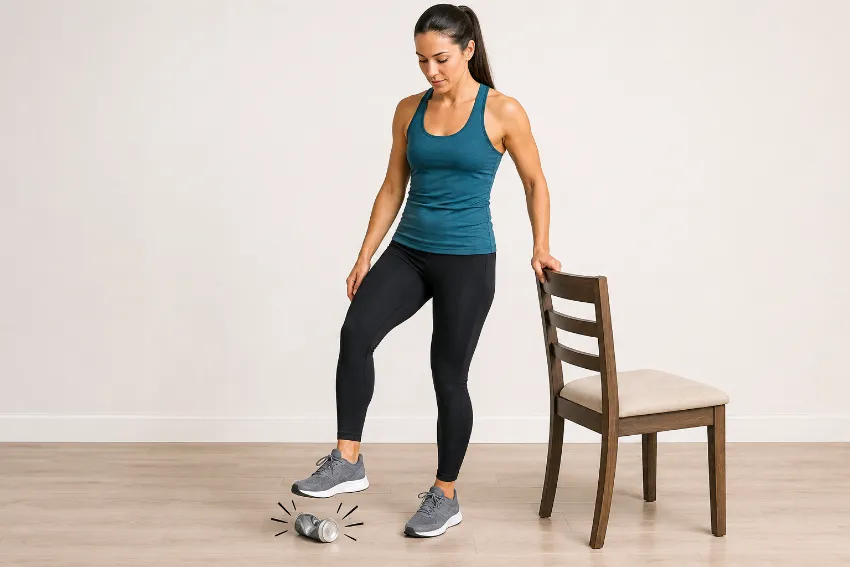
The exercise aims to lower your chance of developing osteoporosis by challenging the major body parts that osteoporosis most frequently affects, such as your hips. Foot stomping exercises are one approach to test your hip bones.
- Imagine that you are crushing an imaginary can beneath your foot as you stomp it while standing.
- After performing the exercise on one foot four times, switch to the other foot.
- If you are having trouble keeping your balance, grasp onto a railing or a substantial piece of furniture.
Biceps curls:
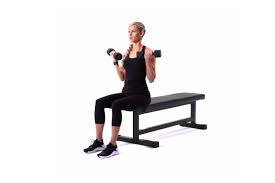
Biceps curls may be performed with a resistance band or dumbbells weighing one to five pounds. Depending on your comfort level, you can complete them while standing or sitting.
- Holding an end in each hand, step on a resistance band or pick up a dumbbell.
- Watch the biceps muscles on the front of your upper arms contract as you pull the bands or weights in toward your chest.
- To go back to where you started, lower your arms.
- Do this eight or twelve times. If you can, take a break and repeat for a second set.
Shoulder lifts:
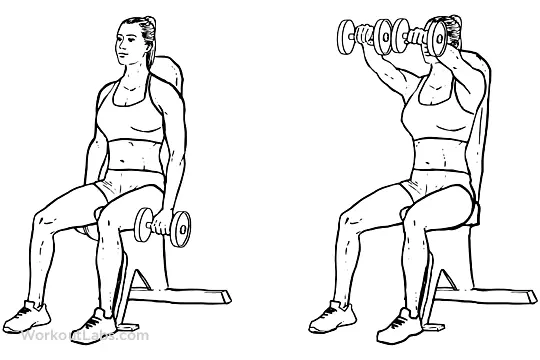
To execute shoulder raises, you’ll also need weights or a resistance band. You may do this workout either standing or sitting.
- Holding an end in each hand, step on a resistance band or pick up a dumbbell.
- Start with your hands at your sides and your arms down.
- Don’t lock your elbows as you slowly extend your arms straight in front of you.
- Raise to a comfortable level that is no greater than shoulder height.
- Do this eight or twelve times. If you can, take a break and repeat for a second set.
Hamstring curls:
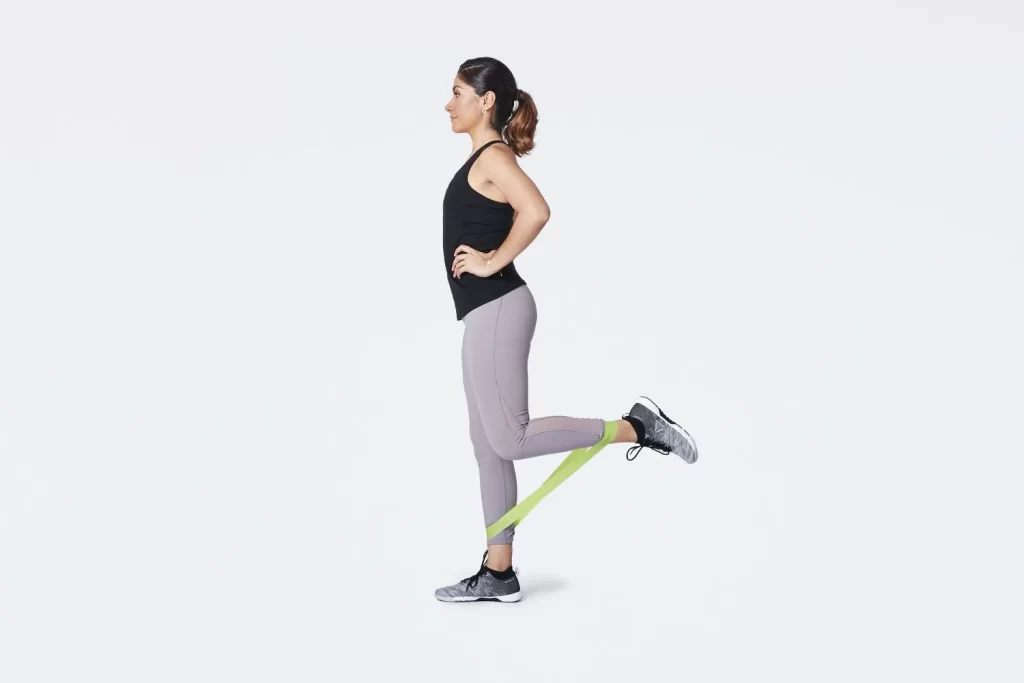
The muscles at the back of your upper legs are strengthened with hamstring curls. This activity is carried out while standing. To improve your balance, if needed, place your hands on a heavy piece of furniture or another substantial object.
- Place your feet shoulder-width apart and stand. Turn your left foot until only your toes are in contact with the ground.
- Lift your left heel toward your buttocks by contracting the muscles at the back of your leg.
- Return your left foot to its starting position slowly.
- Do this 8–12 times. After resting, do the same exercise with your right leg.
Hip leg lifts:
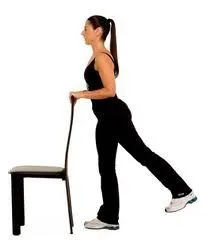
This exercise improves your balance and develops the muscles surrounding your hips. If necessary, enhance your balance by placing your hands on a heavy piece of furniture or another firm object.
- Place your feet hip-width apart to begin. Transfer your weight to your left foot.
- Lift your right foot to the side, no more than six inches off the ground, while maintaining a straight right leg.
- Your right leg should be lowered.
- Do the leg lift eight or twelve times. Go back to where you were before and perform another set with your left leg.
Squats:
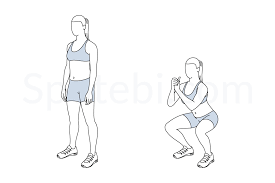
Both your buttocks and the front of your legs may be strengthened with squats. For this exercise to be successful, you do not need to squat deeply.
- Place your feet hip-width apart to begin. Lightly place your hands on a strong surface or piece of furniture for balance.
- Squat down slowly by bending at the knees. Feel your legs moving as you lean slightly forward while maintaining a straight back.
- Squat as long as your thighs are flat on the ground.
- To go back to a standing position, tighten your buttocks.
- Do this eight or twelve times.
Lunges:
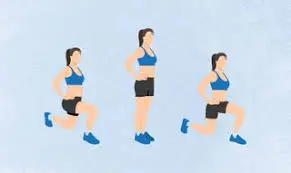
You can develop your leg muscles and enhance your balance with this workout. Ankle, knee, and hip muscles are used during lunges. You can work one leg at a time or alternate between both.
- Place your feet hip-width apart to begin. Hold onto a work surface or piece of furniture if you need assistance with your balance.
- Step forward a bit more slowly than you would if you were walking. Put one leg in front of you and the other behind you as you stand. Maintain a flat front foot on the ground. Your back foot’s heel will lift off the ground.
- Keeping your front knee behind your toes and in line with your ankle, bend your knees to a 90-degree angle. Maintain the same height for your hips and an active core. There should be no movement between your back knee and the floor.
- To get back to standing, push off your front leg.
Standing on one leg:
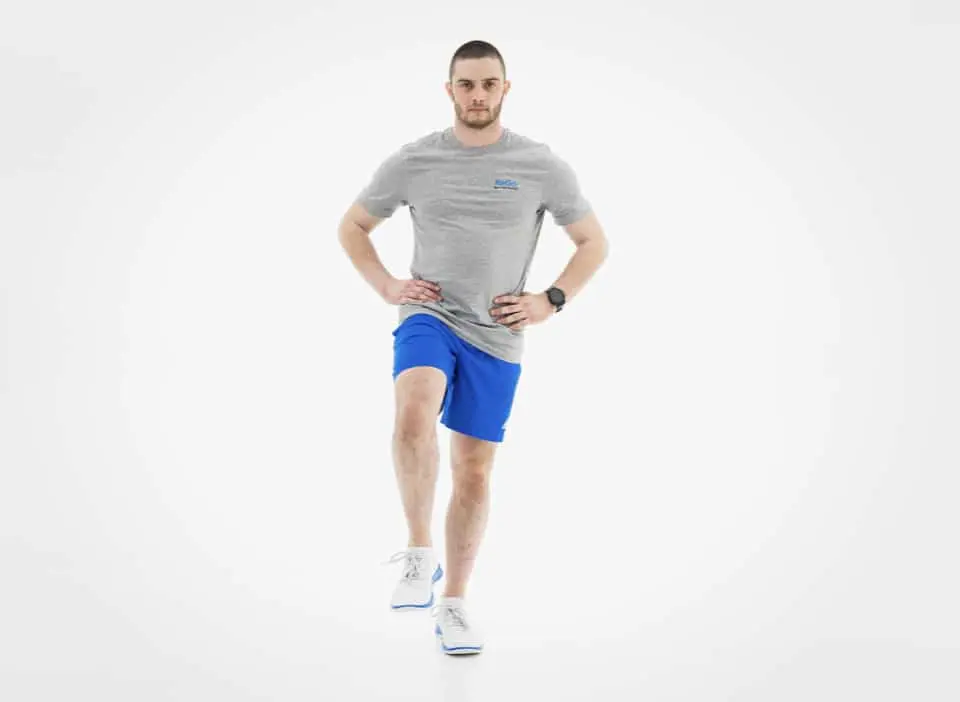
Balance will be enhanced by this workout. If you need to hang onto something for balance, perform this exercise with a substantial piece of furniture close by.
- If at all possible, stand on one foot for 30 to 60 seconds.
- On each leg, repeat three times.
Exercises to avoid:
Assessing which workouts are safe for you if you have osteoporosis is just as crucial as knowing which ones might benefit you. Running, climbing, trekking, and jumping rope are examples of sports that simply exert too much strain on your bones and raise the chance of fractures.
These high-impact activities raise your risk of falling and put excessive pressure on your hips and spine. If you haven’t engaged in them for a while, it’s better to avoid them.
Exercises like golf and sit-ups that require you to lean forward or rotate your body’s trunk can raise your risk of osteoporosis fractures.
Benefits of exercise:
It’s never too late to begin working out. Frequent exercise can:
- Increase your muscular power.
- Improve your equilibrium.
- Reduce the chance of fractures.
- Improve your posture.
- Reduce pain.
Finding the safest, most satisfying activities for you, depending on your general health and degree of bone loss, is what it means to exercise if you have osteoporosis. There isn’t a medicine that works for everyone.
Complications:
The most dangerous side effects of osteoporosis are bone fractures, especially in the hip or spine. A fall is a common cause of hip fractures. Within the first year following the accident, a hip fracture may cause disability and possibly an increased risk of mortality.
In certain situations, spinal fractures can happen even if you haven’t fallen. Vertebrae, the bones that comprise the spine, can become so weak that they collapse. Back discomfort, height loss, and stooped posture are possible outcomes of this.
Precautions for osteoporosis exercises:
Patients with osteoporosis should exercise, but it’s even more important that they exercise properly. It might be more detrimental to exercise improperly than to not exercise at all. Here are some important points to remember:
Avoid forward bending and twisting the spine:
Kyphosis, an abnormal curvature of the spine, is common in people with osteoporosis. When vertebrae degenerate and push against one another, this happens. Forward-bending exercises and activities can worsen this hump-backed posture and raise the risk of serious injury. Because of this, movements that require forward bending, such as sit-ups, curl-ups, and toe touches, should not be included in any osteoporosis exercise regimen.
The vertebrae are also under a lot of strain when the spine is twisted. The strain on the spine is significantly enhanced when forward bending and twisting are performed simultaneously. Additionally, avoid forward bending and twisting when exercising as well as when performing daily tasks like cleaning, lifting, sitting, and sneezing.
Avoid lifting objects forward and out of your body:
When working out, try not to lift a weight forward and away from your body. This can cause the spine to curve forward and put a lot of strain on the back.
Do not lift a weight above shoulder height:
Exercises that call for raising a weight over the shoulders should be avoided since they lead to a tendency for forward bending. This puts more strain on the spine and might cause injury.
Avoid jogging, jumping, and skipping:
Spinal injuries can result from jarring the spine during jogging, leaping, or skipping. Instead, try fast walking.
FAQs:
What are the benefits of exercise for people with osteoporosis?
Exercise reduces the risk of osteoporosis by making bones resist the pull of muscles and gravity. In order to prevent dangerous falls, this stress stimulates bone-building cells to produce new tissue, increasing bone density, strengthening muscles, and improving balance.
What types of exercise are beneficial for people with osteoporosis?
Focus on a combination of weight-bearing aerobic exercise, muscle-strengthening resistance training, and balancing exercises to properly treat osteoporosis. These exercises increase muscular stability, stimulate bone-forming cells, and lower your overall risk of accidental falls.
Can you reverse osteoporosis through exercise?
Exercise may greatly enhance bone mineral density, improve strength, and lower fracture risks, but it cannot completely treat osteoporosis on its own. Because bone is living tissue that grows new mass in response to physical stress, certain exercises can effectively restore lost bone density.
How long does it take for exercise to improve bone density?
Measurable increases in bone mineral density on a scan usually require 6 to 12 months of regular, focused activity. Bone remodeling is a gradual biological process, whereas muscular strength increases in a matter of weeks. A commitment of 12 to 24 months is frequently needed for significant structural benefits.
What is the fastest way to increase bone density?
A focused regimen that combines high-intensity resistance training, high-impact weight-bearing exercises, and optimal nutrition—specifically, enough calcium, vitamin D, and protein—is the quickest natural method to enhance bone density. Osteoblasts, the cells that make bones, are compelled by mechanical pressure to produce new tissue.
Is walking good for osteoporosis?
Walking actually helps with osteoporosis. Your bones and muscles are forced to fight against gravity since it is a low-impact, weight-bearing exercise. Without putting undue strain on your joints, this helps prevent bone loss, preserve bone mass, and enhance heart health.
References:
- LeBoff, M. S., Greenspan, S. L., Insogna, K. L., Lewiecki, E. M., Saag, K. G., Singer, A. J., & Siris, E. S.(2022). The clinician’s guide to prevention and treatment of osteoporosis.Osteoporosis International,33(10), 2049–2102. https://doi.org/10.1007/s00198-021-05900-y
- Therapy, N. C. D. P. O. O. P. D. A. (2001). Osteoporosis Prevention, diagnosis, and therapy. JAMA, 285(6), 785–795. https://doi.org/10.1001/jama.285.6.785
- Cosman, F., De Beur, S. J., LeBoff, M. S., Lewiecki, E. M., Tanner, B., Randall, S., & Lindsay, R. (2014). Clinician’s Guide to Prevention and Treatment of Osteoporosis. Osteoporosis International, 25(10), 2359–2381. https://doi.org/10.1007/s00198-014-2794-2