Padmasana (Lotus Pose)
Introduction:
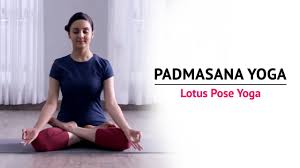
The Lotus Pose, also known as Padmasana, is a traditional ancient pose that expresses calm when seated. Asana means posture, while Padma means lotus in Sanskrit. Students can advance to meditation and pranayama with this foundational intermediate sitting restorative pose.
In Sanskrit, padma is a powerful symbol that is independent of both religion and time. The way our hands and feet are positioned in this pose is similar to the beautiful, immaculate lotus petals. Rooted in the muddy soil, a lotus grows above the water, opens to the sun, and blossoms into a gorgeous flower. An appropriate metaphor for the yoga journey is the lotus.
Numerous strong Hindu deities are connected to the lotus, which is also a revered symbol of the divine. Hatha Yoga Pradipika claims that Padmasana enhances physical wellness in addition to being a meditative pose. The lotus flower-like appearance of the body in Padmasana is thought to represent the practitioner’s consciousness.
Warm-up poses that should be performed before Lotus Pose (Padmasana) are Seated Knee Rotation and Seated Ankle Rotation. Padmasana is an intermediate to advanced pose that calls for a lot of hip and knee flexibility.
Therefore, before performing this pose, practitioners should warm up their bodies to increase their range of motion. If neither knee reaches the floor, students can use a blanket or cushion as support. Because it supports the body with minimal muscular effort and makes it easy for the practitioner to find quiet, it is considered the best posture for meditation and pranayama. Since lotus pose variations can be generated from the lotus pose, the lotus pose is regarded as a base pose.
How to Do Lotus Pose?
The detailed directions for Lotus Pose (Padmasana) are as follows:
- Using a mat or blanket, take a seat on a level surface. Maintain an upright spine. Stretch your legs forward to start. Dandasana is a starting pose that helps you stabilize your body and become ready for Padmasana.
- Gently bend your right knee with your hand. Then, raise your right leg and slowly twist it inward until your right foot rests comfortably on your left thigh. Make sure your right heel is near your midsection on your left upper thigh.
- Alternate legs: After your right leg feels comfortable, do the same with your left. Using your hand, gently bend the left knee. Then, carefully raise the left leg and twist it inward until your left foot rests comfortably on your right thigh. Your left heel is near your stomach.
- Feel grounded: After crossing both legs and placing your feet on opposing thighs, begin to relax and settle into the pose. Bring your hands to your knees with the palms facing up (a mudra) and align your body with a straight spine and relaxed shoulders without drooping.
- Padmasana: Spend a few minutes in the pose. Take deep, deliberate breaths. Maintain your meditation and pranayama practice. When your practice is over, slowly return your legs to the starting pose. Return to Dandasana and switch legs when you’re ready. Bend the left leg first, followed by the right, to achieve equal flexibility on both sides.
- At last, relax with Dandasana, Hands Back, Knees Bent.
- Ardha Padmasana: Before attempting Padmasana, beginners should practice Ardha Padmasana, also known as Half Lotus Pose, which involves placing just one foot in the hip crease.
Benefits of Lotus Pose:
The advantages of Lotus Pose (Padmasana) are as follows:
- Stretches, Strengthens, Lengthens: The Lotus Pose strengthens certain body joints, such as the sacroiliac joints and the joints surrounding the knees. Additionally, this specific pose improves joint flexibility. Additionally, the seated position increases ankle joint flexibility and lengthens the spine.
- Flexibility and Range of Motion: It stretches the hip flexors and sacral region, opens the hips, knees, and ankles, and poses the pelvis and femurs in a powerful external rotation. Pupils can advance to Parvatasana and Tolasana. with improved ankle and knee joint mobility in Swastikasana and similar poses.
- Chest, Diaphragm, and Breath: When performing various Lotus posture modifications, the breath pattern should be rhythmic (deep inhales and exhales). We concentrate on belly breathing during meditation and pranayama.
- Awareness and Focus (Concentration): Students maintain minimum muscular movements while being aware of their pose. They change to concentrate on our breathing. Breathing smoothly and softly enhances focus. They are ready to execute more complex variations of the Lotus Pose with mental and physical stability.
- Alignment and Posture: Our posture contributes to the stability of our spinal alignment. Padmasana energizes the body and balances the Prana-Apana Vayu.
- Energizing, de-stressing, and calming: As your legs intertwine, different body parts press against the stomach, gallbladder, spleen, kidneys, and liver acupuncture points. It soothes the body and mind by stimulating the parasympathetic nervous system.
- Stimulation and Organs: This relaxing pose lowers high blood pressure and heart rate. Organs are activated and nourished by blood flow into the reproductive and digestive systems.
- Therapeutic, Healing, and Ailments: The Lotus Pose is a very powerful yoga pose that combats sleeplessness, despite its seeming simplicity. Breathwork practice on a daily basis will improve mental and emotional health even more.
- Balance and Emotions: It eases tension and anxiety and calms the mind. The pose’s controlled breathing aids in clearing our minds of unpleasant feelings. Regular Padmasana practice can also reduce stress hormone production.
- Circulation and Systems: Gently massaging the abdomen, it improves digestive processes. Redirecting blood flow to the abdomen is another benefit of this pose. Additionally, it cleanses the digestive system and improves metabolic efficiency while eliminating common digestive issues, including constipation and loose motion.
- Others: One of the best yoga poses for strengthening the pelvic area is the Lotus Pose. Improving pelvic flexibility and strength can reduce pain during labor. If done frequently, this yoga pose also greatly opens up the hips.
- Level-Up Poses: After Lotus Pose (Padmasana), you can easily perform Bound Lotus Pose (Baddha Padmasana), Lotus Pose Chin Mudra Jalandhara Bandha, and Yoga Mudrasana Variation.
Contraindications of Lotus Pose:
The Lotus Pose (Padmasana) contraindications are as follows:
- Injury and Surgery: Learners who have lower back pain, sacral instability, chronic knee problems, or ankle injuries should avoid this pose. A sprain, cramping, and pain could result from it. The Lotus posture should not be performed by students who have sacral disorders or sciatica, since it may cause pain in the lower back’s squeezed spinal nerve.
- Lack of Body-Breath Connections: Learners would undermine the goal of the practice if they were unable to connect with their bodies and breaths in any given pose. As a result, when performing Lotus Pose, trainees need to pay attention to their breathing and ensure that their bodies are stable but comfortable. Beginner students who are healthy can use the wall behind them for support, and they can use props like a blanket or pillow to provide better support under their pelvis.
- Physical Strength and Weak Body: Props (pillow, cushion, blanket) might provide some comfort for students who may have weak knees and mild knee or joint pain. In a similar vein, students who have mild back pain can lean gently against the wall while they sit. Most significantly, trainees can gradually increase the duration while maintaining the pose for a few breaths. The Half Lotus Pose would be perfect for practice if some students have trouble interlocking their legs. Before performing the Lotus Pose, students with tight hip muscles can perform some hip-opening exercises.
- Others: Avoid the pose if you’re a beginner or an elderly person with weak knees or ankles or a lower back. Their legs’ blood supply may be reduced, which would be quite uncomfortable. Pregnant women should avoid the Lotus pose if they have swollen ankles or back pain, even though it’s a terrific hip opener. Students with knee arthritis must also avoid the activity. The abdominal and pelvic area may get compressed as a result. Encourage pupils to perform the Ardha Padmasana (Half Lotus Pose) or use props for comfort and ease if their physical problems are not too serious.
Modifications of Lotus Pose:
Here are several adjustments to make Lotus Pose (Padmasana) easier:
- One-Legged Lotus Pose: After practicing One-Legged Lotus Pose repeatedly, one can move on to complete Lotus Pose (Padmasana).
- Blocks beneath the knees: Without practice, applying pressure on the ankles may cause pain. Blocks can be placed beneath the knees while maintaining an elevated knee to support the ankle.
- Sitting on a cushion or a thick blanket to support the buttocks will be very beneficial if the spine is not yet ready.
- Soft Surface: To support the legs and spine until they become flexible, one could begin doing this on a sofa or mattress.
Conclusion:
Lotus Pose, also known as Padmasana, is a potent meditation pose that fosters inner serenity, mental clarity, and physical stability. Deep breathing and mindfulness exercises are made possible by opening the hips and straightening the spine.
It is a fundamental pose for both novice and expert yogis because it helps lower stress, improve posture, and increase general well-being with consistent practice.
FAQs:
In a lotus, which leg comes first?
Start the exercise by sitting in Lotus Pose, either on a blanket or not. With your back straight, take a comfortable, lofty seat. The feet are positioned on opposing thighs, and the legs are crossed. In this instance, the right leg is over the left, and the left leg is crossed first.
What is the lotus pose that is hidden?
Padmasana (Lotus Pose) and Advasana (Reverse Corpse Pose) are combined to create Hidden Lotus Pose (Gupta Padmasana). In this form, the upper body must be supported in a forward bend by the strength of the hips, knees, and ankles.
What is a woman’s lotus pose?
A cross-legged seated meditation pose from ancient India, the lotus pose, also known as Padmasana, involves placing each foot on the opposing thigh. In Hindu, Tantra, Jain, and Buddhist traditions, this ancient yoga pose—which predates hatha yoga—is frequently used for meditation.
Is Lotus Pose secure?
Lotus is a high-risk, low-reward pose for the majority of people: Stress shifts to the knees if the hips are stiff.
Is the lotus pose meant to be challenging?
Because it calls for a profound external rotation of the hips and flexibility in the knees and ankles, the lotus posture can be difficult. The knees may experience pain or injury if the hips aren’t sufficiently wide.
Why am I unable to sit in the lotus pose?
However, tightness in the gluteus medius muscles and other soft tissues, or just the incorrect shape and pose of the thighbones (femurs) and hip sockets, could make it practically impossible to achieve the pose and prevent you from feeling comfortable at all.
Are some people incapable of striking the lotus pose?
To open up your hips sufficiently to perform a comfortable, non-destructive full lotus, it may require years of slow, steady training. Indeed, some people are unable to do so due to structural limitations.
How much time should I spend in the lotus pose?
Take deep breaths and hold the pose for a minimum of one minute. In Bharadvajasana II, bring both hands forward onto the floor in front of you for support if you are unable to reach behind you to grasp the Lotus leg’s foot. Then, bend forward as far as is comfortable.
Why is the lotus pose so challenging?
Both of the tests shown in this video are great limbering exercises that you may use to determine whether you are flexible enough to attempt the posture safely. A lack of external rotation in the hip joints and a lack of suppleness in the thighs that the ankles rest on are the two main issues people experience with the pose.
Does the lotus pose cause injury?
Because the lotus posture (Padmasana) requires a lot of hip rotation, it frequently causes pain. The medial meniscus is strained when the knee turns due to tight hips. Don’t ever push it. If it aches, back off immediately, use props (blocks/blankets), or try easier options like Half Lotus, Burmese Pose, or simple cross-legged seated pose.
Who should avoid the lotus pose?
Contraindications for Lotus Pose
Injury and Surgery: Students who have lower back pain, sacral instability, persistent knee problems, or ankle injuries should avoid this pose. A sprain, cramping, and pain could result from it.
In intimacy, what is the lotus pose?
In the intimate sexual position known as the “lotus pose,” lovers sit facing one another, with the penetrating partner sitting on top and encircling their partner’s waist with their legs while the receiving partner sits cross-legged.
What are the benefits of the lotus pose?
A traditional sitting yoga pose, lotus pose (Padmasana), strengthens the spine and improves circulation to the pelvic area while fostering profound attention and mental peace. It helps lessen menstrual pain and sleeplessness, improves digestion, and promotes hip, knee, and ankle flexibility.
What is the lotus pose in Padmasana?
A traditional yoga pose called Padmasana, or Lotus Pose, is sitting cross-legged with each foot resting on the opposing thigh. This posture is a fundamental option for practitioners at all levels since it is perfect for meditation and encourages flexibility, balance, and a quiet, concentrated mind.
References:
- Lotus Pose Yoga(Padmasana)| Yoga sequences, benefits, variations, and Sanskrit pronunciation | Tummee.com. (n.d.). Tummee.com. https://www.tummee.com/yoga-poses/lotus-pose
- Yoga Journal. (2021, December 13). Lotus pose. https://www.yogajournal.com/poses/lotus-pose/
- Wikipedia contributors. (2026d, March 28). Lotus position. Wikipedia. https://en.wikipedia.org/wiki/Lotus_position
- The Art of Living. (2025, August 29). Padmasana (Lotus pose) steps and benefits. Art Of Living (Global). https://www.artofliving.org/yoga/yoga-poses/lotus-pose-padmasana
- Padmasana – The Lotus pose | Learn Yogasanas online | Yoga and Kerala. (n.d.). Yoga. https://www.keralatourism.org/yoga/sitting-postures/padmasana