Finger Tendon Gliding Exercise
Introduction
Finger tendon gliding exercises are simple hand exercises designed to improve the movement and flexibility of the tendons that help bend and straighten the fingers. They can be useful for reducing finger stiffness, maintaining hand mobility, and improving smooth tendon movement, particularly after periods of reduced hand use or certain hand and wrist conditions.
These exercises involve moving the fingers through several controlled positions while keeping the wrist relatively stable. Performing them gently and regularly can help maintain comfortable finger movement and support everyday activities such as gripping, typing, and handling objects.
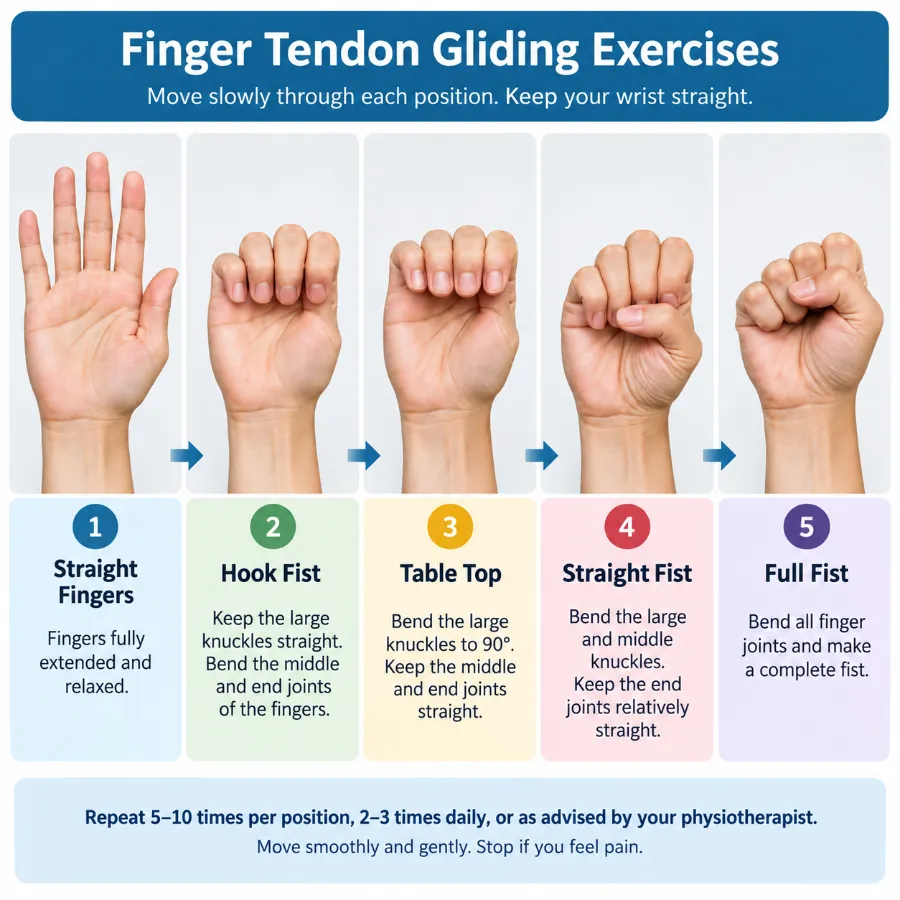
Tendon gliding exercises move the fingers through different positions, such as a straight hand, hook fist, full fist, and tabletop position. These controlled movements can help maintain finger flexibility, reduce stiffness, and encourage smooth tendon movement. They are commonly included in hand rehabilitation programs when appropriate.
The exercises should be performed slowly and comfortably without forcing the fingers into painful positions. Consistent practice may help maintain hand mobility and make everyday activities such as writing, typing, gripping, and handling small objects easier. If you have recently had hand surgery, a fracture, or a significant finger injury, follow the specific exercise instructions provided by your healthcare professional.
Exercises
You will only use your fingers and initial finger joints while you are in the half-fist posture. To place your fingers on the base of your palm, bend the fingers and middle finger joints. Make sure your fingers are straight.
The following exercises assist your hand and wrist tendons in becoming stronger and more flexible by combining stretching and strengthening motions. Strength and flexibility work together to help break up adhesions and avoid re-injury.
These exercises allow each tendon to move as much as possible, even if they feel very gentle when you perform them. The exercises will reduce swelling and reestablish the important blood flow needed for recovery.
Open Palm
How to do
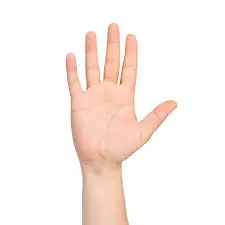
- Imagine that you are indicating for someone to stop or that your hand is flat on a wall.
- To begin, place your fingers and palm in a straight line.
- After each exercise below, return to this posture.
- Before moving on to the next exercise, hold for 2 to 3 seconds to reset.
Hook Shape Finger
How to do
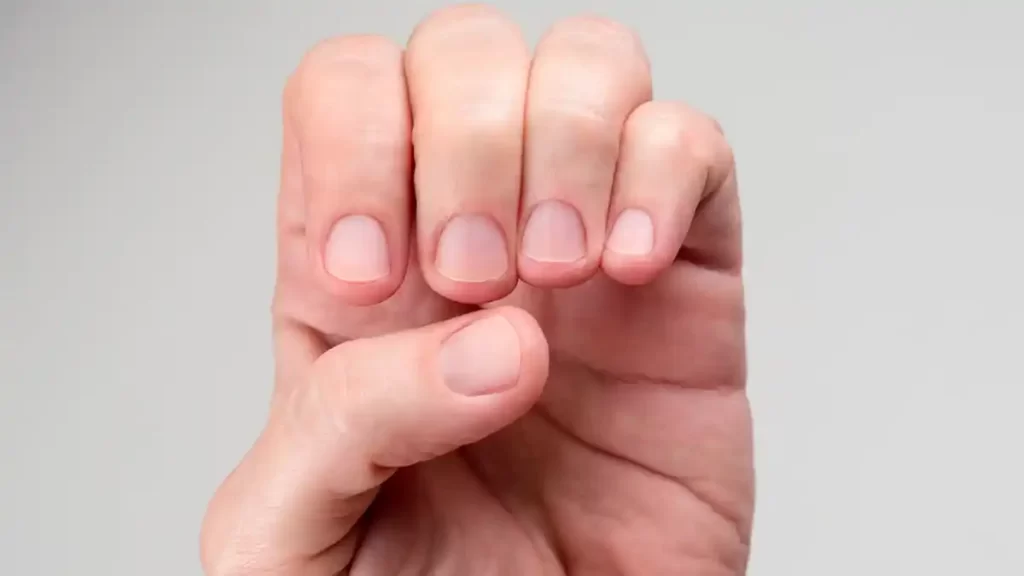
- With your fingertips straight, carefully curl your fingers down from the open palm position to form a hook.
- Your fingers and wrist should feel stretched, and your fingertips should be in contact with the pads at the base of your fingers.
Table Top
How to do
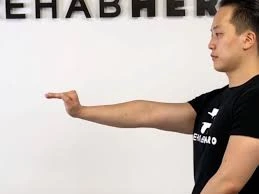
- Make a tabletop or L shape by bending your fingers down in a straight line from the open palm posture.
- This exercise should just target the joints where your fingers and palm touch.
- Allow your thumb to relax while maintaining an upward-pointing tip.
Half Fist
How to do
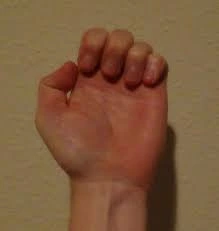
- You will only use your fingers and initial finger joints while you are in the half fist posture.
- To place your fingers on the base of your palm, bend the fingers and middle finger joints.
- Make sure your fingers are straight.
Full Fist
How to do
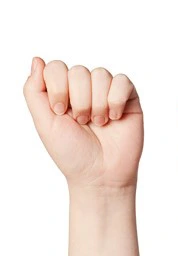
- From the open-palm position, slowly form a fist with all of your fingers, thumb, and joints, then softly squeeze.
- Return to the straight position and repeat the procedure after holding the position for two to three seconds.
Benefits
The main objective of tendon gliding exercises is to strengthen the hand and finger tendons’ capacity to glide freely within the surrounding tissues, which can be restricted or inflexible as a result of trauma, surgery, or other situations.
These exercises improve general hand function and prevent or reduce adhesions and scar tissue that can bind tendons to surrounding tissues by improving tendon mobility.
Reduced stiffness
By improving tendon mobility, these exercises can help improve range of motion and reduce hand and finger stiffness. Tension and stiffness can be prevented or reduced using tendon gliding exercises. Each tendon may move to its full range of motion and independently of the others thanks to the workouts. They also help to reduce hand edema and restore a functioning grip.
Improved mobility
These exercises are designed to increase the freedom of movement of the hand and finger tendons, both through the surrounding tissues and in coordination with each other. They can help restore the range of motion in the hands and fingers needed for daily activities.
Reduced swelling
In some cases, tendon gliding movements can also reduce hand swelling. By improving blood flow and increasing blood circulation, tendon gliding exercises can help reduce edema in the hands and fingers.
Preventing adhesions
By increasing tendon mobility, these exercises can help prevent adhesions from developing in the first place, which can be particularly important after surgery or injury. Tendons that hold on to surrounding tissues develop elastin bonds, which result in stiffness and reduced movement. Exercises for tendon gliding are crucial for reducing and avoiding adhesions.
Finger Tendon Gliding Exercises to Regain Full Hand Movement
The following exercises combine strengthening and stretching exercises to help your hand and wrist tendons become stronger and more flexible. To help break up adhesions and avoid re-injury, strength and flexibility work together.
With their initial simplicity, these exercises provide each tendon the greatest amount of mobility possible. The workouts will reduce swelling and reestablish the essential blood flow required for the healing process.
Contraindications
Conditions that restrict the use of tendon gliding exercises include active inflammatory diseases, recent tendon repairs, cancer, complicated regional pain syndrome, situations where a clear diagnosis is not available, and situations where protective sensitivity has been lost.
- Active Inflammatory Conditions: Tendon gliding activities should be avoided while inflammation is active since the increased movement and stress could worsen the condition.
- Recent Tendon Repairs: Following tendon repair surgery, tendon gliding exercises should be introduced gradually and carefully under a doctor’s supervision to avoid re-injury or rupture of the repaired tendon.
- Malignancy: Individuals with a known or suspected malignancy should only conduct tendon gliding activities carefully and under the guidance of a healthcare professional.
Trauma or injury may be the cause of Complex Regional Pain Syndrome (CRPS), a chronic pain condition. Tendon-gliding exercises should be avoided as they can worsen the condition. - Absence of a Specific Diagnosis or Reduced Protective Sensitivity: If the underlying cause of the hand or wrist issue is unknown or if protective sensitivity has been lost, tendon gliding exercises may not be appropriate and should be discussed with a medical professional.
Tendon Gliding and Occupational Therapy
The goal of occupational therapy for hand tendon gliding rehabilitation is to reduce or completely eliminate symptoms and return the hand and wrist joint to their full range of motion. As stated earlier, exercises are a useful component of hand rehabilitation treatment; however, depending on the type of initial injury, complete healing can only be attained by combining these exercises with additional therapies.
A number of therapies, such as manual therapy, splint treatment, low-level laser therapy, and more, can be provided by a certified occupational therapist or hand physiotherapist. Conservative, non-surgical therapies are typically able to restore complete grip strength, pinch strength, and a normal range of motion while also reducing pain and sensory abnormalities (such as tingling, numbness, and pins and needles).
Conclusion
Finger tendon gliding exercises are simple movements that can help maintain finger flexibility, improve tendon mobility, and reduce stiffness in the hand and fingers. They can be particularly useful for people experiencing reduced hand mobility due to prolonged inactivity, repetitive hand movements, or certain hand conditions. Performing the exercises slowly and comfortably can help encourage smooth movement without putting unnecessary stress on the fingers.
For best results, practice tendon gliding regularly and avoid forcing any movement that causes sharp pain or increased swelling. If you have persistent pain, significant stiffness, numbness, or difficulty moving your fingers, consult a physiotherapist or healthcare professional for an appropriate assessment and exercise program.
The exercises should be performed slowly and with controlled movements. Each position should be comfortable, and you should avoid forcing the fingers into a position or continuing an exercise if it causes sharp pain. Consistency is generally more important than performing the movements with excessive repetitions or force.
Finger tendon gliding exercises may be included as part of a broader hand rehabilitation program when recommended by a physiotherapist or healthcare professional. If you experience persistent pain, swelling, numbness, weakness, locking of the finger, or difficulty using your hand, professional assessment is recommended before continuing exercises.
With proper technique and regular practice, tendon gliding exercises can be a useful part of maintaining finger movement and overall hand function.
FAQs
What is the purpose of tendon gliding exercise?
Exercises for tendon gliding involve certain hand and finger movements developed to facilitate the tendons’ easy passage through the tissues and sheaths surrounding them.
How to strengthen tendons in fingers?
You need gradual, low-intensity loading activities that increase tissue resistance without injuring your finger tendons in order to safely strengthen them.
How to recover finger tendons faster?
Because tendons have a generally limited blood flow, you have to closely stick to medical advice, preserve the tissue, and prevent re-injury in order to repair finger tendons more quickly and safely.
Do damaged tendons ever heal?
Damaged tendons do heal, but due to their restricted blood supply, the healing process is extremely slow.
How long do tendons in the finger take to heal?
Recovery from baseline strength after a finger tendon injury usually takes three to four months, but it may take up to six months or more to reach complete range of motion.
What is the hardest tendon to heal?
Because of its large dimensions, severe mechanical strain, and highly restricted blood supply, the Achilles tendon is frequently regarded as the hardest and slowest tendon to recover.
What are some exercises for finger tendon gliding?
Finger tendon gliding exercises move your tendons easily through their protective sheaths, increasing finger flexibility and decreasing joint stiffness.
References
- 5 Tendon gliding exercises for improved movement | Apricus Health. (n.d.). 5 Tendon Gliding Exercises for Improved Movement | Apricus Health. https://www.apricushealth.com.au/5-tendon-gliding-exercises-for-improved-movement/
- Hand therapy – tendon gliding exercises – North Tees and Hartlepool NHS Foundation Trust. (2026, March 30). North Tees and Hartlepool NHS Foundation Trust. https://www.nth.nhs.uk/resources/hand-therapy-tendon-gliding-exercises/
- Toowoomba Hospital & Queensland Hand Therapy Network (QHTN). (2012). Hand therapy. In Handout (2.0). https://metronorth.health.qld.gov.au/tpch/wp-content/uploads/sites/3/2021/12/ot-finger-tendon-glide.pdf