Sarvangasana (Shoulder Stand Pose)
Introduction:
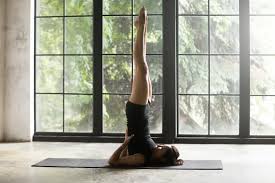
Sarvangasana (Shoulder Stand Pose), often called the “Queen of Yoga Poses,” is a powerful inverted posture that benefits the entire body.
Three terms make up Sarvangasana: “Sarva” (meaning “entire”), “Anga” (meaning “body part”), and “Asana” (meaning “pose”). Sarvangasana, also called Shoulderstand Pose, is referred to as the “Mother of all Yoga Poses” due to its advantages for both the body and the mind. A yoga practitioner must be somewhat at ease with a variety of intermediate yoga poses to do this asana.
Since shoulderstand posture variations can be developed from the shoulderstand pose, the shoulderstand pose is regarded as a base pose.
How to Do the Shoulder Stand Pose?
Method: 1
- Entry from a Supine Position: For many practitioners, this approach is safer because it stresses core strength and control.
- Starting Pose: Reclined Mountain Pose (Supta Tadasana) involves lying on your back with your feet together. With your hands facing down, place your arms on the ground next to your torso.
- Lift into Shoulderstand: Take a deep breath, press your palms into the ground, and raise your legs off the mat with your core. Sweep your hips and legs up toward the sky as you maintain this upward momentum in a single, smooth motion.
- Support Your Back: As soon as your hips rise, bend your elbows and support yourself with your palms on your mid-back. To build a sturdy shelf for your back, move your elbows closer together.
- Find Vertical Alignment: From your shoulders to your ankles, straighten your complete body into a vertical line. Make sure your weight is carried by your shoulders and upper arms rather than your head or neck by adjusting your position.
- Hold and Breathe: Take five to ten deep breaths while holding the stable shoulderstand, or as long as it feels comfortable. Your eyes should be gentle and focused on your navel or toes, and your legs should remain moving.
Method: 2
- Dynamic Entry from a Seated Position: Using the momentum from a forward bend while seated, this entry is more fluid.
- Starting Pose: Extend your legs in front of you while sitting erect in Staff Pose (Dandasana).
- Transition 1: Fold Forward: Holding onto the outside of your feet or ankles, hinge at your hips, and fold forward into Seated Forward Bend A (Paschimottanasana A) as you exhale.
- Start the Roll: Inhale. The next time you exhale, contract your core and start rolling back smoothly while maintaining a solid hold on your feet.
- Use Momentum to Lift: Sweep your legs up and over your head in a single, continuous action as your spine touches the floor.
- Release your hands from your feet, rapidly bend your elbows, and place your palms on your mid-back to support your back as your hips rise.
- Safely Releasing the Pose: Both entry approaches can use this release technique.
- Lower the Legs aloft: As in Plough Pose Hands On Back (Halasana Hands On Back), slowly drop both legs aloft during an exhale until they are parallel to the floor.
- Roll Down the Spine: To apply brakes, take your hands off your back and place them palm down on the ground. Keeping your head on the ground, carefully roll your spine down onto the mat, vertebra by vertebra.
- Lower Your Legs to the Floor: After your back is flat, release your breath and gradually lower your legs to the floor. Rest entirely in Savasana, or Corpse Pose.
Benefits of Shoulderstand Pose:
Shoulderstand (Sarvangasana) is referred to as the “Mother of all Asanas” since it offers numerous health benefits. Few yoga poses are so beneficial to us. The following are some advantages of Sarvangasana (Shoulderstand Pose):
Physical (Anatomical) Benefits:
- Strengthens Shoulders: Corrects sagging shoulders and tones and strengthens them.
- Neck Strengthening: Neck strengthening helps prevent a stiff neck and/or spondylitis relapse.
- Great for runners: strengthens the calf, hamstring, and leg muscles. This yoga pose is beneficial for athletes, especially runners, since it reverses the blood flow to the legs. Running-related tension on the leg muscles is lessened by this “reversed blood flow.”
- Back Strengthening: The back can be strengthened by lifting the back and balancing the body.
- Strengthens Spines: The spine’s enhanced flexibility and strength contribute to better nervous system performance.
Health Benefits:
- Stimulates Glands: Activates the parathyroid and thyroid glands, which balance hormones in both sexes.
- Rejuvenates Brain: The brain receives more blood as the blood flow is reversed.
- Stretches Heart Muscles: Because the heart must work harder to pump blood to the extremities due to the reversed blood flow, the heart muscles are stretched.
- Improves Digestion: Eases constipation and enhances digestion. A healthy lifestyle depends on proper digestion.
- Relieves Varicose Veins: The blood flow is reversed as the legs are lifted, which aids in the healing of tight varicose veins.
- Improves Vision: Increased blood supply to the brain contributes to better vision.
- Aids in Weight Loss: Burns fat in the hips, thighs, buttocks, and stomach.
- Manages Symptoms of Various Diseases: This yoga posture helps treat symptoms of diabetes, insomnia, hypertension, headaches and migraines, asthma, thyroid diseases, and reproductive issues.
- Relieves congestion, depression, bronchitis, asthma, sinusitis, hemorrhoids, headaches, constipation, hypertension, sleeplessness, and varicose veins.
- Strengthens the back and nerve system.
- Helps restore normal body weight by massaging and toning the thyroid gland, which regulates metabolism.
- Manages hypothyroidism.
Contraindications of Shoulderstand Pose:
Sarvangasana (Shoulderstand Pose) uses the shoulders, elbows, and appropriate breathing to lift and balance the entire body in the air. Understanding the effects of this yoga pose on the body is crucial because of the upside-down body position. Sarvangasana has many advantages; there are several situations in which it should not be performed. These situations are as follows:
- Back Pain: If you have significant back pain or a spinal injury, stay away from this pose.
- Spondylitis: If you have spondylitis or are receiving therapy for it, stay out of this pose. However, under the instruction of a skilled yoga therapist, this pose can actually help rehabilitate minor cases of spondylitis.
- Heart Problems: If you’re older, have heart issues, or have less body control or flexibility, you might want to avoid this posture or consult a yoga instructor.
- Internal Organs: This yoga posture should be avoided by those with weak internal organs, such as the liver, kidney, spleen, or an enlarged thyroid.
- High Blood Pressure: A person suffering from migraines or high blood pressure.
- Menstruating or Pregnant: Women who are menstruating or who are pregnant.
- Throat or Ear Infection: Avoid this posture if you have a throat or ear infection because the blood flow may cause pain in the surrounding muscles.
Modifications of Shoulderstand Pose:
Knowing how to perform Sarvangasana (Shoulderstand Pose) is crucial for yoga practitioners. Not everyone can perform this yoga pose with ease since it places extra strain on the shoulders and neck. Here are a few adjustments or different approaches to facilitate Sarvangasana practice.
- Blanket beneath the Shoulders and Neck: Placing a blanket beneath the shoulders and neck can provide support and facilitate a more comfortable position.
- Bend or Incline Legs: Not everyone is able to precisely elevate their legs to a 90-degree angle. In the meantime, yoga practitioners might begin with their legs folded or inclined.
- Wall support: Another option to start with is to use the wall as a support by elevating the back off the floor and placing the legs high up on the wall.
- Half Sarvangasana: To gain confidence, you could perform half Sarvangasana by putting one leg on the wall and the other at a 90-degree angle, then switching between the legs.
- Chair support: By keeping the chair close to the hips and lower back, a well-cushioned chair can help elevate the hips. The B.K.S. Iyengar yoga schools are often where this practice is carried out.
- Companion to hold the legs in the air: The instructor could assist in raising the legs to a 90-degree angle by holding them for you, giving you the self-assurance to stay there for a longer period of time.
- Even if it’s challenging, you shouldn’t miss this lovely yoga pose if your body permits. The benefits to the body and mind are enormous, and it also makes the face glow.
Shoulderstand Pose Breath Awareness:
The following explains the way to hold the yoga pose while breathing while performing Sarvangasana:
- Start by lying flat on your back with your arms at your sides and your feet apart. Then, start breathing slowly. As you exhale, focus on your lower back and relax your entire body.
- Bring your arms close to your body, bring your feet together, and focus on your body. Inhale deeply, elevate your legs to a 90-degree angle, and then fully exhale. Hold this position for a few breaths, then shift your attention to your legs and back in this yoga pose.
- Breathe in, then as you exhale, grip your toes with your hands. Take a few deep breaths and hold this position for a bit. You can bend your knees slightly to make it easier for you to grasp your toes if it hurts the back of your knees.
- Inhale slowly, lifting your legs high with all of your abdominal muscle strength, and then fully exhale while keeping your lower back and hips off the ground. Bring the entire body upward, aiming for a 90-degree angle, by quickly raising the arms and wrists to the hips and lower back and supporting the back. Keep breathing slowly while paying attention to your body.
- Every time you breathe in, loosen your body. When you exhale, raise your torso higher, straighten your legs to eye level, and elevate your toes. If breathing is done slowly and steadily, the body stays steady. It is possible to maintain stability even when one’s eyes are closed with practice. Neither the shoulders nor the neck should feel heavy in any way.
- Only when the pose is maintained for a while can the blood flow in the other direction be felt. Quickly exit the yoga pose if you feel uneasy in your neck or chest.
- Exhale softly after a few breaths, bend your knees to support your lower back, and lower your legs. Breathe slowly while you stay in this position, making sure your entire back is near the floor. As needed, calm the body by taking deep breaths and exhaling.
- Bring the entire body to Savasana (Corpse Pose) slowly, keeping the arms and legs extended. Then, focus on the lower back and navel, releasing the muscles with steady breathing.
- Sarvangasana (Shoulderstand Pose) is beautiful when the energy flow is managed with appropriate body awareness and a regular breathing pattern across the entire body.
Conclusion:
Sarvangasana, or shoulderstand, is a powerful inversion that enhances circulation, maintains thyroid function, and encourages total body balance. It helps strengthen the shoulders and core, lower stress levels, and relax the mind with consistent practice and perfect alignment. You can improve your mental clarity and physical energy by incorporating this pose into your practice.
FAQs:
What is the recommended duration of Sarvangasana?
Sarvangasana, also known as the Shoulder Stand Pose, should be held by beginners for 30 to 60 seconds, then progressively extended to 3 to 5 minutes as experience increases. In order to keep the neck supported and relaxed rather than strained, the pose should only be kept for as long as it is comfortable.
What is Sarvangasana’s substitute?
Even a Half Bridge places your head below your hips, but the Bridge is a less extreme inversion that works your quadriceps and the front of your body. Practice Camel Pose, Upward Facing Dog, or Cobra to discover the backbend and quad stretch that Bridge offers.
Who ought to stay away from Sarvangasana?
Sarvangasana (shoulder stand): Benefits and Precautions. People with high blood pressure, cardiac problems, neck or shoulder injuries, and vertigo should avoid Sarvangasana (shoulder stand). Additionally, it should not be used during menstruation, pregnancy, migraines, glaucoma, slipped discs, or enlarged thyroid, liver, or spleen.
Does Sarvangasana promote hair growth?
By improving blood flow to the scalp and regulating thyroid-related hormones, Sarvangasana (Shoulder Stand) can promote hair development and lessen hair loss. It may assist with thinning hair since it is an inversion that drives nutrient-rich blood to hair follicles, but it is not a cure for complete baldness.
Which disease is cured by Sarvangasana?
Sarvangasana helps both men’s and women’s reproductive organs operate better. Additionally, this asana helps avoid constipation, improve digestion, and treat other indigestion-related problems.
For what age is Sarvangasana appropriate?
The position is advised a few weeks after giving birth and is beneficial for prolapsed pelvic organs. Caution: Avoid this pose if you have high blood pressure, an overactive thyroid, or cervical spine pain. Children under 14 years of age should not maintain the position for any length of time.
What are typical Sarvangasana errors?
Compressing the neck or placing weight on the head are common errors that should be avoided. turning the head when upside-down to survey the surroundings. allowing elbows to spread widely, which causes the shoulder base to become unstable. If your back or hamstrings are stiff, you can force your legs to be vertical.
Which organ gains from Sarvangasana?
Sarvangasana (shoulder stand): Benefits and Precautions The “Queen of Asanas,” Sarvangasana (shoulder stand), strengthens and balances the thyroid and parathyroid glands. Additionally, it strengthens the neurological system, improves digestion, increases blood flow to the brain and respiratory system, and promotes cardiovascular health.
Which chakra is activated by Sarvangasana?
Sarvangasana activates the Kundalini Chakra and has a healing and balancing impact on the Vishuddha Chakra, or throat chakra. It energizes the entire body throughout the process.
Which gland benefits from Sarvangasana?
The following are some advantages of Sarvangasana: The blood circulation is particularly focused on the thyroid gland when in the Sarvangasana position. Since the body is in a topsy-turvy position, the heart can easily pump blood to the brain because it naturally flows there.
Can I perform Sarvangasana every day?
Even though Sarvangasana has many advantages, doing it daily is not advised, especially for beginners. Shoulder and neck pain might result from overdoing this pose. Practicing it three to four times a week is recommended, with plenty of downtime in between.
What disadvantages does Sarvangasana have?
If done incorrectly, Sarvangasana (Shoulder Stand), a strong, sophisticated inversion, can result in serious injury to the neck and spine. High blood pressure, severe pressure on the cervical spine, and possible harm from improper practice for people with heart problems, vertigo, or pre-existing eye or ear problems are the main hazards.
Which illness does Sarvangasana treat?
Sarvangasana provides a natural defense against early aging and hair greying. By improving digestion and controlling the endocrine system, this potent inversion supports internal health. Frequent practice supports general organ function while relieving ailments like hernias and constipation.
What is Sarvangasana’s primary advantage?
Sarvangasana supports the thyroid gland, increases blood flow, improves breathing, and encourages relaxation. Relaxing the neurological system, it also aids in lowering tension and anxiety.
References:
- Sarvangasana Yoga(Shoulderstand Pose)| Yoga sequences, benefits, variations, and Sanskrit Pronunciation | Tummee.com. (n.d.). Tummee.com. https://www.tummee.com/yoga-poses/shoulderstand-pose
- Allen, W. (2025c, August 26). Sarvangasana. https://myyogateacher.com/yoga-asana/sarvangasana
- Rakshak, & Rakshak. (2025a, February 26). Sarvangasana (Shoulder Stand) | How to do | Benefits – The Art Of Living. The Art of Living – Making Life A Celebration. https://www.artofliving.org/in-en/yoga/yoga-poses/sarvangasana-shoulder-stand
- Welcome to Yoga Point. (n.d.). https://www.yogapoint.com/asana/sarvangasana.html