Top 6 Exercises for Cervical Spondylosis
Introduction:
Age-related degeneration of the cervical spine is the cause of cervical spondylosis, also referred to as neck arthritis. Stiffness, neck pain, and limited mobility may result from it. Frequent exercise helps manage symptoms by strengthening neck muscles, increasing flexibility, and improving posture.
For people with cervical spondylosis, the following six exercises are specifically made to ease pain, ease tension, and improve neck function.
Benefits of Exercises for Cervical Spondylosis:
There are many advantages to frequent cervical spondylosis exercises for neck health and general wellbeing. By strengthening the muscles in the neck and shoulders, these workouts enhance posture and spinal stability.
Additionally, they improve flexibility, which lessens stiffness and encourages more fluid neck motions. Regular practice improves blood flow to the cervical area, promoting healing and reducing chronic pain.
These exercises can also lessen nerve compression, enhance everyday comfort and mobility, and help avoid future attacks.
Top 6 Exercises for Cervical Spondylosis Video:
Exercises for Cervical Spondylosis:
Chin Tucks:
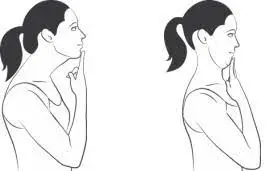
A straightforward yet incredibly powerful exercise for enhancing neck alignment and lessening cervical spine tension is the chin tuck. This practice involves sitting or standing upright, relaxing your shoulders, and slowly drawing your chin straight back, creating the appearance of a double chin.
After a few seconds of holding the position, let go and repeat. This exercise improves forward head posture, develops the deep neck flexor muscles, and relieves cervical spondylosis-related neck pain.
Neck Tilts:
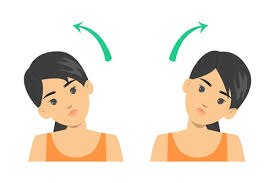
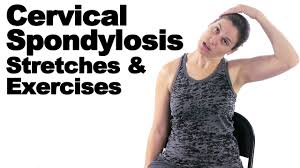
Neck tilts aid in increasing neck muscular flexibility and reducing stiffness. Sit or stand straight with your shoulders relaxed to complete this exercise. Bring your ear closer to one shoulder while slowly tilting your head in that direction without lifting the shoulder.
After a few seconds of holding the stretch, go back to the center and repeat on the opposite side. This mild action improves cervical spine range of motion, eases tension, and extends the side neck muscles.
Neck Rotation:
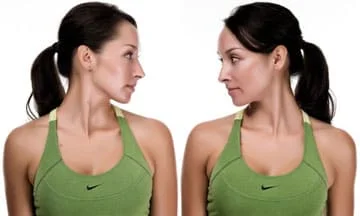
A great exercise to improve mobility and lessen cervical spine stiffness is neck rotation. To do it, sit or stand with your shoulders relaxed and your back straight. Keeping your chin level, slowly tilt your head as far to one side as is comfortable.
Return to the center and repeat on the opposite side after holding the pose for a short while. This exercise reduces strain caused by cervical spondylosis, enhances neck movement, and preserves flexibility.
Shoulder Rolls:
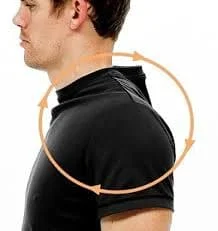
Shoulder rolls are an excellent approach to improve posture and relieve tension in the upper back and neck. Sitting or standing upright with your arms at your sides, perform this exercise. Roll your shoulders slowly in a circle, up, back, and down.
After a few repetitions, change the direction. This exercise improves blood circulation, eases tense shoulder and neck muscles, and lessens cervical spine strain.
Upper Trapezius Stretch:
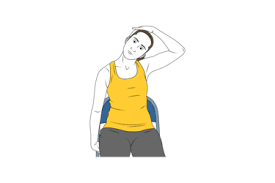
The muscles along the sides and back of the neck are the focus of the upper trapezius stretch, which helps ease stiffness and tightness. Keep your shoulders relaxed and sit or stand upright to do this exercise. Bring your ear closer to your shoulder by gently tilting your head to one side. If it seems comfortable, apply gentle pressure with your palm on the same side to achieve a deeper stretch.
Repeat on the opposite side after holding for a short while. For those with cervical spondylosis, this stretch promotes better neck posture, increases flexibility, and eases tense muscles.
Isometric Neck Extension:
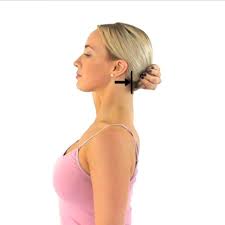
A strengthening exercise that helps maintain the cervical spine without causing undue movement is isometric neck extension. Sit or stand with your back straight to complete this exercise. Gently press your head back on your palms or fingers at the back of your head while using your hands to prevent the motion.
After a few seconds of holding the strain, release it and repeat. This exercise helps lessen cervical spondylosis-related neck pain, strengthens the neck extensor muscles, and enhances posture.
Isometric Neck Flexion:
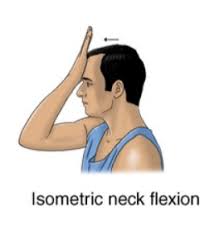
Cervical stability is enhanced, and the front neck muscles are strengthened via isometric neck flexion. Sit or stand with your back straight to complete this exercise. Press your head forward gently while using your hand to oppose the movement, placing your palm or fingers on your forehead.
After a few seconds of holding this position, let go and repeat. This exercise maintains correct alignment, improves neck muscle endurance, and eases cervical spondylosis-related pain.
Isometric Neck Side Flexion:
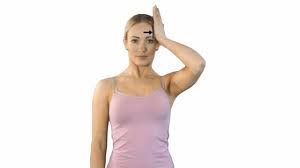
The muscles on the sides of the neck are strengthened by isometric neck side flexion, which also enhances cervical stability and balance. Sit or stand straight with your shoulders relaxed to complete this exercise. Press your head slightly toward your right hand while applying equal pressure to the side of your head above your ear.
After a few seconds of holding, flip sides. For people with cervical spondylosis, this exercise improves posture, strengthens the neck, and lessens muscular imbalance.
Conclusion:
Frequent targeted exercises for cervical spondylosis can improve neck strength and mobility while dramatically reducing pain, stiffness, and pain. These exercises support spinal alignment, improve flexibility, and help maintain good posture—all of which are critical for long-term neck health.
To get long-lasting relief, consistency and proper technique are essential. Always use caution when performing the exercises, and seek medical advice before beginning any new regimen, particularly if the pain continues or gets worse.
FAQs:
What should not be done if you have cervical spondylosis?
Your spine is under less strain when you maintain a neutral neck position. Symptoms may worsen if you lift large objects, especially if you don’t use appropriate form. Your cervical spine may sustain additional damage if you carry bulky bags on one shoulder or strain your neck while lifting.
What fruit is good for cervical spondylosis?
Leafy greens like spinach, kale, and arugula. Nuts such as walnuts and almonds. Fish with plenty omega 3’s like salmon, tuna, and sardines. Fruits like watermelon, pomegranate, cherries, and blueberries.
Cervical spondylosis is caused by this vitamin deficiency?
The individuals were classified as having a VB12 deficit, which may have contributed to the cervical spinal cord illness, after laboratory tests showed that their serum VB12 levels were below the normal range.
Can someone with spondylosis benefit from riding a stationary bike?
Aerobic Fitness
While walking, swimming, and using an elliptical machine are all appropriate cardiovascular conditioning exercises, patients with spondylolisthesis benefit most from using a stationary bicycle.
For cervical spondylosis, what kind of physician is best?
Your needs will determine which kind of doctor is ideal for cervical spondylosis, but for an initial evaluation and possible referral, you should see a primary care physician. For more specialized problems, specialists such as orthopedic surgeons, neurosurgeons, neurologists, and physiatrists (physical medicine and rehabilitation doctors) are ideal. A physiatrist can concentrate on non-surgical rehabilitation methods, a neurologist can assist with nerve-related issues, and an orthopedic or neurosurgeon is ideal for surgical treatment.
What is the most recent cervical spondylosis treatment?
In addition to more conventional approaches like physical therapy, NSAIDs, and steroid injections, the most recent treatments for cervical spondylosis combine minimally invasive surgical procedures with regenerative therapies like stem cell and platelet-rich plasma (PRP) injections. Options for severe cases include less intrusive techniques such artificial disc replacement to preserve motion, as well as minimally invasive or standard surgery (such as laminectomy and spinal fusion).
What drink relieves cervical pain?
Turmeric
Turmeric is another common treatment for cervical spondylosis because of its anti-inflammatory qualities. Turmeric also improves blood circulation, which lessens pain and stiffness in the muscles. In a glass of milk, combine one teaspoon of turmeric powder with honey. Drink it twice a day.
Which side of neck pain is serious?
Any side of neck pain can be considered serious if it is accompanied by symptoms such as chest pain, shortness of breath, fever, severe headache, or numbness and tingling down the arms. Other signs of serious concern include pain after a severe injury, persistent pain that doesn’t go away with rest, or stiffness in the neck that prevents you from touching your chin to your chest.
How can cervical pain be treated the quickest?
You can use over-the-counter topical pain medications or oral pain medicine, stretch your neck gently, and use alternating hot and cold compresses for immediate relief from cervical pain. Short-term advantages also come from stress management and proper posture.
When I have cervical spondylosis, which exercises should I avoid?
Exercises involving jerky or abrupt movements, hard lifting, high-impact activities, and excessive neck bending or twisting should all be avoided if you have cervical spondylosis. Exercises that place undue strain on your spine include running, jumping, and lifting large weights. Additionally, avoid of exercises that can strain the neck and worse symptoms, such as rapid neck twists and deep forward bends in yoga.
What is the most effective at-home treatment for cervical spondylosis?
Applying heat and cold compresses, doing mild exercises and stretches to increase mobility and strengthen muscles, and keeping proper posture are all effective home treatments for cervical spondylosis. Temporary relief can also be obtained using over-the-counter medications. Make regular exercise and an ergonomic setting your top priorities for long-term relief.
Does running help people with spondylosis?
You can definitely keep running if you enjoy it, but you might not be able to do so during flare-ups. Many people with AS are able to preserve their strength and posture and carry on with their favorite activities thanks to advancements in treatment and medication.
For cervical spondylosis, what kind of physical therapy is used?
Ultrasound treatment: In deeper muscle layers, high-frequency sound waves lessen inflammation and encourage tissue repair. For more severe cases of cervical spondylosis, interferential therapy—which uses low-frequency electrical stimulation to relieve pain and inflammation—is frequently used.
What kind of exercise is ideal for those with cervical spondylosis?
The greatest exercises for cervical spondylosis include strengthening exercises like shoulder blade squeezes and isometrics, as well as mild range-of-motion exercises like neck rotations, side tilts, and chin tucks. Before beginning any new workout regimen, it is important to practice these exercises carefully and with good posture. Depending on your particular condition, some exercises may not be acceptable.
References:
- NHS inform. (2025, February 6). Exercises to help with cervical spondylosis | NHS inform. NHS Inform. https://www.nhsinform.scot/illnesses-and-conditions/muscle-bone-and-joints/neck-and-back-problems-and-conditions/exercises-for-cervical-spondylosis
- Editorial Team. (2023, November 22). Top 7 Best exercises for Cervical spondylosis to reduce pain. Heritage Hospitals. https://heritagehospitals.com/blog/exercises-for-cervical-spondylosis/
- We Are Spine. (2025, July 16). 15 Cervical spondylosis exercises to relieve neck pain. https://wearespine.in/cervical-spondylosis-exercises/
- Physio, S. (n.d.). Best 5 Exercises for Cervical spondylosis – Surrey Physio. Surrey Physio. https://www.surreyphysio.co.uk/top-5/best-5-exercises-for-cervical-spondylosis/
- Anssi, T. (2024, November 30). Cervical spondylosis treatment: Best 5 exercises to improve your condition. ANSSI Wellness. https://www.anssiwellness.com/cervical-spondylosis-treatment-best-5-exercises-to-improve-your-condition/