Safe Exercises for Osteoporosis
Introduction:
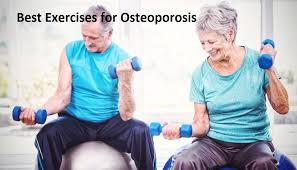
Bones weakened by osteoporosis are more vulnerable to accidents and fractures. Exercise of the proper kind is crucial for maintaining bone density as well as for enhancing strength, flexibility, and balance.
Safe osteoporosis workouts are particularly made to promote bone health and reduce the risk of falls and fractures. Weight-bearing exercises, mild resistance training, balance exercises, and low-impact workouts that support skeletal structure and improve muscles without overtaxing delicate bones are common examples of these exercises.
For those with osteoporosis, incorporating these activities into a daily program can greatly improve quality of life, increase mobility, and lessen pain.
Benefits of Safe Exercises for Osteoporosis:
Despite simply strengthening bones, safe osteoporosis activities have many other advantages. In addition to increasing muscle strength to better support weak bones, they help increase bone density and reduce bone loss.
These exercises improve flexibility and mobility, which makes everyday tasks easier and more pleasant, and improve balance and coordination, which lowers the chance of falls and fractures.
They can also support heart and lung health through low-impact aerobic exercise, ease joint stiffness and soreness, and enhance mental health by lowering stress and boosting self-esteem. All things considered, implementing safe workouts into a regular program helps people with osteoporosis preserve their mobility, independence, and quality of life.
Safe Exercises for Osteoporosis Video:
Exercises for Osteoporosis:
Marching in Place:
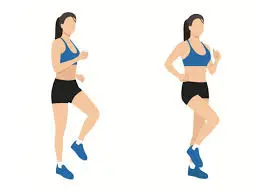
A flexible, low-impact workout that offers several advantages for general mobility and fitness is marching in place. It improves balance and coordination while strengthening the muscles of the legs, hips, and lower back by raising the knees alternatively while maintaining an engaged core. This exercise improves heart and lung health by increasing cardiovascular activity and blood circulation throughout the body.
It is very accessible and appropriate for people of all ages and fitness levels, including those with restricted mobility or joint issues, because it can be done indoors without any equipment. In addition to being a great warm-up, marching in place helps release tension in muscles and get the body ready for more strenuous exercise.
Frequent practice is a straightforward but powerful supplement to any regular fitness regimen since it can improve endurance, aid in weight management, and boost general vitality and wellbeing.
Straight leg raises:
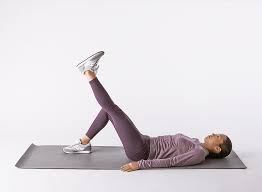
A regulated exercise that works the muscles in the hips, thighs, and lower abdomen is the straight leg raise. You may develop your quadriceps, hip flexors, and core muscles without overtaxing your lower back or joints by lying flat on your back and lifting one leg at a time while keeping it straight.
This exercise is especially helpful for people recuperating from injuries, managing lower back pain, or trying to improve overall mobility because it increases leg strength, stability, and flexibility. When done regularly, straight leg lifts promote improved posture, balance, and functional mobility in daily tasks. They can be readily adjusted for various fitness levels.
Bridge Pose:
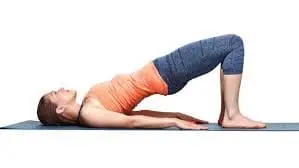
Bridge Pose is a mild yet powerful exercise that stretches the chest, neck, and spine while strengthening the glutes, lower back, and core muscles. Then, while keeping your shoulders and feet stable, raise your hips toward the ceiling. This pose strengthens the lower back, increases spinal flexibility, and improves posture in general.
Additionally, it improves circulation, eases hip and back stress, and may have relaxing effects on the psyche. Bridge Pose is a great complement to fitness, rehabilitation, or stress-relieving routines since it promotes balance, core strength, and general body stability.
Cobra Pose:
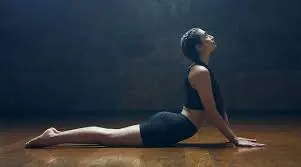
Cobra Pose is a mild backbend that increases general flexibility, extends the shoulders and chest, and strengthens the spine. It involves lying face down, putting your hands under your shoulders, and lifting your chest off the ground while maintaining your hips grounded and your elbows slightly bent.
This pose relieves tension in the neck and back, opens up the chest, and enhances posture. Additionally, it improves spinal mobility, stimulates abdominal organs, and helps lessen stiffness caused by extended sitting. Cobra Pose is good for both fitness and stress alleviation since it promotes a stronger back, more flexibility, and more energy.
Superman Pose:
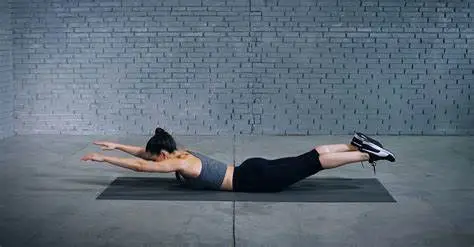
Superman Pose is a strengthening exercise that works the hamstrings, shoulders, glutes, and lower back muscles. It involves lying face down on the floor with your legs straight and your arms out in front of you. Then, while keeping your core active, you simultaneously raise your arms, torso, and legs off the ground.
This pose is beneficial for lower back pain relief and injury prevention since it enhances spinal stability, posture, and general back strength. Superman Pose also supports functional mobility in everyday tasks and fosters a strong, stable body by improving balance, coordination, and core endurance.
Bird Dog Exercise:
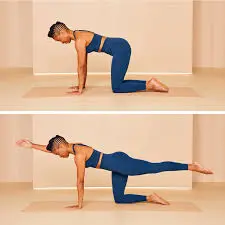
Bird Dog Exercise is a low-impact exercise that strengthens the core and enhances posture, stability, and balance. Then, while maintaining a neutral spine and an engaged core, simultaneously stretch one arm forward and the opposing leg backward. By encouraging good spinal alignment, this exercise improves coordination, strengthens the shoulders, glutes, and lower back, and lowers the chance of injury.
Frequent use of the Bird Dog Exercise promotes improved balance, enhances functional movement in day-to-day tasks, and is particularly helpful for people with back pain or who want to improve their overall core stability.
Tree Pose:
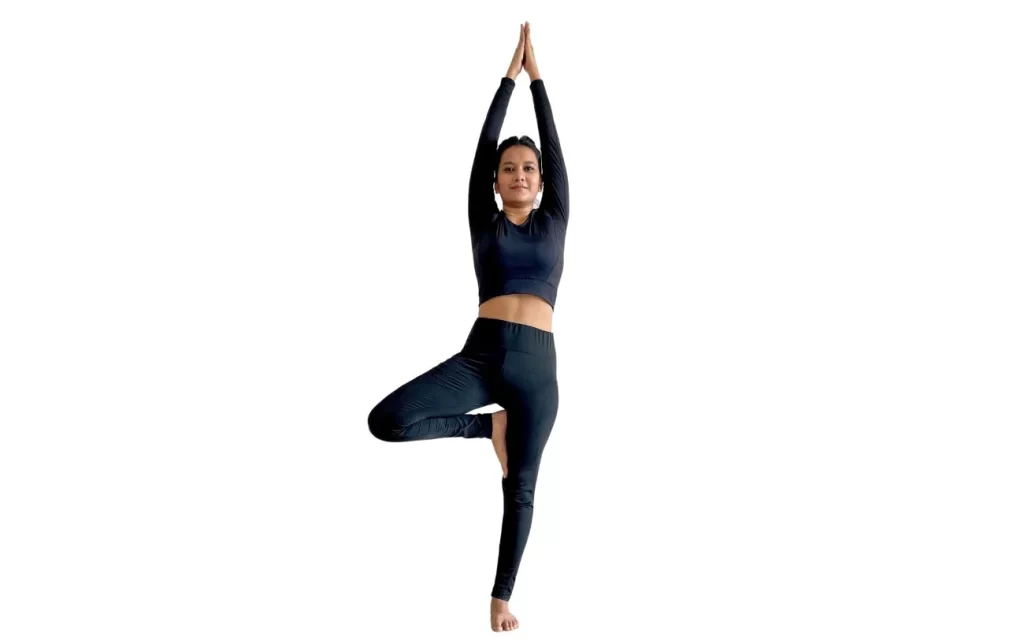
Yoga’s Tree Pose is a standing balance pose that enhances stability and attention while strengthening the legs, ankles, and core. Bring your hands together in front of your chest or overhead, stand tall on one leg, and place the sole of the opposing foot on your inner thigh or calf (avoiding your knee).
This pose stretches the inner thighs and groin while improving balance, posture, and focus. Tree Pose is beneficial for both physical and mental well-being because it increases lower-body strength, enhances body awareness, and fosters calmness and mental focus.
Standing resistance band rows:
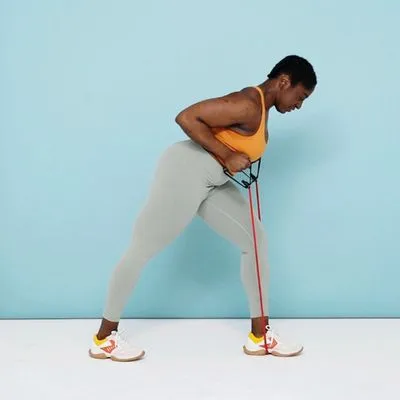
Standing resistance band rows are a great way to improve your posture and strengthen your arms, shoulders, and upper back. This exercise helps prevent the consequences of slouching and extended sitting.
It involves anchoring a resistance band at chest height, grabbing the grips, and pushing them toward the body while pressing the shoulder blades together. It improves total upper body posture and stabilizes the spine by strengthening the rhomboids, lats, and rear shoulders.
The workout is easy on the joints and appropriate for all levels of fitness because the band offers adjustable resistance. Frequent practice is especially helpful for people who want to improve posture, lessen back pain, and develop functional upper body strength since it improves back strength, increases mobility, and encourages balanced muscle development.
Push-ups:
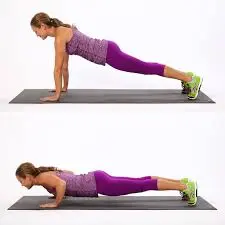
Push-ups are a traditional bodyweight exercise that engages the back and legs for stability while strengthening the chest, shoulders, triceps, and core. Push-ups improve posture, increase overall muscular endurance, and develop effective upper body strength by lowering and raising the body in a straight line from the head to the heels.
They are accessible and simple to add to any exercise regimen because they don’t require any equipment. Frequent push-up practice enhances daily strength required for tasks like lifting, pushing, and carrying, improves joint stability, and increases metabolism.
Plank:
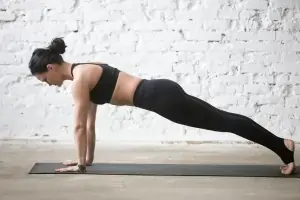
The plank is a potent core-strengthening exercise that works the glutes, shoulders, lower back, and abdominal muscles while enhancing general body stability. The plank, which is executed by holding the body in a straight line from head to heels using the forearms or hands, can aid with balance, endurance, lower back pain, and posture.
This isometric hold is widely accessible because it doesn’t require any equipment and can be readily adjusted for various fitness levels. Frequent practice promotes improved movement mechanics, develops the entire core, and increases stability in daily activities and workout regimens.
Seated hamstring exercise:
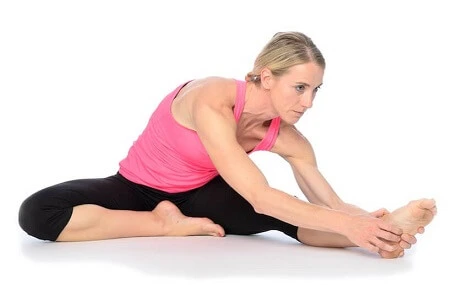
A mild stretch that works the muscles around the back of the leg, the seated hamstring exercise helps increase flexibility, ease tightness, and promote greater mobility. This exercise involves sitting on a chair or the floor with one leg bent and the other extended forward. You should keep your back straight and lean slightly toward the extended leg to allow your hamstrings to pleasantly lengthen.
Because it releases tension without straining the spine or joints, this exercise is particularly helpful for people with restricted movement, lower back pain, or tight leg muscles. Frequent practice improves range of motion, promotes improved posture, and makes daily activities easier and more pleasant.
Chest opener:
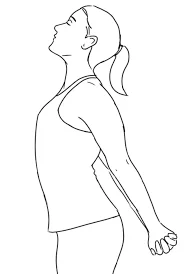
A chest opener is a mild stretch that relieves upper back, shoulder, and chest stiffness caused by bad posture, extended sitting, or forward-rounded postures. This exercise strengthens the chest muscles, enhances shoulder mobility, and promotes an upright posture. It is done by interlacing the fingers behind the back or by placing the hands on a wall or doorway and gradually opening the chest forward.
Additionally, it facilitates easier breathing, eases upper body stress, and helps avoid shoulder and neck stiffness. Frequent use of chest openers helps total upper-body comfort and mobility, improves flexibility, and encourages better alignment.
Side stretch:
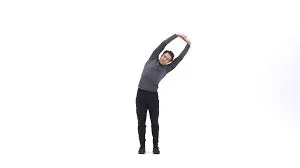
The muscles along the sides of the torso, such as the obliques, intercostals, and muscles surrounding the hips and lower back, are targeted by the mild, extending exercise known as a side stretch. This stretch helps increase flexibility, lessen stiffness, and release tension caused by extended sitting or bad posture.
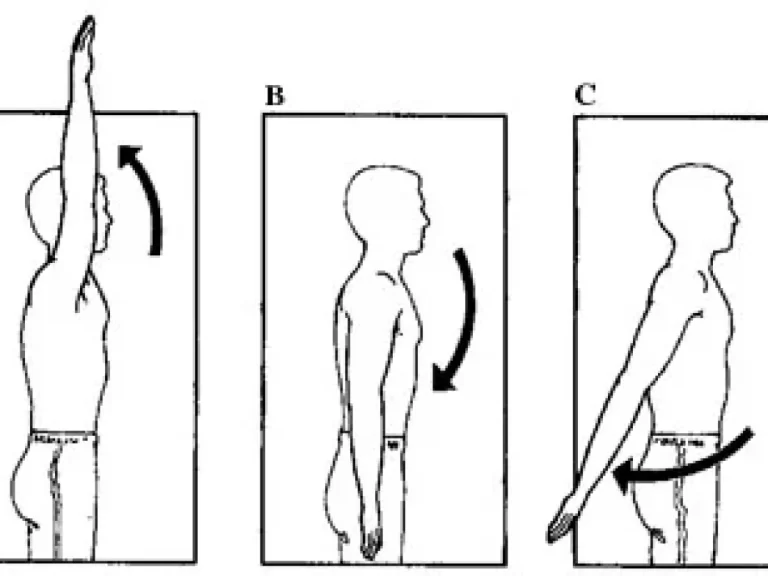
It is done by extending one arm overhead and leaning to the other side while keeping the torso stretched. Additionally, it promotes improved respiration by enlarging the rib cage, improves spinal mobility, and improves balance and body awareness. Frequent side stretching encourages an upper body that is more comfortable, flexible, and aligned.
Conclusion:
In order to preserve bone strength, increase mobility, and lower the risk of fractures and falls, safe osteoporosis workouts are essential. Stretching, low-impact exercises, balance exercises, and mild strength training can all be included in a daily regimen to improve posture, increase flexibility, and strengthen the muscles that support weak bones.
These activities are a crucial component of naturally and successfully controlling osteoporosis because, when done consistently and correctly, they enhance self-esteem, independence, and general quality of life.
FAQs:
What differentiates osteoporosis from osteopenia?
An early indicator of osteoporosis is osteopenia. They are closely related, which explains why their names seem so similar. Reduced bone density is known medically as osteopenia. The warning sign that indicates a higher risk of osteoporosis and fracture is osteopenia.
Does using ankle weights when walking assist with osteoporosis?
Your muscles have to work harder when you walk with ankle weights, which increases muscle strength. By providing resistance, ankle weights can strengthen bones and stop bone loss.
Who has the highest risk of developing osteoporosis?
Osteoporosis is most common in women over 50, especially postmenopausal white or Asian women. A family history of fractures, older men, people with smaller, thinner bones, and certain lifestyle choices like smoking or a sedentary lifestyle are additional at-risk groups.
What is the most detrimental to osteoporosis?
Excessive salt, caffeine, soft drinks, alcohol, high-protein diets, processed meals, and foods high in oxalates are the seven worst foods for osteoporosis. Limiting certain foods can lower the risk of osteoporosis and promote bone health.
Does walking help with osteoporosis?
It’s crucial to concentrate on maintaining a steady pace for those with osteoporosis, and even light walking is a safe approach to start boosting physical activity for those who are normally sedentary.
How can bone density be increased the quickest?
Combining high-impact weight-bearing exercises, like running and jumping, with strength training to put stress on the bones and promote growth is the quickest approach to enhance bone density. It’s also critical to avoid smoking and excessive alcohol use, as well as to supplement these activities with a diet high in calcium and vitamin D.
Does osteoporosis suffer from downward dog?
For instance, a downward-facing dog pose promotes a straight back and is healthy for those with osteoporosis; nevertheless, it is risky for your spine to roll up through your spine or jump from your feet to your hands. Dropping to your knees is a more effective approach to exit downward-facing dog.
What can make osteoporosis worse?
Use of medications. Bone loss and fractures can result from long-term use of several drugs, such as glucocorticoids and some anticonvulsants. way of life. Long periods of bed rest or a sedentary lifestyle tend to damage bones.
Can exercise reverse osteoporosis?
Osteoporosis can be reversed, depending on your circumstances, by combining therapeutic exercise with a healthy diet. But if my clients have lost a lot of bone and are at risk of fracture, I counsel them to carefully consider taking medication.
What kind of physical activity promotes bone density?
Engage in both weight-bearing and muscle-strengthening exercises to improve bone density. While strength training can include lifting weights or performing bodyweight exercises like push-ups, weight-bearing workouts include walking, running, dancing, and climbing stairs. To assist in preventing falls, balance exercises like yoga or tai chi are also advised.
Which activity is most beneficial for osteoporosis?
Walking, strength training with weights or resistance bands, and tai chi are examples of weight-bearing, muscle-strengthening, and balancing workouts that are best for osteoporosis. Before beginning any new workout regimen, it is essential to speak with a healthcare provider to make sure it is suitable for your needs and safe.
References:
- Exercise for bone health. (n.d.). https://theros.org.uk/information-and-support/bone-health/exercise-for-bones/?gad_source=1&gad_campaignid=17333590251&gbraid=0AAAAADrOXMACw2dIA82Ax_nGeE76Kh7ET&gclid=CjwKCAiAxc_JBhA2EiwAFVs7XNeiW3-SGK1Mb9ovMI3LyHiA4g5PJSDF1murEFqqWAFD2_V00xM8ZRoCIXUQAvD_BwE
- Exercising with osteoporosis: Stay active the safe way. (n.d.). Mayo Clinic. https://www.mayoclinic.org/diseases-conditions/osteoporosis/in-depth/osteoporosis/art-20044989
- Exercise for bone health. (n.d.-b). https://theros.org.uk/information-and-support/bone-health/exercise-for-bones/
- Harvard Health. (2021, April 11). Effective exercises for osteoporosis. https://www.health.harvard.edu/newsletter_article/effective-exercises-for-osteoporosis
- Clinic, C. (2021, January 12). The best workouts for osteoporosis. Cleveland Clinic. https://health.clevelandclinic.org/the-best-workouts-for-osteoporosis
- Crna, R. N. M. (2024, July 19). 8 Exercises to Strengthen Your Bones When Living with Osteoporosis. Healthline. https://www.healthline.com/health/managing-osteoporosis/exercises-to-strengthen-your-bones