Skip to content
Physical Therapy us Logo

Physical Therapy Treatment and Exercise

  • Home
  • About Us
  • DiseaseExpand
    • Orthopedic Conditions
    • Autoimmune Diseases
    • Pulmonary Diseases
    • Neurological Diseases
    • Psychological disorders
    • Rheumatic Disease
  • Physical TherapyExpand
    • Electrotherapy
    • Rehabilitation
  • AnatomyExpand
    • Body Joint
    • Muscle
    • Nerve
  • TreatmentExpand
    • Treatment Technique
    • Medicine
    • Surgery
    • Health Tips
  • ExerciseExpand
    • Stretching Exercises
    • Strengthening Exercises
    • Yoga Pose
  • Contact Us
Physical Therapy us Logo
Physical Therapy Treatment and Exercise
  • Restless Legs Syndrome
    Disease | Muscle Pain | Neurological Diseases | Orthopedic Conditions

    Restless Legs Syndrome (RLS)

    ByDarshan Ladumor February 19, 2025February 19, 2025

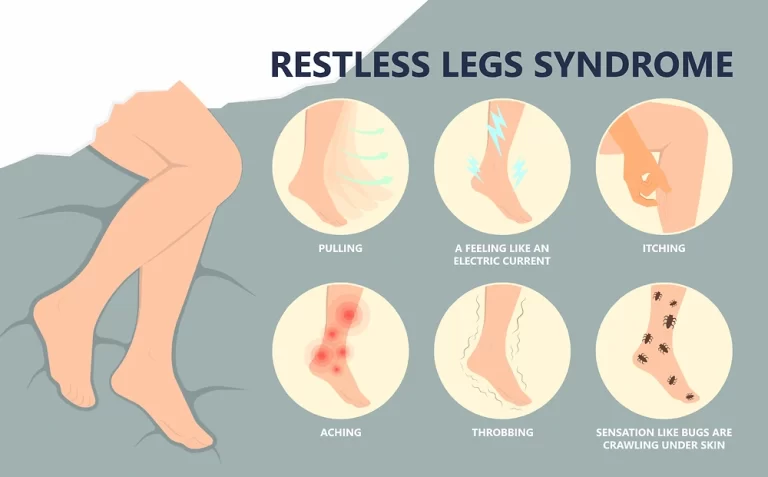
    What is The Restless Legs Syndrome? Restless Legs Syndrome (RLS) is a neurological disorder characterized by an uncontrollable urge to move the legs, often accompanied by uncomfortable sensations like tingling, itching, or aching. Symptoms typically worsen during rest or inactivity, especially in the evening or at night, leading to disrupted sleep. The exact cause is…

    Read More Restless Legs Syndrome (RLS)Continue

  • Temple-fay-
    Treatment Technique | Treatment

    Temple Fay Technique: A Progressive Pattern Movement

    ByDr.Mahima Thakkar February 19, 2025February 19, 2025

    What is Temple Fay Technique? The Temple Fay Technique is a neurodevelopmental approach that uses progressive pattern movements to facilitate brain organization and motor development. It is based on the idea that reenacting early movement patterns can help individuals with neurological impairments improve coordination and function. American neurosurgeon and neurologist Temple Fay is most recognized…

    Read More Temple Fay Technique: A Progressive Pattern MovementContinue

  • Homans sign
    Orthopedic Conditions | Diagnosis | Movement | Physical Examination

    Homan’s Sign

    ByDr.Mahima Thakkar February 19, 2025February 19, 2025

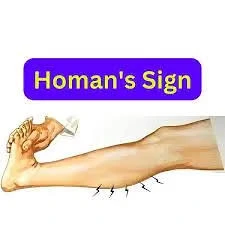
    What is Homan’s Sign? Homan’s sign is a clinical test for deep vein thrombosis (DVT). It is positive if dorsiflexion of the foot causes pain in the calf, suggesting possible thrombosis. However, it is not highly specific or reliable for diagnosing DVT. This method was believed to cause calf pain, which was a sign of…

    Read More Homan’s SignContinue

  • Brudzinski Sign
    Physical Examination | Diagnosis

    Brudzinski Sign

    ByDr.Mahima Thakkar February 19, 2025February 19, 2025

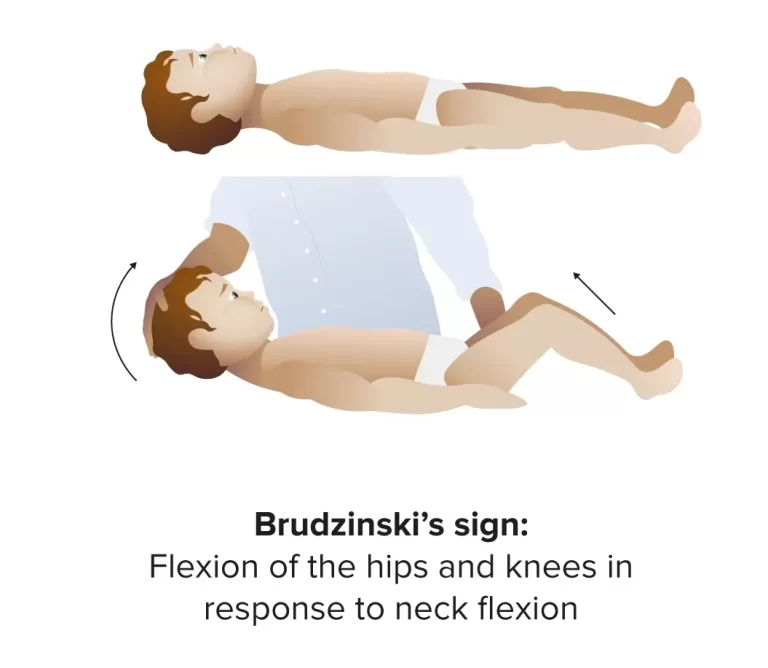
    What is Brudzinski Sign? Brudzinski’s sign is a clinical test used to assess meningeal irritation, commonly seen in meningitis. It is positive when passive flexion of the neck causes involuntary flexion of the hips and knees, indicating possible meningeal inflammation. The doctor Józef Brudziński, who initially characterized it in the early 1900s, is remembered by…

    Read More Brudzinski SignContinue

  • Costochondritis
    Equipment | Disease | Joint Pain | Orthopedic Conditions

    Costochondritis

    ByDr.Trusha Vaghela February 18, 2025February 18, 2025

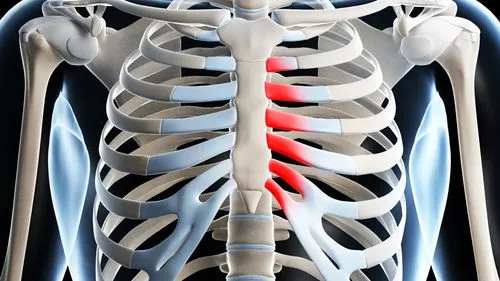
    What is a Costochondritis? Costochondritis is the inflammation of the cartilage connecting the ribs to the breastbone (sternum), causing chest pain that may worsen with movement or deep breathing. It is often benign and self-limiting but can mimic heart-related pain. Causes may include strain, injury, or infections, and treatment typically involves pain relief with rest,…

    Read More CostochondritisContinue

  • Interphalangeal joints of the foot
    Anatomy | Body Joint

    Interphalangeal Joints of the Foot

    ByDr.Arati Gameti February 18, 2025February 18, 2025

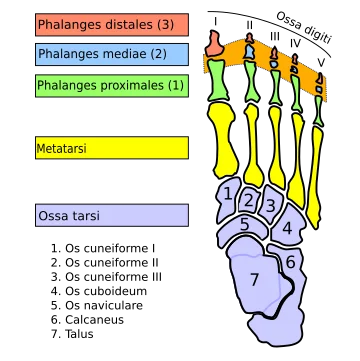
    The interphalangeal (IP) joints of the foot are the articulations between the phalanges (toe bones). These hinge joints allow for flexion and extension, contributing to toe movement and balance. The toes’ interphalangeal joints are synovial. The proximal and distal interphalangeal joints on the four lesser toes connect three phalanges, while the hallux has a single…

    Read More Interphalangeal Joints of the FootContinue

  • Exercise for Squint Eyes (Strabismus)
    Strengthening Exercises | Exercise | Stretching Exercises

    13 Best Exercise for Squint Eyes (Strabismus)

    ByDr.Bhoomika Bariya February 18, 2025February 18, 2025

    Strabismus exercises aim to strengthen eye muscles, improve focus, and enhance coordination between both eyes. Techniques like pencil push-ups, Brock string, and eye patching can help improve alignment. Regular practice under professional guidance can support better visual function. Introduction: A condition called strabismus, or squinting, happens when both eyes are not correctly aligned. One eye…

    Read More 13 Best Exercise for Squint Eyes (Strabismus)Continue

  • Plica Syndrome
    Disease | Orthopedic Conditions

    Plica Syndrome

    ByDarshan Ladumor February 18, 2025February 18, 2025

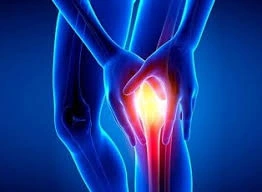
    What is Plica Syndrome? Plica syndrome is a disorder that causes pain and discomfort by irritating or inflaming the plica, a fold of tissue in the knee joint. Usually caused by overuse or repetitive motions, it can cause symptoms like swelling, clicking, and knee pain. Rest, physical therapy, anti-inflammatory medications, and in certain situations, surgery,…

    Read More Plica SyndromeContinue

  • Chest pain
    Disease | Orthopedic Conditions

    Chest Pain

    ByDr.Trusha Vaghela February 17, 2025February 17, 2025

    Overview Chest pain is a symptom with various possible causes, ranging from mild to life-threatening. It can originate from the heart (e.g., heart attack, angina), lungs (e.g., pulmonary embolism), muscles, ribs, or digestive system (e.g., acid reflux). A variety of factors can cause chest pain. The two most potentially lethal causes are the cardiovascular system…

    Read More Chest PainContinue

  • Proximal Interphalangeal Joint
    Anatomy | Body Joint

    Proximal Interphalangeal Joint

    ByDr.Arati Gameti February 17, 2025February 17, 2025

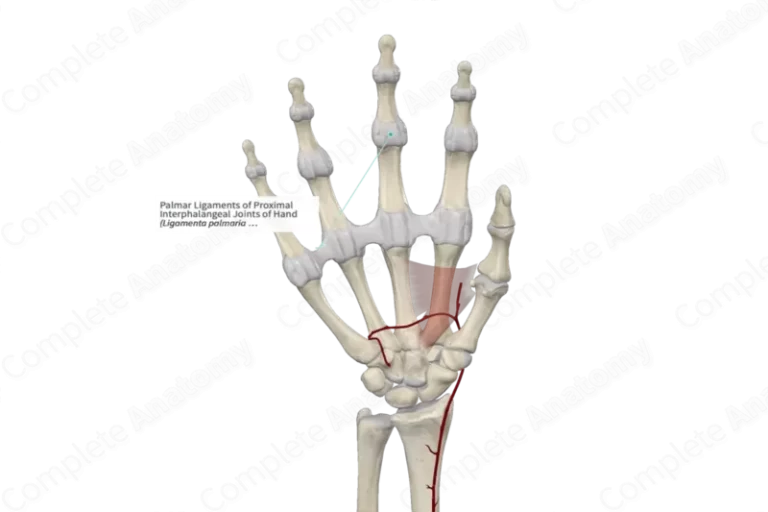
    The proximal interphalangeal joint (PIPJ) is the hand’s articulation between the proximal and middle phalanx. It is found in every digit except for the thumb. The bending and extension of the fingers in the middle are made possible by this synovial hinge joint, which aids in fine motor control. Introduction The fingers’ proximal interphalangeal (PIP)…

    Read More Proximal Interphalangeal JointContinue

Page navigation

Previous PagePrevious 1 … 54 55 56 57 58 … 127 Next PageNext
  • Home
  • About Us
  • Disease
  • Orthopedic Conditions
  • Treatment Technique
  • Health Tips
  • Exercise
  • Anatomy
  • Contact Us
  • Privacy Policy
  • DISCLAIMER

Medical Disclaimer: The information provided on this website is for educational and informational purposes only and is not intended as medical advice. Always consult with a qualified healthcare professional or licensed physical therapist before beginning any new exercise or rehabilitation program.

  • Flutter Kicks Exercise
  • Balance Exercises for People Over 60: Improve Stability & Prevent Falls
  • Top 12 VMO Strengthening Exercises:
  • Clavicle Bone
  • 14 Best Exercises for Computer-Related Shoulder Pain

© 2026 Physical Therapy Treatment and Exercise - WordPress Theme by Kadence WP

Scroll to top
  • Home
  • About Us
  • Disease
    • Orthopedic Conditions
    • Autoimmune Diseases
    • Pulmonary Diseases
    • Neurological Diseases
    • Psychological disorders
    • Rheumatic Disease
  • Physical Therapy
    • Electrotherapy
    • Rehabilitation
  • Anatomy
    • Body Joint
    • Muscle
    • Nerve
  • Treatment
    • Treatment Technique
    • Medicine
    • Surgery
    • Health Tips
  • Exercise
    • Stretching Exercises
    • Strengthening Exercises
    • Yoga Pose
  • Contact Us
Search