Skip to content
Physical Therapy us Logo

Physical Therapy Treatment and Exercise

  • Home
  • About Us
  • DiseaseExpand
    • Orthopedic Conditions
    • Autoimmune Diseases
    • Pulmonary Diseases
    • Neurological Diseases
    • Psychological disorders
    • Rheumatic Disease
  • Physical TherapyExpand
    • Electrotherapy
    • Rehabilitation
  • AnatomyExpand
    • Body Joint
    • Muscle
    • Nerve
  • TreatmentExpand
    • Treatment Technique
    • Medicine
    • Surgery
    • Health Tips
  • ExerciseExpand
    • Stretching Exercises
    • Strengthening Exercises
    • Yoga Pose
  • Contact Us
Physical Therapy us Logo
Physical Therapy Treatment and Exercise
  • Guyon Canal Syndrome
    Disease | Nerve | Nerve Injury | Orthopedic Conditions | Pinched Nerve

    Guyon Canal Syndrome (Ulnar tunnel syndrome)

    ByDarshan Ladumor February 17, 2025February 17, 2025

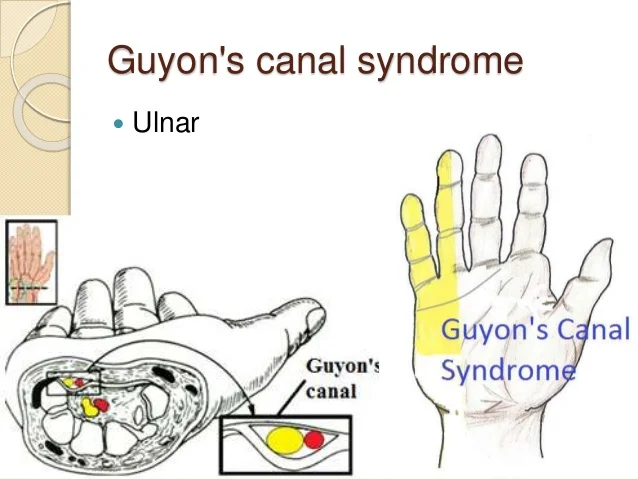
    What is a Guyon Canal Syndrome? Guyon’s Canal Syndrome, also known as Ulnar Tunnel Syndrome, is a condition caused by compression of the ulnar nerve as it passes through Guyon’s canal in the wrist. It can result from repetitive wrist motions, prolonged pressure, or trauma. Symptoms include numbness, tingling, weakness, and pain in the ring…
    Read More Guyon Canal Syndrome (Ulnar tunnel syndrome)Continue

  • Scapholunate Dissociation
    Orthopedic Conditions | Disease | Injury | Ligament Injury

    Scapholunate Dissociation

    ByDr.Neha Kachhadiya February 17, 2025February 17, 2025

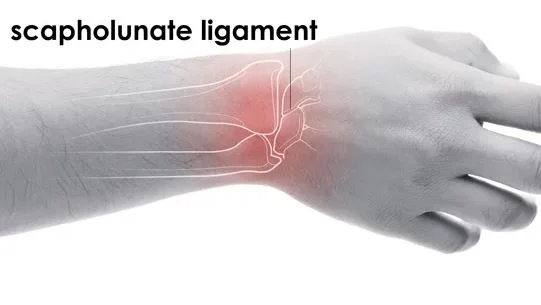
    Scapholunate dissociation is a wrist injury caused by a tear or dysfunction of the scapholunate ligament, leading to instability between the scaphoid and lunate bones. It commonly results from trauma, such as a fall on an outstretched hand, and can cause pain, weakness, and reduced grip strength. If untreated, it may lead to wrist arthritis….

    Read More Scapholunate DissociationContinue

  • ulnar-nerve
    Nerve | Anatomy

    Ulnar Nerve

    ByDr.Srushti Rajpurohit February 17, 2025March 1, 2025

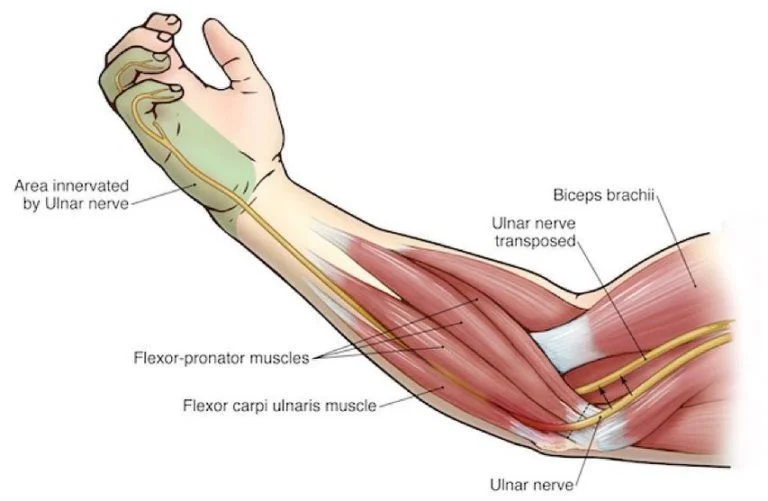
    Introduction The ulnar nerve is a major peripheral nerve that runs from the neck down to the hand, playing a crucial role in movement and sensation. It controls fine motor functions in the hand and provides sensation to the ring and little fingers. Often referred to as the “funny bone” nerve, it is vulnerable to…

    Read More Ulnar NerveContinue

  • NORMAL_SDC
    Physiology | Diagnosis | Physical Therapy

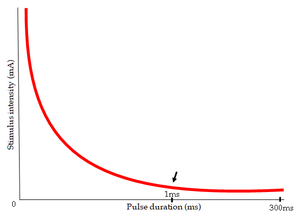
    Strength-Duration Curve (SD Curve)

    ByDr.Hiral Parmar February 17, 2025February 17, 2025

    Introduction The Strength-Duration Curve (SD Curve) visually represents the connection between the intensity of an electrical stimulus applied to a muscle’s motor point and the time required to trigger a minimal contraction in that muscle. In this context, “strength” pertains to the intensity of the stimulus plotted on the vertical axis, while “duration” refers to…

    Read More Strength-Duration Curve (SD Curve)Continue

  • Cystic Fibrosis
    Pulmonary Diseases | Autoimmune Diseases | Chest Therapy | Disease | Physical Therapy | Treatment Technique

    Cystic Fibrosis

    ByDr.Drashti Patel February 17, 2025February 17, 2025

    What is a Cystic Fibrosis? Cystic Fibrosis (CF) is a genetic disorder that affects the lungs, pancreas, liver, intestines, and other organs. It is caused by a defective gene that makes the body produce abnormally thick and sticky mucus. Because CF affects the airways and lungs, which can make breathing difficult and lead to frequent…

    Read More Cystic FibrosisContinue

  • Exercise for Dancer’s Heel
    Strengthening Exercises | Exercise | Stretching Exercises

    15 Best Exercise for Dancer’s Heel

    ByDr.Bhoomika Bariya February 16, 2025February 16, 2025

    Exercise for a dancer’s heel is an important part of your entire treatment plan, in addition to pain management, rest, and physical therapy. Achilles tendinitis, also name as dancer’s heel, is a common ailment among sports and dancers. You must include certain activities in your program if you want to effectively treat this illness. Introduction:…

    Read More 15 Best Exercise for Dancer’s HeelContinue

  • Dolichocyphaly
    Disease | Neurological Diseases | Treatment

    Dolichocephaly

    ByDr.Neha Kachhadiya February 16, 2025February 16, 2025

    Dolichocephaly: What is it? Dolichocephaly is a condition where the head is longer than usual in relation to its width, resulting in an elongated skull shape. It can be congenital or develop due to external factors, such as prolonged positioning in infants. In some cases, it is associated with genetic conditions like craniosynostosis. Treatment depends…

    Read More DolichocephalyContinue

  • Lumbar instability
    Disease | Orthopedic Conditions

    Lumbar Instability

    ByDr.Neha Kachhadiya February 16, 2025February 16, 2025

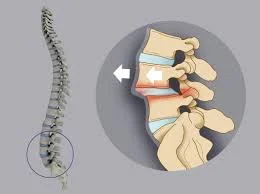
    Introduction: Lumbar instability is a spinal disorder characterized by abnormal movement or joint deformation between two or more contiguous vertebrae. When a patient has lumbar instability, there is excessive movement between the vertebrae, which leads to gradual deterioration of the intervertebral joints and can impair the nervous system components that run through them. Lumbar instability…

    Read More Lumbar InstabilityContinue

  • Exercises For Triceps Tendonitis
    Exercise | Strengthening Exercises | Stretching Exercises

    20 Best Exercises For Triceps Tendonitis

    ByDr.Bhoomika Bariya February 15, 2025February 15, 2025

    Introduction: Exercises for triceps tendonitis focus on reducing pain, improving flexibility, and restoring strength in the triceps and surrounding muscles. Gentle stretching, isometric holds, eccentric triceps extensions, and light resistance exercises help promote healing while preventing further strain. Triceps tendonitis is an overuse injury causing pain and inflammation at the back of the elbow. Strengthening…

    Read More 20 Best Exercises For Triceps TendonitisContinue

  • pulmonary embolism
    Artery | Disease | Pulmonary Diseases

    Pulmonary Embolism

    ByDr.Trusha Vaghela February 15, 2025February 15, 2025

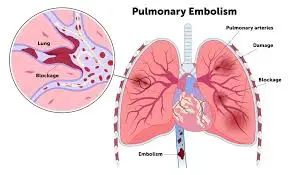
    Introduction Pulmonary embolism (PE) is a life-threatening condition that occurs when a blood clot, usually from the deep veins of the legs (deep vein thrombosis), travels to the lungs and blocks blood flow. This can lead to shortness of breath, chest pain, and rapid heart rate. PE requires urgent medical attention and is typically treated…

    Read More Pulmonary EmbolismContinue

Page navigation

Previous PagePrevious 1 … 55 56 57 58 59 … 127 Next PageNext
  • Home
  • About Us
  • Disease
  • Orthopedic Conditions
  • Treatment Technique
  • Health Tips
  • Exercise
  • Anatomy
  • Contact Us
  • Privacy Policy
  • DISCLAIMER

Medical Disclaimer: The information provided on this website is for educational and informational purposes only and is not intended as medical advice. Always consult with a qualified healthcare professional or licensed physical therapist before beginning any new exercise or rehabilitation program.

  • Flutter Kicks Exercise
  • Balance Exercises for People Over 60: Improve Stability & Prevent Falls
  • Top 12 VMO Strengthening Exercises:
  • Clavicle Bone
  • 14 Best Exercises for Computer-Related Shoulder Pain

© 2026 Physical Therapy Treatment and Exercise - WordPress Theme by Kadence WP

Scroll to top
  • Home
  • About Us
  • Disease
    • Orthopedic Conditions
    • Autoimmune Diseases
    • Pulmonary Diseases
    • Neurological Diseases
    • Psychological disorders
    • Rheumatic Disease
  • Physical Therapy
    • Electrotherapy
    • Rehabilitation
  • Anatomy
    • Body Joint
    • Muscle
    • Nerve
  • Treatment
    • Treatment Technique
    • Medicine
    • Surgery
    • Health Tips
  • Exercise
    • Stretching Exercises
    • Strengthening Exercises
    • Yoga Pose
  • Contact Us
Search