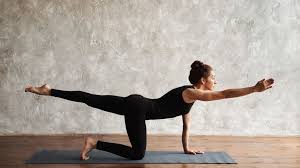
9 Best Lumbar Spine Mobility Exercises
Introduction:
Maintaining a flexible, pain-free, and healthy lower back requires increasing lumbar spine mobility. Stiffness in the muscles and joints surrounding your lumbar area can impair posture, restrict movement, and cause long-term pain. Targeted mobility exercises improve range of motion, lessen tension, and maintain the natural alignment of the spine.
These easy yet powerful exercises improve circulation, relieve tense muscles, and get your lower back ready for everyday tasks. These exercises offer a safe and efficient way to regain mobility and maintain the strength and flexibility of your lower back, regardless of whether you’re dealing with stiffness.
Benefits of Best Lumbar Spine Mobility Exercises:
Exercises for lumbar spine mobility have several benefits for keeping the lower back supple and healthy. These exercises promote smoother, painless motion, increase joint flexibility, and relieve lumbar stiffness. They lessen the chance of strain, damage, and long-term pain by improving blood flow and relaxing tense muscles.
Additionally, improved mobility supports core stability, encourages better posture, and improves total functional movement, which makes daily tasks like walking, lifting, and bending simpler. These exercises are essential for strengthening and preserving the best possible lumbar spine health, whether you’re dealing with tightness in your lower back or wish to avoid problems in the future.
9 Best Lumbar Spine Mobility Exercises Video:
Best Lumbar Spine Mobility Exercises:
Cat Cow Stretch:
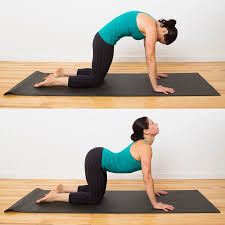
The Cat-Cow stretch is a mild, flowing exercise that releases tension in the back muscles and increases lumbar spine flexibility and mobility. This exercise creates a calming rhythm that improves spinal awareness and control by alternating between rounding the spine upward like a stretching cat and arching it downward like a grazing cow.
As you progress through each phase, the stretch releases tense muscles, improves circulation to the spinal discs, and stimulates deeper breathing, all of which serve to soothe the nervous system. Frequent use of the Cat-Cow stretch not only eases lower back stiffness but also promotes better posture, enhances core engagement, and makes it easier and more comfortable for the spine to perform a variety of daily activities.
Knee to Chest Stretch:
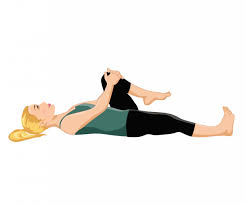
By gently extending the lumbar muscles and decompressing the spine, the knee-to-chest stretch is a straightforward but incredibly powerful exercise that relieves lower back pain. The muscles surrounding the lower back, hips, and glutes can be mildly stretched by pulling one or both knees toward your chest. This will assist in improving flexibility and lessening stiffness.
Additionally, by increasing blood flow to the lumbar area, this stretch promotes relaxation and lessens pain caused by extended sitting or bad posture. Regularly performing the knee-to-chest stretch can enhance general comfort and ease in daily motions, lessen lower back tension, and increase spinal mobility.
Side Bends:
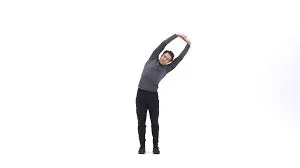
Side bends are a very powerful mobility exercise that helps to enhance lateral flexibility in the lumbar spine and release stiffness in the muscles along the sides of your torso and lower back. You can extend the oblique muscles, stretch the quadratus lumborum (QL), and improve movement in the spine’s side-bending range—a range that is sometimes overlooked in daily activities—by gradually bending your body to one side and then the other.
This exercise promotes smoother, more fluid spinal mobility, lessens tension caused by extended sitting, and helps correct muscular imbalances. Frequent side bend practice promotes better posture, increases core stability, and results in a more balanced and flexible lower back, in addition to improving total lumbar mobility.
Child’s Pose:
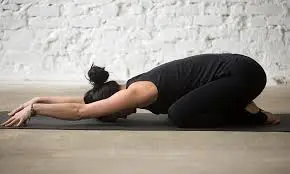
Child’s Pose is particularly helpful for increasing lumbar mobility since it is a soft, restorative stretch that helps lengthen and relax the muscles of the lower back, hips, and spine. The pose releases tension and stiffness from extended sitting or physical effort by creating a relaxing decompression in the lumbar region when you sit back on your heels and fold forward.
Additionally, deeper breathing is encouraged in this relaxing position, which improves relaxation and circulation throughout the back muscles. Child’s Pose is a crucial stretch for preserving a mobile and healthy lumbar region because it increases flexibility, releases tension in the spine, and supports general lower back comfort.
Cobra Pose:
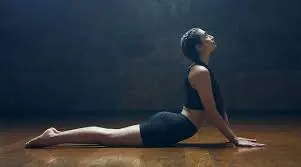
Cobra Pose is a potent lumbar mobility exercise that opens the chest and strengthens the lower back muscles by gently extending the spine. The stretch improves spine flexibility and releases tension caused by extended sitting or slouching by lifting your chest off the ground while keeping your hips grounded.
By preventing the forward rounding of the spine, this pose also improves posture and increases blood flow to the lower back muscles. Regular Cobra Pose practice can support a stronger, more flexible lumbar spine, improve spinal extension, and lessen stiffness.
Bird Dog Exercises:
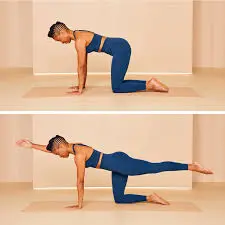
Bird Dog movements are great for strengthening the core and stabilizing muscles that support the lower back, as well as for increasing lumbar spine mobility. You can achieve a balanced, extended stance that activates the deep core muscles and promotes correct spinal alignment by extending one arm forward and the opposing leg backward. This regulated movement helps alleviate lower back stiffness, boosts coordination, and promotes better movement patterns during regular activities.
Additionally, the alternating motion teaches the body how to stay stable while moving, which is crucial for avoiding back issues. When done regularly, Bird Dog exercises can greatly enhance lumbar mobility, boost core strength, and promote a stronger, healthier lower back.
Seated Spinal Twist:
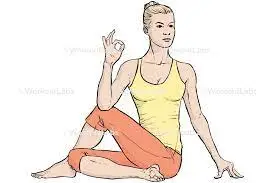
An effective stretching exercise that helps relieve lower back tension and increase lumbar flexibility is the Seated Spinal Twist, which gently rotates the spine. The exercise promotes a deeper range of motionhttps://samarpanphysioclinic.com/range-of-motion-of-all-joints/ by stretching the muscles along the spine, hips, and obliques as you twist your torso to one side while maintaining your hips grounded.
Additionally, by improving circulation to the lumbar region, this twist helps reduce stiffness caused by bad posture or extended sitting. Frequent use of the Seated Spinal Twist promotes smoother mobility, healthier spinal alignment, and a more flexible and comfortable lower back.
Superman Pose:
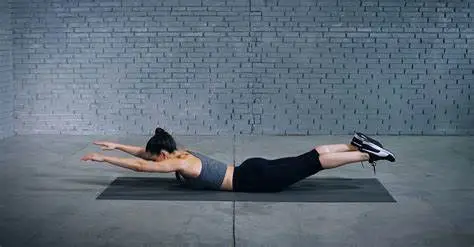
Superman Pose is a potent exercise that works the lower back, glutes, and core muscles to increase lumbar spine strength and mobility. The activity counteracts the consequences of extended sitting and forward posture by gently extending your spine while you simultaneously raise your arms, chest, and legs off the ground.
By strengthening the muscles that support the lower back, this exercise improves alignment, increases spinal stability, and increases muscular endurance. Regular Superman Pose practice can improve lumbar mobility, lessen stiffness, and strengthen and fortify the spine.
Seated Forward Bend:
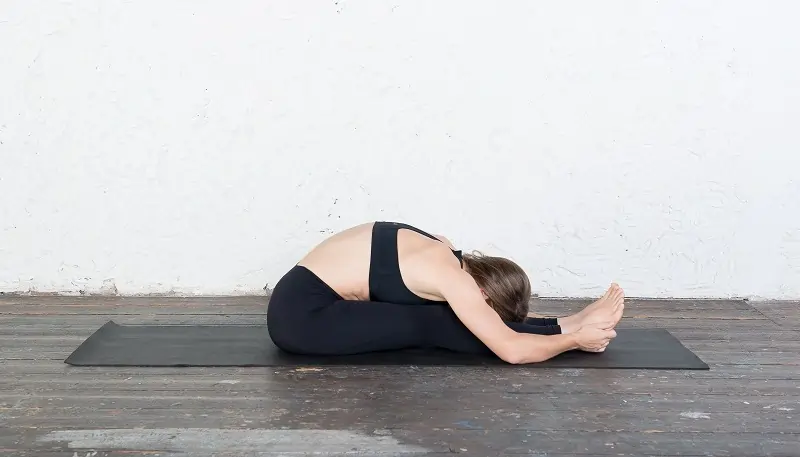
By slowly lengthening the muscles along the back of the body, the Seated Forward Bend is a relaxing and powerful stretch that works the hips, hamstrings, and lower back. It also helps to enhance lumbar spine mobility. The exercise produces a calming release in the lumbar area as you bend forward from the hips and reach for your feet, which lessens stiffness and increases flexibility.
Additionally, this stretch promotes deep, calming breathing, which improves circulation to the lower back muscles and relieves tension. Regular practice of the Seated Forward Bend can support a more relaxed and mobile lower back, lessen tension from extended sitting, and increase general spinal flexibility.
Conclusion:
One of the best methods to keep your lower back strong, flexible, and pain-free is to incorporate lumbar spine mobility exercises into your daily routine. These exercises promote circulation, lessen stiffness, and increase the range of motion your spine naturally needs for daily tasks.
By keeping the lumbar muscles and joints active and balanced, regular practice not only promotes better posture and core stability but also averts future suffering. These exercises offer a straightforward, secure, and effective way to improve mobility and general back health, whether you’re trying to manage current lower back pain or protect your spine over time.
FAQs
What is the quickest method for increasing flexibility?
A regular, consistent stretching regimen is essential for improving flexibility. Even so, it’s best to stretch after each session. Stretching the main muscle groups—especially those engaged during exercise—should be your main priority.
Which is preferable: walking or stretching?
The researchers discovered that stretching for 30 minutes five days a week improved blood pressure more than walking for 30 minutes five days a week. They also emphasize the continued need for aerobic exercise due to its numerous health advantages.
Which workout is most effective for lumbar pain?
Strengthening exercises like the glute bridge, bird-dog, and dead bug are beneficial for lower back pain, as are mild stretches like the pelvic tilt, cat-cow, and knee-to-chest. To be sure the exercises won’t make your pain worse, it’s important to see a doctor before beginning any new workout, particularly if you have an underlying medical condition.
Why can’t I walk while pregnant, because my back hurts so much?
Due to hormones, gaining weight, and shifting your center of gravity, back pain is a typical pregnancy symptom. For the most part, back pain is not serious. Among the remedies your doctor could suggest are resting, using a heating pad, and wearing a pregnancy support belt.
How can lower back pain be quickly relieved?
Try using over-the-counter pain medicines, applying heat or cold, and performing mild stretches like the knee-to-chest stretch to quickly reduce lower back pain. While maintaining good posture and avoiding physically demanding tasks might help prevent future strain, staying active with modest movement, such as walking, can also aid by improving blood flow.
Is it possible to use Salonpas on my back during pregnancy?
From 20 weeks of pregnancy till birth, it is not advised to use it. You should use the lowest effective dose for the shortest amount of time if your doctor determines that you must take this medicine between 20 and 30 weeks of pregnancy. After 30 weeks of pregnancy, you should not take this drug.
How to ease lower back pain fast?
Try using over-the-counter pain medicines, applying heat or cold, and performing mild stretches like the knee-to-chest stretch to quickly reduce lower back pain. While maintaining good posture and avoiding physically demanding tasks might help prevent future strain, staying active with modest movement, such as walking, can also aid by improving blood flow.
What symptoms indicate inadequate lumbar support?
You may notice that your back feels stiff and tight when you first stand up after spending a lot of time sitting down, or you may have chronic lower back pain, particularly at the end of the workday. If the underlying ergonomic problems aren’t fixed, these symptoms frequently get worse over time.
How can your lumbar spine be mobilized?
With your feet on the ground and your knees bent, lie on your back. Bring your knees up to your chest. Put your hands behind your knees and pull them up to your chest. Hold for ten seconds. Do this five times.
References:
- Cronkleton, E. (2024b, May 20). 7 Lower back stretches to reduce pain and improve mobility. Healthline. https://www.healthline.com/health/lower-back-stretches
- Back exercises in 15 minutes a day. (n.d.-b). Mayo Clinic. https://www.mayoclinic.org/healthy-lifestyle/adult-health/in-depth/back-pain/art-20546859
- Coastal West Sussex Clinical Commissioning Group. (n.d.). Lumbar spine range of movement exercise program. https://victoriaroadworthing.nhs.uk/wp-content/uploads/2020/06/Back-Exercises.pdf
- Cadman, B. (2025b, April 14). How to strengthen the lower back. https://www.medicalnewstoday.com/articles/323204
- Mmglcos. (2025, May 20). 10 exercises to reduce back pain and improve mobility according to your back doctor. Litchfield County Orthopedic and Spine, P.C. https://lcospc.com/10-exercises-to-reduce-back-pain-and-improve-mobility-according-to-your-back-doctor/
- King, A. (2021, February 23). Part One: 6 basic mobility exercises for lower back pain. Fit Clinic. https://fitclinic.com.au/2019/04/6-basic-mobility-exercises-for-lower-back-pain/