Lhermitte’s Sign
What is Lhermitte’s Sign?
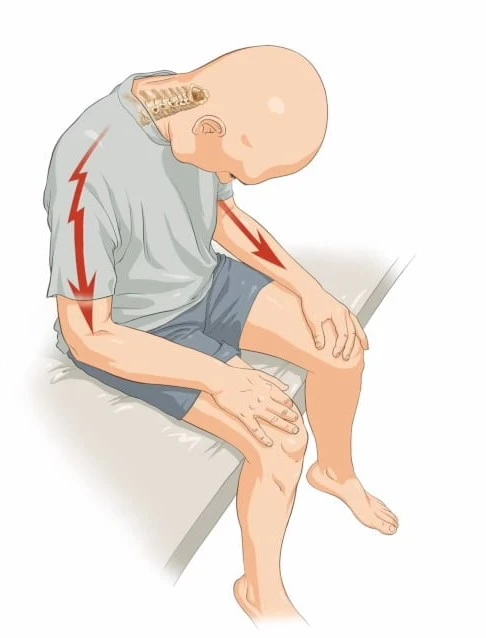
Lhermitte’s Sign is a neurological symptom characterized by a sudden, brief, electric shock–like sensation that travels down the spine and sometimes into the arms or legs when the neck is bent forward.
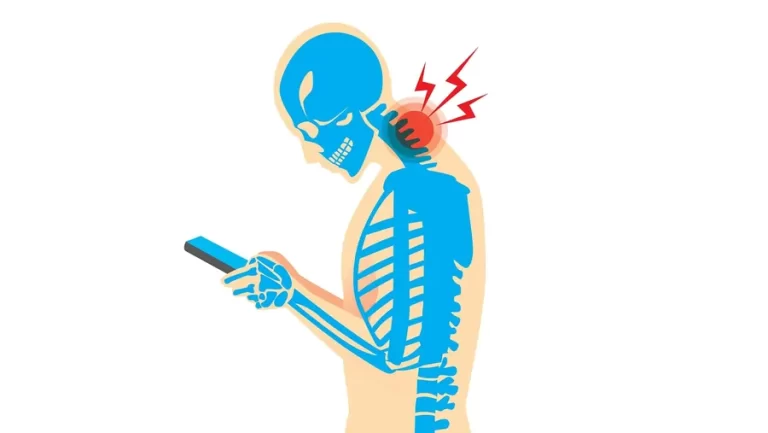
It might be caused by bending your neck forward or by coughing or sneezing. A sudden, intense pain that lasts only a few seconds is known as Lhermitte’s Sign. It may be referred to as “paroxysmal” or acute pain.
Symptoms of Lhermitte’s Sign
Lhermitte’s Sign is a quick, intense pain that simulates an electrical shock, although depending on the underlying disease, it is frequently accompanied by additional symptoms. Typical associated Signs might be:
- Neck pain: Individuals who exhibit Lhermitte’s Sign often experience neck pain or stiffness, particularly when the condition is associated with cervical spondylosis or spinal cord issues.
- Muscle Weakness: Lhermitte’s Sign may be associated with weakness in the arms, legs, or other body parts, particularly in conditions such as multiple sclerosis or spinal cord injury.
- Tingling or Numbness: In addition to the electric shock feeling, some patients may feel tingling or numbness in their arms or legs.
- Balance Problems: If the underlying illness affects the brain or spinal cord, balance and coordination issues can develop.
- Vision Problems: Alongside Lhermitte’s Sign, multiple sclerosis patients may experience vision problems like double vision or blurry vision.
- fatigue: Lhermitte’s Sign can coexist with chronic fatigue, a typical symptom of diseases like multiple sclerosis.
What can trigger Lhermitte’s Sign?
Certain neck motions, including tilting your head forward toward your chest, might cause Lhermitte’s Sign. Yawning, sneezing, or coughing might also cause the feeling.
Lhermitte’s Sign can also be triggered by heat, fatigue, and stress.
What causes Lhermitte’s Sign?
Conditions affecting the central nervous system or spinal cord are most frequently associated with Lhermitte’s Sign. Among the most typical reasons are:
- The autoimmune illness known as multiple sclerosis (MS) targets the protective coating of myelin that surrounds nerve fibers in the central nervous system. Because demyelination in the spinal cord can interfere with normal nerve communication and produce shock-like feelings, Lhermitte’s Sign is commonly observed in MS.
- Cervical Spondylosis: Also referred to as cervical arthritis, cervical spondylosis is characterized by the deterioration of the bones and cartilage in the neck. This may result in nerve irritation or compression, which would cause Lhermitte’s Sign.
- Spinal Cord Injury: Lhermitte’s Sign may result from traumatic spinal cord injuries, such as those caused by accidents. Electrical shock sensations may result from the injury’s disruption of the spinal cord’s regular function.
- Vitamin B12 deficit: Lhermitte’s Sign is one of the neurological Signs that can result from a vitamin B12 deficiency. Nerve injury can result from a lack of vitamin B12, which is necessary for nerve function.
- Radiation Myelopathy: The spinal cord tissue may be harmed by radiation therapy to the spine, which is frequently used to treat cancer. As a late reaction to radiation therapy, this damage may result in Lhermitte’s Sign.
- Transverse Myelitis: This inflammatory disorder affects the spinal cord. Lhermitte’s Sign may be caused by infections, autoimmune illnesses, or other ailments.
- Other Neurological problems, such as infections, autoimmune illnesses, neurological disorders (including Parkinson’s disease), and conditions affecting the spinal cord or nervous system, can also cause Lhermitte’s Sign.
Diagnosis of Lhermitte’s Sign
A thorough neurological assessment is necessary to determine the underlying etiology of Lhermitte’s Sign. The following might be part of the diagnostic procedure:
- Medical History: A thorough medical history will assist the healthcare professional in diagnosing the reasons for Lhermitte’s Sign, such as previous injuries, long-term illnesses, or multiple sclerosis-like symptoms.
- Physical and Neurological Examination: To evaluate reflexes, muscular strength, coordination, and sensory function, the medical professional will do a physical and neurological examination.
- Imaging Studies: The most popular imaging method for assessing the brain and spinal cord is magnetic resonance imaging, or MRI. Multiple sclerosis, spinal cord lesions, and tumors that can produce Lhermitte’s Sign can all be detected by MRI.
- Blood Tests: Blood tests can be used to detect infections, vitamin B12 deficiency, or other diseases that may be causing the symptoms.
- Evoked Potentials: By measuring electrical activity in the brain and spinal cord, evoked potential testing can aid in the diagnosis of diseases like multiple sclerosis.
Medical Treatment of Lhermitte’s Sign
The following are some potential therapies that might lessen the symptoms of the Lhermitte Sign:
Drugs that may help relieve nerve pain, such as steroids and antiseizure drugs; posture correction; and relaxation methods
To assist in controlling the pain, a doctor could recommend antiseizure drugs. These drugs aid in regulating the electrical impulses in your body. Some potential categories that might be beneficial to Trusted Source are:
- Carbamazepine (Tegretol) with gabapentin (Neurontin)
- Trileptal, or oxcarbazepine
- If you are suffering from Lhermitte Sign as part of an MS relapse, your doctor may also suggest steroids.
Physical Therapy Treatment
Lhermitte’s Sign is rarely treated since the pain is so intense and abrupt that it typically doesn’t linger long enough for painkillers to work. However, if the sensation is really irritating, certain therapies could be helpful. Discuss your alternatives with your general practitioner, neurologist, or MS nurse.
- Deep breathing techniques,
- meditation and concentration
- Frequent strengthening and stretching
Support collars
Your neck’s range of motion can be restricted, and Lhermitte’s Sign can be minimized using a soft neck brace or collar.
Posture
To help you avoid an attack, a physiotherapist might be able to offer advice on how to improve your general posture. You can learn deep breathing exercises, stretching activities, or progressive muscle relaxation techniques to help ease your symptoms.
TENS
For certain persons, electrical stimulators like transcutaneous electrical nerve stimulation (TENS) are beneficial.
Complications of Lhermitte’s Sign
Untreated or improperly managed Lhermitte’s Sign can result in several issues, such as:
- Progression of Underlying Condition: If the underlying cause, such as multiple sclerosis or cervical spondylosis, is not properly treated, Lhermitte’s Sign can decrease with time, leading to greater disability and other effects.
- Chronic Pain: Electrical shock-like feelings can occasionally develop into chronic pain that makes it difficult to perform everyday tasks and causes long-term suffering.
- Mobility Issues: If Lhermitte’s Sign is caused by a spinal cord condition, untreated symptoms may lead to issues with walking, balance, and coordination.
Can Lhermitte’s Sign be prevented?
Lhermitte’s Sign cannot be completely avoided. By solving any underlying illnesses that may be causing this symptom, you can lessen its frequency.
The feeling may be avoided by avoiding triggers like tilting your head forward. This isn’t always probable because of how common this movement is.
Additionally, you should talk to your healthcare provider about ways to reduce coughing and sneezing if you have allergies or an underlying medical condition that may aggravate Lhermitte’s Sign.
Conclusion
Lhermitte’s Sign is a serious symptom that may indicate a neurological condition. Early identification and treatment are crucial for controlling the underlying cause and preventing further complications. If you see Lhermitte’s Sign, it is important that you get medical help in order to identify the reason and obtain the proper therapy.
FAQs
What does a positive Lhermitte’s Sign indicate?
If the test is positive, you most likely have nerve compression in your spine and experienced neck pain throughout the examination.
What is Lhermitte’s sign in shingles?
There was also Lhermitte’s Sign, which is an electric shock-like feeling that travels from the neck to the sacrum as the neck flexes. After a few days, the patient’s Lhermitte’s Sign disappeared, which most likely indicated both acute inflammation and altered sensory neuron excitability.
Does Lhermitte’s sign indicate multiple sclerosis?
Lhermitte’s Sign, also known as Lhermitte’s condition, is a regular experience for people with multiple sclerosis. It is one of the few emotions or types of pain that may fluctuate.
What is the cause of Lhermitte’s Sign?
Lhermitte’s Sign is not unique to any one cause; it typically appears in cervical spinal cord diseases. Patients with multiple sclerosis, radiation myelopathy, chemotherapy, cervical spondylotic myelopathy, and B12 deficiency are among those who frequently experience it.
Can anxiety cause Lhermitte’s sign?
Lhermitte’s Sign is a shock-like feeling that radiates from the head, down the back, and into the arms and legs. Moving the neck, feeling heated, worried, fatigued, or simply yawning are some of the many situations and actions that often cause it.
References
- Professional, C. C. M. (2025b, October 30). Lhermitte’s Sign. Cleveland Clinic. https://my.clevelandclinic.org/health/symptoms/lhermittes-sign
- Lhermittes sign | Apollo Hospitals. (2025, December 18). Apollo Hospitals. https://www.apollohospitals.com/symptoms/lhermittes-sign
- https://www.mssociety.org.uk/about-ms/signs-and-symptoms/pain/lhermittes-sign