Hip Flexor Stretches for Office Workers
What Are Hip Flexors?
The muscles at the top of your thighs, beneath your hip bones, are called hip flexors, and they are essential for regulating your trunk and moving your lower body. They enable you to walk, run, climb stairs, kick, and rotate your hips by allowing you to bend at the hips and raise your knees.
Your hip flexors may tighten if you sit for extended periods of time, such as when driving or working at a desk. Hip or back pain could result from this. Running and cycling are examples of exercises that might cause your hip flexors to stiffen.
Your hip flexors may strain or rip if you move suddenly or if your muscles are overly tight. A hip flexor strain can cause muscle spasms and extreme pain, or it might be so severe that it prevents you from walking.
You can keep your hip flexors loose and avoid injuries by learning how to strengthen and stretch them and performing the exercises on a regular basis.
What are the signs of tight hip flexors?
Hip pain is usually the first sign of tight hip flexors. The iliopsoas’s stiffness frequently manifests one floor higher or lower than you may anticipate because it attaches to the lumbar spine. Typical signs consist of:
- Chronic low back pain that goes away when you bend forward a little after prolonged sitting or standing.
- A pronounced arch in your lower back when standing, occasionally accompanied by a forward-tilted pelvis.
- When you lunge, stride out, or get up suddenly, you may have a tugging or blocked sensation at the front of your hip.
- You are unable to comfortably extend your leg behind you in a shortened walking or running stride.
- Having trouble resting comfortably on your back without arching your lower back off the ground.
Why Do Hip Flexors Get Tight?
The quick answer is that prolonged exposure to a shorter position causes the hip flexors to tighten. And modern times of life are excellent at producing just that.
Prolonged Sitting:
The big one is this one. Your hips flex as you sit. As long as you are seated in that chair, your hip flexors are shortened. The muscles will adjust if you do that for eight or more hours every day, five days a week. When you stand and move, they get tighter, shorter, and less able to stretch to their full length.
There is lots of proof for this. The hip flexors are chronically shortened for hours at a time in people who spend their days sitting. Many desk workers experience stiffness and limitation when they eventually stand up and exercise because the muscle adjusts to that shorter length.
Because cold, shortened muscles are less sensitive and more prone to pain, it is important to warm up for five to ten minutes before stretching.
Running and Cycling:
This is the one that people find surprising. Both cycling and running involve repetitive hip flexion. Particularly for cyclists, riding a bike for extended periods of time keeps the hips bent and strains the hip flexors in a limited range of motion. This eventually results in the same shortened and tight pattern as sitting if proper stretching and mobility exercises aren’t done.
Runners are also not exempt. High training volumes without hip flexor stretching exercises cause gradual tightening, which impacts running mechanics and is a significant cause of lower back, knee, and hip overuse issues.
Other Contributing Factors:
- Regularly wearing high heels shortens the hip flexors and tilts the pelvis forward.
- Hip flexors are overworked due to strength imbalances, especially weak glutes and core muscles.
- Quick increases in training load without matching mobility and recovery tasks
- Previous lower back or hip injuries that change how you move
What Does Hip Flexor Tightness Feel Like?
Hip pain is not often the first sign of tight hip flexors. That’s part of the reason they’re easy to overlook. This is what people usually observe:
- Tightness or stiffness in the front of the hip, particularly in the morning or after extended sitting
- Lower back pain, specifically a lumbar spine ache associated with the anterior pelvic tilt caused by the pelvis being pulled forward by tight hip flexors
- Constriction or tightness when running or walking, especially when the hip is fully extended
- Pain or pulling in the front of the hip while exercising, particularly when cycling, running, or doing resistance training
- Tight hip flexors alter how the lower limb moves and loads, which causes knee pain.
- The sensation that one hip is positioned more forward or higher than the other
Giving a brief explanation of the anterior pelvic tilt linked to tight hip flexors is crucial. The front of the pelvis is pulled forward and downward when the hip flexors are short and tight. As a result, the glutes are turned off, and the lower back’s lumbar lordosis is increased. You wind up in a position that puts undue strain on your lower back and reduces the effectiveness of your entire movement system.
Before you begin, follow these five rules to make stretching effective:
Ten lost minutes by technique define a productive stretch. These guidelines are taken directly from popular sports medicine.
- Start with warming up. Stretching cold muscles is less efficient and less comfortable. Walking, stationary marching, or gentle stair climbing for three to five minutes increases tissue warmth and increases flexibility.
- Hold for roughly 30 seconds. Longer pauses offer little for most people, while 30-second holds provide the majority of the benefit for healthy adults. You should do each stretch two or four times on each side.
- Never stretch to pain, but stretch to tension. There should be a strong pulling feeling. If you feel acute, stabbing, pinching, or radiating sensations, immediately back off; pain is information, not a milestone.
- Avoid bouncing. Ballistic bouncing may strain tissue and cause a defensive muscle contraction. To gently deepen the position, take a nice, easy breath in and let it out.
- Expect asymmetry; strive for symmetry. The majority of people have a stiffer side. Instead of making it match the looser side in a single session, give it an additional repeat.
Intensity is inferior to frequency. Because the sitting that stiffens you occurs every day, ten concentrated minutes five or six days a week will be more effective than a heroic 45-minute session every Sunday. The whole point of the game is consistency.
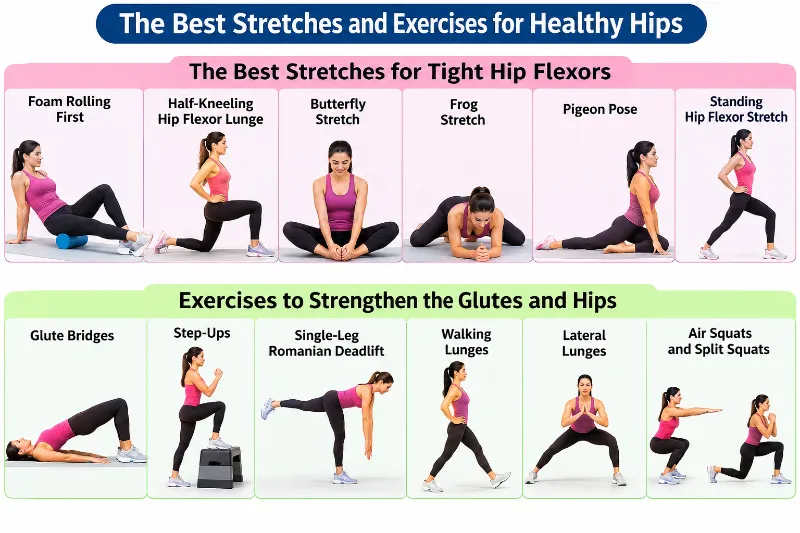
The Best Stretches for Tight Hip Flexors:
Here are two important variables to consider before we begin the stretches:
- Before stretching, always warm up. A chilly muscle is more prone to pain and is less effective to stretch. Your stretches will be much more effective if you start with a five- to ten-minute walk, light jog, or foam rolling exercise.
- Secondly, wait long enough to have an impact. Stretching must be continued in order to significantly alter muscle length, according to research. For optimal results, try to get at least 45 seconds on each side each day.
Foam Rolling First:
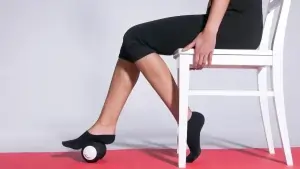
- Before stretching, warm and loosen the hip flexor tissue with a foam roller.
- Place the foam roller slightly below the front of the hip while lying face down.
- Roll back and forth slowly along the front of the leg and hip, stopping at any tense spots.
- It takes one to two minutes per side to get the tissue ready for stretching.
Half-Kneeling Hip Flexor Lunge:
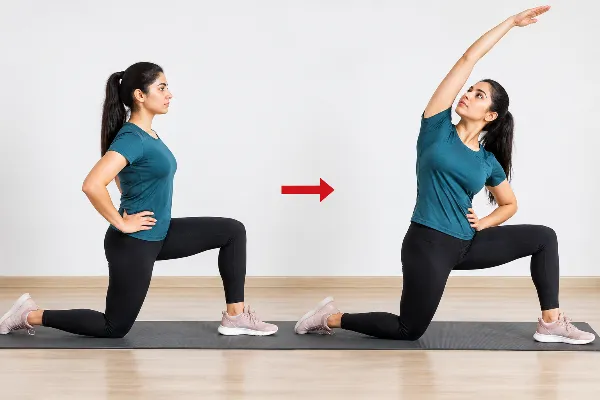
For most individuals, this is the best hip flexor stretch, and it’s also my favorite. It is simple to load gradually as your flexibility increases and immediately targets the iliopsoas.
- How to do it: With the opposite foot ahead and both knees at about a 90-degree angle, kneel on one knee.
- Keep your hips straight and slowly press them forward until the front of your rear leg starts to stretch.
- Raising the arm on the same side as the back knee overhead will increase the stretch.
- Hold each side for 45 to 60 seconds.
Butterfly Stretch:
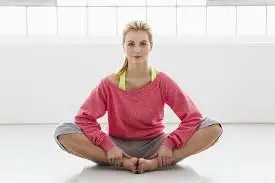
The inner hip and groin muscles, which frequently tense in concert with the hip flexors, are the focus of the butterfly stretch.
- How to do it: With your knees extending to the sides and your foot soles together, take a seat on the floor.
- If it’s comfortable, tilt slightly forward from the hips, sit tall, and softly press your knees toward the floor.
- For 45 to 60 seconds, hold.
- Don’t round your lower back.
Frog Stretch:

The frog stretch is very helpful for those who have severe inner hip restrictions since it works the hip flexors and inner groin.
- How to do it: Begin on your hands and knees, gradually extend your knees to the sides until your inner thighs start to stretch.
- Maintain alignment between your ankles and knees.
- If you need more depth, drop onto your forearms.
- Hold for 45 to 60 seconds.
- Ease into this stretch gradually because it may appear pretty demanding.
Pigeon Pose:
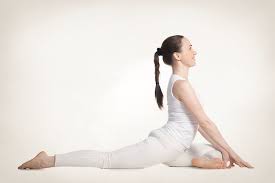
A deeper stretch called pigeon pose opens the hip rotators and glutes on one side while focusing on the hip flexors on the other. For good reason, it is a favorite in yoga.
- How to do it: With the foot pointing in the direction of the opposing hip, raise one leg forward from a push-up position and position it behind your wrist.
- Stretch the other leg straight behind you.
- Lower your hips to the floor slowly.
- Use your hands for support because most people’s hips won’t initially reach the floor.
- Hold each side for 45 to 60 seconds.
A figure-four stretch while lying on your back produces a similar result with less strain if pigeon stance feels too demanding.
Standing Hip Flexor Stretch:
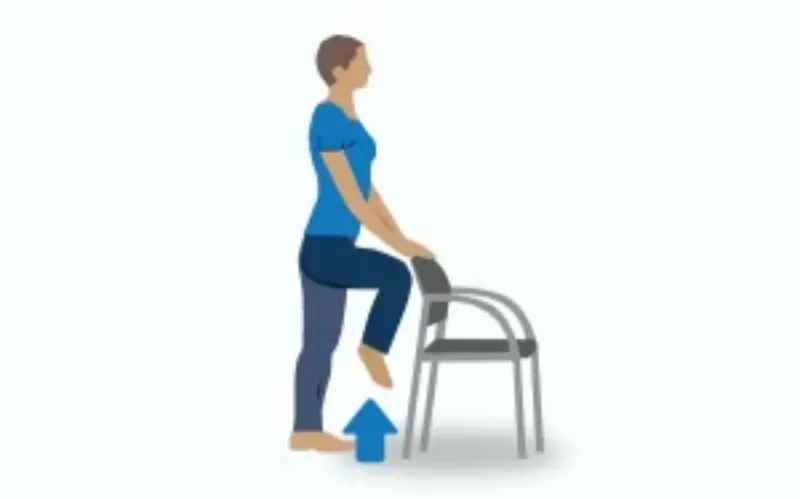
A straightforward choice for work or in between tasks.
- How to do it: Take a big stride forward with one foot while standing with your feet together.
- Lower your back knee toward the floor while maintaining a standing position, then softly push your hips forward.
- If you need balance, grab the back of your hip.
- Hold each side for 45 seconds.
Stretching is best done after an activity session or after a thorough warm-up rather than first thing in the morning when the tissue is still cold. Warm up for five minutes before performing these stretches as a stand-alone exercise.
Strengthening: Why Stretching Alone Is Not Enough
Here, I want to be truthful with you. Stretching is beneficial. However, the tightness will return if you just stretch without addressing the underlying strength imbalances.
This is why. Weak glutes are typically associated with tight hip flexors. The two have a connection. The hip flexors must compensate and perform more effort than they are intended to when the glutes are underactive. Overuse and gradual tightness are the outcomes.
Hip flexor length and glute function were both enhanced by a focused stretching regimen, while tight hip flexors showed decreased gluteus maximus activation. This is a very significant result since it shows that the two problems are related and should be treated together rather than separately.
Exercises to Strengthen the Glutes and Hips:
These exercises are very useful for creating balance between the opposing muscles and the hip flexors.
Glute bridges:
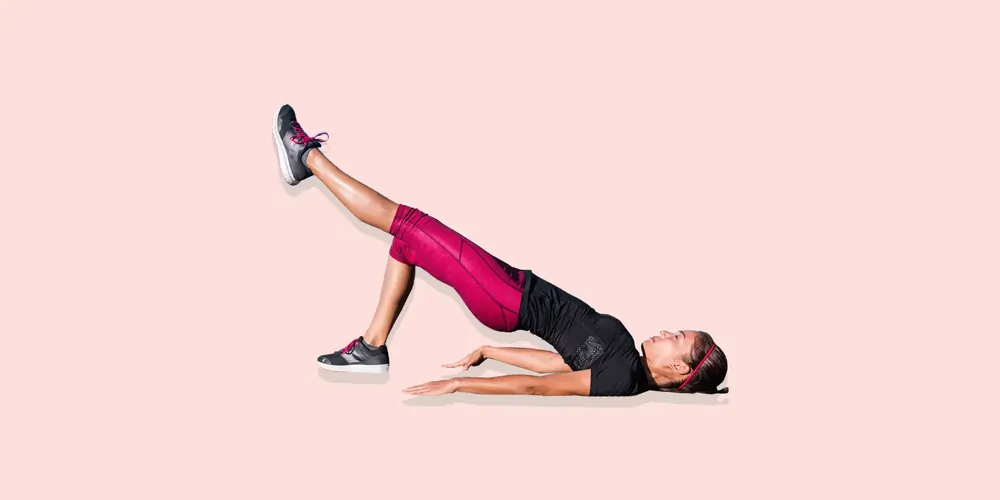
- Contract your glutes to push your hips toward the ceiling while lying on your back with your knees bent and your feet flat on the floor. For two seconds, hold at the top. As strength increases, move on to single-leg glute bridges.
Step-ups:
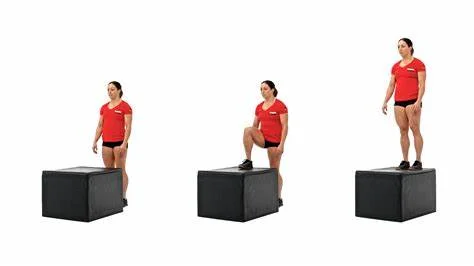
- Step-ups are a great unilateral exercise that loads the glutes in a way that is immediately applicable to running and walking. Drive into the front heel with a step or box, and maintain control over your movement.
Single-leg Romanian deadlift:
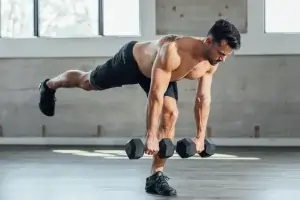
- One of the best exercises to challenge balance and hip stability while also strengthening the hamstrings and glutes. Gradually increase the load after beginning with bodyweight.
Walking lunges:
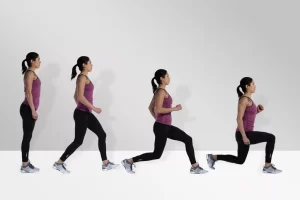
- Together, focus on the hip stabilizers, quadriceps, and glutes. Maintain an upright body and keep the front knee above the second toe.
Lateral lunges:
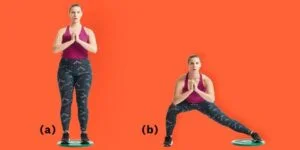
- Introduce a frontal-plane exercise that targets the hip adductors and abductors, which are sometimes overlooked in conventional training regimens.
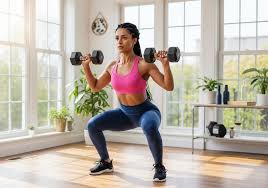
Air squats and split squats:
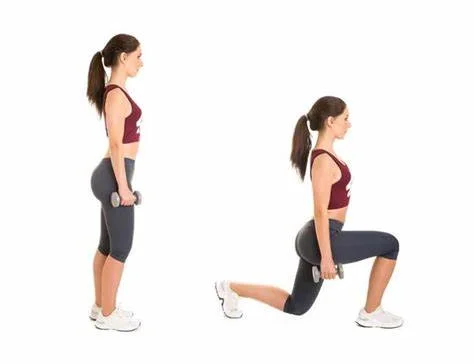
- Great lower limb strength overall, with an emphasis on the glutes and hip extensors when performed properly.
- Loosening tense hip flexors is not the only objective. The goal is to develop a strong, well-balanced lower limb that doesn’t require compensation in the first place.
Avoiding tightness from the start is the best course of treatment:
I can’t even begin to count the number of people who come in and claim to have had stiff hips for years. In actuality, most of it could have been avoided with a little daily upkeep.
The following behaviors have the most impact:
- Avoid sitting for extended periods of time. Every thirty to sixty minutes, get up and take a walk around the office or the block. For the majority of desk workers, this alone alters their trajectory.
- Always warm up your hips before working out. Before you load the tissue, let it go through its entire range with a few minutes of bodyweight lunges, leg swings, and hip circles.
- Every time you work out, stretch your hips. The tissue is most receptive at this time; hence, it matters most.
- Add glute strengthening into your exercise regimen. The hip flexors don’t have to work as hard when the glutes are strong.
- Examine your shoes. Over time, hip mechanics can change from wearing flat, unsupportive shoes and high heels.
- If you ride a bike, get a professional bike fit. No matter how much you stretch, an excessively low riding position or one that’s too stretched out can cause hip flexor tightness.
FAQs:
What are some good stretches for office workers at the desk?
Stiff necks, tight hips, rounded shoulders, and painful wrists are all results of extended desk sitting. Throughout the day, taking quick, frequent pauses to move will aid circulation and reduce muscle strain.
What Are the Main Factors Responsible for Hip Flexor Tightness?
Long periods of sitting or muscular imbalances, when the hip flexors overwork to compensate for weak glutes or core muscles, are typically the cause of tight hip flexors. Tightness is frequently an indication of how your body adjusts to regular posture, repetitive movements, or joint mechanics rather than a stand-alone issue.
How Can You Determine Whether Your Hip Flexors Are Weak or Overly Tight?
Long periods of sitting or muscular imbalances, when the hip flexors overwork to compensate for weak glutes or core muscles, are typically the cause of tight hip flexors. Tightness is frequently an indication of how your body adjusts to regular posture, repetitive movements, or joint mechanics rather than a stand-alone issue.
What Are the Best Stretches to Relieve Stiffness After a Full Day of Desk Work?
Focus on releasing tense hip flexors, shoulders, and chest muscles while gently moving your spine and hips to relieve stiffness after spending all day at a desk. Breathe steadily and hold each static stretch for 15 to 30 seconds without causing pain.
How long does it take for hip flexor tightness to go away?
After a little movement or stretching, hip flexor tightness can go away in a matter of minutes to hours, but depending on the reason, long-term relief usually takes a few weeks to several months.
What can be mistaken for hip flexor pain?
Hip flexor pain is frequently mistaken for other muscle strains (such as groin or quadriceps strains), referred pain from the lower back or pelvis, and deep hip joint problems (such as femoroacetabular impingement or labral tears).
What exercises strengthen hip flexors?
Your posture, core stability, and athletic performance—such as running and jumping—all improve as you strengthen your hip flexors, especially the psoas major and iliacus. These muscles can become short, tight, and weak if you spend a lot of time sitting; therefore, it’s usually best to release tension first or combine strengthening with mobility exercises.
Is walking good for tight hip flexors?
For tight hip flexors, short, frequent walks are often beneficial, especially if you spend a lot of time sitting down. Moving improves blood flow, lubricates the hip joint, and compensates for sitting’s shorter posture. However, if your muscles are already weak or stiff, prolonged or vigorous walks can intensify tightness or result in lower back or front-of-hip pain.
How long does it take to loosen hip flexors?
With regular daily practice, you can experience short-term relief in minutes, see less stiffness in 1 to 4 weeks, and develop long-term mobility in 6 to 12 weeks (or longer for years of sitting).
What is the fastest way to heal a hip flexor?
The quickest and safest way to heal a hip flexor is to use ice and relative rest to reduce early inflammation, then gradually resume activity, focused strengthening, and careful mobility. Rushing back into deep hip flexion, sprinting, or kicking too soon frequently results in tissue reinjury and delays the healing process.
Can massage help with tight hips?
Yes, by releasing tense muscles, enhancing blood flow, and expanding range of motion, massage treatment can assist ease tight hips.
References:
- Helmer, J. (2026, May 14). The best stretches for tight hip flexors. WebMD. https://www.webmd.com/fitness-exercise/fitness-hip-flexor-stretches
- Admin. (2026, August 25). Best Stretches for tight hip flexors: A Complete guide. Physio Club. https://physioclub.com.au/blog/stretches-for-tight-hip-flexors/
- Eren, Ş. (2026, September 16). Hip Stretches: The full routine for Desk-Stiffened hips. Acibadem Hospitals Group. https://acibademinternational.com/blog/hip-stretches-the-full-routine-for-desk-stiffened-hips/