Calf Stretch Exercises for Tight Ankles and Better Mobility
Introduction:
For daily movements like walking, running, and leaping, the human ankle is a complicated joint. Unfortunately, it can also become stiff for a number of reasons, from overuse of the joint to severe illnesses.
Visit physical therapy and osteopathy specialists if you have tight ankles. Every day, we treat patients with tight ankles utilizing exercises, mobilizations, manual therapy, and soft tissue treatment around the calves. The number of patients who benefit greatly from basic manual treatment for their ankles is incredible.
Here are some of the most common reasons why the ankle can become stiff:
Overuse: Overuse, which occurs when the ankle is repeatedly stressed by activities like jogging or participating in sports, is the most frequent cause of ankle stiffness. The joint may become stiff as a result of tendinitis, bursitis, and even sprains.
Injury: Ankle injuries can also result in stiffness. Stiffness can result from common injuries such as sprains, strains, fractures, and dislocations.
Age: As we age, the cartilage that covers and cushions our joints begins to deteriorate, making them naturally stiffer. Ankle stiffness, which is particularly prevalent in older people, may result from this.
Shoes: Ankle stiffness can also result from wearing shoes that are excessively tight or don’t fit properly. This is due to the possibility of mobility restriction caused by the shoes, which might result in pain and stiffness. Additionally, they might result in foot abnormalities like hammer toes or bunions, which can potentially impact the ankle.
Tight muscles: Ankle stiffness might also result from tight muscles. This is because stiffness may result from the tight muscles limiting the joint’s range of motion. This is most commonly seen in the calf’s gastrocnemius and soleus muscles.
The importance of ankle stretches:
The doctor could have prescribed a nice stretch. There are several stretches that might be helpful if you have ankle pain or stiffness. By making time each day to concentrate on your strength and flexibility, you may be able to reduce the pain and improve your range of motion.
Before beginning anything new, you should see your physician if you are injured. It can be advisable to rest, or you might need to follow certain guidelines until your condition improves.
Make sure to warm up before you begin. Try walking or riding an indoor bicycle for five to ten minutes of low-impact exercise.
Additionally, you should be aware of any pain you feel when stretching. Even though you might occasionally feel sore, you should talk to your doctor about true pain.
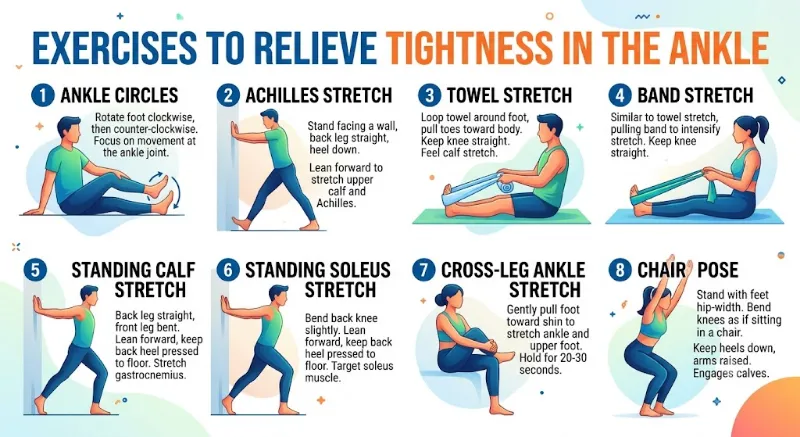
Exercises to relieve tightness in the ankle:
Ankle circles:
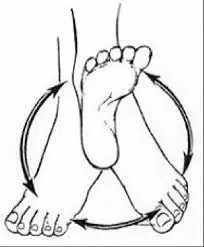
Range of motion is improved with ankle circles. Ankle circles can be performed while sitting or lying down:
- To begin, carefully rotate your ankle in circles to the left and then the right.
- You could even find it simpler to try using your foot to trace the letters in the air. Use your big toe to take the lead.
- Use only your foot and ankle, not your full leg, and make small movements.
Try performing ten circles with each foot in each direction. Perform two sets of this exercise on each foot if you’re performing the alphabet.
Achilles stretch:
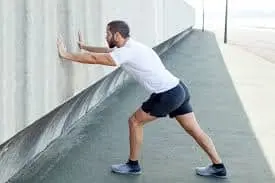
Similar to a calf stretch, which you may already be aware of, is an Achilles stretch:
- Begin by placing your hands at eye level on a wall or other support, such as a chair.
- Step your left leg behind your right leg.
- Maintaining your left heel on the floor, bend your right knee until your left leg starts to stretch.
- The trick is as follows: To extend your Achilles tendon, slightly bend your knee.
- Hold the position for 15 to 30 seconds after performing this stretch two to four times on each leg.
Towel stretch:
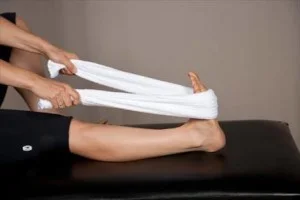
To do this:
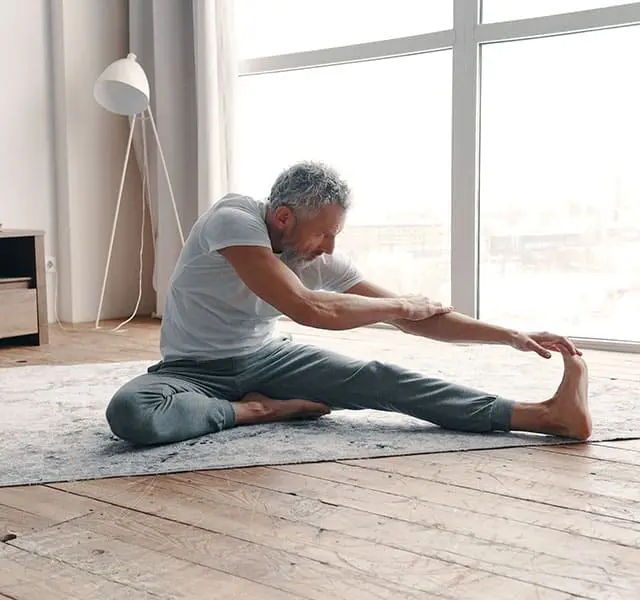
- Sit upright on the floor with both legs extended straight ahead of you.
- Cover your toes on both feet with a towel.
- Pull back a little until the backs of your lower legs and the very bottoms of your feet begin to stretch.
- Hold the position for thirty seconds each time you perform this stretch three times.
Band stretch:
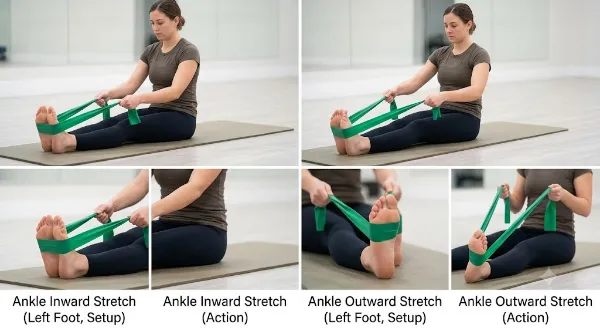
To help with stretches, you may also use a band or strap. Similar to the towel stretch, this kind of prop can aid in deepening the stretch.
To stretch a towel inward:
- Wrap your band or towel around your left foot as you sit.
- Using your hands, firmly grasp both ends of the towel.
- Turn your ankle slowly inward so that the sole of your foot is facing to the right.
- To further extend the stretch, pull up using the towel’s right side.
- On the opposite side, repeat.
To stretch with an outer towel:
- Wrap your band or towel around your left foot as you sit.
- Using your hands, firmly grasp both ends of the towel.
- This time, carefully move your ankle outward such that the sole of your foot is facing left.
- To further extend the stretch, pull up with the left side of your towel.
- On the opposite side, repeat.
- Try doing these stretches three times while holding them for thirty seconds.
Standing calf stretch:
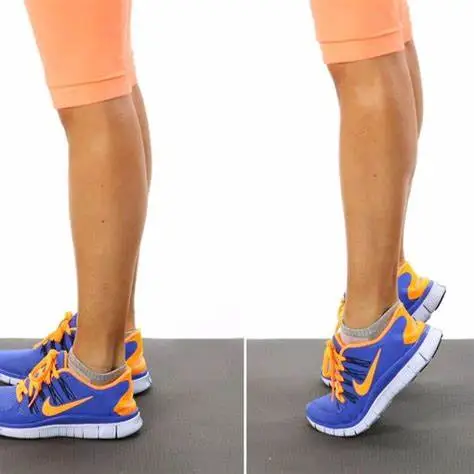
To enhance the tension in your stretch, you can stand:
- To begin, place one foot about 12 inches ahead of you while facing the wall or another support, such as a chair.
- Raise your toes.
- Lean forward slowly until the rear of your lower leg begins to stretch.
- Hold this stretch for 30 seconds, then move to the other side. Perform a total of three rounds.
Standing soleus stretch:
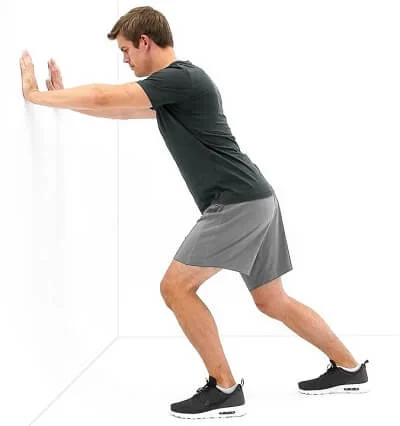
Tight calf (soleus) muscles are a common problem for athletes. This deep muscle can be stretched by:
- Place yourself facing a wall or other support a few feet away.
- Put one leg behind you, keeping your heel level on the ground.
- Your other leg can be moved in the support’s direction.
- Turn your damaged leg’s foot gently inward toward the opposite foot.
- Next, bend your front knee gently toward the support until your damaged leg starts to stretch.
- Repeat this stretch three times after holding it for thirty seconds.
Cross-leg ankle stretch:
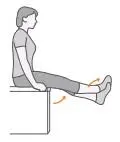
To do this:
- With your left leg folded over your right knee, take a comfortable seat.
- Using your hands, grasp your right foot.
- Next, bend your left toes and ankle downward with your right hand, as if you were pointing your toes.
- The front of your foot and ankle should feel this stretch.
- Repeat on the opposite side after holding this stretch for 30 seconds.
Chair Pose:
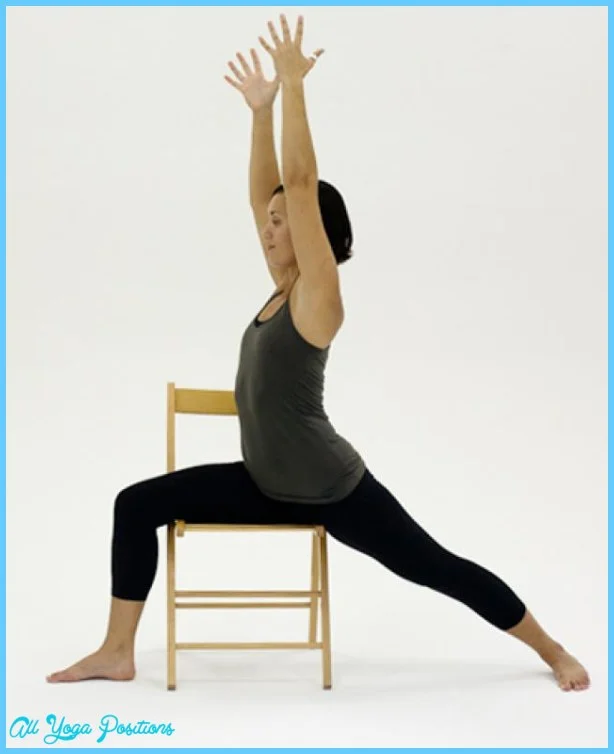
To assist in stretching your ankles, you might wish to try some yoga positions. For instance, Chair Pose (utkatasana) is an excellent option for yogis of all skill levels:
- In tadasana, stand erect. Raise both arms aloft, palms facing inward, and take a breath.
- Bend both knees slightly as you exhale, trying to align your thighs with the floor.
- Your torso and the tops of your thighs should be at a straight angle.
- Try holding this posture for thirty to sixty seconds. To get out of it, take a breath and straighten your knees.
Additional treatments:
Tight calf muscles can also be relaxed, and related pain relieved by massages and hot or cold compresses. The appropriate therapies might be suggested by a physician or pharmacist.
Certain individuals need a customized stretching and conditioning regimen. An orthopedic surgeon or physiotherapist can assist in creating a customized regimen.
Summary:
When the soreness is caused by excessive exercise or inadequate stretching, stretches can assist in easing stiffness and pain in the calf muscles. Additionally beneficial are massages and hot or cold compresses.
However, underlying medical issues, including deep vein thrombosis, peripheral vascular disease, or vitamin imbalances or deficiencies, can occasionally cause calf pain and discomfort.
Stretching is not the right course of action in this situation, and a physician should provide advice on what to do next.
FAQs:
How to loosen tight ankles and calves?
Target the ankle joint itself as well as the inner calf muscles (soleus) and the outside calf muscles (gastrocnemius) to release tense calves and increase ankle mobility.
How to release tight calves quickly?
Use focused massage, vigorous movement, and certain stretches that relax the muscles in both the upper and lower calves to swiftly relieve tense calves.
What causes tightness in the ankles and calves?
Limited ankle mobility and calf tightness may develop due to a stiff Achilles tendon or restricted dorsiflexion, often associated with tension in the gastrocnemius or the deeper soleus muscle.
What is the root cause of tight calves?
Tight calves are typically caused by restricted ankle mobility (restricted dorsiflexion), habitually wearing shoes with an elevated heel (such as dress shoes or sports trainers), or having a forward center of mass that requires your lower leg muscles to work continuously to prevent you from slipping forward.
What deficiency causes tight calves?
Deficits in important minerals and electrolytes, including calcium, magnesium, potassium, salt, and B vitamins (such as B6 and B12), are most frequently associated with tight or cramping calf muscles.
What are the top 3 calf exercises?
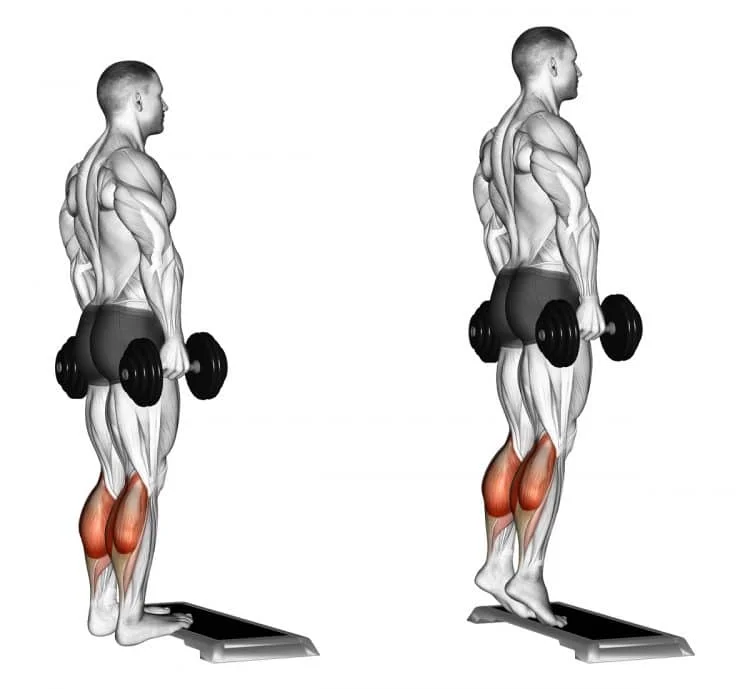
The Standing Calf Raise, Seated Calf Raise, and Leg Press Calf Raise are the top three calf exercises for increasing lower-leg stability, muscle growth, and strength.
Why do my ankles and feet feel tight but not swollen?
Muscle fatigue, tight calf muscles or Achilles tendons, nerve misfires, or early circulation alterations are the most common causes of ankle and foot tightness without obvious edema.
What diseases start with calf pain?
Vascular problems, nerve issues, musculoskeletal traumas, and metabolic disorders can all cause calf pain.
References:
- Marcin, A. (2017, July 13). 8 ankle stretches to try at home. Healthline. https://www.healthline.com/health/fitness-exercise/ankle-stretches#takeaway
- Physio, S. (n.d.). 5 Best Exercises to Move Your Stiff Ankle – Surrey Physio. Surrey Physio. https://www.surreyphysio.co.uk/top-5/5-best-exercises-to-move-your-stiff-ankle/
- PharmD, J. C. (2025, May 30). Calf stretches and how to do them. https://www.medicalnewstoday.com/articles/calf-stretches#causes-of-tight-calves