Exercises for Heel Pain After Waking Up
Introduction:
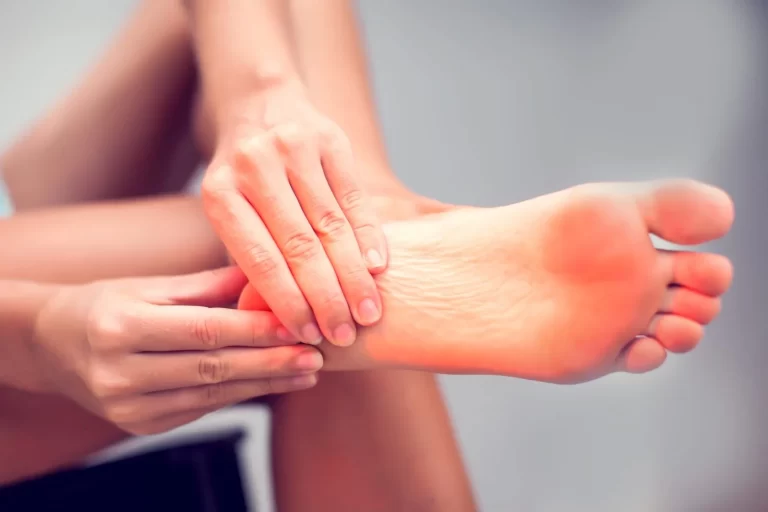
One of the quickest and most efficient ways to get back on your feet is with heel pain exercises. The correct heel pain exercises can make a big impact, whether your heel aches after a long walk, flares up after standing all day, or throbs first thing in the morning.
Tight, overworked, or inflamed structures like the Achilles tendon or plantar fascia are frequently the source of heel pain, which is extremely common. Every step tugs on your heel when these tissues stiffen up, causing that terrible pain that won’t go away.
Weeks off your feet or costly therapies are not necessary. When performed regularly, easy, focused exercises for heel pain alleviation can ease tense muscles, lower inflammation, and increase strength and flexibility where they are most needed.
This post features the best heel pain exercises, ranging from basic at-home stretches to strengthening exercises that promote long-term recovery. You can move, walk, and run pain-free again with these simple, equipment-free heel pain therapy exercises.
What Causes Heel Pain?
Heel pain typically arises from irritation, overstress, or inflammation of the soft tissues supporting your heel. Selecting the appropriate exercises for heel pain requires an understanding of the underlying problem.
Heel pain is most frequently caused by:
Plantar Fasciitis:
Heel pain is most commonly caused by plantar fasciitis.
The plantar fascia, a wide band of tissue under your foot, becomes tight and inflamed where it joins the heel bone.
- The first few steps in the morning are usually when plantar fasciitis pain is at its greatest.
- The discomfort eases with movement but tends to return after prolonged standing or walking.
- The mainstay of treatment for plantar fasciitis is stretching and strengthening exercises.
Achilles Tendinitis:
The Achilles tendon joins your calf muscles and the rear of your heel bone.
Achilles tendonitis can be caused by irritation or microtears near the heel from overuse, inappropriate footwear, or a tight calf.
- Pain from Achilles tendonitis frequently feels worst toward the back of the heel, particularly after physical exercise.
- Strength and resilience can be restored using eccentric heel exercises, which include purposeful lowering movements.
Heel Bursitis:
The heel is supported by tiny sacs called bursae that are filled with fluid. Heel bursitis can develop as a result of them being inflamed due to repetitive pressure or poorly fitted shoes.
- Pain from heel bursitis is felt under or behind the heel.
- Inflammation can be reduced with mild heel stretches and activity changes.
Heel Fat Pad Syndrome:
Your heel’s natural fat pad serves as a shock absorber. It may thin or move over time, decreasing cushioning.
A deep bruise in the middle of the heel is how heel fat pad pain feels.
It can be advantageous to wear supportive shoes and strengthen the foot muscles.
Nerve Entrapment or Stress Fracture:
Although less frequent, minor stress fractures or irritation of the nerves surrounding the heel can also result in pain. It is best to have your heel pain examined by a medical expert if it is severe, ongoing, or associated with swelling or numbness.
Symptoms You Should Never Ignore:
See a doctor who specializes in heel pain right away if you observe any of the following:
- Pain that lasts more than a few weeks
- Swelling around the heel
- Difficulty walking properly
- Pain even at rest
- Numbness or burning sensation
Why Do Heel Pain Exercises Help?
Exercises specifically designed to alleviate heel pain and stiffness include:
- Increasing the calf muscles’ and plantar fascia’s flexibility
- Boosting healing and increasing blood flow to the heel region
- Strengthening the lower leg and foot muscles that sustain the heel
- Improving foot movements to reduce strain
Exercises for heel pain must be done consistently. Focused heel pain reduction exercises can greatly reduce pain and increase mobility in just ten minutes a day.
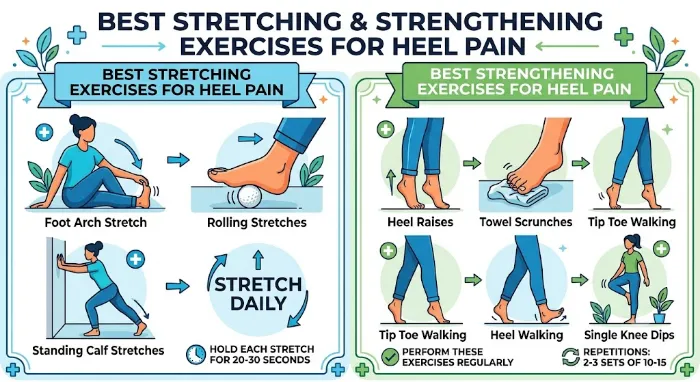
Best Stretching Exercises For Heel Pain:
Let’s begin by examining the most effective stretching techniques for heel pain, which enhance the length, flexibility, and mobility of the calf muscles as well as the muscles under the foot.
Foot Arch Stretch:
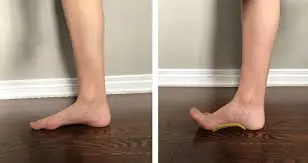
Stretching exercises for heel pain should start with the muscles and fascia that attach to the bottom of the heel.
Ideal for: Post-rest stiffness and tightness in the plantar fascia
How to do it:
- Place the foot you want to stretch on top of your other knee while seated in a chair.
- Until you feel a stretch under your arch, grasp all of your toes and bend them back into extension as indicated.
- After ten to fifteen seconds of holding, let go. Repeat five to ten times.
- Next, grip just your big toe and bend it backward while maintaining the same starting posture.
- Repeat five to ten times, holding for ten to fifteen seconds each time. During the stretch, use your thumb to massage your plantar fascia to enhance circulation.
Rolling Stretches:
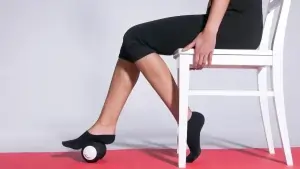
This is a fantastic exercise for heel pain that you may do while lounging.
Ideal for: Morning stiffness and plantar fasciitis
How to do it:
- Put a small, firm ball beneath your foot’s arch while you’re seated.
- Roll the ball forward, backward, and in circles by pressing your foot down into it.
- Throughout, keep applying pressure to the ball.
- Do this twice a day for two to three minutes, especially before and after an activity.
Progression: To increase your pressure on the ball, perform this exercise while standing up.
Advice: Instead of using the ball beneath your foot, use a frozen drink can. In addition to stretching the foot, the cold helps reduce pain and inflammation.
Standing Calf Stretches:
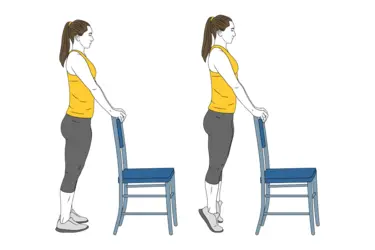
Calf stretches are crucial exercises for heel pain because the calf muscles connect to the back of the heel.
Ideal for: Plantar fasciitis, Achilles tendinitis, and tight calf
How to do it:
- Place your hands on the wall as you stand in front of it.
- Make sure your toes are pointed forward rather than out to the side as you take a step back with the leg that needs to be stretched.
- Lunge forward onto your front leg, bending the front knee until the rear of your calf stretches.
- Maintain your heel on the ground and your back leg straight.
- Repeat three times after holding for thirty seconds.
Progression: To improve the stretch in your foot and calf, position a rolled-up towel under your toes.
Best Strengthening Exercises for Heel Pain:
To reduce the strain on the heel and enhance stability and support, it’s crucial to perform strengthening exercises in addition to stretching the muscles that connect to the heel.
Heel Raises:
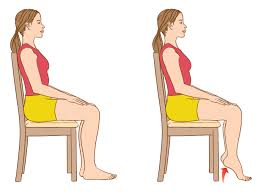
This is a great starting point for activities that relieve heel pain. Heel raises come in a variety of forms that allow you to work harder as your strength increases.
Ideal for: Plantar fascia support, Achilles tendon strength, and calf strength
How to do it:
- To stay steady, perform the exercise while holding onto a sturdy chair or table for support.
- Rise as high as you can onto your tiptoes while slowly lifting your heels off the ground.
- Hold for three to five seconds, then gradually descend.
Progressions:
- Perform the exercise while standing on one leg.
- To improve your balance, start by slightly crouching and gradually raising your heels.
- Leave your heels hanging off the bottom of the step as you take one.
- Lift the heels as high as you can by pushing up onto your tiptoes after dropping them straight down.
- Standing on one leg, repeat the same exercise on the step.
Advice: Make sure your movements are thorough and mild to avoid strain and build muscle strength.
Towel Scrunches:
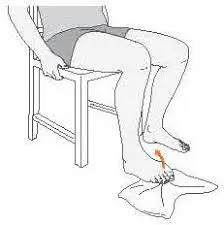
In this approach, the heel-supporting muscles under the foot can be strengthened.
Ideal for: foot weakness
How to do it:
- Sit down and put a cloth under your foot.
- Scrunch the towel with your toes, as though you were trying to pick it up off the ground.
- For two to three minutes, relax and repeat.
Another version of this is to try using your toes to pick up stones off the floor.
Tip Toe & Heel Walking:
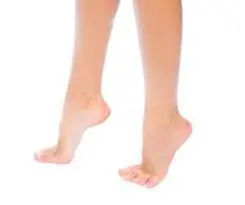
Because it improves proprioception, strengthens and stretches the calf and foot muscles, and increases ankle stability and balance, walking on your tiptoes or heels is a great workout for heel pain.
Ideal for: problems with stability and weakness
How to do it:
- Stand upright and raise yourself to your tiptoes on both feet.
- Step forward and backward a few times while keeping your heels off the ground.
- Take a minute or two to practice tiptoe walking.
- To balance on your heels, then lift your toes off the ground. Once more, take a few steps forward and then backward while maintaining an upright gait.
- Do heel walking for one to two minutes.
Progression: You can test your balance even more by doing these exercises with your eyes closed.
Single Knee Dips:
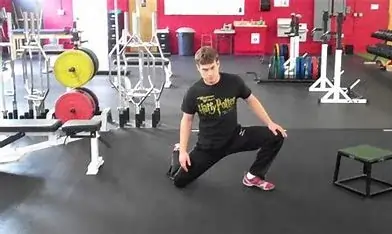
Focus on control around the hip and knee; this is the main emphasis for heel pain. In addition to strengthening and stretching the heel, single knee dips also improve knee and foot stability and position.
Ideal for: all heel pain sources
How to do it:
- For balance, stand on one leg while holding to a chair or table.
- Lower your body toward the floor by slowly allowing the knee to bend about 30 degrees.
- Don’t allow your knee to slip inward or come forward; instead, keep your weight backward.
- Hold for three to five seconds, then slowly raise yourself back up.
Progression: Do this heel pain exercise without holding onto anything for support to put in more effort.
Morning Heel Pain Routine:
Because tissues constrict over the night, heel pain is frequently severe in the morning. Stiffness can be reduced with a little routine before getting out of bed:
- Foot Arch Stretch: 5-10 reps per foot
- Roller Stretches: 2 minutes per foot
- Standing Calf Stretch: 3 reps per foot
It takes less than five minutes to complete these heel pain exercises, which will greatly lessen morning stiffness and pain so you can move more quickly. Once you are on your feet, perform the remaining heel pain relief exercises.
Ways to Treat Heel Pain at Home After Waking Up:
Before rushing to the hospital, try these at-home remedies suggested by your doctor. They work well for many people who wake up with heel pain.
Morning Stretching Routine:
Before you get out of bed, gently extend your feet.
Try These:
- Use a cloth to stretch your foot for twenty seconds.
- Standing near a wall will help you stretch your leg muscles.
- These reduce early-morning pain by relaxing the plantar fascia.
Ice Therapy:
For ten to fifteen minutes, place an ice pack under your heel. Another option is to roll your foot on a bottle of ice water.
Use Proper Footwear:
Select footwear that has:
- Support for the arch
- Cushioning
- Shock-absorbing sole
Stay away from wearing slippers at home.
Weight Management:
Your heels are compressed by excess body weight. Heel pain after waking up can be greatly reduced by losing even 2 to 5 kg.
Foot Strengthening Exercises:
Try:
- Toe curls
- Marble pick-up
- Heel raises
These reduce stress and strengthen the foot muscles.
Avoid Walking Barefoot:
On hard terrain, barefoot walking increases heel pressure. Put on supportive, comfortable slippers.
Night Splints:
They help ease stiffness upon waking by maintaining your foot in a lengthened position overnight.
If you come in for chronic heel pain, your doctor could suggest this.
Medical Interventions for Chronic Heel Pain Upon Waking:
Options for Medical Treatment Include:
- Personalized orthotic insoles that support the contour of your foot
- Physiotherapy – to reduce inflammation
- Ultrasound therapy – for deep tissue healing
- Anti-inflammatory medication
- Advanced heel pain injections (if required)
How to prevent heel pain:
Heel pain in the morning may be avoided by doing the following actions:
- Keep your weight in check and lead a healthy lifestyle. The heel and foot region may be more stressed if one is overweight or obese.
- Stay away from high-heeled shoes and use supportive, stable footwear.
- Every 400 to 500 kilometers, replace your sports or running shoes.
- Try low-impact exercises like cycling and swimming if you often run.
- Stretch at home, particularly after working out.
FAQs:
Why is my heel so painful in the morning?
Plantar fasciitis is the most common cause of sharp, stabbing heel pain during your first steps in the morning, while other conditions can also cause early foot pain.
What should I eat to reduce heel pain?
Eating nutrient-dense, anti-inflammatory meals helps reduce the tissue damage and inflammation associated with common heel pain problems like plantar fasciitis.
What are some natural remedies for heel pain?
The main goals of effective natural heel pain treatments are to support the foot, relax tense muscles, and reduce inflammation.
Does heel pain mean diabetes?
Heel pain may indicate diabetes or a foot problem associated with diabetes, but it does not always indicate diabetes.
What is the best treatment for heel pain?
Stretching the calf and plantar fascia, wearing supportive shoes or orthotic inserts, and using ice therapy are the most conservative treatments for common heel pain, including plantar fasciitis.
Is heel pain related to kidneys?
Although direct renal disorders are seldom the main reason, heel pain might be indirectly linked to kidney diseases. Systemic problems from kidney illness, such as excessive uric acid (gout), peripheral neuropathy (injury to the nerves), abnormalities in minerals or bones, and poor circulation, can cause heel pain.
What are red flags in heel pain?
Instead of typical problems like plantar fasciitis, red flags in heel pain indicate more serious illnesses, including fractures, infections, nerve damage, or systemic disease.
Which types of footwear can help reduce heel pain and improve comfort?
Strong arch support, deep heel cups, and thick shock-absorbing cushioning are characteristics of the finest shoes for relieving heel pain. The HOKA Bondi 9 for optimal cushioning, the Brooks Adrenaline GTS 25 for stability, and the ASICS Gel-Kayano 33 for adaptable arch support are the top choices suggested by podiatrists.
References:
- FPE Medical Review Board. (n.d.). Exercises for heel pain: Stretches & strengthening at home. Foot-Pain-Explored.com. https://www.foot-pain-explored.com/exercises-for-heel-pain.html
- Jain, A. (2025, December 10). Heel Pain After Waking Up: Causes & Relief Tips. Jain Ortho Vision. https://jainorthovision.com/heel-pain-after-waking-up-causes-tips/
- Chertoff, J. (2018, October 29). Why do I have heel pain in the morning? Healthline. https://www.healthline.com/health/heel-pain-in-the-morning#prevention