
7 Top Exercises to Correct Kyphosis
Introduction:
An extreme outward curving of the upper back, which gives the appearance of a rounded or hunched back, is the hallmark of kyphosis. This prevalent illness can cause pain, discomfort, and decreased mobility in people of all ages.
The many forms and causes of kyphosis will be discussed in this article, along with how physical therapy exercises and care can help manage and treat this disease. In addition, we will offer a series of ten focused exercises that may be done at home to strengthen the back muscles, enhance posture, and lessen kyphosis symptoms.
Causes of Kyphosis:
Many causes, from underlying medical issues to postural habits, can cause kyphosis. Effective prevention, diagnosis, and treatment of kyphosis can be aided by knowledge of its causes. The following are some of the primary causes of kyphosis:
- Degenerative changes in the spine: The spinal discs, which serve as cushions between the vertebrae, may deteriorate and become less elastic as we age. Loss of disc height and a more noticeable curve of the upper back may result from this. Additionally, by weakening the spinal bones and joints, age-related disorders, including osteoporosis and arthritis, can worsen kyphosis.
- Compression fractures: Trauma, osteoporosis, and other disorders that weaken the spinal bones can cause compression fractures of the vertebrae. Kyphosis can result from a rapid, abnormal curvature of the spine caused by a vertebral fracture and collapse.
- Muscular weakness: Postural kyphosis may develop as a result of weak back and core muscles. The upper back may progressively curve forward, giving the appearance of being hunched, if the muscles that support the spine and maintain good posture are weak.
- Changes in biomechanics or movement patterns: Kyphosis can occur as a result of poor posture, a sedentary lifestyle, and repetitive motions that change the biomechanics of the spine. For instance, sitting with a rounded back for extended periods of time or leaning forward regularly might put undue strain on the spinal structures, resulting in muscular imbalances and altered posture.
Benefits of Exercise for Kyphosis:
By strengthening supporting muscles, increasing flexibility, and improving posture, regular exercise is essential for controlling kyphosis.
Strengthening Muscles: For people with kyphosis, strengthening the muscles that support the spine is one of the main advantages of exercise. Targeted workouts can assist in enhancing general spinal health, and core muscles are crucial for maintaining good alignment and posture.
Increasing Flexibility: Because it reduces stiffness and permits a better range of motion, flexibility is essential for the health of the spine. Stretching exercises can increase flexibility and stretch tense muscles, making daily tasks more comfortable.
Improving Posture: Exercise on a regular basis can greatly improve posture. You can maintain correct alignment and lower your chance of developing new postural problems by strengthening the muscles that support your spine and improving your flexibility.
7 Top Exercises to Correct Kyphosis Video:
Exercises to Correct Kyphosis:
Thoracic Extension on a Foam Roller:
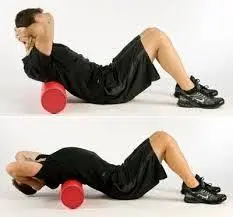
- A foam roller should be positioned horizontally on the ground.
- Place the foam roller beneath your upper back (thoracic spine) while lying on your back.
- Gently arch your back over the roller while using your hands to support your head.
- After a few seconds of holding, go back to where you were.
Push-ups:
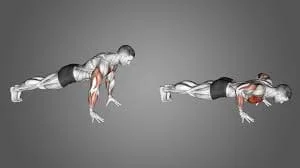
- You must first lie down on the floor with your hands on the ground and your stomach on your stomach. Both of your shoulders should line up.
- It denotes being parallel to one another.
- Try pushing your body away from the ground while keeping your toes in contact with it. As much as you can, maintain a straight back and legs. Do the push-ups ten to fifteen times now.
- You can also continue till you become fatigued.
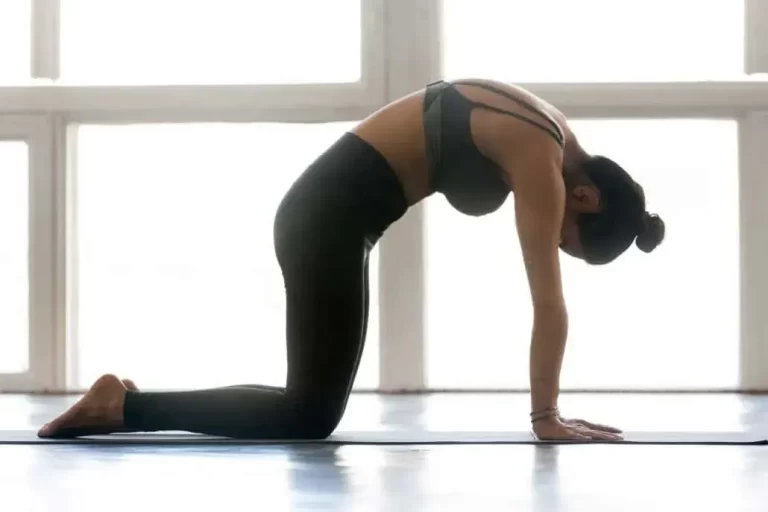
Cat-Cow Stretch:
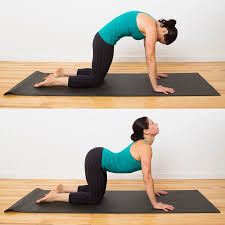
- Place your hands just above your shoulders and your knees beneath your hips to begin on all fours.
- The Cow Pose is to raise your chest, face slightly upward, and lower your belly toward the floor as you inhale.
- The Cat Pose involves pulling your belly button toward your spine, rounding your back, and tucking your chin into your chest as you exhale.
- For eight to ten repetitions, slowly alternate between these two postures while keeping your breathing in sync with each movement.
Child’s Pose:
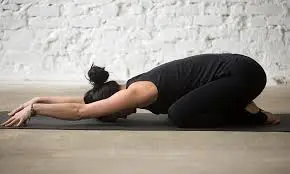
- Get on your hands and knees to begin.
- Lower your chest to the floor while sitting back on your heels and extending your arms forward.
- Maintain the posture while taking deep breaths.
- Repeat three times after holding for 20 to 30 seconds.
Cobra Stretch:
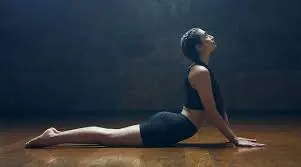
- Place your hands beneath your shoulders while lying face down on the ground.
- Keeping your elbows slightly bent, press into your hands to raise your chest off the ground.
- Maintain the posture while taking deep breaths.
- Repeat three times after holding for 20 to 30 seconds.
Superman Exercise:
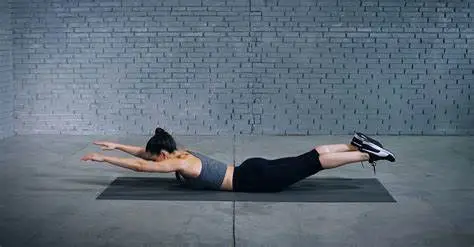
- With your arms out in front of you, lie face down on the ground.
- Raise your legs, arms, and torso off the ground all at once, then hold the position for a short while.
- Repeat ten to fifteen times while lowering yourself back down.
Bird Dog Exercises:
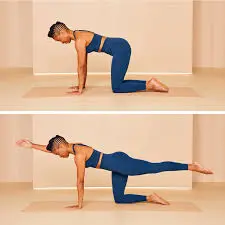
- The Bird Dog exercise is a very powerful core-stability exercise that enhances balance and coordination while strengthening the shoulders, glutes, lower back, and abdominal muscles.
- This exercise, which is done on all fours, tests the body’s ability to maintain a neutral spine and controlled posture by simultaneously extending the opposing arm and leg.
- Bird Dog strengthens deep stabilizing muscles without putting undue strain on the spine, making it particularly helpful for anyone with back pain, bad posture, or weak core muscles.
- Frequent practice improves total functional movement for daily tasks and exercise, improves spinal alignment, and lowers the incidence of lower back issues.
Conclusion:
The best kyphosis correction exercises are essential for strengthening the upper back, correcting spinal alignment, and enhancing posture. Frequent use of these exercises improves total body balance, eases neck and upper back pain, and lessens rounded shoulders.
These exercises provide better posture, a healthier spine, and long-term spinal health when performed consistently and correctly.
FAQs:
Do push-ups help people with kyphosis?
Push-ups: Because they develop your shoulder and back muscles, the regular or modified push-up is an excellent exercise for kyphosis. Maintaining proper posture may become simpler with practice.
How was my kyphosis cured?
To assist in strengthening your back muscles, a course of physical treatment and regular exercise may be advised. Maintaining a healthy weight and engaging in activities that build core muscles can also help with back pain. For instance, some martial arts, yoga, or pilates.
In kyphosis, which muscles are weak?
When the spine rotates in the horizontal plane, rigid kyphosis is also apparent. The pectoralis major and pectoralis minor are shortened chest muscles. The scapular retractors and deep erector spinae muscles are weak. Because of compensatory processes, the lumbar and cervical vertebrae may develop larger curvatures.
Does walking help people with kyphosis?
Instead, choose low-impact activities like walking, cycling, or swimming. These exercises are easy on the joints and enhance cardiovascular health, which is crucial for preserving general health and fitness. Reversing kyphosis can also be accomplished by incorporating proper body mechanics into your daily practice.
What is kyphosis’s primary cause?
The most common cause of kyphosis is bad posture; other causes include spinal anomalies like Scheuermann’s disease, vertebral fractures (usually from osteoporosis), congenital deformities, and underlying illnesses like tumors or infections that cause the upper spine to curve forward excessively.
Which muscles should be massaged to treat kyphosis?
Muscle Flexibility: Tight muscles in the upper back, shoulders, and chest can be targeted with sports massage techniques to increase range of motion and flexibility. Pain Relief: Sports massage can ease kyphosis-related pain by relieving tense and knotted muscles.
How may kyphosis be reversed through sleep?
By sleeping on your back with a thin pillow under your head and a rolled towel or pillow under your knees for support, or on your side with a pillow between your knees, you can correct kyphosis while you sleep. You can also use a medium-firm mattress, avoid sleeping on your stomach, and incorporate gentle stretches and strengthening exercises during the day for long-lasting improvement.
Has kyphosis been reversed?
It is difficult to treat congenital kyphosis, which is caused by faulty spinal development before birth. Significant correction frequently necessitates spinal fusion surgery to stabilize the spine and address the kyphotic curve, even though non-surgical techniques like physical therapy can help control symptoms.
Which workouts are best avoided if you have kyphosis?
Studies have demonstrated that certain activities, particularly those involving flexion, significantly raise your risk of spinal fractures. Sit-ups, toe-touches, and crunches are exercises that put you in flexion.
Which muscles correct kyphosis?
Exercises can improve posture and alleviate pain by strengthening the muscles in the back and abdomen. Tight hamstrings can be stretched, and other parts of your body strengthened with exercise.
Which neck exercises are most effective for kyphosis?
Gently rotate your neck a little bit more by placing the palm of your hand on the side of your head. After 15 seconds of holding the stretch, let go. Do this three times. This is a great exercise to increase neck mobility and rotation.
Which pose treats kyphosis?
Bridge Pose, also known as Setu Bandha Sarvangasana, works the muscles in the upper back and helps to straighten the rounded upper spine. Matsyasana (Fish position): This position can prevent the symptoms of kyphosis by expanding the chest and arching the upper back.
What is a kyphosis workout or remedy?
Exercises such as chin tucks, scapular squeezes, wall angles, thoracic extensions (with a foam roller and hands behind the neck), and chest stretches in doorways can help address kyphosis by strengthening the back and core muscles and stretching the chest and shoulders. Maintaining proper posture, being active, and sometimes utilizing braces (for severe cases) are important, but to determine severity and receive a customized plan, always see a healthcare specialist first.
References:
- Top ten Kyphosis exercises to treat a rounded upper back. (2025, February 18). Apollo Hospitals. https://www.apollohospitals.com/health-library/10-kyphosis-exercises-to-treat-upper-back
- Freutel, N. (2023, May 26). Kyphosis exercises to treat a rounded upper back. Healthline. https://www.healthline.com/health/exercise-fitness/kyphosis-exercises
- Physio, S. (n.d.). Best 5 Exercises for Cervical kyphosis – Surrey Physio. Surrey Physio. https://www.surreyphysio.co.uk/top-5/best-5-exercises-for-cervical-kyphosis/
- 10 best home exercises you can do to overcome Kyphosis – Chiropractor Moulton AL | Dr. Aaron Fletcher. (n.d.). Chiropractor Moulton, AL | Dr. Aaron Fletcher. https://fletcherfamilychiropractic.com/10-best-home-exercises-you-can-do-to-overcome-kyphosis/
- Bhatt, D. (n.d.). Kyphosis exercises for the back. https://www.apollo247.com/health-topics/kyphosis/kyphosis-exercises-for-back