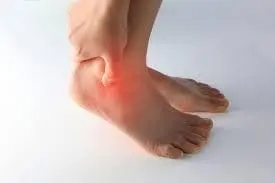
11 Best Exercises for Back Pain Relief
Introduction:
The best exercises for back pain relief include stretching, strengthening, and mobility exercises that are gentle on the muscles and help to reduce stiffness, correct posture, and generally aid in spine alignment. It is important to perform these exercises regularly to relieve muscle strain, increase flexibility, and build spinal strength-all so key in back pain relief and prevention.
Back pain impinges on quality of life and daily functioning and may be due to several factors: poor posture, muscular imbalance, sedentary lifestyle, or even injury. Incorporating the following exercises into your regimen is one of the most effective ways to manage this pain and strengthen the muscles lining the spine, while also gaining flexibility, in conjunction with medications and treatment.
The following exercises are aimed at improving mobility, preventing back pain, and keeping the spine healthy.
Benefits of Best Exercises for Back Pain Relief:
Some common exercises that help a person overcome back pain can help strengthen the muscles around the spine, improve flexibility, and even go a long way in maintaining proper posture. This, as already stated, helps prevent injuries. These exercises are also extremely beneficial as a person can easily do their day-to-day chores.
They can also be useful for weight control, improving blood circulation, and limiting inflammation, which, aside from being significant for the treatment of back pain, help with promoting good health and a high quality of life.
11 Best Exercises for Back Pain Relief Video:
Best Exercises for Back Pain Relief:
Child’s Pose:
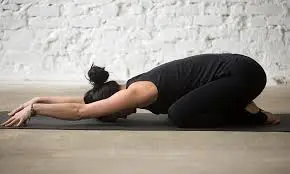
The Child’s Pose is a basic yoga posture that helps in stretching the hips and the thighs; hence, it is very therapeutic for the whole back and especially the lower back region. The individual has to kneel on the floor with the knees apart and the tip of the toes touching each other; then, slide the back onto the heels and stretch the upper part of the body forward, keeping the arms extended on the floor.
In this position of forward bending, the spinal column can expand and relieve pressure and tension accumulated in sitting and demanding activities. Working apart from its mechanical benefits, this pose can bring focused and sustained breathing, which can trigger the parasympathetic nervous system and relax tight muscles and minds.
Knee-to-Chest Stretch:
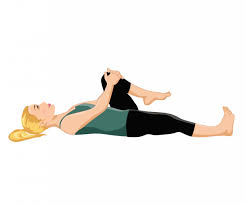
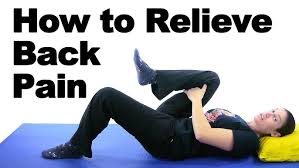
One of the best exercises to help take pressure off your lower spine and loosen your spine is the Knee to Chest Stretch. To do this stretch, lie down on your back with your legs extended and pull one knee into your chest while the other leg remains on the ground. Hold the position as you begin to feel the strain in your hips and lower spine.
This exercise aims to release tight hip and gluteal muscles, decompress the lower back, and increase blood circulation in the lower back region. Regular application will maximize overall spine flexibility, decrease stiffness, and decrease pain due to long sitting. It gives immediate relief and overall flexibility benefits that are very useful in cases that involve individuals who have been experiencing persistent pain in their lower back or stiffness in this area.
Piriformis Stretch:
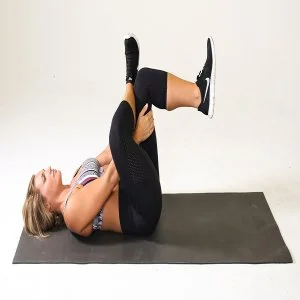
The Piriformis Stretching Exercise is for the piriformis muscle. The piriformis muscle is small in the buttocks area. The contraction of this muscle is known to cause pain in the lower back and sciatic nerves. When this exercise is done, one needs to bend the knees and lie on the back. Afterward, one needs to cross the ankles and pull one leg towards the chest.
You should feel the stretch in the back of the buttocks and outer hip area. The Piriformis Stretch is considered one of the most fundamental muscle exercises for a person with sciatica or lower back pain, as this stretch can release the hip joint, thus alleviating lower back pain with improved posture.
Cobra Pose:
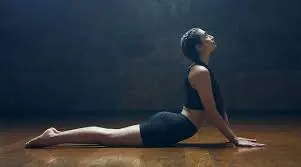
Cobra Pose helps in gentle backbending and comes from the yoga tradition. This body exercise helps in stretching the muscles of the chest, shoulders, and abdominal regions by strengthening the spinal column. For performing this body exercise, one needs to lie on the floor on the stomach side. Keep the elbows as close as possible to the body and place the hands underneath the shoulders. Now, gently lift the chest and upper body away from the floor while pressing the lower part of the ribcage.
In addition to its physical advantages, Cobra Pose can also help to stimulate blood flow to the spine, reduce tension in the muscles of the back, and stimulate the nervous system, all of which can help to alleviate feelings of fatigue and stress. By performing this exercise on a regular basis, it can help to strengthen the muscles of a healthy back.
Cat-Cow Stretch:
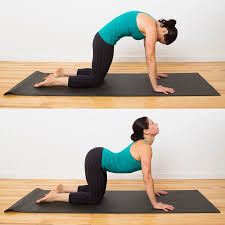
One exercise that has a flowing motion and which works on the flexibility of the spine through relieving tensions that may be present at the back of the neck and the lumbar region is the Cat Cow Stretch. This exercise requires you to begin with a hands and knees position. Make sure that the knees are directly below the hips with the wrists underneath the shoulders.
This dynamic stretch is very helpful in improving the flow of blood into the spinal discs, stretching the muscles in the back and abdominal region, and mobilizing the spinal vertebrae. The Cat Cow Stretch has been one of the best exercise routines for any person looking for some form of relief for back pain since it is helpful in reducing stiffness, lower back pain, posture problems, and body alignment.
Sitting Forward Bend:
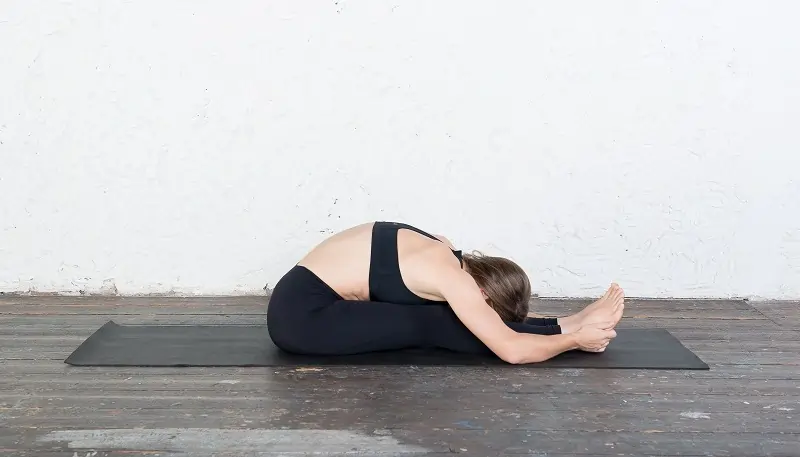
The Sitting Forward Bend, or Seated Forward Fold, is an unwinding body exercise that focuses on the spinal column, the hamstring muscles, and the entire back portion of the body. The body exercise involves the process of maintaining a straight back by sitting on the floor with the legs extended in a direct position in front of you. Inhale the breath as your body expands, and exhale the breath as your body unwinds by leaning toward your feet.
It will help stretch the hamstring and calf muscles, take tension off the lower back, and provide a gentle stretch for the spine. It can be a very helpful exercise for the body, relieving stress and lower back pain, because the exercise can help increase the flexibility in the spine. It can also help the body relax, relieving tension on the nervous system.
Low Lunges:
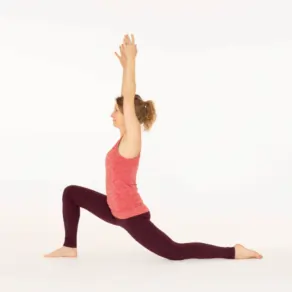
It is a dynamic stretching exercise that is efficient in releasing tension and stiffness, while increasing mobility, targeting lower back muscles, quadriceps, and hip flexors. To perform a Low Lunge, one has to take one leg forward to assume a lunge position with the knee of the lead leg placed precisely on the ankle, while the other knee touches the ground. One will be able to feel the needed tension in the extended leg as he moves his hips forward to stretch.
The exercises will increase the flexibility of the hip and relieve tension that arises from long periods of sitting in the lower back. Lunges, or Low Lunges, are one very important exercise that is tailored for relieving back pain since they possess elements that will help improve back posture and release tension in the hips/back areas due to pain experienced in the back.
Bird Dog Exercise:
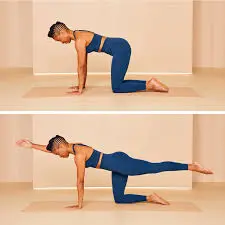
This exercise is also known as the “Bird Dog.” This will help you to stabilize, balance, and align your body properly, besides toning your back muscles. You have to begin this fitness activity by moving into a position where your hands and knees are on the floor, with your knees directly below your hips and your wrists under your shoulders. Next, extend one arm and the other leg without bending or lowering your backbone.
It increases coordination, promotes the development of buttocks, back, and abdominal muscles, and prevents occurrences of back issues. The Bird Dog Exercise straightens a leaning posture, removes lower back pain, and develops a strong base for physical motion.
Superman Pose:
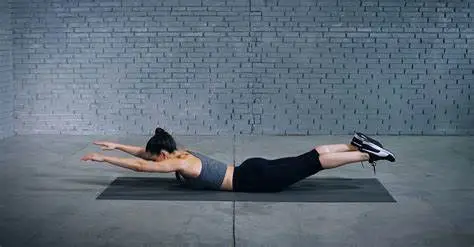
Superman Pose has been adapted as a strengthening exercise for improving the stability of the spine by engaging your shoulders, glutes, and lower back. Lie face down on the floor with the legs extended and arms out in front. Raise arms, chest, and legs off the ground using back and glute muscles.
This exercise will not only improve your posture by reversing some of the effects of extended sitting but also strengthen the muscles that support the spine and lessen lower back pain. Superman Pose is an excellent workout for overall back health and pain alleviation since it increases spinal mobility, strengthens the posterior chain, and improves core stability.
Partial Sit-Ups:
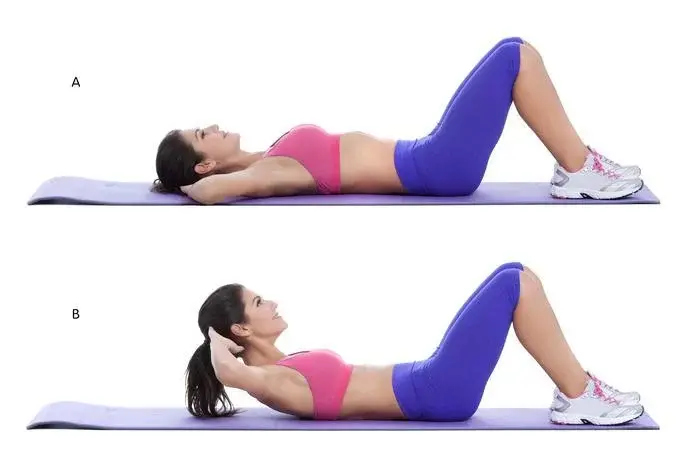
One of the best exercise techniques for building the strength of the abdominal muscles with less pressure on the lower spine is the partial sit-up exercise. It is recommended that you lift your shoulders and upper back a few inches away from the floor by engaging your abdominal muscles, then lower your body slowly when you cross your arms over your chest or place them on the back of your head.
Partial sit-ups are more effective than full sit-ups in contracting the involved muscles with less strain on the spine. This exercise or activity can be regarded as safe and beneficial for relieving back pain because it tones the involved muscles.
Side Plank:
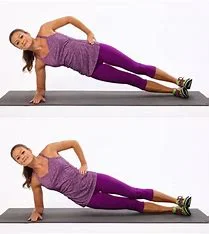
This exercise is rather effective in developing muscle strength in this area because it requires all the muscles in this area, that is, shoulder muscles, muscles located on either side, as well as those that help in stabilizing the back. This exercise requires that you position yourself on the side of your body with your elbow positioned under your shoulder and then place your two legs, one on top of the other. Then, using muscle strength in this area, you balance this position in a way that you position your hips so that from head to feet, you are straight; then, using muscle strength in this area that takes care of stabilizing your back, you move to another side after a few minutes.
This exercise will add stability to the body in the lateral plane while also reducing pressure on the lower back as it targets muscles responsible for holding the spinal column in its proper alignment. Incorporating the Side Plank into one’s fitness routine will greatly help in dealing with any issues of pain in the back, as this is one of the best exercises for maintaining spinal alignment.
Conclusion:
These 11 exercises may also allow you to overcome back pain, boost flexibility, and strengthen the muscles surrounding the backbone. Every exercise is designed to address various aspects of back pain, such as relaxation exercises like Baby Pose or Knee-to-Chest, or toning exercises such as Bird Dog or Side Plank. All you have to do is dedicate a few minutes to these exercises each day.
Apart from fostering good posture and spinal alignment, daily practice ensures overall mobility and a great feeling. All this can be realized while in the few minutes that are spent daily in carrying out this series of exercises that will help ensure good back health in the long run.
FAQs:
To find out whether you’re pregnant, where do you touch?
Hormones can cause your breasts to swell, making them sensitive and painful. One of the first bodily parts to change during pregnancy is this one. They can occasionally ache and feel extremely sensitive to the touch. Additionally, your nipples may become more sensitive and darker.
Which illness affects the muscles in the back?
Axial spondyloarthritis, another name for ankylosing spondylitis, is an inflammatory illness mostly affecting the spine. Some of the vertebrae in the spine may eventually fuse as a result of the inflammation. A hunched posture may result from this fusion, which reduces the flexibility of the spine.
What remedies are available for back pain in pregnant women?
Sore muscles can be relieved by placing an ice pack, heating pad, hot pack, or warm water bottle on your back. Set the heating pad to its lowest setting if you’re using one. To reduce the risk of burns, wrap the pad or a warm water bottle in a towel. Additionally, a back massage could be beneficial.
In the early stages of pregnancy, which side of your tummy do you feel?
Due to the changes in their bodies, pregnant women may have pain on the left side of their stomach in the early stages of pregnancy. The uterus and the body are attempting to create room for the baby, which is typically the cause of this pain.
What signs of weak back muscles are present?
Weak back muscles frequently result in stiffness, bad posture (such as slouching or a flat or curved lower back), muscle spasms, and general aching, making it difficult to stand straight or move freely. They can also cause weakness or tingling in the legs or feet due to nerve irritation or instability, and in severe cases, they can cause radiating pain or even loss of bladder or bowel control, which calls for emergency medical attention.
When pregnant, what should I avoid doing?
Contact sports, high-risk fall activities, overheating-causing activities, and breathing exercises should all be avoided when pregnant. Additionally, you should stay away from high-altitude activities (above 6,000 feet unless you reside there), scuba diving, and lying on your back for prolonged periods of time after the first trimester.
Pregnancy falls under which category of back pain?
Pregnant women frequently complain of back pain. This is typically described as muscular pain in the lower lumbar region that is axial or parasagittal. A mix of circulatory, hormonal, mechanical, and psychological variables may be to blame for this.
In the early stages of pregnancy, what hurts first?
Implantation cramps, which occur as the fertilized egg adheres to your uterine wall, are among the first forms of early pregnancy pain. This usually happens six to twelve days after conception, frequently even before you’ve missed your period.
Is it possible to use a heating pad during pregnancy?
Yes, you can use a heating pad for back or muscular pain while pregnant, but only on a low setting, for brief periods of time (10 to 20 minutes), never on the abdomen, and make sure it’s covered with a towel to prevent burns and an excessively high body temperature that could harm the unborn child. If you are in serious pain or have any concerns, you should always see your doctor.
Does lower back pain occur during the early stages of pregnancy?
Both PMS and early pregnancy can be indicated by lower back pain because they both involve cramping and hormonal changes. However, PMS pain typically goes away once your period begins, whereas pregnancy pain frequently involves ligament relaxation and a dull, persistent ache that lasts past your missed period, along with other symptoms like fatigue and nausea.
Is it possible to massage my back while pregnant?
Pregnancy-related back pain can be alleviated by massage, according to the National Institute for Health and Clinical Excellence (NICE). This is because as your baby grows, your abdomen expands and your lumbar spine becomes more pronouncedly curved, which can cause pain in your neck, shoulders, and back.
Which month during pregnancy does back pain begin?
Although back pain during pregnancy can occur at any time, it usually starts in the second trimester (around months 4-6) as the uterus grows, weight increases, and hormones loosen ligaments, shifting your center of gravity. However, some women experience it as early as the first trimester because of hormonal changes, or even in the third trimester, peaking as your body gets ready for delivery.
What is the most effective exercise for back pain?
In order to improve flexibility, posture, and support the spine without strain, the best exercises for back pain concentrate on gentle stretching and strengthening core/glute muscles, such as Knee-to-Chest, Bridges, Bird-Dog, and Cat-Cow stretches, along with activities like yoga or swimming. Always move gently and stop if pain worsens. The best workouts depend on your particular situation, so always get medical advice before beginning.
References:
- Gaikwad, T., & Gaikwad, T. (2024, March 29). 11 top exercises for lower back pain. KCM Clinic – Klinika Leczenia Otyłości, Poradnia Medyczna, Szpital – Jelenia Góra, Wrocław. https://kcmclinic.com/11-top-exercises-for-lower-back-pain/
- Back exercises in 15 minutes a day. (n.d.). Mayo Clinic. https://www.mayoclinic.org/healthy-lifestyle/adult-health/in-depth/back-pain/art-20546859]
- Hospital_Support, & Hospital_Support. (2024, July 19). Back Pain? Here are 8+ exercises you can do at home! – Multispeciality Hospital. Multispeciality Hospital – Hyderabad. https://www.kimssunshine.co.in/blog/spine-care/back-pain-here-are-8-exercises-you-can-do-at-home/
- Physio, B., & Physio, B. (2025, June 30). 13 top exercises for lower back pain – Benchmark Physio. Benchmark Physio. https://benchmarkphysio.com.au/physiotherapy-exercises-for-lower-back-pain/
- Back Pain exercises and stretches to improve posture and strength. (n.d.). CK Birla Hospital. https://www.ckbhospital.com/blogs/back-pain-remedies
- Cadman, B. (2025, April 14). How to strengthen the lower back. https://www.medicalnewstoday.com/articles/323204