Anatomy

  • | |

    Wrist Joint

    Introduction The wrist joint, also known as the radiocarpal joint, is a complex structure that connects the hand to the forearm. It is responsible for a wide range of movements, including flexion, extension, radial deviation (movement toward the thumb), ulnar deviation (movement toward the little finger), and some degree of circumduction. Various bones and joints…

  • |

    Deep Tendon Reflexes

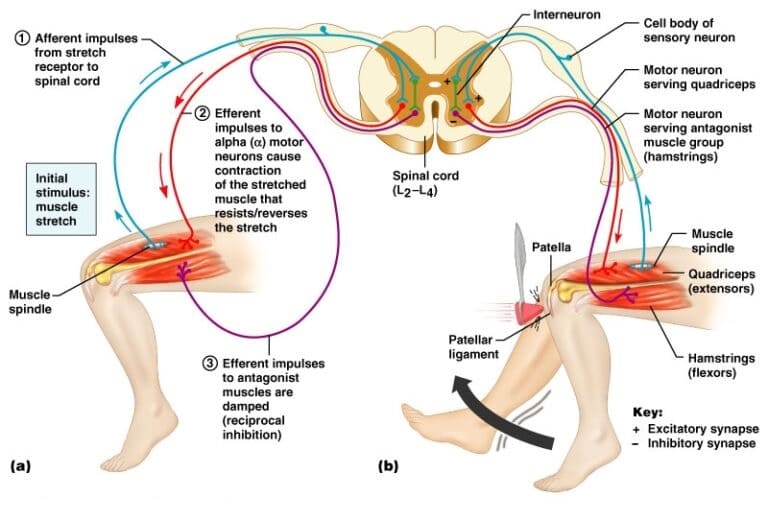
    Definition Deep Tendon Reflexes (DTRs) are involuntary, automatic responses to a stimulus applied to a tendon, typically involving the muscle it is connected to. These reflexes are essential for assessing the integrity of the nervous system, particularly the motor and sensory pathways. When a typical person taps a muscular tendon vigorously, the two-neuron reflex arc…

  • |

    Locking and Unlocking of Knee Joint

    Introduction: A critical procedure that is necessary for the knee’s ultimate extension is the locking and unlocking mechanism of the joint, often known as the “Screw home mechanism (SHM)”. An individual with a locked knee may find it difficult to bend or straighten their leg for extended periods. This ailment might be chronic or uncommon….

  • | |

    Physical Examination Test for Elbow Joint

    Overview Elbow problems can severely affect a person’s physical health and financial stability. These conditions can limit mobility, making everyday tasks challenging, and lead to substantial medical expenses. Addressing elbow disorders is crucial for maintaining overall wellness and avoiding potential long-term consequences. Elbow pain can originate in many different places, including bones, tendons, ligaments, bursae,…

  • | | |

    Genitofemoral Neuralgia

    Genitofemoral neuralgia is a chronic condition that affects the genitofemoral nerve, characterized by sharp, burning, or aching pain in these areas, often triggered by movements, pressure, or prolonged sitting. The genitofemoral nerve can become irritated or compressed due to various factors, including surgery, trauma, or certain medical conditions. Diagnosis can be challenging due to the…

  • Abdominal Regions

    What is an Abdominal Region? The abdominal region is anatomically divided into nine distinct areas, each serving as a reference point for identifying the location of pain, symptoms, or medical conditions. These regions are arranged in a grid pattern and are crucial in clinical assessments, diagnostic procedures, and understanding the human body’s structure. Several crucial…

  • |

    Fibula Bone

    Introduction The fibula is a long bone in the lower extremities that is part of the lateral side of the tibia. The fibula is significantly thinner than the tibia when compared. It starts at the knee joint and travels down the side of the leg to the ankle joint, which is situated right behind the…

  • Spinal Canal Stenosis

    What is Spinal Canal Stenosis? Spinal canal stenosis is the narrowing of one or more areas inside the spinal canal. The spinal canal is the pathway that connects each vertebra in your spine. It contains your spinal cord. A decrease in space within your spinal canal constricts your spinal cord and the nerves that arise from…

  • Lower Cross Syndrome

    What is a Lower Cross Syndrome? Lower Cross Syndrome (LCS) is a postural imbalance that affects the lower back and pelvic region. It is characterized by a pattern of muscle imbalances where certain muscles become tight and overactive while others become weak and underactive. Both the dorsal and ventral areas of the body are affected…

  • |

    Bicipital Groove

    Bicipital Groove Anatomy The Bicipital Groove, also known as the intertubercular groove or sulcus, is an anatomical structure present in the humerus bone of the upper arm. Situated on the front (front) aspect of the bone, the bicipital groove performs a key function in accommodating and protecting the long head of the biceps brachii muscular…