Bow Pose (Dhanurasana)
Introduction:
Dhanurasana, or bow pose, is a beginner-friendly position that represents balance, grace, and strength. The Sanskrit terms Dhanu, which means bow, and Asana, which means position or posture, are the source of the name. Bow Pose got its name from this. The name translates to “Bow Pose” because the ultimate posture mimics the shape of a strong archer’s bow.
Bow Pose, which is a component of Hatha yoga, has been incorporated into other yoga systems, including Iyengar and Vinyasa. This stretch-and-strength pose, which is part of peak pose yoga sequences, helps the body prepare for the Full Bow pose, an advanced Ashtanga yoga pose.
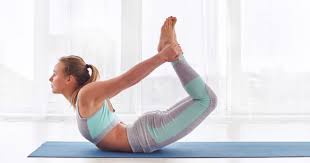
Targeting the front and back of the body, this hip and heart opening exercise provides a deep stretch. This prone yoga pose creates an arched posture by lifting the torso and lower legs off the ground while gripping the ankles with your hands. The legs, knees, arms, and hips are strengthened as the thighs lift off the ground, pushing the heels behind.
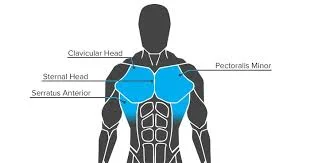
The biceps, triceps, shoulders, and neck are strengthened when the shoulders are rolled back, and the arms are straight and active behind. Consequently, the hip flexors, quadriceps, and gluteus, as well as the upper frontal body (the shoulders, chest, and abdomen), are opened and stretched.
Backbends strengthen the back while improving posture. As a result, it can be incorporated into workplace yoga routines to address back hunches caused by bad posture. Additionally, the stretching of the abdomen promotes better digestive organ health and core strength. Mentally, the Bow pose is frequently linked to an uplifting and energizing sensation that elevates mood and boosts vitality as soon as the pose is released. For kids, teens, and athletes, the bow pose can be a great supplement to yoga.
Given its nature, warming up is essential to building the necessary flexibility, strength, and balance. One-legged bow pose preparation, cobra pose, locust pose, and cat cow pose are examples of poses that might be taken into consideration.
Dhanurasana creates a stronger mind-body connection, which boosts confidence and gives a sense of accomplishment. It is used in therapeutic yoga sequences to treat ailments such as hemorrhoids, nocturnal leg syndrome, tailbone pain or minor back pain, thyroid imbalances, PCOS/PCOD or menstruation symptoms, diabetes, and improved circulatory and respiratory function. The alimentary canal as a whole is refurbished.
They relax the back muscles, stomach organs, kidneys, and liver. The secretions of the pancreatic and adrenal glands are balanced by toning. As a result, gastrointestinal issues, dyspepsia, persistent constipation, and liver sluggishness are eliminated while immunity is strengthened.
This pose, which is a part of Power Yoga or Hot Yoga sequences, lowers excess weight around the thighs and abdomen by boosting metabolism and burning calories. It encourages solidity and a sense of groundedness. The Anahata Chakra, which governs feelings of love, compassion, and balance, is activated in the body when the heart and chest are opened spiritually.
Since bow posture variations can be generated from the bow pose, the bow pose is regarded as a base pose. Bow Pose can be used in flow yoga sequences since it increases the body’s energy.
How to Do Bow Pose:
- To begin, lie down in the prone position of Makarasana (Crocodile Pose). Stretch your legs while lying face down, put your arms close to your sides, lower your forehead, and take a few deep breaths to help your spine relax.
- Bring your legs and feet near your lower back, bend your knees, and point your toes toward you.
- Now try to grasp your ankles with your hands from behind while keeping both legs and feet near your lower back. Ensure that both legs’ ankles are being held from the outside.
- Stretch your arms and shoulders, raise your legs behind you from above the floor, and keep your thighs away from the floor. Hold this position for a few breaths to feel the blood flow.
- Now, balance the entire body on the lower abdomen while raising the entire upper body from the upper abdomen to the neck by grabbing the ankles. The body should now resemble a bow.
- Make sure those thighs are off the ground and hold this pose for a few breaths. With each breath, lift yourself upward while tightening your lower back and buttocks.
- In this pose, feel the blood flow. You can maintain your body’s equilibrium while keeping your eyes closed by breathing slowly.
Benefits of Bow Pose:
Dhanurasana, or bow pose, is a lovely frontal-body opening exercise. This method has numerous advantages when done correctly, some of which are listed below:
- Stretches, Strengthens, Lengthens: The lower body muscles, such as the quadriceps, hip flexors, and gluteus, are nicely stretched and strengthened when the chest and thighs are raised off the ground during the Bow Pose exercise. The front of the body, arms, neck, shoulders, and abdominal muscles are all stretched and strengthened as the chest is opened and the spine is rounded. Naturally balancing, the position strengthens the abdominal muscles by activating the core to maintain stability and balance. Additionally, the muscles surrounding the legs, calves, and hamstrings are strengthened, making them toned, strong, and active for athletics.
- Flexibility and Range of Motion: The backbend stretch improves the range of motion of the entire spine while opening the frontal body and increasing the flexibility of the biceps-triceps, neck, shoulder, chest, and upper torso muscles. Full Bow Pose, a fundamental yoga pose, can be prepared with this increased flexibility.
- Chest, Diaphragm, and Breath: At this point, the shoulders and chest enlarge, giving the breath more room. It facilitates better breathing. For learners with asthma or other respiratory conditions, it can therefore be incorporated into yoga. learners with severe diseases, however, ought to stay away from the activity. The position focuses more on balancing than on dynamic movements. As a result, the breath must be regular and rhythmic. In addition to finding stability and balance in the pose, this will aid in increasing lung capacity.
- Awareness and Focus: This pose’s integration of all body parts will provide you with a strong, stable mental and emotional state. However, when performing the backbend, practitioners need to be conscious of their breath. The practitioner must push their heels away from the body and intentionally open their heart after aligning. Furthermore, the body-breath connection and confidence needed to perform more difficult backbends, such as Bow Pose Variations, are developed by the balancing effect and the physical strength required to maintain the pose.
- Alignment and Posture: Bow Pose works the shoulder and chest muscles, strengthening them and eliminating any drooping. Additionally, it relieves fatigue and pain from prolonged sitting with a hunched back and poor posture by releasing tension in the back, neck, shoulders, and legs. A thorough understanding of the posture is necessary to accomplish that. In this prone position, the legs remain hip-width wide while the knees are bent to reach the heels toward the hips. The ankles are grasped with the arms extended behind. The different muscle groups are used to raise the thighs and chest off the ground, forming the body into an arched configuration that resembles a bow. The neck is kept extended and in line with the chest while the eyes are fixed forward. The heels are pushed away from the torso by extending the arms straight behind. To fully expose the chest, the shoulders are wide and rolled down. Teachers of yoga should advise their pupils to pull their lower back and buttocks upward with each breath. The entire spine is working, toning the surrounding muscles. Throughout the exercise, the core is active. When all of these are combined, the posture appears beautiful, and balancing is made easy.
- Relaxing, De-stressing, and invigorating: Bow Pose is well-known for its calming and invigorating effects on the body and mind. Consequently, deep breathing while in a backbend promotes mental and physical relaxation. Unwanted tension, emotions, and stress are stored in the legs, hips, and shoulders, all of which are actively involved. In order to make room for the new prana to enter, this pose can assist in clearing the body of negative energy and suppressed emotions. By stimulating the nerve system, the pose improves general energy and relieves minor weariness.
- Organs and Stimulation: Because the abdominal muscles bear the weight of the body, the stomach, liver, pancreas, kidney, intestines, and spleen all perform better. Enhancing the secretion of the different glands, this organ functions by restoring equilibrium to the inside of the body. This frontal body stretch improves the digestive system and ignites the digestive fire by maximizing the expansion of the abdominal area and toning the organs (Jatharagni). Additionally, the Bow Pose helps women with menstruation problems and treats PCOD/PCOS by affecting the reproductive system through pelvic engagement. The body’s circulatory and respiratory systems are triggered by the hands reaching behind to open the chest and shoulders. Mild depression is treated by activating the nerve system to preserve equilibrium. Additionally, this calms the mind and slows breathing by activating the parasympathetic nervous system.
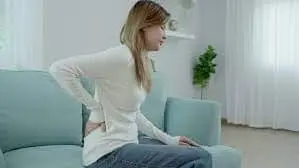
- Therapeutic, Healing, and Ailments: This stretch relieves minor back pain and discomfort caused by extended periods of sitting. Regular practice helps to treat the sciatica nerve by reducing leg cramps. Thyroid imbalances and bad posture are corrected as the neck and upper body are adequately stretched. In addition to addressing conditions like constipation, colitis, and hunger, the pressure and stretch of the abdominal muscles tone the kidneys and liver, improving the sluggish liver and massaging the kidneys. By improving blood circulation and controlling blood sugar levels, the bow pose also aids in the management of diabetes.
- Balance and Emotion: The Bow Pose strengthens the body’s musculoskeletal structure. By stretching the abdomen and extending the chest, this pose subtly activates the Manipura and Anahata chakras. The Throat Chakra is stimulated by the long neck, which helps the practitioner communicate more clearly.
- Others: Dhanurasana improves lung capacity by stretching and opening the frontal body. Therefore, yoga poses for runners, climbers, athletes, or others involved in energetic sports can incorporate this lovely pose. This posture, which is part of the Hot, Power, and Flow yoga sequences, is beneficial for toning the arms, legs, and abdomen. Immunity is enhanced by this hip and heart-opening exercise in the outdoors.
- Level-Up Poses: Supta Virasana, Wheel Pose, and Eka Pada Rajakapotasana are examples of advanced backbends for which Bow Pose helps prepare the body.
Contraindications of Bow Pose:
Dhanurasana, or bow pose, can be difficult for the muscles and joints. Therefore, when instructing learners in yoga, instructors should be mindful of the following safety measures:
- Injury and Surgery: learners should avoid this backbend stretch if they have recently had surgery on their abdomen, hips, knees, or back, or if they have any kind of injury to their spine, knees, hips, ankles, toes, lower back, quadriceps, hamstrings, legs, rib cage, or visceral organs (damage to internal organs and tissues). This pose should be avoided by learners who have injuries to their arms, neck, or shoulders.
- Physical Strength and Weak Body: Due to this pose’s nature, learners who have any kind of weakness or strain on any part of their body—especially those who are elderly, such as an old injury that still causes weakness, a physical illness, brittle bones, arthritis, or general body weakness- should avoid it. Additionally, learners should avoid this practice if they have stomach ulcers or hernias, low or high blood pressure, a history of heart problems, dizziness, vertigo, migraines, insomnia, nausea, a herniated disc, severe sciatica, or pain in the neck, arms, legs, shoulders, or back. This procedure should be avoided by those recovering from diseases and postpartum women who have not yet given birth for more than eight weeks. learners who experience wrist pain or carpal tunnel syndrome should go slowly. Teachers of yoga should be careful when working with pupils who have neck problems or cervical spondylosis.
- Others: Pregnant ladies and elderly people should avoid this exercise because it entails a backbend and a deep stretch in the abdomen. It should be avoided by women who are menstruating since it puts strain on the abdomen. A yoga strap can help learners with poor flexibility who are unable to raise their legs high or reach their feet behind them. Yoga instructors must use this pose with diligence. Numerous emotions may be evoked by the heart-opening Solar Plexus stimulation. Simpler backbends must be gradually introduced to trauma sufferers and worried individuals.
Modifications of Bow Pose:
Any painful yoga practice that involves excessive muscle straining will result in damage. Therefore, if a stretch is difficult in a specific yoga pose but the body requires it, it can be achieved through enhanced and adapted ways. If done incorrectly, no yoga pose can bring happiness and satisfaction. Therefore, if one wishes to enjoy this pose, there are a few different approaches to reach it. A few are listed below.
- If it’s hard to reach for your ankles, you can use a yoga strap to wrap it around your ankles and pull yourself up while maintaining a solid grasp.
- You could use a blanket to provide support just below your pelvis and lower abdomen if the pressure on your abdomen is bothersome. By laying a thin blanket beneath the knees, an experienced teacher can assist in bringing those arms behind to reach for the ankles and support the rising of the knees and thighs. Before moving to the floor mat, one might begin practicing this on a solid, level mattress.
- The stretch will be improved because the support and cushion effect will put less strain on the thighs and abs.
Bow Pose Breath Awareness:
Breathing is thought to be the most important technique for achieving asana excellence. A significant portion of the body’s flexibility is attained by consistent practice of the position with appropriate breathing. The breathing method for mastering Dhanurasana is explained here.
- Before starting to progress into Makarasana (Crocodile Pose), take a few breaths to relax the spine.
- Hold onto the bent legs at the ankles, extend your arms behind you, and release the breath as you inhale. Keep your forehead on the ground and take a few deep breaths. Make sure your body is straight and properly aligned with the mat by settling your shoulders.
- Now lift your forehead off the ground, inhale deeply, and stretch your upper body, shoulders, and chest both forward and backward while tightly gripping your ankles. Stay in this position until the body is properly balanced and breathing normally.
- When the body is comfortable, start breathing slowly. Try to raise the thighs higher with each inhalation while moving the shoulders and chest rearward. Then, exhale while maintaining this position.
- The more steadily and slowly you breathe, the better your body will balance. Keep your eyes closed and try to stay in this position.
- Breathe for a few seconds, then slowly inhale. As you exhale, lower your chin, shoulders, and knees toward the floor while maintaining your grip on your ankles. Next, let go of your ankles, extend your legs on the floor behind you, and fully relax your neck.
- Now in full Makarasana, lie down, stretch your entire body back to the floor, and relax. Breathe slowly at first, then focus on your lower back as you release tension and tighten the muscles in and around your spine.
- After a few breaths of relaxation, you could continue this pose until the muscles are fully clenched. Make sure you don’t make any jerky movements either before or during the pose.
Conclusion:
Bow Pose (Dhanurasana) is a powerful backbend that enhances flexibility, posture, and spinal health while strengthening the entire body. It helps open the chest, increase vitality, and improve general mobility with consistent practice.
To safely get its full advantages and prevent strain, concentrate on good form and controlled breathing.
FAQs:
Which disadvantages does Dhanurasana have?
Pregnant ladies and new mothers should not perform the dhanurasana. Additionally, the posture should be avoided by those who have injuries to their wrists, spines, or knees, high blood pressure, heart issues, hernias, migraines, headaches, or neck injuries.
Is Dhanurasana heart-healthy?
Dhanurasana increases blood circulation, strengthens the heart area, and increases overall body flexibility. Bring the heels toward your buttocks while bending your knees.
Does the Bow Pose help with back pain?
Bow posture helps prevent or lessen lower back pain and injury by strengthening your hamstrings and spine extensors.
What is Dhanurasana’s substitute?
For instance, Setu Bandhasana (Bridge Pose) is a variant of Urdhva Dhanurasana. I would suggest sitting higher on a yoga block or two for a learner whose knees can’t handle Virasana.
Which disease does Dhanurasana treat?
By stimulating the stomach organs, Dhanurasana is proven to ease digestive issues like indigestion and constipation. Increasing lung capacity, it can also help manage respiratory diseases like asthma.
How many times can you perform the bow pose?
You can hold the final pose for longer by repeating this two or four times. Don’t forget to keep your legs hip-width apart. While attempting the posture, it is naturally simpler to spread your legs widely, but you can only get the most out of it and avoid knee injuries if you make the proper adjustments.
Does Dhanurasana benefit the thyroid?
Dhanurasana (Bow position): This position helps massage the thyroid gland and enhances women’s health and vigor. It is particularly beneficial for individuals with hypothyroidism.
Does Dhanurasana help reduce stress?
Dhanurasana stimulates the adrenal glands and encourages relaxation, which helps reduce stress and exhaustion. By promoting awareness and deep breathing, the position lowers cortisol levels by stimulating the parasympathetic nervous system.
What is the recommended duration for performing Dhanurasana?
For general practice, Dhanurasana (Bow Pose) is usually held for 15 to 30 seconds. While intermediate to experienced practitioners can hold for 30 to 60 seconds to optimize benefits, beginners should begin with shorter stays of 10 to 20 seconds. It is advised to perform the pose two or three times, taking breaks in between.
Does the bow posture help people lose belly fat?
Holding your ankles and arching your torso backward, this pose resembles a bow. This yoga pose strengthens your back and increases flexibility in addition to reducing belly fat.
Who should not perform Dhanurasana?
Peptic ulcers, colitis, severe back pain, hernias, high or low blood pressure, and recent abdominal or spinal surgery should all be avoided. Additionally, it should not be used if you are pregnant, menstruating, or have severe injuries to your neck, shoulder, or knee.
Who is incapable of performing a bow pose?
Physical Strength and Weak Body: learners with shoulder pain, lower back pain, weak back, heart issues, high blood pressure, and vertigo should not perform the Full Bow Pose. learners who experience acute cervical pain should not do the exercise, although they can follow it by maintaining their face forward.
Which disease does Dhanurasana treat?
Helps treat rheumatism, gastrointestinal issues, and dyspepsia (obesity). enhances blood flow. gives the back flexibility. strengthens the muscles in the back.
References:
- Dhanurasana Yoga(Bow Pose)| Yoga sequences, benefits, variations, and Sanskrit Pronunciation | Tummee.com. (n.d.). Tummee.com. https://www.tummee.com/yoga-poses/bow-pose
- Wikipedia contributors. (2025, May 22). Dhanurasana. Wikipedia. https://en.wikipedia.org/wiki/Dhanurasana
- Finserv, B. (2025, September 18). Benefits of Dhanurasana. https://www.bajajfinserv.in. https://www.bajajfinserv.in/insurance/benefits-of-dhanurasana
- Yoga Journal. (2025a, February 25). Bow pose. https://www.yogajournal.com/poses/bow-pose/