5 Best Exercises for Posterior Pelvic Tilt
Introduction:
Exercises for Posterior Pelvic Tilt help correct pelvic alignment, improve posture, reduce lower back pain, and strengthen core and hip muscles.
Fortunately, you can recover from these problems by including specific stretches in your practice. We’ll examine some of the top stretches designed to correct posterior pelvic tilt and promote improved posture and overall comfort in this post.
These stretches can be your key to a healthier and more pain-free life, regardless of whether you’re an office worker, a fitness enthusiast, or someone seeking relief from this common postural issue.
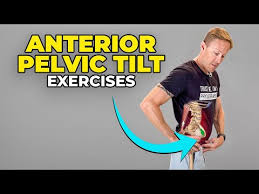
The condition known as posterior pelvic tilt occurs when your pelvis tilts backward, away from its neutral position. In this pelvic position, the tailbone is tucked beneath the torso, and the front portion of the hips tilts up and back. The posterior pelvic posture causes the lumbar lordosis, or rounding of the lower spine, which results in a flat back.
Correct Posterior Pelvic Tilt with These Top 5 Exercises Video:
Posterior Pelvic Tilt Exercises:
Superman Exercises:
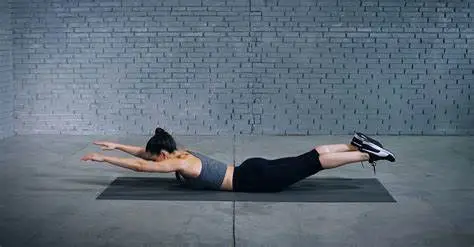
- The Superman Stretch starts with you lying on your stomach with your hands extended above your head, much like leg lifts.
- During each repetition, raise your arms and chest to create the illusion that Superman is flying.
- For fifteen to thirty seconds, maintain this stance.
- If you need to raise your feet to balance your body, that’s acceptable.
Cobra Pose:
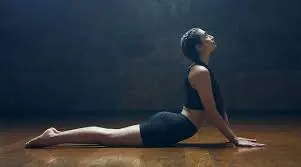
- Put your belly down and lie on the mat.
- As you start the next movement, point your toes, angle your legs to meet your hips, and take a breath.
- Raise your shoulders off the ground gradually until you experience a small stretch. Inhale as you press more into the lumbar extension to increase your range of motion.
- Bend your elbows and slowly raise yourself off the ground once you feel the extension in your back.
- Take care not to lock your elbows while using your hands and wrists to support your weight for 15 to 30 seconds. Breathe deeply and slowly as you enter and exit the pose.
Glute Bridge Exercises:
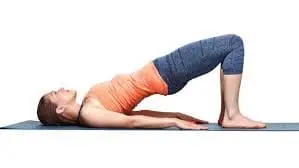
- Start by lying on your back on the ground with your arms by your torso, knees bent, and feet flat on the ground.
- Before you move, tighten your butt and brace your core.
- Lift your butt off the ground and keep squeezing it while bracing.
- After five seconds of holding this position, slowly return to the starting position.
- Aim for ten reps.
Cat-Cow Stretch:
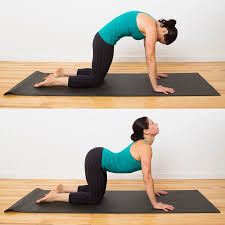
- With your hands directly under your shoulders and your knees beneath your hips, begin on your hands and knees in a tabletop position.
- Take a breath and raise your chest and tailbone toward the ceiling while arching your back. The “cow” pose is this one.
- Breathe out as you circle your back, bringing your chin closer to your chest and tucking your pelvis under (the “cat” position).
- Keep switching between the Cat and Cow stances while keeping your breathing in sync with your movements. For one to two minutes, follow this flow.
Bird Dog Exercises:
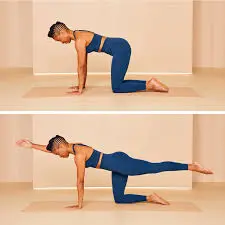
Bird Dog Exercise is a straightforward yet incredibly powerful core-strengthening exercise that enhances stability, balance, and spinal alignment. It is frequently used in yoga, fitness regimens, and rehabilitation to strengthen the shoulders, hips, lower back, and deep core muscles.
Because it encourages regulated movement and appropriate coordination, this exercise is particularly helpful for those with weak core muscles, bad posture, or back pain. Frequent use of the Bird Dog exercise improves general functional strength, supports a healthy spine, and lowers the likelihood of lower back issues.
Conclusion:
When the pelvis is positioned incorrectly, with the back of the pelvis inclined, it is known as a posterior pelvic tilt. It is caused by an imbalance between the muscles in your legs and the muscles in your core, which is impacted by your body’s structure, normal posture, and movement patterns.
Among the several symptoms that may manifest are a hunched posture, tense hamstrings, and back pain. Treatment sometimes involves modifications to sitting and sleeping arrangements as well as exercises that focus on specific muscles.
FAQs:
With a posterior pelvic tilt, which muscles are weak?
Weak glutes, weak spinal extensors, and frequently tight hamstrings and abdominals all contribute to a posterior pelvic tilt (PPT), which causes imbalances that force the pelvis backward and flatten the lower back. Stretching tight hamstrings and abs and strengthening weak glutes and core are necessary to correct this posture, which is widespread in sedentary lifestyles and stresses the lower back.
Can pelvic tilt be corrected with squats?
When performed correctly, squats can help correct anterior pelvic tilt. They fortify the core, hamstrings, and glutes—muscles that are often weak in people with APT. However, they could exacerbate the tilt if done improperly.
What is the duration required to rectify pelvic tilt?
It can take a few weeks to several months to correct a pelvic tilt; many people report improvements in 4 to 12 weeks with regular stretching and strengthening exercises (such as hip flexor stretches, planks, and glute bridges), though the time frame varies depending on personal factors like age, tilt severity, and duration. Significant posture improvements require committed effort to retrain muscles and enhance body awareness, although some minor adjustments may feel quicker.
Is posterior pelvic tilt caused by tense hamstrings?
Knee flexion, hip extension, and posterior pelvic tilt are produced by hamstring contraction. The lumbar spine flattens due to posterior pelvic tilt (hypolordosis), which puts pressure on the anterior spinal structures, such as the intervertebral disc.
Can pelvic tilt be caused by a weak core?
The muscles in your midsection that encircle your lower back make up your core. These muscles enable you to bend and twist your body’s trunk in addition to supporting your upper body. Anterior pelvic tilting and other abnormalities might be caused by a weak core.
What are posterior tilt’s long-term consequences?
When the pelvis rotates backward, the lumbar spine shifts into flexion and the normal lumbar lordosis is reduced, resulting in posterior pelvic tilt. Spinal misalignment, tight hamstrings, weaker muscles, particularly abdominal muscles, and changed movement patterns can all be caused by this pelvic posture.
How many days does it take to correct pelvic tilt?
Hip stretches may help correct anterior pelvic tilt nearly instantly, according to some research, but it may take eight weeks, according to other studies. Your degree of physical activity and your muscles’ strength and flexibility may have an impact on how long it takes.
Which exercise is most effective for pelvic tilt?
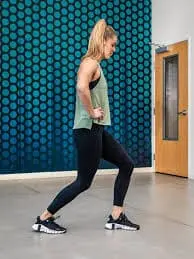
The most effective exercises for pelvic tilt concentrate on hip flexibility, glute activation, and core strength. The Basic Pelvic Tilt (lying down) is essential for awareness, while Bird-Dog (for stability) and Glute Bridges/Squats (for strengthening the posterior chain) help correct imbalances, particularly for anterior tilt, and are frequently combined with hip flexor stretches like those in a lunge. In order to develop strength and enhance posture, consistency is essential. Regular, controlled motions should be the goal.
When there is a posterior pelvic tilt, which muscles are weak?
Weak glutes, weak spinal extensors, and frequently tight hamstrings and abdominals all contribute to a posterior pelvic tilt (PPT), which causes imbalances that force the pelvis backward and flatten the lower back. Stretching tight hamstrings and abs and strengthening weak glutes and core are necessary to correct this posture, which is widespread in sedentary lifestyles and stresses the lower back.
Can posterior pelvic tilt be corrected by a chiropractor?
A posterior pelvic tilt (PPT) might result from tense and tight muscles attempting to make up for weaker ones. This tilt may be uncomfortable and have an impact on your mood. To treat PPT and begin feeling better, chiropractic adjustments may be beneficial.
How can I determine whether my pelvic tilt is proper?
Wearing pants with a belt and standing as you normally would in front of a mirror is one of the easiest ways to determine whether you have an anterior pelvic tilt. You most likely have this issue if the belt buckle is noticeably lower than the back of the belt.
Can the posterior pelvic tilt be corrected?
With exercise, a posterior pelvic tilt can be corrected. Discover five exercises you may use to strengthen your core and leg muscles and enhance your posture.
What is the duration required to rectify a posterior pelvic tilt?
Any low back pain caused by the pelvic tilt should go away after a few weeks of regular stretching and strengthening.
Which exercise is most effective for pelvic tilt?
The most effective exercises for pelvic tilt concentrate on hip flexibility, glute activation, and core strength. The Basic Pelvic Tilt (lying down) is essential for awareness, while Bird-Dog (for stability) and Glute Bridges/Squats (for strengthening the posterior chain) help correct imbalances, particularly for anterior tilt, and are frequently combined with hip flexor stretches like those in a lunge. In order to develop strength and enhance posture, consistency is essential. Regular, controlled motions should be the goal.
How can a posteriorly inclined pelvis be corrected?
Strengthening your core and glutes, stretching your tight hamstrings and hip flexors, and enhancing your posture with exercises like glute bridges, planks, chin tucks, and deep squats, combined with movement and awareness to restore your pelvis to a neutral position, are all important ways to correct posterior pelvic tilt. To address muscle imbalances, regular daily practice that includes stretches, strengthening, and mindful movement is essential.
References:
- Purdie, J. (2022, June 22). 5 exercises to fix your posterior pelvic tilt. Healthline. https://www.healthline.com/health/posterior-pelvic-tilt
- International Sports Sciences Association. (n.d.-a). 9 Best exercises for correcting posterior pelvic tilt | ISSA. https://www.issaonline.com/blog/post/9-best-exercises-for-correcting-posterior-pelvic-tilt
- Admin. (2021, March 25). Fixing posterior pelvic tilt. Starkwood Chiropractic. https://www.starkwoodchiropractic.com/fixing-posterior-pelvic-tilt/
- McQuilkie, S., DC. (2023, February 7). How to fix posterior pelvic tilt – Best stretches & exercises. PostureFlow (Formerly Back Intelligence). https://backintelligence.com/fix-posterior-pelvic-tilt/
- Cave, K. (n.d.). Posterior & anterior pelvic tilt: How do you fix it? https://blog.nasm.org/what-is-pelvic-tilt-how-do-you-fix-it