Author: Dr.Neha Kachhadiya

  • | |

    Lead Pipe Rigidity

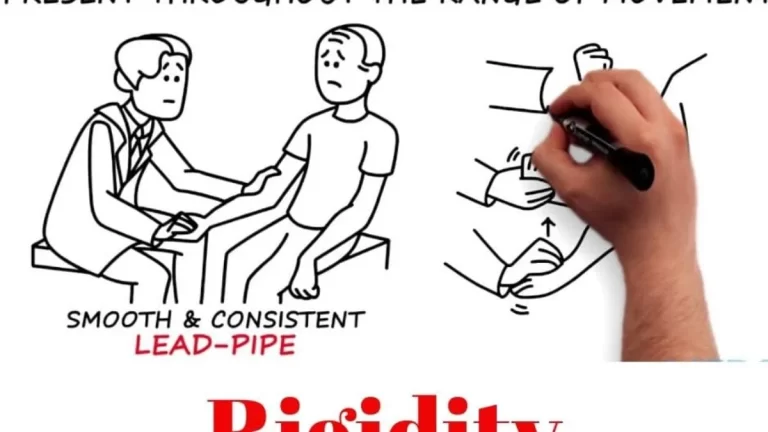
    What is a Lead Pipe Rigidity? Lead pipe rigidity is a type of muscle stiffness commonly associated with neurological disorders, particularly Parkinson’s disease. It refers to a uniform resistance to passive movement throughout the entire range of motion, resembling the resistance encountered when bending a lead pipe. This condition results from the hyperactivity of muscle…
  • | |

    Dermatomes

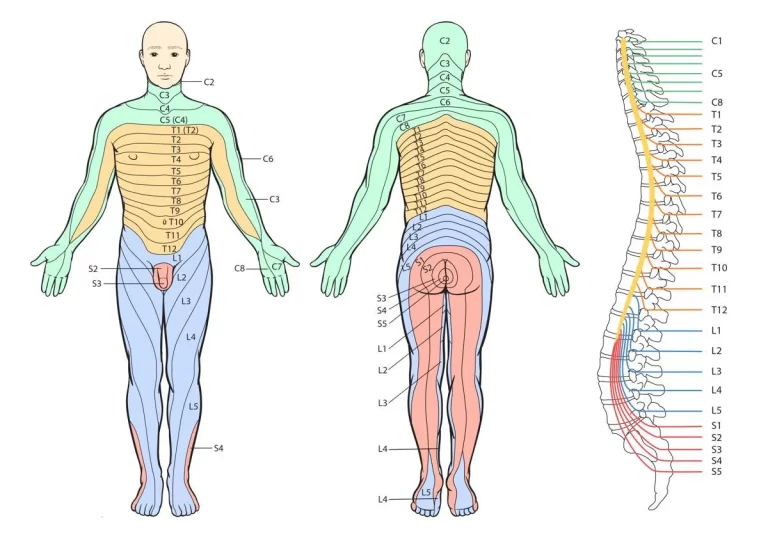
    Dermatomes: What are they? Dermatomes are skin sites that receive sensory information from the Afferent nerve fibers that emerge from a certain spinal nerve root’s dorsal root. An external portion of a nerve that “communicates” with the spinal cord is known as a vertebral nerve root. The entire spinal cord is made up of nerve roots…

  • |

    Gate Control Theory of Pain

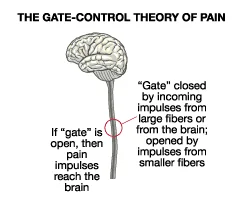
    The Gate Control Theory of Pain, proposed by Ronald Melzack and Patrick Wall in 1965, revolutionized our understanding of how pain is perceived in the human body. This theory suggests that pain is not merely a direct result of physical injury or tissue damage, but rather is modulated by complex interactions between sensory signals, nerve…

  • | | |

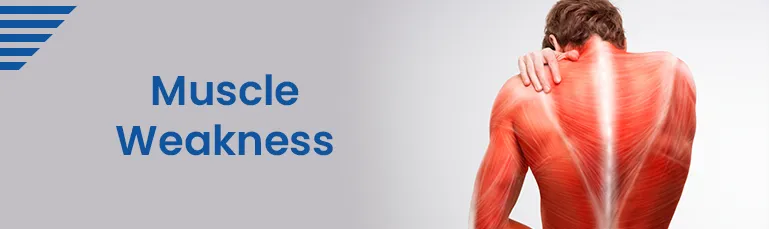
    Muscle Weakness

    Muscle Weakness: What Is It? Muscle weakness refers to a lack of muscle strength, making it difficult to perform tasks that require physical exertion. This condition can be temporary or chronic, and it often affects a person’s ability to engage in daily activities. There are numerous reasons for it, and they can be categorized as…

  • Music Therapy

    What is a Music Therapy? The potent therapeutic properties of music enhance a person’s well-being. It is an alternative to conventional forms of therapy, like cognitive behavioral therapy (CBT) or counseling. To encourage positive changes in their client’s general mood and mental state, music therapists use their clients’ associations and reactions to music. Playing an…

  • |

    Ataxia

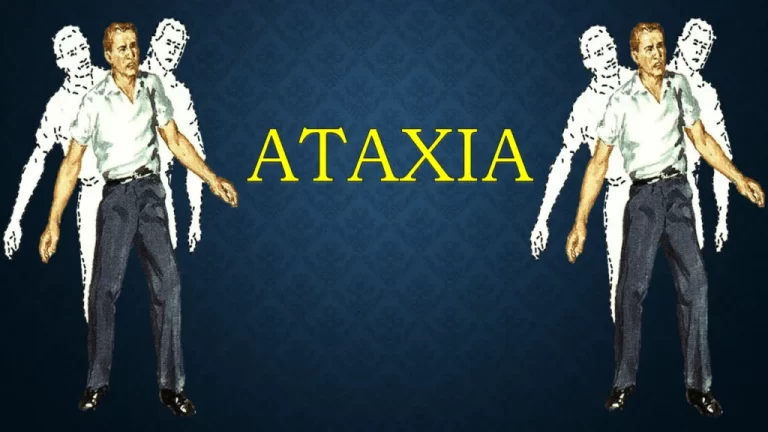
    Ataxia: What is it? Ataxia is the concept of a condition affecting your body’s coordination. You might move strangely if you have ataxia. Ataxia affects the cerebellum, the inner ear, and other elements of the central nervous system responsible for communicating muscle movements. Ataxia may indicate a specific aliment or be the name of a group…

  • Fluidotherapy

    Fluidotherapy: What is it? A therapeutic technique used in physical therapy and rehabilitation settings is fluidotherapy. To create a fluid-like medium, cellulose particles (such as finely crushed maize husks) are coupled with a dry thermal airflow produced by a specifically constructed machine. For treatment, patients put their affected body parts—such as their hands, feet, or limbs—into…