Atlanto-Occipital Joint
The atlanto-occipital joint is the articulation between the atlas (C1 vertebra) and the occipital bone of the skull. It is a synovial joint that allows for nodding movements of the…
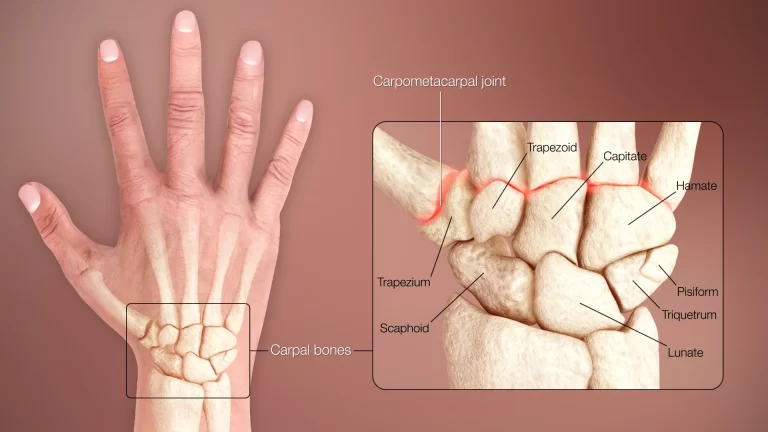
The carpometacarpal (CMC) joints are the articulations that connect the hand's carpal (carpals) and metacarpal (metacarpals) bones. Five carpometacarpal joints are known to exist, with the thumb's carpometacarpal joint—also referred…
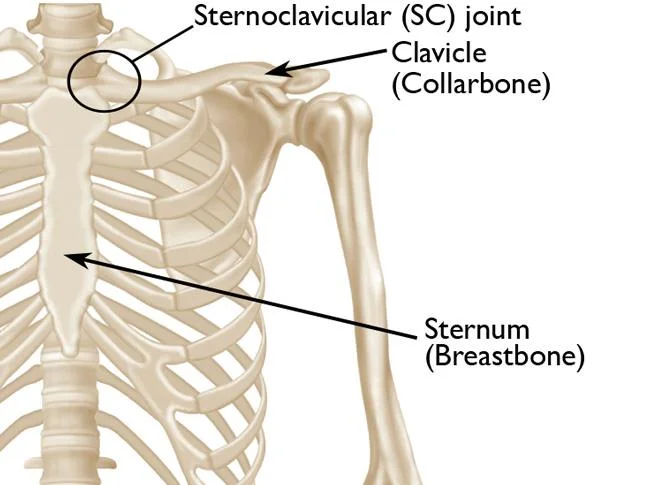
The sternoclavicular (SC) joint is a synovial joint that connects the sternum (breastbone) to the clavicle (collarbone). It is one of the major joints in the shoulder girdle and plays…
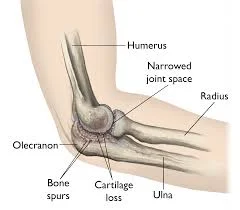
The elbow joint is a complex hinge-type synovial joint that connects the upper arm to the forearm. It plays a critical role in the movement and function of the arm,…
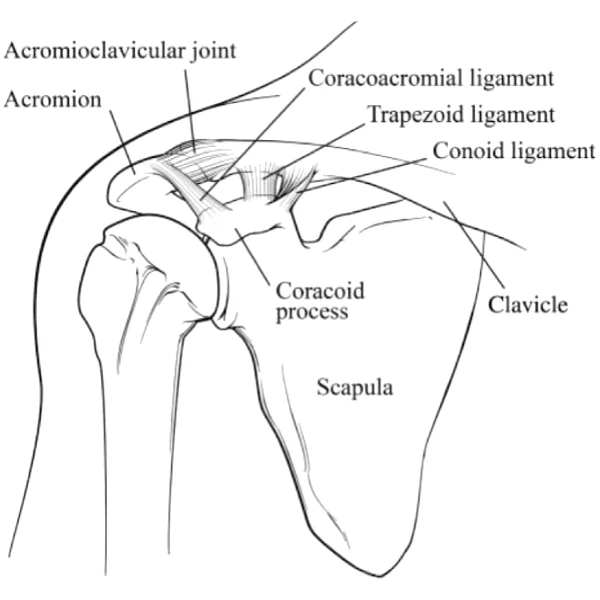
The acromioclavicular joint, frequently referred to as the AC joint, is an essential anatomical structure situated on the top of the shoulder where the lateral end of the clavicle (collarbone) articulates with the acromion process of the scapula. This joint is critical to the stability and operation of the shoulder complex, allowing for a wide range of motion while preserving the structural integrity of the shoulder girdle.…
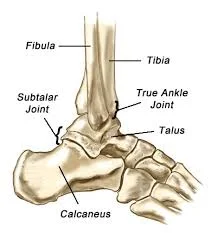
Introduction The subtalar joint, located just below the ankle joint, plays a critical role in foot and ankle biomechanics. It connects the talus (a bone in the foot) with the…
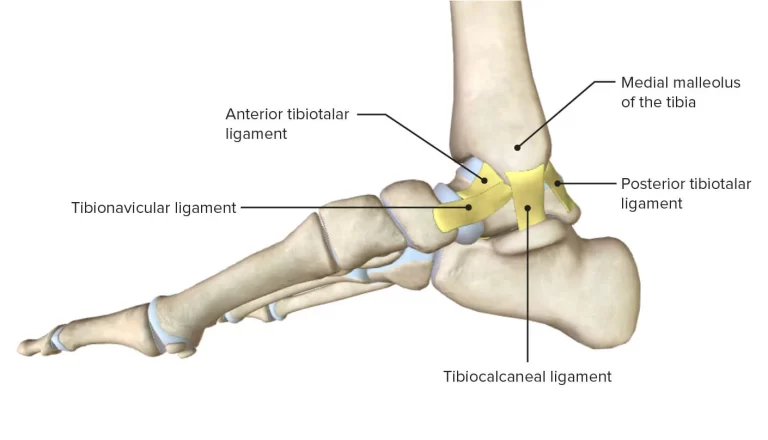
Ankle joints are complex mechanisms that play important roles in allowing movement in the lower extremities and providing stability. Several ligaments support the ankle's overall stability by joining the bones and ensuring optimal joint function. The anterior talofibular ligament (ATFL), posterior talofibular ligament (PTFL), and calcaneofibular ligament (CFL) comprise the lateral (outside) portion of the ankle joint. These ligaments contribute lateral support to the ankle by attaching the talus…
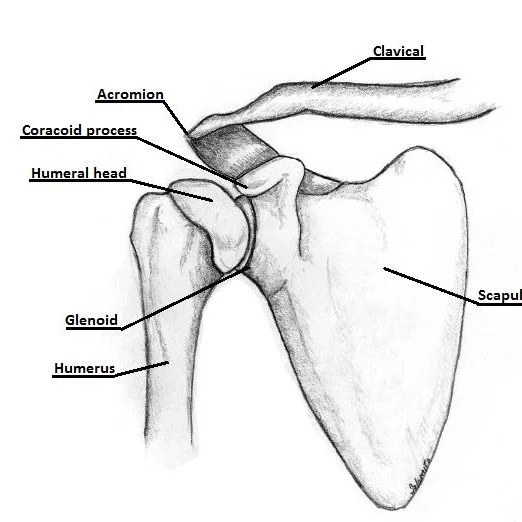
The shoulder joint, also known as the glenohumeral joint, is a ball-and-socket joint that involves the humerus (upper arm bone) and the scapula (shoulder blade). It is one of the…
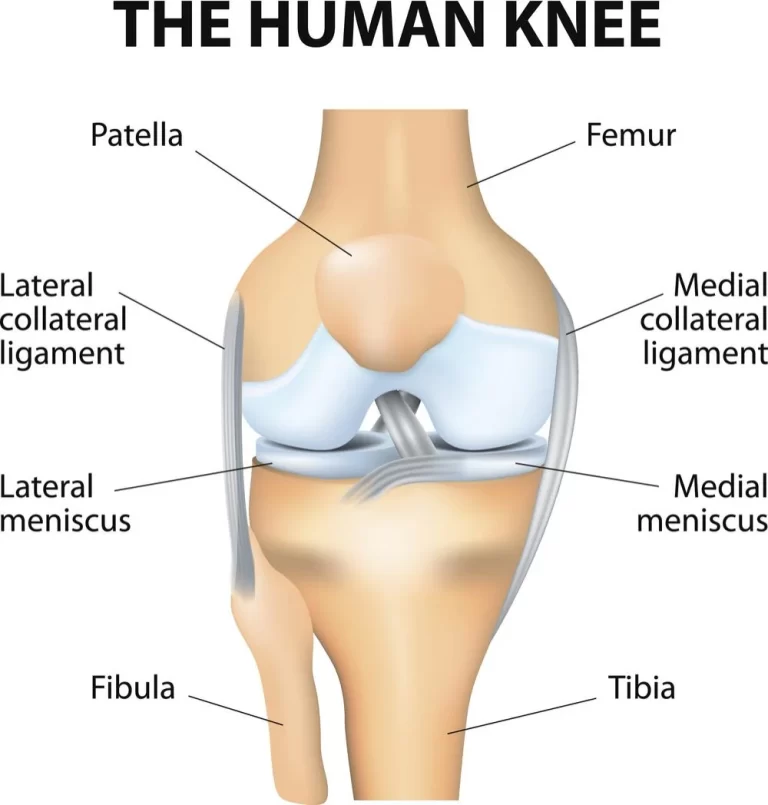
Introduction The knee joint is one of the largest and most complex joints in the human body, playing a crucial role in our ability to move and bear weight. It…
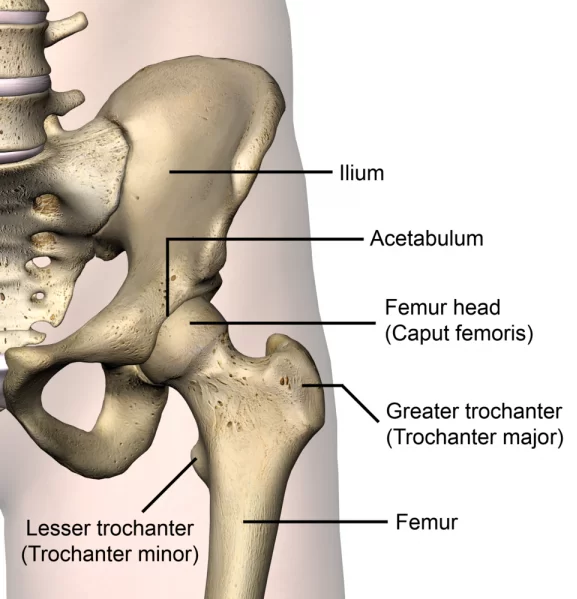
Introduction The hip joint is a ball-and-socket synovial joint that serves as the primary connection between the lower limb and the pelvis. It is one of the largest and most…