Top 6 Advanced Shoulder Mobility Exercises
Introduction:
Maintaining good posture, enhancing athletic performance, and avoiding injuries all depend on shoulder mobility. Advanced shoulder mobility exercises help improve flexibility, strength, and stability throughout the shoulder joint and surrounding muscles as you progress beyond beginner stretches.
These exercises test your range of motion, control, and coordination, making sure your shoulders move smoothly and don’t hurt during regular activities or vigorous exercise.
Benefits of Advanced Shoulder Mobility Exercises:
Beyond only improving flexibility, advanced shoulder mobility exercises have several other advantages. They expand the range of motion for improved overhead and rotational movements, strengthen muscular coordination, and improve joint stability.
These exercises lower the likelihood of shoulder impingement, pain, and injuries by strengthening supporting muscles such as the rotator cuff, deltoids, and scapular stabilizers. Better posture, increased athletic performance, and smoother, more effective movement throughout daily tasks and strength training are all made possible by increased shoulder mobility.
Advanced Shoulder Mobility Exercises:
Wall Angles:
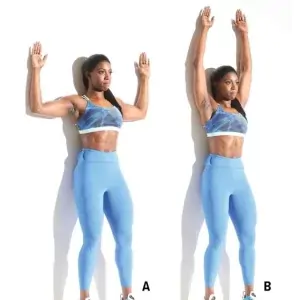
Wall angles work the scapular and upper back muscles, which is a great way to improve shoulder mobility and posture. Maintain contact with your head, shoulders, and lower back while standing with your feet slightly apart and your back flat against a wall to execute this exercise.
Keeping your hands, wrists, and elbows as near to the wall as you can, raise your arms in a “W” position and then slowly glide them upward to form a “Y.” This deliberate movement facilitates improved alignment and flexibility in the shoulder joints, strengthens the shoulder stabilizers, and releases tense chest muscles.
Banded Shoulder Dislocates:

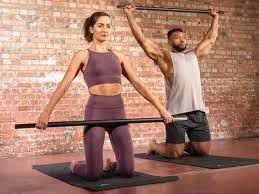
A dynamic exercise that improves shoulder flexibility, mobility, and joint stability is the banded shoulder dislocates. Hold a resistance band in front of your body with a broad grasp while maintaining straight arms. Raise the band slowly over your head and continue to move it behind your back, then smoothly and deliberately return to the beginning position.
This exercise strengthens the scapular and rotator cuff muscles while stretching the biceps, shoulders, and chest. It works particularly well to improve overhead movement patterns and lessen stiffness caused by bad posture or repetitive upper-body exercises.
Shoulder Rotation:
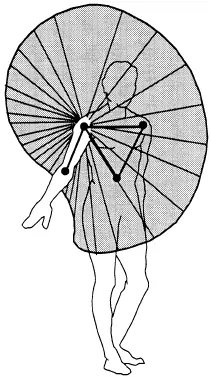
To keep shoulder joints flexible and healthy, shoulder rotations are crucial. The rotator cuff muscles, which stabilize and regulate shoulder movement, are the focus of this exercise. Hold a dumbbell or a light resistance band while standing erect to do it.
Rotate your forearm outward while keeping your elbow close to your side for external rotation; slide your forearm inward across your body for internal rotation. To engage the little stabilizing muscles, move gently and deliberately. Frequent practice improves performance in pushing, pulling, and lifting motions, increases shoulder flexibility, and helps prevent injuries.
Internal Rotation with Strap:

A mild yet effective exercise to increase shoulder range of motion and release tension in the rotator cuff and upper back is internal rotation with a strap. Holding a strap or towel behind your back with one hand above your shoulder and the other below will allow you to complete this stretch. To stretch the lower shoulder and chest, gently pull upward with the upper hand.
After a few seconds of holding, let go and repeat. This exercise increases the range of motion for internal rotation, lessens stiffness, and encourages balanced shoulder flexibility—all of which are necessary for good posture and overhead motions.
Thread the Needle:
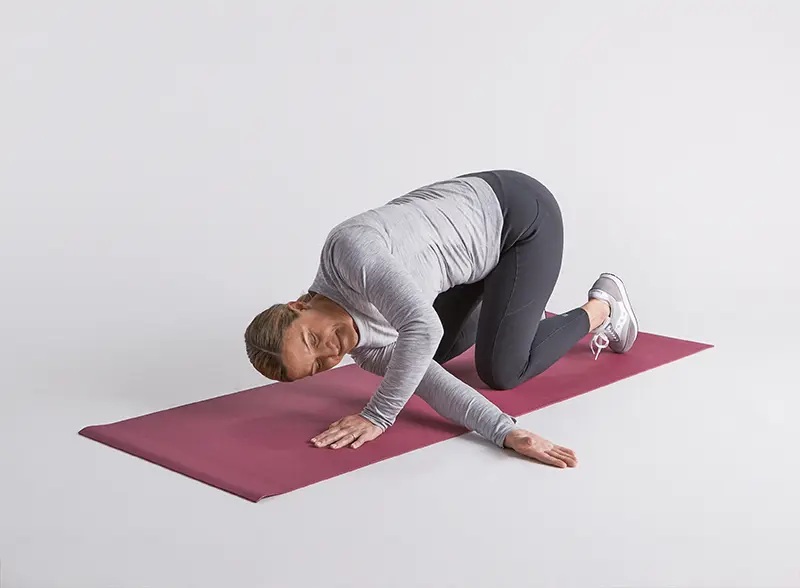
The Thread the Needle exercise is a great way to increase upper-body rotation, thoracic spine flexibility, and shoulder mobility. Start on all fours on a tabletop, placing your knees behind your hips and your wrists beneath your shoulders.
Gently drop your right shoulder and ear to the floor while you slowly move your right arm, palm up, beneath your left arm. Your neck, upper back, and shoulder should all feel stretched. Return to the starting posture and switch sides after holding the pose for a few deep breaths. This exercise facilitates smoother, more balanced movement by releasing tension in the upper spine and shoulders.
Clasp Behind the Back:

A great stretch for expanding the shoulders, chest, and upper body posture is Clasp Behind the Back. Clasp your hands behind your back and stand tall with your feet hip-width apart to complete this exercise. Keeping your shoulders drawn down and your chest open, straighten your arms and slowly raise your hands away from your body.
Feel your chest expand and your shoulder blades engage as you hold the stretch for a few breaths. This exercise improves shoulder flexibility, counteracts the consequences of slouching, and encourages improved upper body alignment.
Conclusion:
Maintaining upper body strength, flexibility, and stability requires including advanced shoulder mobility exercises in your regimen. These exercises improve posture, athletic performance, and general functional mobility in addition to increasing range of motion.
Frequent practice helps avoid injuries caused by misalignment or repetitive strain, as well as shoulder stiffness and tension. You can make sure your shoulders stay strong, balanced, and able to manage both everyday tasks and strenuous exercise by setting aside time for advanced mobility exercises.
FAQs
Are you able to perform daily shoulder mobility exercises?
Strengthening workouts and stretches for the shoulders are essential. They aid in injury prevention and range of motion restoration. Try to perform these stretches three to five times a week, as advised by Hinge Health physical therapists. They can be done at any time of day.
Which is more important, flexibility or mobility?
Improved joint mobility may result from improved muscle flexibility, according to research. A person’s range of motion and athletic performance may be enhanced by training both mobility and flexibility.
Which six joints are movable?
The area of the body where two or more bones unite to permit movement is called a joint. Generally speaking, because the joint’s strength decreases with increased range of motion, the chance of injury increases. Ball and socket, saddle, hinge, condyloid, pivot, and gliding are the six varieties of freely movable joints.
Which shoulder condition hurts the most?
Because it is persistent, takes a long time to heal, and causes constant agony, frozen shoulder is one of the most excruciating shoulder diseases. Pain peaks in the early stages of development and gradually decreases over each of its three stages.
How may the shoulder’s range of motion be increased?
Using your opposing arm, gently press one arm on the other shoulder’s elbow. After holding the stretch for around 20 seconds, let go. To stretch different shoulder muscles, you can change the angle at which you push your elbow.
Which shoulder muscle is the strongest?
The deltoid
The biggest and strongest shoulder muscle is the deltoid. Once the arm is out of the side, the deltoid muscle takes over for lifting it.
Which shoulder exercises target all three heads?
Use compound exercises such as the overhead press (anterior), lateral lifts (lateral), and rear delt flyes or face pulls (posterior) to target all three heads of the shoulder. These three main types of exercises, which can be done with barbells, dumbbells, or cables, should be part of a balanced regimen because they target the front, side, and rear deltoids, respectively.
Which seven forms of movement are permitted at a joint?
Angular movements come in a variety of forms, such as flexion, extension, hyperextension, abduction, adduction, and circumduction. When the angle between the bones shrinks, flexion, or bending, takes place.
Which seven shoulder muscles are there?
The supraspinatus, infraspinatus, teres minor, and subscapularis are the four rotator cuff muscles. The deltoids, trapezius, serratus anterior, pectoralis major, and pectoralis minor are other muscles that make up the shoulder girdle.
Which shoulder exercise is the best?
Overhead Shoulder Press: One of the best shoulder exercises is the overhead press, sometimes referred to as the military press, shoulder press, or strict press. Dumbbells or a barbell can be used while standing, or they can be used while seated.
Which type of exercise enhances mobility the most?
Cat-cow for the spine, 90/90 hip rotations for the hips, ankle circles for the ankles, thread the needle for the shoulders and upper back, and squats for the legs and hips are some of the finest mobility exercises. These exercises, which don’t require any equipment, increase joint range of motion, flexibility, and stability.
Which six shoulder movements are there?
The shoulder joint, working in tandem with the pectoral girdle, permits the upper limb to move in a variety of ways, including flexion, extension, abduction, adduction, internal/medial rotation, external/lateral rotation, and circumduction. It is actually the human body’s most movable joint.
Are five shoulder workouts sufficient?
For beginners and intermediates in particular, five shoulder exercises may be adequate as long as they are included in a comprehensive program that covers the entire weekly volume. Instead of concentrating only on the amount of exercises each session, it’s important to balance your weekly training volume and select efficient exercises that cover various shoulder angles.
References:
- Lindberg, S. (2020, January 10). 10 Shoulder mobility exercises and stretches. Healthline. https://www.healthline.com/health/shoulder-mobility-exercises
- Sparacino, A. (1970, January 1). Why you need to build shoulder mobility—and 6 exercises to do just that. https://www.onepeloton.com/blog/shoulder-mobility-exercises
- DeBell, R. (2024, August 27). Top 6 shoulder exercises for external rotation. Movement Fix. https://themovementfix.com/top-6-shoulder-exercises-external-rotation/
- Standing child’s pose. (n.d.). [Video]. Hingehealth. https://www.hingehealth.com/resources/articles/shoulder-mobility-exercises/
- Exercises for shoulder pain. (2025, June 10). British Elbow & Shoulder Society. https://bess.ac.uk/exercises-for-shoulder-pain/
- Burgess, L. (2024, March 18). Top 10 stretches for shoulder tightness. https://www.medicalnewstoday.com/articles/324647