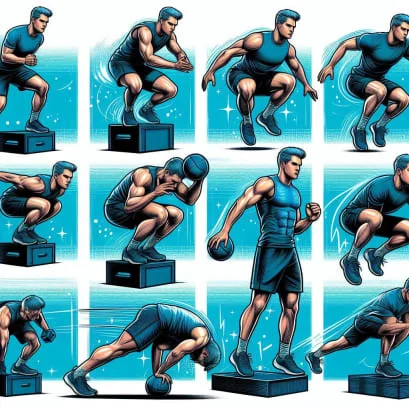
What Physical Therapy Can and Can’t Do
Introduction:
Physical therapy is a well-liked treatment that may help you recover from an injury or surgery or manage the symptoms of a medical condition that limits your mobility. It’s a combination of exercises, stretches, and movements that will improve your strength, flexibility, and mobility so you can move more confidently and safely.
What is physical therapy (physiotherapy)?
Improving your body’s mobility is the aim of physical therapy, sometimes referred to as physiotherapy. It might be a part of a general pain management approach or a particular treatment for a disease or injury. After several different surgical procedures, physical rehabilitation is often necessary. To assist you in preventing injuries before they happen, physical treatment may also be required.
Your therapist will be a physician who specializes in physical therapy and will make sure you are safe.
Your injuries, health issues, and the areas of your body that need more mobility will determine how long you need physical therapy. A few weeks of physical therapy can help some people with short-term issues. Others need it for months or years to manage the symptoms of a chronic, long-term illness.
Physical therapy may be helpful in the following situations, depending on the reason for treatment:
- Relieving pain
- Improving movement or ability
- Prevention or recovery from a sports injury
- Prevention of disability
- Prevention of surgery
- Rehabilitation after a stroke or post-accidents or injury
- Rehabilitation following surgery for several diseases, including hip joint replacement, knee surgery, and shoulder surgery
- Improving body balance
- Enhancing and optimising core muscles
- Managing chronic illness like arthritis, PCOD, diabetes, cancer
- Prenatal conditions and Postpartum recovery
- Controlling bowel or bladder-related issues
- Adapting to an artificial limb
- Learning how to utilize tools to improve movement, such as a walker or cane.
- Improving the performance of sportspeople.
Physical treatments that have become more popular include pediatric physical therapy, geriatric physical therapy, orthopedic physical therapy, cardiovascular and pulmonary physical therapy, vestibular rehabilitation, and neurological physical therapy. Therefore, a variety of health issues can be addressed by physical therapy activities.
Depending on the needs of each instance, physical therapy treatment may involve some of the following:
- Specific exercises
- Manual therapy and interventions
- Use of mechanical devices such as traction
- Educating the patient
- Heat, cold, electricity, sound waves, radiation, assistive technology, prostheses, orthoses, and other treatments are examples of electro-physical modalities.
What does physical therapy treat?
Physical therapy is frequently started following a medical professional’s diagnosis of a disease or injury. example includes:
- Sports injuries.
- Neck pain.
- Back pain.
- Knee pain.
- Hip pain.
- Carpal tunnel syndrome.
- Tendinopathy (including tendinitis).
- Rotator cuff tears.
- Knee ligament injuries (like ACL tears).
- Temporomandibular joint (TMJ) disorders.
- Concussions.
- Strokes.
- Spinal cord injuries.
- Traumatic brain injuries.
The following chronic conditions may require physiotherapy:
- Chronic obstructive pulmonary disease (COPD).
- Cerebral palsy.
- Multiple sclerosis (MS).
- Muscular dystrophy.
- Parkinson’s disease.
- Cystic fibrosis.
What are the types of physiotherapy?
Physical therapy combines hands-on techniques with exercises or movements you perform under the supervision of a physical therapist. Physical therapy may consist of:
- Stretching.
- Strength training (with or without weights or exercise equipment).
- Massage.
- Heat or cold therapy.
- Hydrotherapy.
- Transcutaneous electrical nerve stimulation.
You don’t have to stay in a hospital or other healthcare facility to undergo physical therapy because it is usually an outpatient treatment. You may start therapy in the hospital following an injury or surgery and continue it after you go home.
Depending on where you live and the type of treatment you need, you could get your physical therapy at a hospital, a specialty clinic, or even at home. Telehealth, a virtual visit over the phone or via video call, may make physical treatment possible.
What are the benefits of physical therapy (physiotherapy)?
Any body system that regulates movement can be addressed by physical therapy, including your:
- Musculoskeletal system.
- Nervous system.
- Cardiopulmonary system.
- Integumentary system.
Physical therapy works on all the systems in the body that control movement, including:
- Musculoskeletal system.
- Nervous system.
- Cardiopulmonary system.
- Integumentary system.
Physical therapy can strengthen parts of the body in any of the following systems:
- Muscles.
- Bones.
- Joints.
- Heart.
- Lungs.
- Brain.
- Skin.
What are the risks of physical therapy?
Physiotherapy is very safe and effective. As with any physical activity, you run a slight risk of injury, including aggravation of an existing injury. Talk to your physical therapist about how to safely perform all exercises and movements, especially if you plan to have physical therapy at home or unsupervised between appointments.
Is physical therapy worth it?
It may not be easy (especially at first), but physical therapy is definitely worth it. After a physical therapy session, you may feel stressed, tired, and tired. These feelings are valid and normal.
Your physical therapist will assist you in defining reasonable expectations and goals. With time, your mobility, strength, and flexibility will all increase. Physical therapy may not feel immediately effective. But stick with it.
In physical therapy, there are five things you should never do:
Why Knowing the Don’ts Matters in Physical Therapy
Physical therapy can be one of the best methods to regain strength and function, whether recovering from an injury, recovering from surgery, or managing chronic pain. However, there are several things you should avoid doing in physical therapy that can significantly impact the effectiveness of your treatment.
At Reform Physical Therapy, we frequently tell patients that rehabilitation is about more than simply turning up—it’s about showing up correctly. To get the most out of your exercises, stay away from these five major mistakes.
1. Don’t Push Through Sharp or Sudden Pain
While some pain is normal during therapy, acute, stabbing, or severe pain should be avoided. Ignoring this may worsen the condition or cause further injury. Make sure to see your doctor if you have any issues. You should find physical treatment difficult, but it shouldn’t hurt you in a way that is dangerous or scary. The American Physical Therapy Association (APTA) confirms this in its Guidelines for Pain Management and Progression.
2. Don’t Skip Your Home Exercises
One of the most common things not to do during physical therapy is to skip your home program. These workouts are meant to enhance your clinic work and speed your recovery. What is important is continuity. Research from the National Institutes of Health shows that patients who follow prescribed home exercises have better long-term results. Every stretch and movement has a purpose, even if it seems repetitive or simple.
3. Don’t Compare Your Progress to Others
Healing is different for each person. Comparing yourself to the success of others (even friends with the same injury) can leave you disappointed and discouraged. Each person’s body responds differently to treatment based on age, fitness level, severity of injury, and overall health. Be confident during the session and have trust in your strategy. One of the most crucial yet often ignored things to avoid in physical therapy is this.
4. Don’t Rely Only on Passive Treatments
Techniques such as ice, heat, and massage may feel good, but they are not a substitute for active rehabilitation. Restoring mobility and strengthening muscles is the aim of physical therapy, which is done via your active involvement. Skipping exercise and using only passive treatments will not produce lasting changes. Your efforts both inside and outside of the clinic are critical to your rehabilitation.
5. Don’t Be Afraid to Ask Questions
Communication is essential in physical therapy. Please ask questions if you have any questions about an activity, your diagnosis, or the next stage in your plan. You will get support from your therapist, and open communication will guarantee that your therapy is safe, efficient, and tailored to your requirements. Recall that when it comes to your health, there are no wrong questions.
Stay Engaged and Avoid These Mistakes
It’s equally crucial to know what not to do during physical therapy as it is to know what to do. This will prevent typical errors like:
- Recover faster
- Stay motivated
- Prevent re-injury
- Get better long-term results
11 Surprising Conditions You Didn’t Know Physical Therapy Can Treat:
Physical therapy is typically associated with healing from injury or surgery, but its benefits go far beyond that.
Physical therapy uses exercises and techniques to improve your body’s function, prevent problems, and help you recover from injury. It can also be a powerful tool for treating a variety of unexpected symptoms that you might not immediately think of. Below, we look at 11 surprising conditions that you probably didn’t know physical therapy could help with.
- Dizziness. Physical therapists can help people with vertigo regain balance and reduce dizziness by performing specific exercises to improve vestibular function.
- Headache. Tension and musculoskeletal imbalances can cause headaches. Physical therapy techniques, such as manual therapy and exercise, can relieve neck and shoulder pain and tension.
- A question of balance. Physiotherapists develop individualized balance training programs to increase stability and reduce the risk of falls, especially in older adults.
- Lower Back Pain: From chronic pain to postural issues, physical therapy provides a holistic approach to addressing the root causes of lower back pain through targeted exercises and therapeutic interventions.
- Urinary incontinence. Pelvic floor muscle exercises and other therapeutic techniques used by physical therapists can effectively treat urinary incontinence in both men and women.
- Arthritis. Physical therapy plays an important role in treating arthritis symptoms by improving joint function, reducing pain, and increasing overall mobility through targeted exercises.
- Constipation. Certain physical therapy techniques, such as sit-ups and postural adjustments, can help reduce symptoms of constipation by improving digestive function.
- Pediatric Developmental Delays: Physical therapists work with children to address developmental delays, helping them achieve important motor milestones through age-appropriate exercises and interventions.
- Plantar fasciitis. Through a combination of stretching exercises, massage, and strengthening treatments, physical therapy can relieve the pain associated with plantar fasciitis.
- Bad posture. Poor posture can lead to a variety of health problems. Physical therapists provide corrective exercise and education to help people develop good posture habits for long-term health.
- Prevent injuries. Physical therapists do more than just injury recovery; they also play a critical role in injury prevention through targeted strengthening, flexibility, and balance exercises.
Conditions that improve with physical therapy:
Physical therapy is a non-invasive rehabilitation field aimed at improving health and quality of life. Physical therapy is more than just one exercise or one type of stretch. This includes different types of treatments such as stretching, specific exercises, massage, and transcutaneous electrical nerve stimulation (TENS).
Because there are many different types of physical therapy treatments, physical therapy can be used to improve a variety of symptoms, including:
- Arthritis: If you have arthritis, physical therapy focuses on improving range of motion, maintaining mobility, and strengthening the muscles that support the affected joints. The Arthritis Foundation often recommends physical therapy as a conservative treatment for arthritis.
- Spinal disease: Back pain is a leading cause of missed work in the United States, but fortunately, there are many non-medication options for managing back pain. Physical therapy can reduce pain and discomfort associated with several spinal conditions, including degenerative disc disease, herniated discs, spinal stenosis, scoliosis, sacroiliac joint dysfunction, and sciatica.
- Muscle imbalances and tension: Physical therapy restores muscle balance and strengthens muscles. Your physical therapist may suggest strengthening weak muscles through exercises using resistance bands, weight machines, or free weights.
- Sports injuries: Physical therapy is best known for its use in sports medicine. Helpful for a variety of sports injuries, including sprains, tennis elbow, and hamstring injuries. You don’t have to be a professional athlete to benefit from physical therapy. This can easily benefit weekend warriors and hobbyists alike.
- Headaches: There are many triggers for headaches, including diet and environment. Headaches can also be caused by stiffness of the neck joints or irritation of the nerves in the neck. In some cases, physical therapy can reduce headaches by improving the flexibility of your neck joints and helping reduce pressure on irritated nerves.
- Dizziness: Certain exercises and physical therapy can also reduce dizziness. In the long term, treating dizziness can help prevent balance problems and falls.
- Concussions: If you have suffered a concussion, physical therapy can help you recover from your injury. Taking time to fully recover from a concussion reduces the risk of injury again.
- Neck pain: The problem with neck pain is that it is not always localized to the neck. Neck pain can cause headaches, as well as arm and hand pain. Physical therapy can be included in your treatment plan to reduce neck pain.
List of Diseases Treated by Physical Therapy:
Physical therapists frequently treat the following medical conditions:
- Lymphedema: Swelling results from the accumulation of extra fluid in the lymphatic system, which then circulates throughout the body. Physical therapists use complete decongestive treatment (CDT) to reduce edema and prevent further swelling.
- Sports Injuries: For a safe, speedy recovery, certain sports injuries, such as stress fractures, can be addressed with the right rehabilitation plans or preventive exercises.
- Muscular Dystrophy: Age or other conditions cause the skeleton and muscles to weaken and become increasingly weak. Supporting frames and mobility exercises are two ways to address this.
- Back and Neck Pain: Normal functioning is compromised by either sudden acute pain or chronic back and neck pain that lasts for months or years. Physical therapy increases mobility and reduces pain.
- Limited Range of Motion (ROM): Frequent use of some body parts can lead to excessive stress, which can produce swelling or soreness in certain places. Therapy can help restore the impaired range of motion. Physical treatment will also improve flexion or extension.
- Osteoporosis: The sponge-like, thin, weak bones are more susceptible to breaking due to their many internal holes. In a similar vein, prompt treatment can avoid severe fractures.
- Vertigo: Many people frequently experience dizziness or dizziness, which can result in potentially deadly falls. Vertigo can be addressed because physical therapy enhances balance.
- Headaches: Severe head or neck injuries can result from migraines and tension-type headaches. The upper back muscles may be strengthened, and neck mobility increased with the right treatment regimen.
- Carpal Tunnel Syndrome: Sitting at a computer all day leads to repetitive stress injuries. However, wrist injuries and pain can be reduced by changing your posture and performing stretches and exercises.
- Chronic Fatigue Syndrome: This complicated illness results in crippling fatigue that is not relieved by rest. Physicians and physical therapists work together to create a treatment plan that includes endurance training exercises.
- Respiratory Issues: By using diaphragmatic breathing exercises to strengthen the lungs, pulmonary rehabilitation strategies may be used to treat respiratory conditions including chronic bronchitis.
- Burns: Physical therapy can be used in combination with a medical team to treat severe burns and splinting in order to prevent unwanted scar tissue. Scar tissue massage, for instance, can aid in the regeneration of healthy soft tissues like tendons and muscles.
- Joint Replacement: Similarly, appropriate knee pain reduction will undoubtedly be provided by post-operative care for hip or knee joint removal and replacement with an artificial joint (prosthesis).
- Ankle sprain: Your ankle gets swollen and painful when you twist it because the ligaments supporting it are strained and torn. Additionally, therapists’ recommended at-home exercises can help you rebuild strength and recover from ankle sprains more quickly.
- Parkinson’s Disease: Tremors and chronic motor impairments are caused by this neurological and progressive movement condition. Resistance strength training and physical therapy can also be used to treat it.
- Foot Fracture: Your mobility and freedom may be impacted by a simple fall that results in fractured bones, closed, open, or complicated fractures. Treatment will be recommended based on the location of the fracture and the intensity of your pain.
- Huntington’s Disease: Huntington’s disease affects both intentional and involuntary movements. Physical therapy can be used to relieve typical symptoms including spasms, slurred speech, and unsteady walking.
- Knee Ligament Injury: Ligaments, which are bands of tissue on either side of the knee, can sustain damage from injuries sustained in contact sports or from being struck hard.
- Pelvic Floor Dysfunction: Correcting posture and lifting and carrying weights correctly can help reduce pelvic floor diseases and sexual issues, particularly in women.
- Cancer: Patients undergoing cancer therapy may experience severe pain and incapacity, which lowers their quality of life. Physical therapists can help manage the implications of the kind of cancer by identifying and treating limitations.
Physiotherapy Safety Essentials: Ensuring Effective Treatment
Physical therapy is a respected healthcare profession dedicated to improving and restoring physical movement and function. It is often recommended for those recovering from injuries, suffering from chronic pain, or looking to improve their overall mobility. However, a question that often arises is whether physical therapy is safe for everyone. In this blog, we discuss the safety of physical therapy, precautions to take during sessions, suitability for children and the elderly, potential side effects, and more.
Is Physiotherapy Considered Safe?
Physical therapy is generally considered a safe treatment when administered by a trained professional. Physical therapists are trained to assess, identify, and create individualized treatment plans that address each client’s specific needs and limitations. The risk of side effects is minimized when treatment is tailored to the individual’s condition and abilities.
The safety of physical therapy is ensured through a detailed initial assessment in which the physical therapist gathers information about the patient’s medical history, current health status, and specific concerns. This assessment allows the physiotherapist to identify any potential risks or contraindications, thereby customizing the treatment plan accordingly. Moreover, physiotherapists continually monitor client progress and make necessary adjustments to ensure ongoing safety and effectiveness.
Although physical therapy is safe for most people, certain conditions or medical history may require a more cautious approach. People with severe osteoporosis, acute fractures, or certain cardiovascular conditions may require modified techniques to ensure safety. Ultimately, open communication between the client and physical therapist is essential to resolving issues and maximizing treatment safety.
Safety Measures Taken During Physiotherapy Sessions:
During physical therapy sessions, several safety precautions are taken to ensure that the treatment is effective and safe for the client.
- Comprehensive Assessment: Each physical therapy session begins with a comprehensive assessment. This includes reviewing a person’s medical history, understanding their current condition, and identifying specific issues. This enables us to develop a treatment strategy that is specific to your requirements.
- Individualized treatment plan: Based on the initial assessment, your physical therapist will create an individualized treatment plan. These plans take into account a patient’s age, physical condition, and specific goals to ensure treatment is safe and effective.
- Ongoing Monitoring: Physical therapists continually monitor the client’s response to treatment. This includes regular reviews to assess progress and make any necessary adjustments to the plan.
- Education and counseling: People receive information about their condition and the exercises they should do. Proper instructions ensure that exercises are performed correctly and minimize the risk of injury.
- Please use safe methods. Physical therapists are trained to use techniques that are proven to be safe and effective. They avoid methods that can harm a person or worsen their condition.
- Pain Management Strategies: If you experience pain during your session, your physical therapist has strategies to help manage the problem. We may modify your exercises or use additional techniques such as ice or heat therapy.
- Hygiene protocols. To prevent infection, strict hygiene protocols are followed, especially in clinical settings. This includes disinfecting equipment and maintaining a clean environment.
Safety is a top priority in physical therapy, and these measures are designed to ensure that all clients receive effective and safe care.
Is Physiotherapy Safe for Children or the Elderly?
Physical therapy is truly safe for children and seniors when appropriate modifications are made to meet their specific needs. For children, physical therapy plays an important role in correcting developmental delays, improving motor skills, and treating conditions such as cerebral palsy and sports injuries. Pediatric physical therapists use age-appropriate techniques and equipment to provide fun and effective activities for young people.
Parents are also involved in the process of ensuring continuity of activities at home, creating a positive environment for the child’s development. For older adults, physical therapy is a valuable tool for maintaining mobility, managing chronic pain, and preventing falls. Targeted physical therapy interventions can significantly improve conditions such as arthritis, osteoporosis, and age-related balance problems. Geriatric physical therapists focus on gentle exercises that improve strength, flexibility, and balance while addressing any underlying medical issues a client may have.
Treatment is designed to be low-impact to reduce the risk of injury and is often combined with education aimed at making lifestyle changes to maintain overall health. Children and the elderly require different approaches to physical therapy, but with the right techniques and precautions, it can be a safe and highly beneficial treatment option for these age groups. The key is to ensure that physical therapists adapt their techniques to the specific needs and abilities of these individuals to ensure safety and effectiveness.
Possible Side Effects Associated with Physiotherapy:
Although physiotherapy is usually safe, there are several common procedures that might cause negative effects. It is easier to control expectations and guarantee successful therapy when one is aware of these potential risks.
- Muscle Soreness: Some people may have soreness in their muscles following a physiotherapy treatment. Similar to the soreness experienced after exercise, this is usually minor and transient and goes away in a day or two.
- Fatigue: After a session, people may feel exhausted, particularly if they performed physically demanding activities. This weariness is frequently relieved by rest and hydration.
- Bruising: Deep tissue massage is one technique that can occasionally cause slight bruising. Usually, this is nothing to worry about and should go away fast.
- Swelling: If joints or muscles were treated, there may be a brief period of swelling. Swelling can be minimized by using ice and keeping the afflicted region elevated.
- Pain Flare-up: Following a session, some people may experience a brief increase in their pre-existing pain. In subsequent sessions, physiotherapists may alter the treatment approach to reduce this pain.
- Dizziness: People may occasionally experience dizziness, especially if they have spent a lot of time sitting or lying down throughout the session. This can be reduced by moving between positions slowly.
- Skin Irritation: Certain equipment or tapes used during therapy may cause skin irritation in certain patients. Hypoallergenic materials can help control this.
These negative effects are often mild and temporary. If a patient has significant or persistent concerns, they should consult their physiotherapist for advice and potential changes to their treatment plan.
Is Physiotherapy Safe to Do Without a Doctor’s Referral?
Direct access refers to the ability for anyone to obtain physiotherapy treatments in various areas without a doctor’s referral. For people seeking quick care for non-emergency musculoskeletal problems, this strategy may be advantageous and safe. Direct access enables individuals to get care in a timely manner, which may slow the course of their illness and lower total medical expenses.
Physiotherapists are qualified to identify conditions that call for medical attention, and if needed, they will send patients to a physician. To rule out underlying medical conditions, people with complicated medical histories or those with symptoms like unexplained weight loss, night sweats, or severe pain should think about seeing a doctor first.
During the first physiotherapy examination, patients must be open about their medical history and current medicines. With this information, the physiotherapist can determine if more medical testing is necessary or whether therapy is appropriate. In the end, even though many individuals find that physiotherapy without a referral is safe and helpful, it is important for people to exercise care and seek medical advice when in doubt.
Changing Physiotherapy Methods to Make Them Safe for Particular People:
Physiotherapy methods may be tailored to each client’s demands, guaranteeing efficacy and safety for a wide variety of patients.
- Low-Impact Variations: Low-impact activities, such as water-based exercises, can take the place of high-impact workouts for those with joint problems. These offer comparable advantages while putting less strain on joints.
- Resistance Modifications: The amount of resistance used in strength training can be changed. In order to gradually increase strength, those recovering from surgery may begin with resistance bands rather than weights.
- Modified Range of Motion: Exercises can be altered to suit people with limited mobility. This progressively increases flexibility while reducing strain.
- Use of Supportive Devices: To help persons with balance problems or specific injuries, techniques can be adjusted by adding supportive devices like braces or orthotics.
- Adapted Equipment: Certain devices can enhance cardiovascular health without aggravating pain, such as reclining bikes for those with back problems.
- Interval Training: For those with cardiovascular problems, exercises can be divided up into intervals. This makes it possible to monitor heart rate and exercise levels and to get enough rest.
These changes guarantee that all clients, regardless of their unique medical problems or limitations, may continue to get physiotherapy in a safe and accessible manner.
How Do You Make Sure You’re Safe While Receiving Treatment?
By taking proactive measures before, during, and following physiotherapy treatments, clients play a critical part in maintaining their safety.
- Prepare by getting lots of sleep and drinking plenty of water before sessions. This keeps you energized and helps you avoid becoming tired while working out.
- Appropriate Clothes: Dress comfortably so that you may move freely. This is necessary to carry out workouts safely and successfully.
- Observe the guidelines: Follow your physiotherapist’s instructions and seek clarification when necessary. For both safety and efficacy, proper technique is essential.
- Report any pain: Any aches and pains you feel while exercising should be reported right away. This enables your therapist to modify the course of treatment as necessary.
- Pace Yourself: Recognize your boundaries and refrain from overexerting yourself. The secret to safe and long-lasting development is gradual growth.
- Post-Session Care: To promote healing, adhere to any post-session instructions provided by your physiotherapist, such as using ice or stretching at home.
- Frequent Feedback: Continually report on your development and any modifications to your symptoms. This enables your therapist to modify your treatment strategy as needed.
- Self-Monitoring: Record your symptoms and development between sessions. Your therapist can assess the efficacy of the treatment by noting any changes.
Clients may make a substantial contribution to both their personal safety and the success of their physiotherapy journey by actively participating in these practices.
Guidelines and protocol for Safe Physiotherapy Clinic visit:
From the moment the patient enters the clinic until the conclusion of the rehabilitation session and their departure, these rules and procedures shall be followed.
- To avoid overcrowding in the clinic, all treatments should be appointment-based, and the time slot should be rigorously followed.
- Patients should cancel their appointments if they have a fever, cold, or cough.
- Patients should wash their hands before entering the clinic, and they should only be permitted entry if they are wearing a mask. Before entering the clinic, he must wear a mask; if not, the clinic may provide one. It is important to monitor the temperature and provide them with disposable gloves to put on their hands.
- The patient should only be accompanied by one attendant. Social distancing should be established as soon as the patient enters the clinic. They can take off their shoes outdoors and replace them with another pair of sterilized shoes inside. They can use disposable shoe covers provided by the clinic.
- Each therapist works in a way that prevents traffic jams and promotes safe patient flow, so a receptionist or an assistant therapist may direct the patient throughout the clinic without engaging the other therapists.
- Since the majority of the illness spreads through hair, a disposable headcover is given to the patient when they enter the treatment area. A non-cotton sheet or tissue roll should be placed over the treatment beds and pillows in the room. After the treatment is complete, the tissue roll or cover is thrown away, and the equipment is cleaned once again. Thus, all safety and hygiene criteria are upheld.
- The clinic should be kept clean every day. Countertops, doorknobs, toilets, floors, machines, parallel bars, gym equipment like dumbbells, etc., should all be sanitized using disposable wipes or sanitizers. At the beginning and conclusion of clinical hours, doors, tables, beds, chairs, etc. should be cleansed.
Safe Treatment Tailored to Your Needs:
Physiotherapy is a safe and efficient treatment option for a number of diseases when done with the appropriate safety precautions. You may get the most out of your therapy by being aware of any adverse effects, knowing when to avoid specific treatments, and keeping lines of communication open with your physiotherapist.
It is crucial to be knowledgeable and vigilant about safety whether you are thinking about physiotherapy for yourself or a loved one. Our commitment is to deliver safe, efficient, and customized care that meets your needs.
FAQs:
When to avoid physiotherapy?
During the first 72 hours following a fresh acute injury or significant inflammation, you should avoid or postpone intense, rigorous physical therapy because aggressive movement may increase tissue damage.
What is a red flag in physiotherapy?
When it comes to physical therapy, a red flag is a warning sign or symptom from a patient’s medical history or physical examination that suggests pain might be the result of a serious underlying medical condition rather than a simple problem with the muscles or joints. Diagnoses are not red flags. Rather, they serve as safety alarms that instruct the physiotherapist to stop routine therapy and send the patient for an immediate medical assessment or examination.
What is the hardest part of physical therapy?
For most patients, the most difficult aspect of physical therapy is the mental strain of maintaining consistency and patience while recovering slowly and performing daily exercises at home.
Do you need rest days from physical therapy?
In order for your muscles and tissues to heal and regain strength, you do need rest days from physical therapy.
How long does physical therapy take to walk again?
Depending on the underlying reason and degree of immobility, walking rehabilitation with physical therapy may take a few weeks to several months.
What should you do following physical therapy?
Resting, drinking lots of water, and carefully managing any pain are the best things to do after a physical therapy session, and maintaining your strength and flexibility at home is the best thing to do after finishing all of your official physical therapy.
When is it time to stop physical therapy?
When you reach your functional objectives, are cleared by your physical therapist, or reach a full plateau in your development, it’s time to stop receiving physical treatment.
References:
- Professional, C. C. M. (2026, April 17). Physical therapy (Physiotherapy). Cleveland Clinic. https://my.clevelandclinic.org/health/treatments/physical-therapy
- Support, C. (2020, January 22). Diseases treated by physical therapy. XO Physical Therapy. https://www.xopt1.com/blog/diseases-treated-by-physical-therapy/
- Hutchings, B. (2025, June 21). 5 things you should never do in physical therapy. Reform Physical Therapy. https://reform-pt.com/injury-prevention/things-not-to-do-in-physical-therapy/
- 11 Surprising conditions you didn’t know physical therapy can treat. (2025, October 6). https://www.fmcbahamas.org/2023/12/11-conditions-pt-can-treat/
- Mehul J Desai, MD, MPH. (n.d.). 8 Conditions that improve with physical therapy: International Spine, Pain & Performance Center and Mountain Spine & Pain: Pain Management. https://www.isppcenter.com/blog/8-conditions-that-improve-with-physical-therapy
- Iledeschenesphysiotherapy. (2025b, July 28). Physiotherapy Safety Essentials: Ensuring effective treatment. Île Des Chênes Physiotherapy. https://iledeschenesphysiotherapy.com/is-physiotherapy-safe/
- Guidelines & Precautions for Safe Physiotherapy Treatment during COVID-19 | Blog by CB Physiotherapy, Active Healing for Pain-Free Life. – CB Physiotherapy. (n.d.). CB Physiotherapy. https://cbphysiotherapy.in/blog/guidelines-precautions-for-safe-physiotherapy-treatment-during-covid-19