Ease Sciatic Nerve Pain with These Daily Mobility Moves
Introduction:
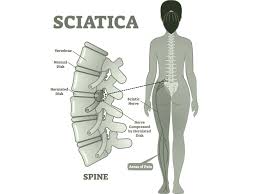
We have all heard about sciatic nerve pain, and it is a very prevalent condition. Ten to forty percent of people suffer from sciatic nerve pain. Although Sciatica is a term used to describe symptoms, many people think it’s the name of a disease. When a portion of the sciatic nerve is pinched or inflamed, it causes sciatica. The primary reasons include disorders of the discs, joints, or muscles.
In your body, the sciatic nerve is the thickest and longest nerve. The sciatic nerve begins just outside the spine and travels from the lower back (L4 to S3 spinal nerves) to the back of each leg’s thigh and calf via the hips and buttocks. In addition to having motor fibers for movement, this nerve is also referred to as a mixed nerve since it has sensory fibers for touch and sensation.
Exercises for Sciatic Nerve Pain Video:
Exercises for Sciatic Nerve Pain:
Knee to Chest Stretch:
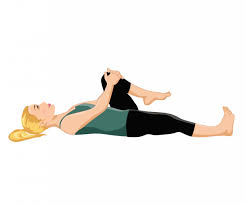
By providing space for the nerves leaving the lower spine, this lessens the strain on the spinal nerves. Simply lie on your back, grasp your knee, and begin gradually pulling it towards your chest to complete this stretch. Try to do this twice a day. Hold your leg there for 20 seconds, then do it three times. You can raise both legs to your chest if it doesn’t hurt as much.
Supine Hamstring Stretch:
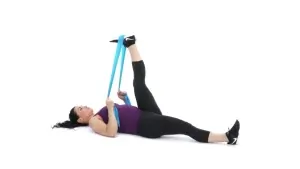
This stretch performs two primary functions. First of all, it enhances the hip’s range of motion and hamstring flexibility. This makes it easier to complete everyday tasks and lessens the strain caused by leaning over.
To do this stretch, simply lie on your back, hook a strap or towel under your foot, and draw up your leg straight until you feel a stretch down the front of your leg. Try to do this twice a day by holding your leg there for thirty seconds and then repeating the exercise twice.
Figure of Four Stretch:
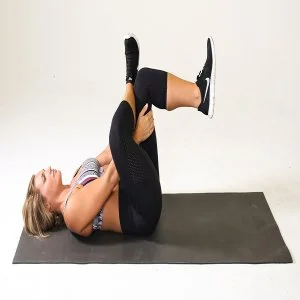
Stretching the piriformis is essential for reducing sciatic nerve pain and improving range of motion. Maintaining the foot on the floor or mat, bend one knee while lying on your back. Cross the ankle across the bent knee and bend the other leg. Push gently at the knee inside the crossed leg. The rear of the crossed leg’s buttocks should feel stretched.
Try to do this twice a day. As an alternative, you can perform this stretch while seated on a solid chair or the side of the bed.
Glute Bridges:
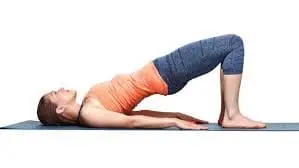
Your fingertips should be near your heels while you maintain your arms by your sides. To create a bridge-like alignment between your shoulders, hips, and knees, tighten your abdominal muscles and raise your hips. Lower your hips after holding this position for ten counts. Do three sets each day and repeat ten times.
Child’s Pose:
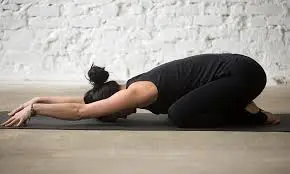
Breathe deeply and slowly into your abdomen while letting your hips and back relax. Put a pillow or rolled-up towel under your hips, chest, or forehead for support if your knees or hips are hurting. If kneeling is uncomfortable for you, lean forward in a chair and place your arms on your thighs. With your hands extended, lower your forehead and torso toward the floor while sitting back on your heels. Extend your arms in front of you or hold them at your sides.
Cat-Cow Stretch:
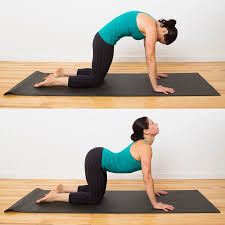
The Cat-Cow Stretch is a mild yoga stretch that alternates between rounds of the spine (Cat) and arches of the back (Cow). Better posture is encouraged, back and neck strain are released, and spinal flexibility is increased with this exercise. For those who have a modest backache, prolonged sitting, or lower back stiffness, it is extremely helpful. Breathing and movement in unison also aid in mental relaxation and stress reduction. Frequent practice improves core awareness, enhances spinal mobility, and promotes general spinal health.
Hip Flexor Stretch:
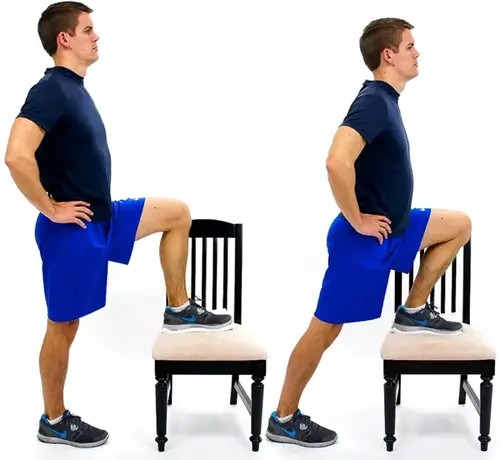
A good exercise for the frontal hip muscles, particularly the rectus femoris and iliopsoas, is the hip flexor stretch. Long-term sitters frequently have tight hip flexors, which can cause lower back pain, bad posture, and decreased mobility. In addition to promoting improved spinal alignment, this stretch helps increase hip flexibility and decrease stiffness. A stretch along the front of the hip and thigh can be felt by gently pulling the hips forward in a kneeling or lunging position. Frequent practice increases total lower body flexibility, improves walking and running mechanics, eases lower back stress, and increases mobility.
Supine Spinal Twist:
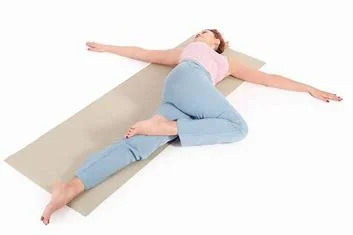
The easy lying-down Supine Spinal Twist stretch helps release tension in the lower back and increase spinal mobility. This posture involves lying on your back, bending one leg, and rotating it slowly across your body while maintaining a grounded shoulder position.
While encouraging relaxation, this exercise stretches the hips, glutes, and spine. Those who suffer from lower back stiffness, muscle tightness, or pain from extended sitting will find it very beneficial. Additionally, the twisting motion promotes improved posture, increases spinal health, and increases flexibility.
Conclusion:
A disorder called sciatica can impact your legs, buttocks, and lower back. Your spine’s pinched sciatic nerve is typically the source of the pain and suffering.
Despite the fact that sciatica pain might be painful, there are strategies to manage it. Stretching is the greatest way to cure sciatica since it keeps your spine healthy and lowers the chance of future flare-ups.
Pain might also be lessened by exercises that strengthen your core and lower body. Sciatica is an uncomfortable and painful condition that affects people of all ages.
Thankfully, there are steps you may take to improve your condition. Because it keeps your spine healthy and lessens the chance of future flare-ups, stretching is the greatest treatment for sciatica. Exercises that strengthen your core and lower body might also help reduce pain. In addition to stretching and exercising, you should consult a doctor who specializes in treating sciatica for the best therapy.
FAQs:
For sciatica, when should I see a doctor?
If the pain persists for more than a few weeks, gets worse, or is accompanied by increasing weakness, numbness, or trouble controlling bowel or bladder function, get medical help.
Can sciatic pain result from bad posture?
Indeed, bad posture can exacerbate symptoms by increasing pressure on the sciatic nerve, particularly while sitting for extended periods of time with a rounded lower back.
What should I stay away from if I have sciatica?
Avoid exercises that exacerbate leg pain or numbness, hard lifting, abrupt twisting motions, and extended sitting.
Can sciatic nerve pain be relieved by walking?
Yes, as long as it doesn’t worsen pain, gentle walking can promote healing, increase blood circulation, and lessen stiffness.
Should I exercise if I have severe sciatic pain?
Before exercising, you should see a healthcare provider if the pain is severe, getting worse, or accompanied by numbness, weakness, or loss of bladder/bowel control.
Which activities are most effective in relieving sciatic nerve pain?
Pelvic tilts, knee-to-chest stretches, piriformis stretches, cat-cow stretches, hamstring stretches, and nerve gliding activities are common beneficial workouts.
What is the recommended frequency of mobility exercises for sciatic pain?
Doing mild mobility exercises once or twice a day is usually safe. While consistency is important, movements should be controlled and pain-free.
Does sciatica actually benefit from daily mobility exercises?
In order to alleviate sciatic nerve pain over time, it is possible to lessen nerve compression, increase flexibility, ease muscle tension, and improve posture through mild daily mobility exercises.
Does sciatica actually benefit from daily mobility exercises?
In order to alleviate sciatic nerve pain over time, it is possible to lessen nerve compression, increase flexibility, ease muscle tension, and improve posture through mild daily mobility exercises.
What is sciatica pain?
An irritation or compression of the sciatic nerve results in sciatic nerve pain, often known as sciatica. Usually, the lower back sends pain, tingling, numbness, or weakness down through the legs and hips.
What are the sciatica warning signs?
Neurological impairment that worsens over time. Saddle anaesthesia. Bilateral radiculopathy with abrupt onset or unilateral radicular pain that develops into bilateral pain.
How will a physician treat sciatica pain?
To treat sciatic nerve pain without surgery, chiropractors, physical therapists, physiatrists, and pain management professionals manipulate the body and may use drugs to relax the muscles and lower inflammation.
Sciatica is caused by which vitamin deficiency?
Sciatic nerve pain is typically associated with a vitamin deficit, namely low levels of magnesium, vitamin D, or vitamin B12.
Could sciatica be permanently treated?
Although they don’t usually provide a permanent solution, they can greatly lessen pain. Surgery is usually not necessary to treat sciatica. Surgery is usually only performed in difficult situations.
References:
- Sciatica – Symptoms and causes. (n.d.). Mayo Clinic. https://www.mayoclinic.org/diseases-conditions/sciatica/symptoms-causes/syc-20377435
- Sciatica. (2026, February 11). Cleveland Clinic. https://my.clevelandclinic.org/health/diseases/12792-sciatica
- Sciatica – Causes & Treatment – OrthoInfo – AAOS. (n.d.). https://orthoinfo.aaos.org/en/diseases–conditions/sciatica/
- How to ease sciatic nerve Pain. (n.d.). WebMD. https://www.webmd.com/back-pain/ss/slideshow-how-to-ease-sciatic-nerve-pain
- Sciatica: MedlinePlus Medical Encyclopedia. (n.d.). https://medlineplus.gov/ency/article/000686.htm