H and I Test
What is a H and I Test?
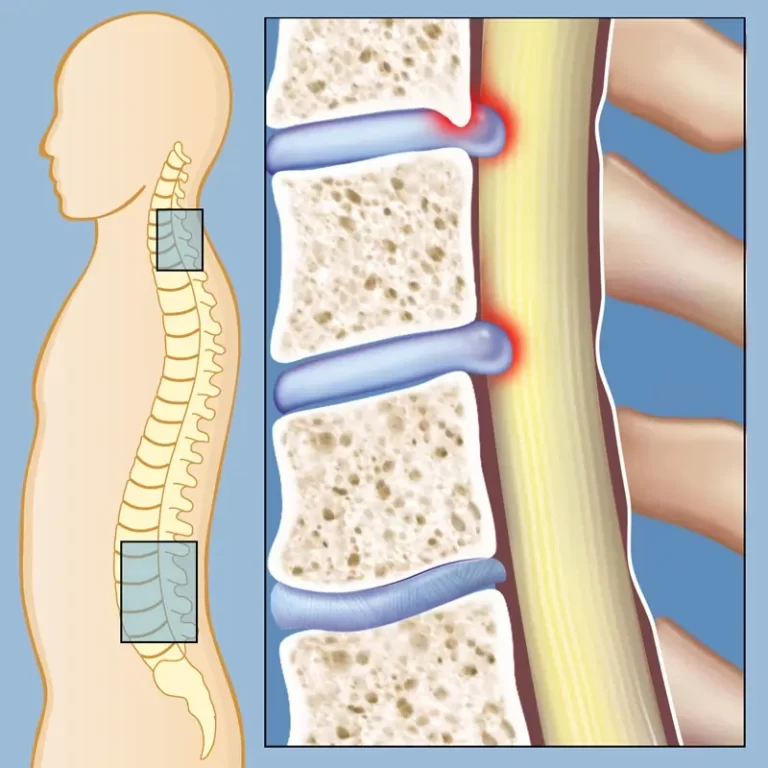
The H and I Stability Tests are clinical assessments used to identify lumbar spine instability, especially in patients presenting with low back pain. These tests help the therapist observe abnormal movement patterns, muscle spasms, and difficulty controlling the lumbar region during specific trunk motions. They are a key part of the physical examination to differentiate stable vs. unstable segments of the lower spine.
It is especially helpful in identifying problems with the lumbar facet joints, which may be the cause of pain in the lower back.
Overview
This H and I stability test is used to evaluate lumbar instability in the clinical environment.
When a patient reports back pain, the therapist performs these clinical tests.
During the examination portion of the evaluation, these H and I stability tests were used.
Objectives:
- This exam was created to assess lumbar spine muscle spasms.
- To assess the instability of the lumbar spine.
Purpose of the H and I stability tests:
- This test is used to assess lumbar spine muscular spasms.
- This test is also used to identify lumbar spine instability.
Procedure of the test:

- The H and I stability tests begin with the H movement.
- The patient is placed in their usual sleeping posture close to the center of the H.
- We start with the side that doesn’t pain.
- With the clinician’s help, the examiner has instructed the patient to stretch their lumbar side as far as possible (the side of H).
- After that, the patient is told to go into flexion (the front of the H) and then extension (the rear of the H).
- If flexion was more painful than extension, extension would be done first.
- The patient then goes back to neutral and does the same motions on the opposite side.
- The examiner can direct movement at the shoulder joint with one hand while stabilizing the pelvic with the other.
I movement: The second part of the exam consists of this maneuver.
- When the patient is standing in their normal resting position, they would be placed in the middle of the I.
- The initial tests are for painless flexibility and extension.
- Under the guidance of the physician [upper part of I], the patient is instructed to forward flex their lumbar spine until their hips start to move.
- Following a direction change, the patient is instructed to bend to the side that is pain-free first, then return to neutral and bend to the opposing side.
- After finishing the opposite movement and returning to neutral standing, the patient leans to the side.
- At least two of the motions would be restricted if there were hyper mobility.
- Once again, instability will affect one quadrant, but just one move.
- For example, when a patient with spondylolisthesis instability in anterior shear tries forward flexion, which is a component of forward flexion, shear or slide happens, and there is little movement during the attempted side bending/flexion.
- Since the shear occurs in the second phase, side bending is normal and the forward flexion that follows is complete if the H is performed.
- As a result, whereas the H movement is unrestricted in this situation, the I movement is.
- These H and I stability tests
- Although one of the motions could show indicators of instability if there is a loss of control, the test is primarily used to test for structural instability.
- The end range is usually normal in this case, but the loss of control occurs somewhere in the accessible ROM.
FAQs
What is the cause of lumbar instability?
Both people whose bodies are overworked and those who are more genetically prone to it may feel this. These degenerative problems are made better by poor posture, poor physical health, weak muscles, a sedentary lifestyle, extra body body weight, traumas, etc.
What is the lumbar instability special test?
An early notification sign of instability is the active flexion test.
The patient returns to the neutral position after bending as far forward as is practical. If the patient is unable to return to the neutral position, the test is considered successful. It’s a provocation test.
How can I determine if I have lumbar instability?
Magnetic resonance imaging (MRI) or motion X-rays that examine changes in spinal location during movement are frequently used to confirm lumbar segmental instability. Patients may complain of chronic low back pain, mobility instability, or activity-dependent symptoms.
References
Ladva, V. (2022, February 12). H and I stability tests: – Mobile Physiotherapy Clinic. Mobile Physiotherapy Clinic. https://mobilephysiotherapyclinic.in/h-and-i-stability-tests/