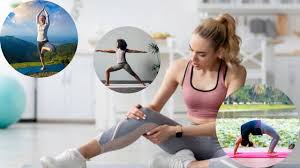
Top 7 Yoga Poses to Strengthen and Protect Your Knees
Introduction:
Maintaining mobility, balance, and general lower-body strength all depend on having healthy knees. Yoga offers mild yet effective techniques to improve knee health, whether you’re recovering from an old injury, have occasional stiffness, or just want to keep your joints strong.
Yoga helps ease knee joint pain by increasing alignment, strengthening surrounding muscles, and improving flexibility. Seven of the greatest yoga poses for long-term joint wellbeing are highlighted in this article. These poses are intended to protect your knees, increase circulation, and build stability.
Benefits of Yoga Poses to Strengthen and Protect Your Knees:
There are many practical and physical advantages to doing knee-healthy yoga poses. By strengthening the muscles that support the knee joint, such as the quadriceps, hamstrings, glutes, and calves, these exercises lessen the strain that daily activities place on the knees. Additionally, yoga increases hip and leg flexibility, which promotes improved alignment and more fluid movement patterns.
These postures improve joint stability, improve circulation to the knee region, lessen stiffness, and may help prevent injuries with consistent practice. All things considered, knee-focused yoga increases your comfort, resilience, and self-assurance.
Top 7 Yoga Poses to Strengthen and Protect Your Knees Video:
Yoga Poses to Strengthen Your Knees:
Tree Pose:
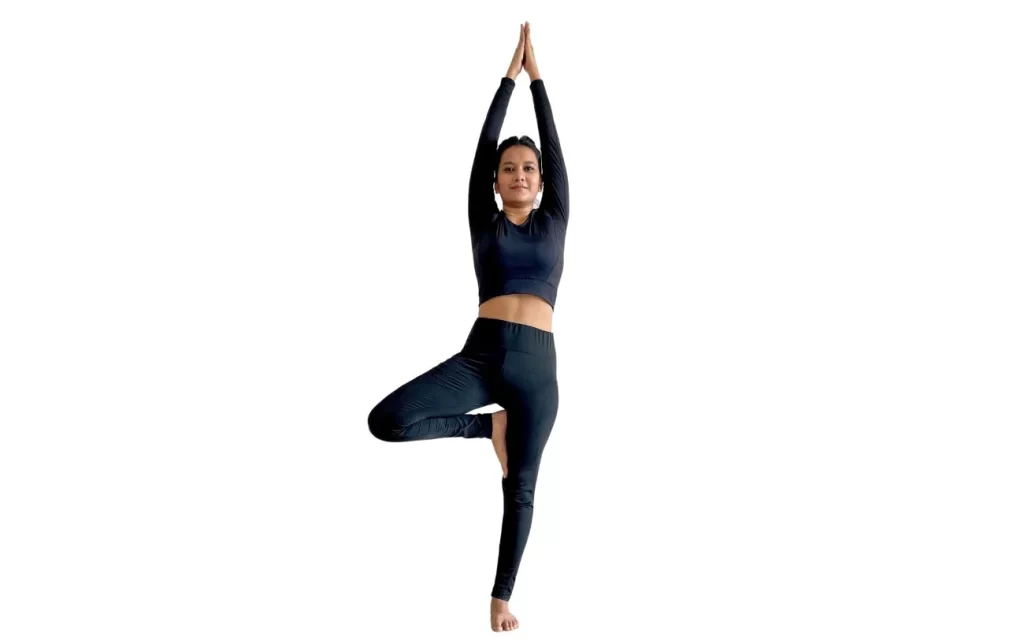
Tree Pose (Vrikshasana) is a balancing pose that works the thighs, calves, and hip stabilizers to develop the muscles around the knees. Your standing knee increases stability, and your raised leg increases hip mobility as you balance on one leg, both of which lead to improved knee alignment.
Additionally, this pose improves attention and core strength, which helps you maintain good posture and lessen joint strain. Tree Pose strengthens the lower body, promotes stronger, healthier knees, and enhances balance with consistent practice.
Bridge Pose:
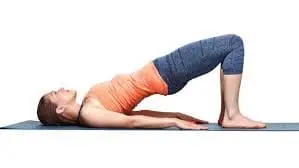
One of the best yoga poses for strengthening the muscles that support and shield your knees is Bridge Pose (Setu Bandhasana). The lower back, hamstrings, and glutes all work together to increase lower-body stability as you raise your hips. Walking, standing, and exercising put less strain on the knee joints when the glutes and hamstrings are strong.
Additionally, by opening the hip flexors, this pose can enhance alignment and lessen knee pain caused by tight hips. Regular Bridge Pose practice improves circulation, muscle balance, knee function, and leg strength.
Low Lunge:
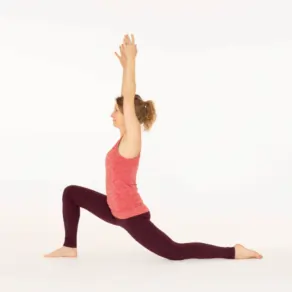
Anjaneyasana, or low lunge, is a potent position that helps stretch and strengthen the muscles that directly support your knees. The rear leg receives a deep stretch in the hip flexors and thighs as you descend into the lunge, while the front leg works to strengthen the quadriceps and glutes. Strength and flexibility work together to increase lower-body stability, lessen joint pressure, and improve knee alignment.
Additionally, low lunge improves hip mobility, which is crucial in avoiding knee pain caused by tense or unbalanced muscles. This pose encourages healthier, more resilient knees, improved balance, and smoother mobility with regular practice.
Warrior 2 (Virabhadrasana II):
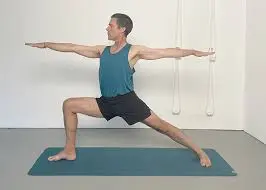
Virabhadrasana II, or Warrior 2, is a strong standing posture that strengthens and stabilizes the muscles around your knees. The quadriceps, hamstrings, and glutes fully contract as you bend your front knee and ground through both legs, supporting and shielding the knee joint. By teaching the knee to track over the toes securely, this pose also improves hip mobility and promotes appropriate knee alignment.
By strengthening the inner and outer thighs, the broad stance lessens the strain that daily movements place on the knees. Regular practice of Warrior 2 promotes healthier, more stable knees, increases lower-body endurance, and enhances balance.
Chair Pose:
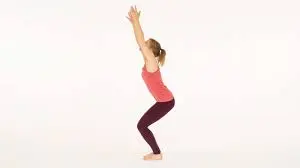
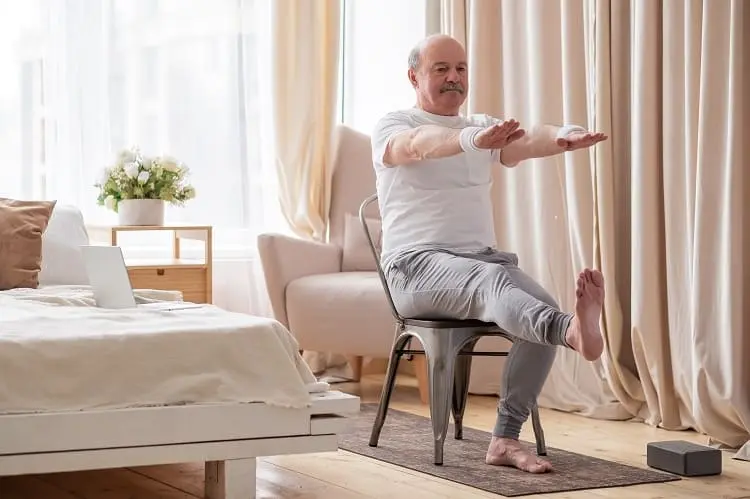
Chair Pose, also known as Utkatasana, is a great way to strengthen the main muscles that support your knees. The quadriceps, hamstrings, and glutes contract when you lower your hips back as though you were sitting in a chair, protecting and stabilizing the knee joints. By keeping your knees over your ankles rather than sinking inward, this position also strengthens your core and enhances your balance.
Chair Pose improves joint stability, increases lower body endurance, and strengthens the muscles required for daily tasks like walking, climbing stairs, and standing up. It encourages improved posture and long-term knee resilience when done regularly.
Hand to Big Toe Pose:

Hand to Big Toe Pose (Utthita Hasta Padangusthasana) is a concentrated balance pose that increases leg flexibility and strengthens the muscles surrounding the knees. The supporting knee engages your quadriceps, hamstrings, calves, and hip stabilizers while you stand on one leg. The inner thighs and hamstrings of the extended leg are deeply stretched, which increases range of motion and eases tension that could strain the knee joint.
Additionally, this pose improves balance and core strength, which helps with alignment and lowers the chance of knee pain. Regular practice of the Hand to Big Toe Pose promotes knee alignment, strength, and flexibility.
Warrior 1 (Virabhadrasana I):
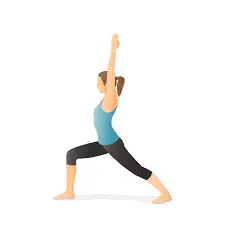
Warrior 1 (Virabhadrasana I) is a strong standing posture that enhances lower-body stability and develops the muscles that support your knees. The quadriceps, hamstrings, and glutes contract to help stabilize the knee joint when you bend your front knee and firmly ground through both legs. Deep stretching of the back leg opens the calves and hip flexors, improving alignment and relieving strain on the knees.
Additionally, by keeping the front knee in alignment over the ankle, this pose promotes conscious knee tracking. Warrior 1 promotes stronger, healthier knees, increases hip mobility, strengthens leg endurance, and improves balance with regular exercise.
Conclusion:
One of the best ways to promote long-term joint health is to practice yoga to strengthen and protect your knees. These poses improve lower-body function and lessen knee strain by combining muscle activation, flexibility, alignment, and balance. When used regularly, they improve stability, reduce pain, and guard against further injuries.
Including these yoga postures in your routine will help you move with more ease, strength, and confidence every day, whether you’re healing from previous problems or preserving knee health.
FAQs:
What can I drink to make my knees stronger?
When it comes to its advantages for people with arthritis, tea is one of the most researched beverages. Polyphenols, which are substances derived from plants with potent anti-inflammatory properties, are abundant in green, black, and white teas. Green and white teas have the largest concentrations of polyphenols.
What foods make your knees more greasy?
Focus on eating a diet high in antioxidant-rich fruits and vegetables (like berries, spinach, and broccoli), healthy fats (like salmon, almonds, and avocados), omega-3s (from fatty fish, flaxseeds, and walnuts), and hydrating meals to improve knee lubrication. Maintaining proper hydration and controlling weight are also crucial because being overweight can put more strain on joints.
For knee pain, what is the ideal sleeping position?
To preserve alignment and lessen pressure, the ideal sleeping positions for knee pain are on your back with a pillow beneath your knees or on your side with a pillow between your knees. Avoid of sleeping on your stomach as this can strain your back and knees.
What kind of vitamin deficit results in knee pain?
Because vitamin D deficiency weakens bones and joints and may increase pain sensitivity, it can worsen knee pain. Joint and muscular pain may also be associated with other deficits, such as those in magnesium and vitamin K2. Symptoms can be controlled by addressing these deficiencies with a healthy diet, sun exposure, and, if advised by a physician, supplements.
How can knees be strengthened after the age of fifty?
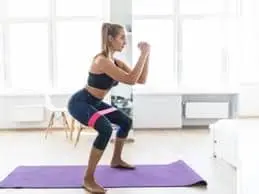
Place your feet forward and your knees shoulder-width apart. As if you were going to sit in a chair, slowly bend your knees, then slowly straighten them again. After ten repetitions, take a break. You can change the depth at which you bend your knees to get a little, painless strain.
Which vitamin is best for knee joints?
Sufficient levels of calcium and vitamin D can help strengthen joints overall, particularly when osteoarthritis affects the bones. Turmeric/Curcumin: Known for its anti-inflammatory qualities, curcumin, the active ingredient in turmeric, may help ease pain and stiffness in osteoarthritis-affected joints.
How can knee joints be organically lubricated?
Stay active with low-impact activities (walking, swimming) to increase synovial fluid, drink plenty of water, and eat anti-inflammatory foods high in omega-3 fatty acids (fish, nuts, olive oil) and vitamin C (peppers, citrus) to support collagen, lower inflammation, and strengthen surrounding muscles for better joint support to naturally lubricate your knees.
After doing yoga, why do my knees hurt?
Your knee is further stretched when you fold forward due to the inclination of your pelvis. Your knee joint may experience excessive shear pressure if it is misaligned. When you bend forward, the knee joint may twist as a result of the lower leg ceasing its external rotation due to a contracted foot.
How can knee pain be treated most quickly?
The RICE approach (Rest, Ice, Compression, Elevation), using over-the-counter NSAIDs (ibuprofen/naproxen) for pain and swelling, and avoiding aggravating activities, is often the quickest way to cure acute knee pain. While mild activities like leg lifts and hip bridges help enhance mobility and support the joint, applying cold packs (15 minutes on, 45 minutes off) can provide rapid, targeted relief. However, always pay attention to your body and consult a physician if you experience chronic or severe pain.
Is vajrasana harmful to the knees?
Vajrasana is not harmful to the knees and can even be helpful, but it may be detrimental to people who already have knee issues, injuries, or restricted mobility. It’s important to pay attention to your body and see a professional before practicing if you have any concerns, because the posture might put pressure on the knee joints. When done correctly, Vajrasana can help improve the strength and flexibility of the knee and ankle joints for healthy knees.
Can knee strength be achieved through yoga?
According to research, yoga helps by focusing on important muscles like the hamstrings (back thigh), quadriceps (front thigh), and calf muscles. The knee is stabilized, shock is absorbed, and joint strain is reduced by strengthening and stretching these areas.
How can you keep your knees safe when doing yoga?
Try this easy support if deep flexion positions (like Pigeon, Head-to-Knee, or Hero’s Pose) cause your knees to strain: Before you bend, roll up a small towel or even a sock and lay it in the crease behind your knee.
Which yoga pose is best for knees?
These could include kneeling stretches like Screaming Toe and Half-Reclining Hero. In positions like Low Lunge and Half Monkey, where one or both knees are bearing your weight, it could also be beneficial to place a blanket beneath your knees.
References:
- Pizer, A. P. (2023, September 27). 10 yoga poses to strengthen your knees. Liforme. https://liforme.com/blogs/blog/10-yoga-poses-to-strengthen-your-knees
- TIMESOFINDIA.COM. (2023, January 15). 8 Yoga poses to strengthen your knees. The Times of India. https://timesofindia.indiatimes.com/life-style/health-fitness/fitness/8-yoga-poses-to-strengthen-your-knees/photostory/96972558.cms
- Lamoreux, K. (2025, June 18). Yoga for knee pain: Benefits and more. https://www.medicalnewstoday.com/articles/yoga-for-knee-pain
- Yoga therapy for your knees. (2013, September 25). https://yogainternational.com/article/view/yoga-therapy-for-your-knees1/?srsltid=AfmBOopmOSaN0mm2rnDwQ0QXClB61PSFTUTKIWyqVMvZ8-N7Ku0D5M5j
- Insurance, D. G. (n.d.). 15 Kneeling yoga asanas & poses to improve knee strength. Digit Insurance. https://www.godigit.com/healthy-living/kneeling-yoga-poses-benefits
- Dailymotion. (n.d.). https://www.dailymotion.com/video/x9blfao