
11 Must-Try Workouts for Gaining Weight and Muscle Mass
Introduction:
It takes more than simply consuming more calories to have a stronger, more muscular body; it also requires an intelligent, well-planned exercise regimen that promotes muscle building.
Workouts that are essential for developing weight and muscle mass emphasize compound exercises that work several muscle groups simultaneously, progressive overload, and targeted strength training.
The correct exercise regimen may optimize your gains and expedite your progress safely and efficiently, regardless of whether you’re naturally thin, have trouble gaining weight, or just want to develop a more robust body.
Benefits of Workouts for Gaining Weight and Muscle Mass:
There are both practical and physical advantages to exercises that help you gain weight and muscular mass. Through increased resistance and progressive stress, they build overall strength, enabling your muscles to get thicker and stronger.
Additionally, by improving metabolism, these exercises help your body use nutrients more effectively to promote muscle growth and repair. Frequent strength exercise lowers the chance of injury by enhancing posture, joint stability, and bone density.
Gaining lean muscle mass also improves body shape, boosts vitality, and supports improved athletic performance, which makes daily tasks simpler and more effective. All things considered, these exercises help you develop a stronger, healthier, and more self-assured body.
11 Must-Try Workouts for Gaining Weight and Muscle Mass Video:
Must-Try Workouts for Gaining Weight and Muscle Mass:
Squats:
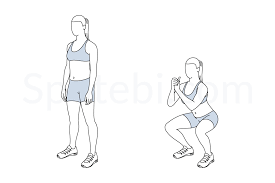
Because they work several major muscular groups at once, including the quadriceps, hamstrings, glutes, and core, squats are among the most important exercises for gaining weight and developing muscle mass.
This full-body engagement produces a potent anabolic response that promotes muscle growth and makes it easier for you to gain bulk. Squats are a complex exercise that increases overall strength, stability, and functional power, which facilitates daily tasks and enhances performance in other workouts.
Squats contribute to healthy weight gain by increasing lower-body muscle mass, improving joint mobility, and increasing hormone production when done with good form and progressive loading. Squats are still a fundamental exercise for anyone trying to develop a stronger, more muscular body, regardless of whether they are performed with bodyweight, dumbbells, or a barbell.
Deadlifts:
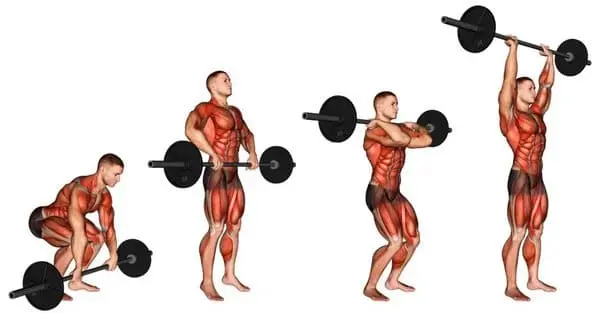
Deadlifts are perfect for increasing weight and muscular mass since they are a very powerful strength-building exercise that works several main muscle groups simultaneously. Your hamstrings, glutes, lower back, core, and even upper body muscles, like the traps and forearms, are all worked by this strong complex exercise.
Deadlifts produce extreme mechanical strain by lifting large weights off the ground, which is one of the most potent stimulants for muscle growth. Along with boosting hormone production that promotes muscular growth, they also enhance general strength, stability, and posture. Including deadlifts in your workout speeds your overall mass gain and helps you develop a stronger, thicker frame.
Bench Press:
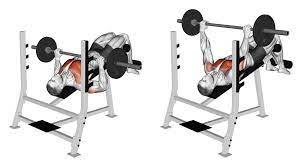
One of the best upper-body strength workouts for increasing muscle mass and weight gain is the bench press. This combination exercise helps you build a stronger, wider upper body by working the shoulders, triceps, and chest muscles (pectorals).
The bench press increases overall pushing strength and encourages significant muscular development since it lets you lift larger weights than many other chest exercises. It is an essential workout for anyone looking to gain strength and size because it also develops muscle coordination and upper-body stability.
The bench press helps develop strong arms, a well-balanced body, and large chest muscles when done regularly with progressive overload.
Pull-Ups:
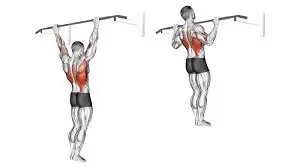
Pull-Ups are an effective upper-body workout that can significantly increase muscular mass, particularly in the arms, shoulders, and back. One of the best workouts for building a broad, strong V-shaped torso is this bodyweight compound exercise, which works the latissimus dorsi, biceps, upper back, and core.
Pull-ups boost overall strength and promote powerful hypertrophy by simultaneously challenging several muscular groups. They also increase grip strength, stability, and functional fitness because they require you to lift your entire body weight.
Pull-ups encourage quicker muscular growth, improve posture, and contribute to a healthy, well-developed upper body when performed consistently with correct form and increasing repetitions over time.
Overhead Press:
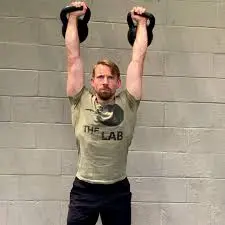
The overhead press is a great strength-building exercise that works the shoulders, upper chest, and triceps, making it a great way to gain weight and build upper body muscle. The deltoids are the main muscles used in this compound exercise, but the core and stabilizer muscles are also used to keep your balance as you press the weight above.
The overhead press develops strong shoulders, boosts upper-body strength, and improves the general functional strength required for everyday tasks and sports performance. A more muscular and balanced body is achieved by gradually raising the weight, which also promotes muscle growth and increases stability in the upper back and core.
Lunges:
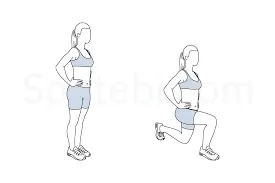
A great lower-body exercise for increasing muscle mass, strength, and stability is the lunge. In addition to working the quadriceps, hamstrings, glutes, and calves, this dynamic exercise engages the core for balance. Lunges improve total lower-body symmetry and help correct muscular imbalances by working each leg separately.
Stepping sideways, forward, or backward puts your muscles through a full range of motion, which encourages functional strength and hypertrophy. By activating several muscle groups, improving coordination, and boosting lower-body power—all of which contribute to developing a stronger and more athletic physique—incorporating lunges into your program promotes healthy weight gain.
Bent Over Rows:
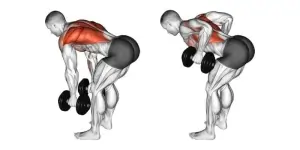
An important strength-training exercise that helps develop substantial muscle development in the upper and mid-back is the bent-over row. Pulling the weight in the direction of your torso activates several big muscle groups, resulting in significant mechanical tension that promotes healthy weight gain and muscle development.
Bent over rows help to build a thicker, stronger back, better posture, and increased pulling strength. This exercise improves general strength and helps develop a balanced upper body when done regularly with correct form and progressive overload.
Push-Ups:
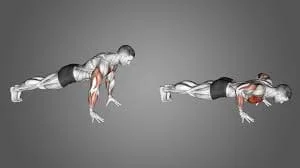
A flexible and efficient bodyweight exercise, push-ups assist in developing muscle mass in the triceps, core, shoulders, and chest. Using your own body weight as resistance, this traditional exercise creates adequate tension to promote upper-body strength and muscle growth, especially when done correctly and with increasing repetitions over time.
Push-ups are a great complement to any muscle-building regimen since they strengthen the core, increase functional strength, and improve shoulder stability. Variations like incline, decline, or diamond push-ups allow you to gradually stress the muscles, promoting healthy weight gain and building a stronger, more developed upper body regardless of your level of experience.
Bicep Curls:
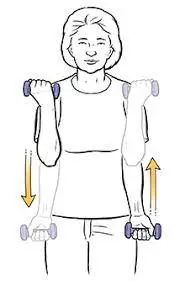
One of the best isolation exercises for increasing upper arm power and muscle mass is the bicep curl. This targeted exercise helps you build stronger, bigger arms with better definition by specifically targeting the biceps brachii. Bicep curls produce steady tension by raising weights across a regulated range of motion, which is crucial for promoting muscular development.
Additionally, they encourage improved performance in compound pulling workouts like pull-ups and rows by strengthening the grip. Dumbbells, barbells, or resistance bands can be used to do bicep curls with appropriate form and progressive loading, which can increase arm size, enhance muscle symmetry, and contribute to a more muscular and balanced physique.
Tricep Dips:
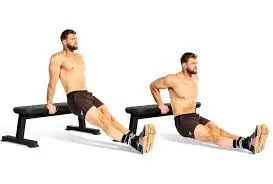
A strong bodyweight exercise that works the shoulders, chest, and core in addition to the triceps is the tricep dip. This exercise is perfect for growing arm strength and muscular growth since it produces a lot of strain in the rear of the upper arms. Tricep dips test the muscles’ whole range of motion by lowering and raising your body with parallel bars, a bench, or a stable platform. This promotes hypertrophy and better upper-body control.
Additionally, they encourage improved performance in pressing activities like bench presses and push-ups, and improve shoulder stability. Tricep dips assist in building stronger, thicker triceps and contribute to an overall more muscular and balanced upper body when performed consistently with correct form and gradually increased resistance.
Renegade Rows:
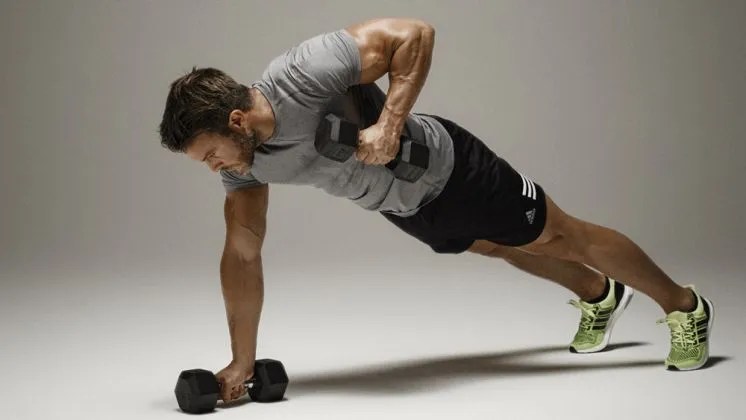
Renegade Rows are a great full-body strength exercise for increasing muscle growth and general functional strength because they mix back training with core stability. In order to maintain your body’s stability in a plank posture, this dynamic exercise works the lats, rhomboids, traps, biceps, and shoulders while also activating the abdomen, obliques, and lower back. Renegade rows produce strong tension across several muscular groups by rowing dumbbells while keeping good alignment, which encourages hypertrophy and better balance.
Additionally, compared to typical rows, they strengthen the core, improve coordination, and boost upper-body pulling strength. Regularly adding renegade rows to your regimen promotes healthy weight growth and muscular development by strengthening your upper body, tightening your core, and strengthening your back.
Conclusion:
One of the best ways to change your body and increase your general strength is to incorporate must-try exercises for gaining weight and muscle mass. You can create the perfect environment for muscular growth by combining focused workouts like bicep curls, tricep dips, and renegade rows with powerful compound activities like squats, deadlifts, bench presses, and pull-ups.
By using several major muscle groups, these workouts promote healthy weight gain, increase stability, promote hypertrophy, and improve posture. You may gradually develop a stronger, more muscular body and increase your confidence with regular training, good form, and progressive overload.
FAQs:
Which body part is the easiest to gain muscle in?
The chest, arms (biceps/triceps), and quadriceps are frequently the easiest muscles for novices to develop since they respond well to initial training, common exercises, and immediate, noticeable results, making them inspiring. Due to their extensive use in several complex motions, muscles like the latissimus dorsi (lats) and traps (trapezius) also have a tendency to grow somewhat quickly.
Is getting enough sleep essential for building muscle?
Indeed, sleep is essential for building stronger, larger muscles because it serves as the primary recovery phase during which your body repairs damaged muscles, synthesizes protein, and releases Human Growth Hormone (HGH). Without enough sleep, protein synthesis slows, muscle breakdown increases, and recovery is hampered, which directly affects gains and may result in injury.
How do expanding muscles feel?
It’s normal to feel larger or puffier, and this is probably an indication that your muscle fibers are expanding. Particularly if you are just beginning strength training, lifting weights increases the amount of fluid in your muscles, giving you that post-weight-training pump.
Which muscles develop the quickest?
The largest muscle groups, such as the back (latissimus dorsi and trapezius), chest (pectoralis major), and legs (glutes, quadriceps, and hamstrings), are usually the ones that grow the fastest. Because these muscles are often used and may be overloaded with big weights through complex exercises, they respond well to training.
What would happen if I had eggs for breakfast every day?
Eating eggs every day offers high-quality protein, vitamins (such as B12, D, and A), minerals (such as selenium, choline, and iron), and antioxidants (such as lutein and zeaxanthin) that improve energy, fullness, muscle, brain function, and eye health. Eating eggs is generally safe for most people, though those who have heart issues should check their cholesterol and see a doctor. It can help with weight control and is associated with improved metabolic health, but balance is important, and if you have any pre-existing issues, it’s best to speak with a healthcare professional.
When is the optimum time to consume eggs if you want to grow muscle?
Even while muscles normally regenerate, protein, along with carbohydrates and water, is required for optimal effects within the first hour following exercise. Therefore, you should combine a source of carbohydrates with foods high in protein, like eggs, milk, or chicken, for your post-workout meals.
What should I consume to increase muscle before bed?
A faster rate of muscle synthesis may be stimulated by consuming whey or casein protein drinks before bed, according to research. When combined with an early-morning workout regimen, these advantages might be much more noticeable. There are several different protein powders available at most health food stores.
What fruit develops muscle?
Bananas, berries, and avocados are some of the finest fruits for building muscle since they are high in energy, antioxidants, and good fats. Avocados supply minerals and good fats, berries like blueberries and strawberries aid in healing by lowering inflammation, and bananas deliver fast carbohydrates and potassium. Other healthy fruits are pineapple for its bromelain enzyme and vitamin C, which promotes muscular recovery, and watermelon for its citrulline and hydration.
Which is preferable: eating or drinking protein?
A typical adult requires between 46 and 56 grams of protein per day, according to the Dietary Guidelines for Americans. Your weight and general health will determine this quantity. You probably don’t need to add extra protein through protein shakes or other sources as long as you’re eating a nutritious diet.
How much time does it take to notice muscle growth?
After beginning a strength training program, most people typically anticipate noticeable muscle gain within four to six months. However, the precise time frame for gaining muscle can differ greatly based on the previously mentioned factors.
Can I gain muscle with just three eggs a day?
Eggs are a great choice if you’re underweight and attempting to enhance your calorie intake. You can safely eat two to three eggs a day because they are high in protein and include important fats from the yolk. Eggs can also enhance overall body composition and muscular mass.
What should you consume each day to build muscle?
The greatest foods for growing muscle are rich in complex carbohydrates, healthy fats, and protein. Beans, whole grains, nuts and seeds, and lean meats and fish are a few examples. Vitamins, minerals, and antioxidants found in fresh fruits and vegetables are also crucial for muscle growth and recuperation.
At what age is it most difficult to grow muscle?
Your body is beginning to develop sarcopenia by the time you reach 40. Actually, studies reveal that after age 30, muscle mass declines by about 3 to 8 percent every ten years.
Is it possible for someone who is really thin to grow muscle?
People with naturally lean bodies, commonly referred to as ectomorphs, may find it more difficult to gain significant muscle mass, but it is possible with the correct exercise, diet, and recuperation.
Which workout is most effective for building muscle?
Numerous workouts can be performed with little to no equipment. Try lunges, squats, planks, pushups, and pullups—tube with resistance.
References:
- Jewell, T. (2019, June 24). How to exercise to bulk up and shape your body. Healthline. https://www.healthline.com/health/exercise-to-gain-weight
- The best gym workout plan for gaining muscle. (2023, November 15). PureGym. https://www.puregym.com/blog/the-best-gym-workout-plan-for-gaining-muscle/
- Gofitdev25adm. (2025, July 14). Best Workouts to Increase Muscle Mass & Gain Weight. Gofit Gym – Fuss Free Fitness. https://www.gofit-gym.com/best-workouts-muscle-mass-weight-gain/
- Neudecker, K. (2025, January 27). The best compound exercises to supersize your muscle and strength gains. Men’s Health. https://www.menshealth.com/uk/building-muscle/a44561383/compound-exercises/
- Department of Health & Human Services. (n.d.). Weight and muscle gain. Better Health Channel. https://www.betterhealth.vic.gov.au/health/healthyliving/weight-and-muscle-gain
- Leonard, J. (2025, August 1). How to build muscle with exercise. https://www.medicalnewstoday.com/articles/319151