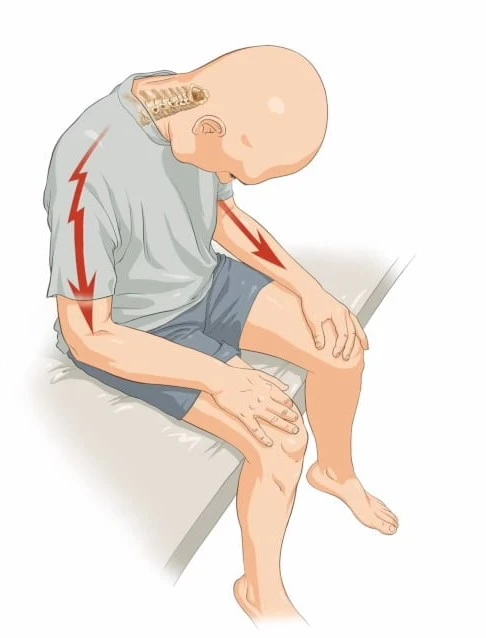
How to Fix Your Back Pain?
Introduction:
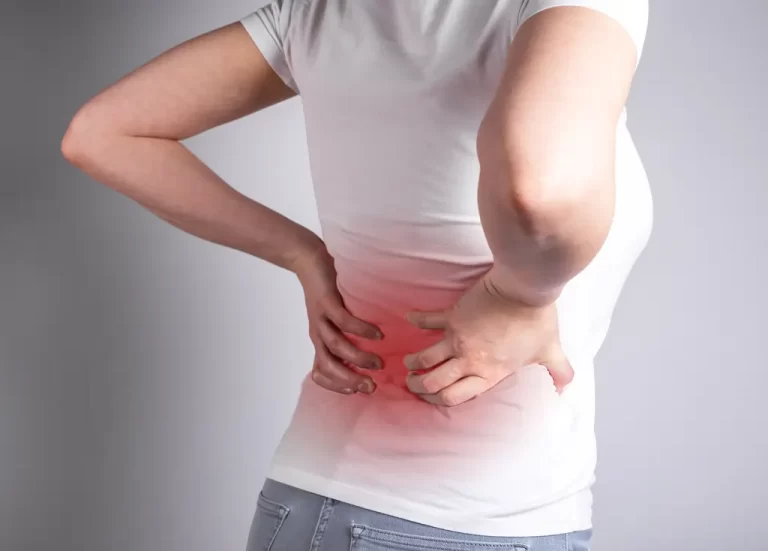
One of the most prevalent health problems affecting people of all ages is back pain, which is frequently caused by bad posture, weak muscles, prolonged sitting, or unexpected strain. While it can be frustrating and restrictive, most back pain can be effectively controlled with simple home-based exercises, stretches, and lifestyle adjustments.
Reducing stiffness, increasing mobility, and promoting long-term spinal health can all be achieved by identifying the underlying cause and using the appropriate procedures. This article will bring you through effective, safe, and practical strategies to heal your back pain organically.
Benefits of Fix Your Back Pain:
Fixing your back pain through regular exercises and good movement habits will considerably enhance your overall quality of life. In addition to lessening pain, treating the underlying causes—such as muscular weakness, tension, and bad posture—also improves spinal alignment and stability.
Regular practice improves blood circulation to the affected areas, strengthens the back and core muscles, and increases flexibility. As pain lessens, your everyday tasks become simpler, your posture improves, and you feel higher energy levels and mobility.
Furthermore, treating back pain organically lessens the need for prescription drugs and the likelihood of developing chronic problems down the road.
How to Fix Your Back Pain Video:
Exercises to Fix Your Back Pain:
Cat-Cow Stretch:
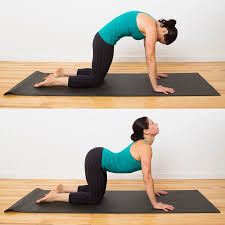
The cat-cow stretch is a soft, flowing exercise that eases back strain and increases spine flexibility. With your knees behind your hips and your wrists beneath your shoulders, begin on your hands and knees. As you inhale, sink your belly toward the floor, lift your chest, and gently arch your back into the cow position.
As you exhale, round your spine upward, tuck your chin toward your chest, and engage your core to go into the cat position. Continue to smoothly and slowly switch between these two motions. This stretch helps loosen tight back muscles, enhances mobility in the spine, and boosts circulation, making it great for alleviating stiffness and lowering general back pain.
Child’s Pose:
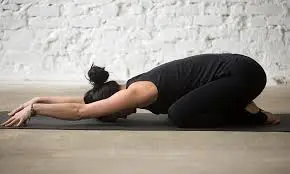
Child’s pose is a mild resting stretch that calms your entire body and helps you relax your hips, spine, and lower back. To perform it, kneel on the floor with your big toes touching and your knees slightly apart.
Slowly drop your torso forward while sitting back on your heels. As your forehead descends toward the floor, reach your arms straight ahead. Let your chest descend between your thighs and allow your shoulders, neck, and back to totally relax.
As you hold the pose, take deep breaths and feel your hips and lower back stretch. This pose is great for relieving back pain because it releases stored tension, eases stiffness, and encourages deep relaxation.
Bridge Pose:
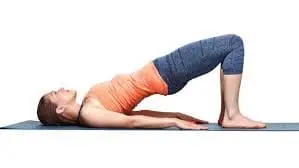
Bridge posture is a great exercise for strengthening your lower back, glutes, and core while increasing spinal stability. Using your glutes and core, slowly raise your hips toward the ceiling while pressing through your heels to create a straight line from your shoulders to your knees.
Gently drop your hips back down after holding for a few seconds while breathing steadily. This pose helps stabilize the spine, relieves lower back stiffness, and improves general posture by increasing strength in the muscles that protect your back.
Bird Dog Exercise:
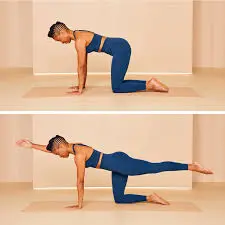
The bird dog exercise is a powerful movement for increasing core stability, strengthening the lower back, and enhancing balance. Place your knees behind your hips and your wrists beneath your shoulders to begin on your hands and knees.
Stretch your left leg straight back while keeping both parallel to the floor, then slowly extend your right arm forward while using your core. Keeping your spine neutral, hold for a little while before switching sides and going back to the beginning position.
To prevent twisting your hips, move slowly and deliberately. This exercise helps create strong, supportive muscles surrounding the spine, relieves back pain, and promotes improved posture and stability during regular tasks.
Straight Leg Raises:
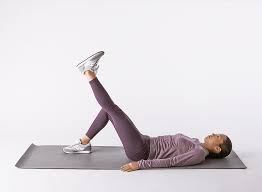
Straight leg lifts can enhance stability and lessen pain by strengthening the lower abdominal muscles and supporting the lower back. Lie flat on your back with one leg bent and the other straight to perform this exercise.
After tightening your core muscles, carefully raise the straight leg to a 45-degree angle while maintaining its straightness and control. After a brief moment of holding it at the top, carefully lower it back down without allowing it to touch the floor fully. Repeat on both sides.
This exercise helps build strength in the muscles that support your spine, promotes pelvic stability, and decreases strain on the lower back during regular activities.
Conclusion:
One of the best and most natural ways to improve posture, lessen pain, and increase general mobility is to straighten your spine through exercise. You may help realign your spine, support your back muscles, and maintain long-term spinal health by regularly performing stretches and strengthening exercises, including Child’s Pose, Cat-Cow, Cobra, Superman, Bird Dog, Planks, and Bridge Pose.
With attention and appropriate form, these exercises can make a major difference in how you stand, move, and feel each day.
FAQs
How do you sleep when you have back pain?
To sleep with back pain, consider lying on your back with a pillow under your knees, or on your side with a pillow between your knees, to help align your spine. Another way to lessen strain when sleeping on your stomach is to place a pillow beneath your hips and lower abdomen. The secret is to support your back’s natural curvature and keep your spine in a neutral position.
Which three factors are the primary causes of back pain?
An injury such as a pulled muscle (strain) is a typical cause of back pain. Back pain can occasionally be caused by illnesses such as ankylosing spondylitis, sciatica (a trapped nerve), or slipped discs. Rarely, back pain may indicate a serious issue, such as an infection, cancer, or a fractured bone.
When does back pain become serious?
If back pain is accompanied by symptoms like loss of bladder or bowel control, numbness or weakness in the legs, or a history of cancer, it is deemed significant and has to be treated very carefully. You should also contact a doctor for pain that follows a major injury, is severe enough to wake you from sleep, or lingers for more than a few weeks.
Can back pain be caused by dehydration?
Since the spinal discs, which are made up of roughly 75% water and serve as shock absorbers, are affected by dehydration, dehydration can indeed result in back pain. When dehydrated, these discs lose fluid, become less effective in cushioning the spine, and can lead to increased pressure, friction, and pain. Lack of fluids can also result in back muscle cramps and spasms.
What should not be done if you have back pain?
You should stay away from hard lifting, twisting your back, and extended periods of rest if you have back pain. Instead, keep as active as your pain allows by gradually increasing mild activity like walking, and adopt excellent posture when standing, sitting, and lifting.
How can one determine whether back pain is caused by a disc or a muscle?
But you might be guided by some indicators. Muscle strain pain is usually localized to the affected area and tends to improve with rest. Conversely, herniated disc pain frequently spreads to the arms or legs and can get worse when you sit, cough, or sneeze.
What beverage relieves back pain?
Green tea
There’s a reason green tea is regarded as one of the healthiest liquids. It contains polyphenols (including epigallocatechin gallate) and antioxidants that help reduce inflammation. Another tactic to assist in controlling back pain is weight management, which green tea can help with.
Why does my back hurt so much?
In addition to illnesses like arthritis, disk difficulties, or even internal problems like kidney stones or, in rare circumstances, infections, severe back pain is frequently caused by musculoskeletal disorders such as muscle sprains and strains from incorrect lifting or bad posture. The severity of the pain might arise from a recent accident or a long-term, degenerative issue, and some lifestyle factors, like inactivity and excess weight, can contribute to or worsen it.
How can you manage lower back pain?
To take care of lower back pain, utilize heat and cold therapy, over-the-counter pain medicines, and stay active with light workouts like walking after the initial 48 hours of rest. Maintain good posture, use proper lifting techniques, and sleep in a position that supports the natural curvature of your back, such as lying on your side with a pillow between your knees.
How can back pain be naturally treated?
Strengthening exercises like yoga, heat and cold therapy, posture correction, and massage therapy are examples of natural treatments for back pain. You can also try natural therapies such as ginger and turmeric, explore lifestyle adjustments, and ensure you receive enough quality sleep.
What is the fastest technique to heal back pain?
Use heat or ice therapy, stretch gently, and think about using topical creams or over-the-counter pain medicines to reduce back pain quickly. Gentle activity like walking is also helpful, while avoiding prolonged bed rest and activities that increase the pain.
How can back pain be relieved?
To treat back pain, stay active with simple workouts like walking or swimming, and stretch regularly. Apply heat and cold, improve your posture, and maintain a healthy weight to lessen tension on your back. For severe or chronic pain, it’s preferable to see a doctor; however, over-the-counter medications may also be helpful.
References:
- Back exercises in 15 minutes a day. (n.d.-d). Mayo Clinic. https://www.mayoclinic.org/healthy-lifestyle/adult-health/in-depth/back-pain/art-20546859
- 8 tips to help ease your back pain | Cultivating Health. (2025, August 24). cultivating-health. https://health.ucdavis.edu/blog/cultivating-health/8-tips-to-help-ease-your-back-pain/2022/06
- Ways to Relieve Back Pain. (n.d.). WebMD. https://www.webmd.com/pain-management/ss/slideshow-relieving-back-pain
- Lower back pain. (2025, June 2). Cleveland Clinic. https://my.clevelandclinic.org/health/diseases/7936-lower-back-pain
- Berry, J. (2024b, January 24). Home remedies for fast back pain relief. https://www.medicalnewstoday.com/articles/322582