Full Body Mobility Exercises
Introduction:
The goal of full-body mobility exercises is to increase your body’s overall range of motion and flexibility. These exercises improve overall body coordination, increase joint range of motion, and relieve muscle tension. Frequent mobility training helps improve posture, ease tense muscles, and reduce the risk of injury during everyday tasks and exercise.
Full-body mobility exercises train your body for better performance, balance, and comfort in daily movements by combining basic movements that target the shoulders, hips, spine, and legs. They are simple to perform at home without any equipment and are appropriate for people of all fitness levels.
Full Body Mobility Exercises:
Full Body Mobility Exercises:
World’s Greatest Stretch:
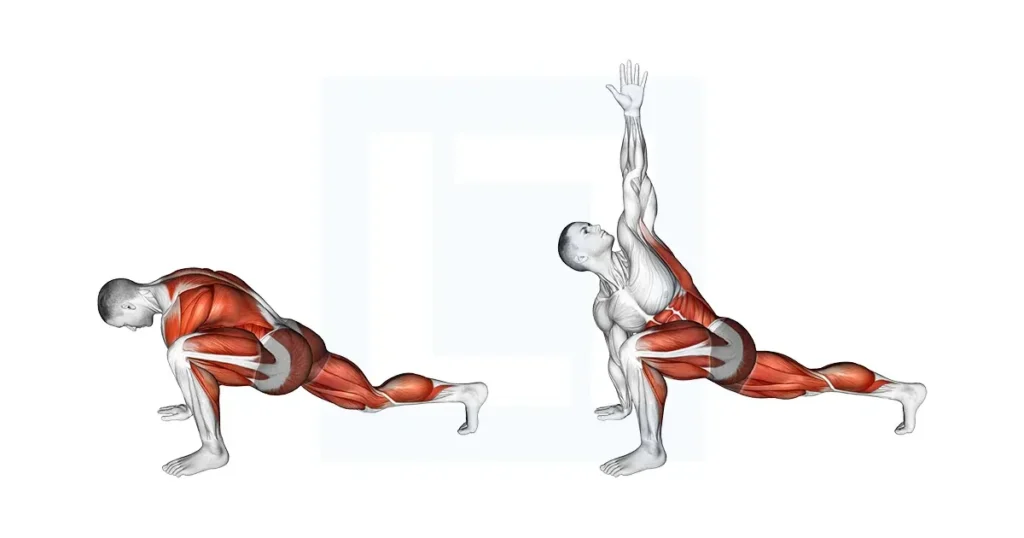
World’s Greatest Stretch steps:
- With your wrists beneath your shoulders, begin on a high plank.
- To create a deep lunge position, step your right foot forward and plant it outside your right hand. (When resting on the mat, the left knee may be straight or slightly bent.)
- Raise your right hand off the mat, bend your right elbow, and extend your left forearm between your left hand and right foot in the direction of the mat.
- For two seconds, hold this position. Reach your right hand toward the ceiling while rotating your trunk to the right. For one second, maintain this posture. That is one rep.
- Repeat on the opposite side after completing 6 to 8.
Cat-Cows Stretch:
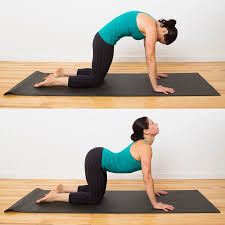
- Place your hands shoulder-width apart and your knees just below your hips to begin on your hands and knees.
- To bend your back, take a breath and draw your belly button to your spine. For two or three seconds, maintain this “cow” pose.
- Arch your back and raise your gaze to the ceiling to gradually assume the “cat” position. For two or three seconds, hold the “cat” pose. That’s one rep.
- Finish eight reps.
Child’s Pose:
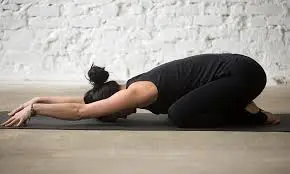
- This traditional yoga stance will further open your lower back once the Spiderman lunge has warmed it up. As you breathe into this position, your shoulders and upper back will also relax.
- Place your knees beneath your hips and place your hands two to three inches in front of your shoulders while on all fours.
- With your hands on the ground and your arms outstretched, sink back until your butt touches your calves.
- Take three deep breaths while extending your arms.
- Return to your initial position. Before you drop back down, take a single breath.
Shoulder rolls:
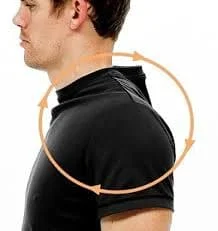
- According to some studies, musculoskeletal diseases may be exacerbated by poor posture, which may be associated with using electronic devices or working in an office. Regular exercise, however, can lessen this risk.
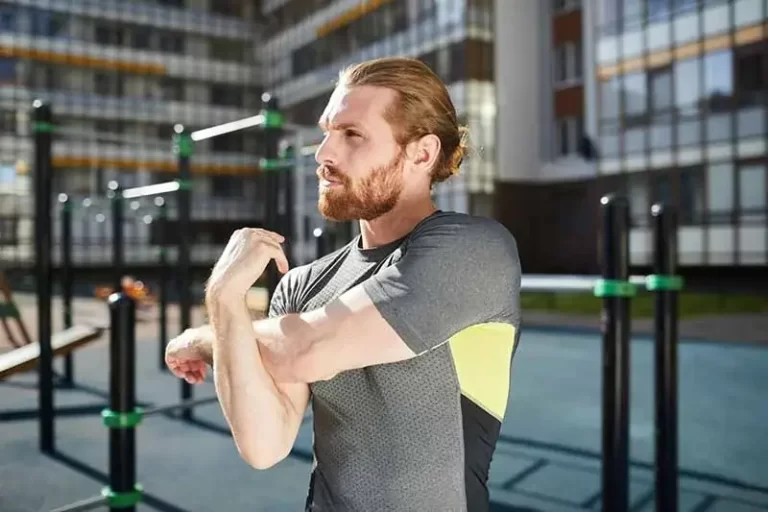
- Your shoulders may become more flexible and mobile as a result of this exercise. In addition to improving form, warming up your shoulders before a workout may help you avoid injury.
- Hold a broomstick parallel to the floor while standing with your feet shoulder-width apart. With your hands spread as wide as you can, use an overhand grip.
- Raise the broomstick slowly above your head while maintaining a straight arm position. To keep your balance and posture correct, keep your core firm.
- As far as you can, move the broomstick behind your head. After two seconds of holding, go back to the beginning.
Hip circles:
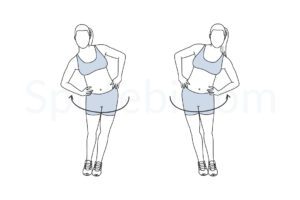
- A ball and socket, your hip joint can travel in any direction. Before beginning any exercise, it’s crucial to warm up the hip and surrounding muscles because they play a major role in stability and balance.
- This exercise doesn’t require any equipment. It will target the glutes and hip flexors, among other muscles surrounding your hips.
- With your feet hip-width apart, stand erect.
- Lift your right leg while keeping both legs straight.
- Make a circle with your right leg, putting it behind you and sweeping it counterclockwise until it returns to its starting position.
- Continue until ten circles are completed.
- Repeat on the left side after placing your right foot on the ground.
- Repeat the same motion while rotating your legs clockwise in the opposite direction.
Neck rolls:
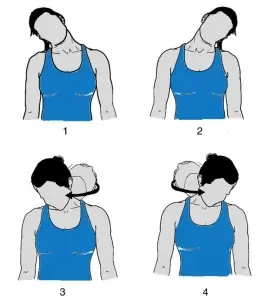
- One of the most prevalent forms of musculoskeletal discomfort is neck pain. In addition to causing pain, reduced neck mobility might make it more difficult for you to carry out regular chores.
- This exercise doesn’t require any equipment.
- With your hands at your sides or on your lap, take a comfortable seat or stand.
- Until you experience a stretch, tilt your head to one side. Bring your chin to your chest by slowly rolling your head forward, but just as far as it won’t hurt.
- Until you feel a stretch along the other side of your neck, keep rolling your head to the other side.
- Move softly and slowly as you complete three half-circles.
Arm Swing:
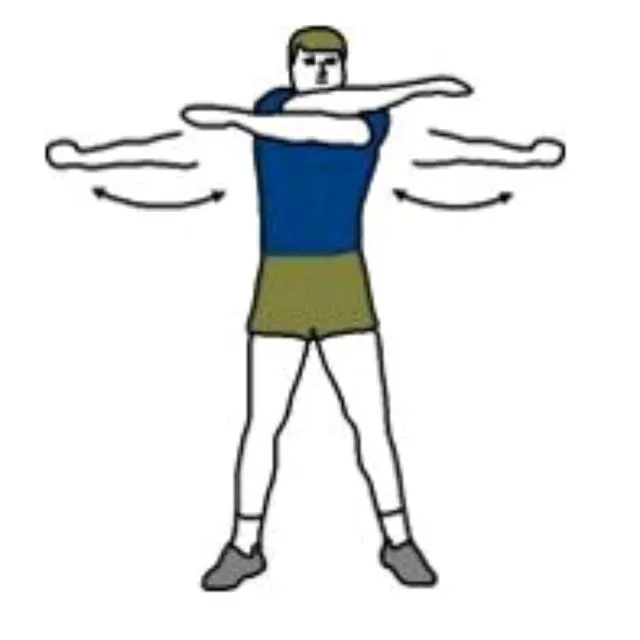
- Place both feet shoulder-width apart on the ground while keeping your arms by your sides. This is where you should start.
- Take a breath. Breathe out. Swing both arms gently over your body and forward.
- Take a breath. Reach as far behind you as is comfortable by swinging both arms back. For the predetermined number of repetitions or duration, keep switching between forwards and backwards.
Lunges with Thoracic Twist:
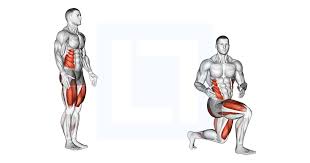
- This dynamic exercise enhances hip mobility, balance, and spinal flexibility by combining a forward lunge with an upper-body rotation.
- This exercise involves stepping forward into a lunge position with one leg while maintaining a straight back leg and a tight core.
- Keeping your chest raised and your arms outstretched or your hands together in front of you, rotate your upper body (thoracic spine) toward the side of your front leg as you descend into the lunge.
- After a moment of holding the twist, push back to the starting position and center your torso. On the opposite side, repeat.
- This exercise is a wonderful way to warm up before working out or participating in sports because it helps activate the core, stretch the hip flexors, and improve thoracic spine mobility.
Squats:
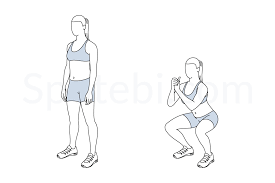
Squats steps:
- To begin, place your feet slightly wider than hip-width apart, with your toes slightly out.
- As you push your hips back, contract your abdominals, and move your weight back into your heels while maintaining an elevated chest and even pressure in your feet.
- Put yourself in a squat until your torso starts to bend or round forward, or until your heels start to lift off the ground. Your form should dictate how deep you are.
- As you push through your heels to return to your starting posture, keep your chest out and your core taut. At the peak, contract your glutes.
- Do 10–15 repetitions. Do up to three sets.
Standing Forward Hold:
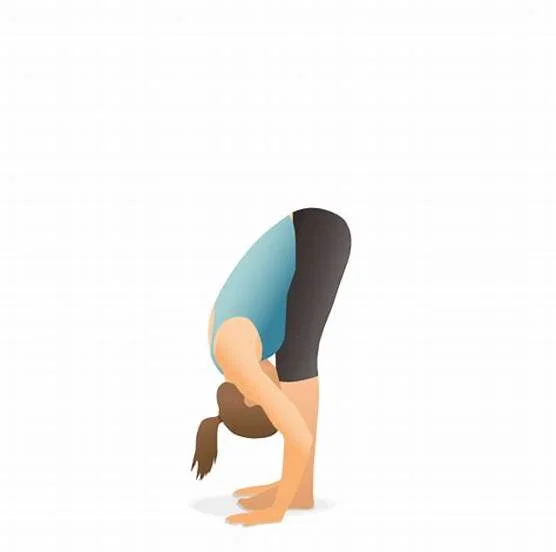
- Place your legs together and stand tall. Lift your arms above your head near your ears and take a deep breath.
- Lead from your heart center as you exhale and lean forward from your hips. Make a straight line with your upper body and arms.
- Continue letting out breaths. Grab your calves or ankles as you bend forward. More complex choices include placing your hands behind your feet, palms up, or putting your arms behind your knees while holding your elbows.
- Take a minute or so to hold this position. Inhale deeply and slowly. Then take a breath and slowly raise yourself back up until you’re standing, keeping your head and arms hanging.
Neck Stretches:

- Neck stretches are easy exercises that assist ease tension in the neck muscles, increase flexibility, and lessen stiffness. People who spend a lot of time sitting, using computers, or staring at mobile devices will find them extremely useful.
- Frequent neck stretching can enhance blood circulation, improve posture, and lower the likelihood of headaches or neck pain.
- Stretch your neck slowly, hold each stretch for ten to fifteen seconds, and repeat three to five times for optimal benefits. Steer clear of jerky or abrupt movements, and stop if you experience worsening pain.
- By doing these stretches every day, you can keep your neck flexible and healthy and avoid pain caused by bad posture or tense muscles.
Wrist Circles:
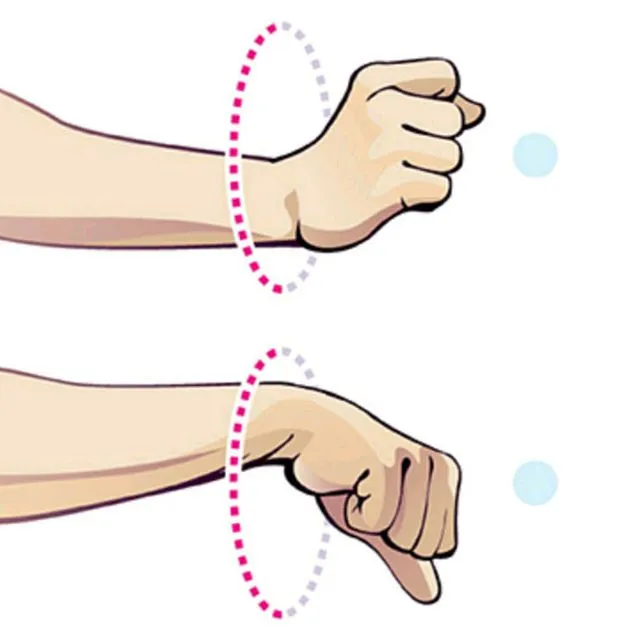
- Simple mobility exercises like wrist circles can help reduce stiffness in the wrist joints, boost blood circulation, and improve flexibility. Those who use computers, smartphones, or make repetitive hand motions on a regular basis will find this practice extremely helpful.
- Wrist circles are perfect before exercises, sports, or everyday jobs involving hand movement since they help warm up the tiny muscles, tendons, and ligaments surrounding the wrist.
- Extend your arms in front of you and slowly rotate your wrists in a circle to do wrist circles. Make little circles at first, then progressively increase the movement’s size.
- After ten to fifteen seconds of circling in one direction, switch to the other. To prevent strain, move slowly and deliberately.
Conclusion:
Maintaining general bodily mobility is crucial to being healthy and capable of carrying out daily tasks with ease. A person’s agility, joint pain, and posture can all be improved with mobility exercises and medical treatment for any other illness.
These activities can help you stay somewhat healthy and lessen the stress that comes with working long hours. Additionally, it’s critical to avoid wearing down or applying excessive strain to your joints.
FAQs:
Which core exercises are the best?
The different core muscles are used in exercises like planks, crunches, and bridges. Mobility, stability of the spine and trunk, and support for daily activities can all be enhanced by exercising these muscles. Many daily tasks, like pulling a grocery cart or putting on shoes, require the use of your core.
What symptoms indicate a lack of hip mobility?
Weak hip flexors can cause hip or lower back pain, as well as make it difficult to do specific tasks like walking or climbing stairs.
Why is hip mobility lacking?
Sitting over extended periods of time causes your glutes to become dormant and your hip flexors to shorten. The body eventually adjusts to this position; the glutes “forget” how to activate efficiently, and the hip flexors become chronically weak and taut. Pain and limited mobility are the results of this imbalance.
How can hip mobility be regained?
With both legs out in front of you, lie flat on your back. Pull your right thigh toward your chest while interlacing your hands behind it. Bend the leg back down after extending it straight up and holding it. After a few repetitions of this exercise, switch legs.
Which back workouts are the best?
The traditional barbell deadlift is the greatest exercise for developing back muscles. It can be overloaded to improve back development and work the traps, lats, and lower back all at once.
Can I perform daily mobility exercises?
If at all possible, you should incorporate some mobility training into your daily routine. Mobility exercise should be done as frequently as necessary, but it should start out slowly, focusing on just one or two body parts at a time. It might be your knees and ankles or your shoulders and spine.
What symptoms indicate inadequate hip mobility?
Weak hip flexors can cause hip or lower back pain and make it difficult to do specific tasks, such as walking or climbing stairs.
Can back pain be relieved with mobility exercises?
Frequent exercise is essential for controlling and minimizing back pain. Particular exercises serve to increase flexibility, improve overall mobility, and strengthen the muscles that support the spine. A set of focused exercises customized to each patient’s needs and conditions is frequently recommended by a back specialist.
What is a workout for complete body mobility?
Mobility exercises, which emphasize dynamic stretches, joint health, and functional movement patterns that support daily tasks, are essentially about making it easier for your body to move in ways that matter most.
References:
- Breitowich, A., & Luppino, O. (2026, January 23). The best mobility exercises to improve your range of motion and help nix aches and pains. Women’s Health. https://www.womenshealthmag.com/fitness/a40059106/mobility-exercises/
- Nasm-Cpt, A. G. (2024, June 26). Add this quick Full-Body Mobility session to your daily routine for better workouts. Men’s Health. https://www.menshealth.com/fitness/a61242586/full-body-mobility-routine/
- Frei, L. (2023, August 18). Mobility Exercises: Your Complete Guide to Mobility Training from Head to Toe. TrainHeroic. https://www.trainheroic.com/blog/mobility-exercises-2/
- MacMillan, C. (2024, May 31). 5 Mobility exercises to prevent running injuries. Yale Medicine. https://www.yalemedicine.org/news/mobility-exercises