Top 10 Exercises to Strengthen Your Knees
Introduction:
For daily activities like walking, running, climbing stairs, and comfortably exercising, strong and sturdy knees are necessary. Particularly as we age or spend a lot of time idle, weak knee joints can cause pain, stiffness, decreased mobility, and an increased risk of injury.
Strengthening the muscles surrounding the knees, especially the quadriceps, hamstrings, calves, and glutes, improves joint alignment and support.
The safe, efficient exercises that increase strength, stability, and flexibility are the main focus of this guide to the Top 10 Exercises to Strengthen Your Knees. These exercises will help you protect your knees, lessen pain, and continue to be active with confidence.
Benefits of Exercises to Strengthen Your Knees:
There are many advantages to strengthening your knees, such as increased mobility, decreased pain, and greater joint stability. These exercises improve joint support by focusing on the muscles surrounding the knee, including the quadriceps, hamstrings, calves, and glutes. This helps avoid injuries and reduce pain from ailments like arthritis or overuse.
In addition to improving flexibility, balance, and general functional movement, strengthening the knees makes daily tasks like walking, climbing stairs, and working out safer and easier. Strong knees also enhance long-term joint health and improve athletic performance, enabling you to continue being active and independent as you age.
Top 10 Exercises to Strengthen Your Knees Video:
Exercises to Strengthen Your Knees:
Squats:
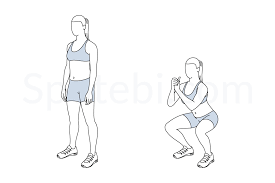
A basic exercise that efficiently improves the quadriceps, hamstrings, and glutes, among other muscles surrounding the knees, is the squat. Squats done correctly improve knee stability and support, which lowers the chance of injury and eases joint strain.
Additionally, squats increase functional mobility, balance, and lower-body strength, which facilitates daily activities like walking, standing, and climbing stairs. This exercise also works several muscle groups at once, enhancing leg strength and endurance and supporting long-term knee health.
Lunges:
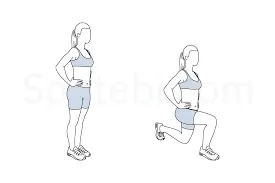
For strengthening the knees and the muscles that surround them, such as the quadriceps, hamstrings, and glutes, lunges are a very useful exercise. You can lower your risk of injury during daily activities or sports by exercising lunges with appropriate form, which improves knee stability, balance, and coordination.
Additionally, lunges improve functional mobility by making bending, walking, and climbing stairs safer and easier. They also work several muscle groups simultaneously, supporting long-term joint health, lower-body strength, and endurance.
Step-Ups:
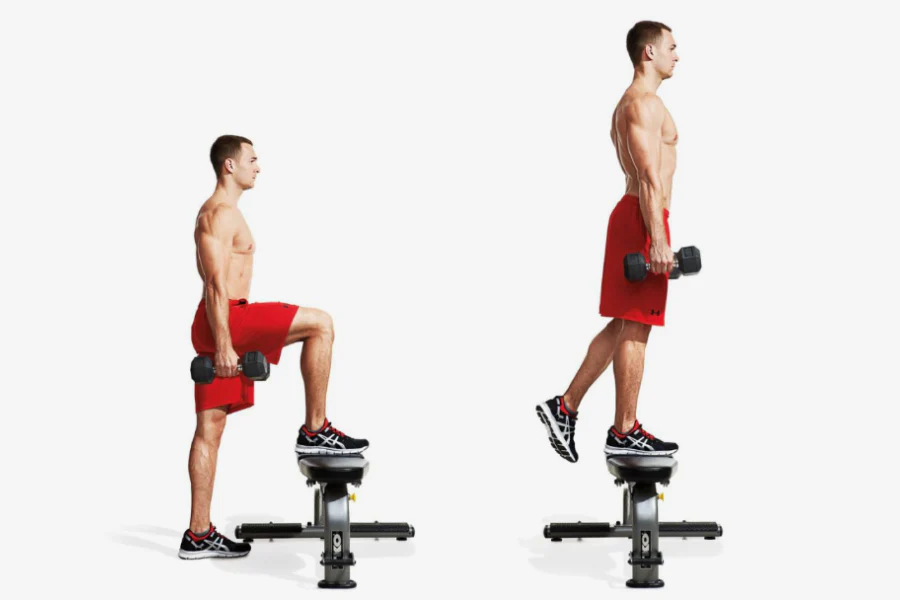
Step-Ups are a great way to strengthen your knees because they work your quadriceps, hamstrings, and glutes. This exercise is especially practical for enhancing knee stability and general lower-body strength because it simulates common actions like ascending stairs.
Regular step-ups improve joint support, balance, and coordination while lowering the risk of knee pain and injury. Step-ups also enhance endurance and encourage healthy movement patterns, which support long-term knee health and make daily tasks safer and easier.
Glute Bridges:
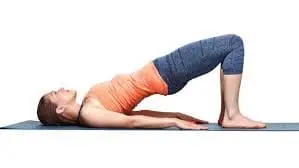
The muscles that support the knees, especially the glutes, hamstrings, and lower back, can be strengthened using Glute Bridges. Glute bridges help increase knee stability, lessen joint strain, and encourage correct alignment during movement by engaging and strengthening these muscles.
Additionally, this exercise improves core strength and hip mobility, which indirectly helps knee function and balance. Frequent glute bridge exercises can improve lower-body strength and long-term joint health, reduce knee pain, and prevent injuries.
Side-Lying Leg Raises:
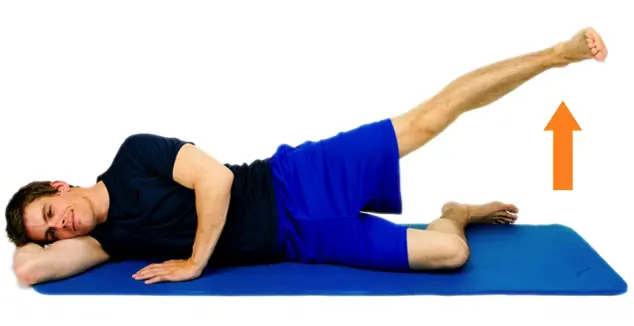
The muscles surrounding the hips and outer thighs, particularly the gluteus medius, which is vital for maintaining knee stability, can be strengthened by side-lying leg raises. By focusing on these muscles, this exercise lessens the strain on the knees and lowers the chance of injury by enhancing balance, alignment, and control during movement.
In addition to improving hip mobility and general lower-body strength, side-lying leg raises can contribute to long-term knee health by making daily tasks like walking, climbing stairs, and bending safer and more effective.
Straight Leg Raises:
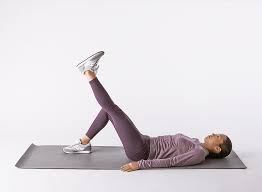
A quick and easy way to strengthen your quadriceps without straining your knee joint is to perform straight leg raises. This exercise is especially helpful for people recuperating from injuries or experiencing knee pain because it strengthens the muscles that keep the joint in good alignment.
Additionally, straight leg lifts increase mobility, strengthen the lower body, and encourage improved control when doing daily tasks like walking, standing, or climbing stairs. Frequent exercise can improve long-term joint health and lower the incidence of knee problems.
Clamshells:
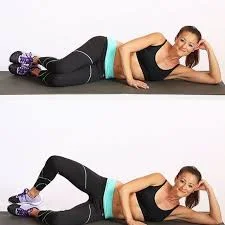
Clamshells are a focused exercise that helps develop the hip abductors, especially the gluteus medius, which is important for knee stability. Clamshells help maintain optimal knee alignment during movement, lowering the chance of injury and relieving joint tension by enhancing hip strength and control.
Walking, crouching, and climbing stairs are all made safer and more effective by this exercise, which also improves balance, coordination, and general lower-body stability. Performing clamshells regularly promotes functional mobility and long-term knee health.
Bird Dog Exercises:
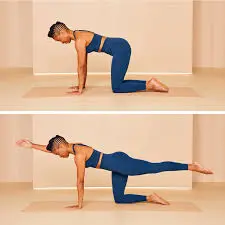
Bird Dog Exercises are an excellent way to enhance balance, coordination, and core stability—all of which indirectly promote knee health. Bird dogs help maintain good posture and alignment during movement by using the lower back, glutes, and core muscles, which lessens needless knee strain.
Additionally, this exercise improves functional strength and general body control, making daily tasks like walking, bending, and reaching safer. Frequent bird dog exercises improve overall mobility, reduce injuries, and promote long-term knee stability.
Chair Pose:
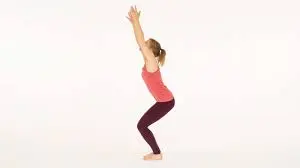
Chair Pose is a yoga pose that engages the core for stability and strengthens the quadriceps, hamstrings, and glutes, among other muscles surrounding the knees. The knees are carefully loaded while maintaining this semi-squat position, which enhances joint alignment and support.
Chair Pose improves lower-body strength, balance, and endurance, making daily activities like walking, standing, and climbing stairs safer and easier. Frequent exercise promotes long-term knee health, lessens knee pain, and guards against injuries.
Reverse Lunges:
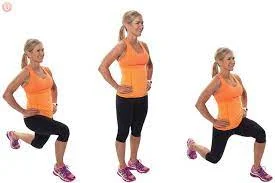
Compared to forward lunges, reverse lunges put less load on the knee joint while developing the quadriceps, hamstrings, and glutes. This exercise enhances knee stability, balance, and coordination by stepping backward into the lunge, which helps reduce pain and injuries.
Additionally, reverse lunges improve functional mobility, making commonplace tasks like bending, walking, and ascending stairs safer and more controllable. Stronger, healthier knees and general lower-body strength are benefits of regular practice.
Conclusion:
By including these exercises in your program, you can increase joint stability, strengthen the muscles that support your knees, and improve lower-body function in general. Every activity, from lunges and squats to glute bridges and bird dog movements, is essential for lowering knee pain, avoiding injuries, and fostering long-term joint health.
Regular practice promotes improved balance, mobility, and general fitness in addition to making daily tasks safer and easier. You may maintain strong, healthy knees and lead an active, pain-free existence by making a commitment to these activities.
FAQs:
What is the most effective at-home treatment for knee pain?
The RICE method (Rest, Ice, Compression, Elevation) for acute knee pain, applying heat for stiffness, gentle stretching (yoga poses), keeping a healthy weight, supportive shoes, and natural anti-inflammatories like turmeric milk or ginger tea, along with specific leg exercises (bridges, hamstring stretches) to build strength, are the best home remedies. However, if the pain is severe or persistent, you should always see a doctor.
What is the primary cause of knee pain?
Injuries, misuse, and underlying diseases like arthritis, which result in a variety of pain, inflammation, and mechanical issues, are the primary causes of knee pain. While osteoarthritis is a prevalent cause that arises from the deterioration of joint cartilage, injuries can range from acute trauma like ligament tears to chronic problems from repetitive stress.
What foods are bad for knee pain?
Foods that cause swelling, pain, and joint damage include sugars, refined carbohydrates (white bread, pastries), fried or fast foods, processed meats, excess salt, alcohol, and too much Omega-6 oils (corn, sunflower). Inflammation is also worsened by foods heavy in saturated/trans fats, such as full-fat dairy, red meat, and baked goods. Additionally, some people with sensitivity report that gluten or MSG aggravates their knees.
For knee pain, what is the ideal sleeping position?
To preserve alignment and lessen pressure, the ideal sleeping positions for knee pain are on your back with a pillow beneath your knees or on your side with a pillow between your knees. Avoid sleeping on your stomach as this can strain your back and knees.
What kind of vitamin deficit results in knee pain?
Because vitamin D deficiency weakens bones and joints and may increase pain sensitivity, it can worsen knee pain. Joint and muscular pain may also be associated with other deficits, such as those in magnesium and vitamin K2. Symptoms can be controlled by addressing these deficiencies with a healthy diet, sun exposure, and, if advised by a physician, supplements.
What meal strengthens the knee?
Focus on anti-inflammatory foods high in omega-3s (fatty fish, nuts, seeds), antioxidants (berries, leafy greens, colorful vegetables), vitamin C (citrus, peppers) for collagen, minerals (calcium, dairy, greens) for bone health, and turmeric, ginger, whole grains, and olive oil, all of which support cartilage and reduce inflammation for improved mobility.
How can knees be strengthened after the age of fifty?
Place your feet forward and your knees shoulder-width apart. As if you were going to sit in a chair, slowly bend your knees, then slowly straighten them again. After ten repetitions, take a break. You can change the depth at which you bend your knees to get a little, painless strain.
Which vitamin is best for knee weakness?
Chondroitin and glucosamine
These two substances, which are found naturally in cartilage, may lessen joint pain and delay the deterioration of cartilage. When it comes to treating moderate to severe knee osteoarthritis pain, glucosamine is quite useful.
How can the fluid in the knee joint be increased?
You should maintain a healthy weight, exercise frequently with low-impact exercises and stretching, drink enough water, and include foods high in Omega-3s and healthy fats in your diet to increase knee joint fluid. It’s best to speak with a doctor for specific guidance because medical therapies like hyaluronic acid injections may be an option in certain situations.
What kind of oil is good for knees?
When used properly, essential oils can be a natural and efficient solution to help treat knee pain. Arnica, eucalyptus, peppermint, and rosemary oils are well known for their calming and anti-inflammatory qualities.
How can knee pain be treated most quickly?
Use the RICE approach (Rest, Ice, Compression, Elevation) for acute injuries to relieve knee pain as quickly as possible. This involves elevating your leg, applying ice for 20 minutes at a time to reduce inflammation, taking pauses from exercise, and using a compression sleeve. While modest, supportive exercises, warm oil massages, and over-the-counter painkillers (NSAIDs) might provide immediate relief by increasing circulation and decreasing stiffness, consulting a physician is crucial for chronic pain.
Which exercises should you avoid if you have knee pain?
Avoid high-impact activities (running, jumping), deep squats and lunges, exercises involving forceful knee snapping (side kicks), prolonged deep bending and kneeling, and twisting motions if you have knee pain. Instead, concentrate on controlled movements and seek professional advice for individualized care.
Which workouts help to lubricate the knees?
Heel slides, walking, squats (wall sits), hamstring stretches, and pendulum swings are examples of mild, repetitive knee lubrication exercises that increase synovial fluid (joint oil) circulation, strengthen supporting muscles, improve blood flow, and lessen stiffness without high impact. For efficient, painless lubrication, concentrate on regulated motions, holding positions for a short while, and making sure the knee is above the ankle.
Which workout is most effective for strengthening knees?
Squats, lunges (particularly reverse or Bulgarian), hamstring curls, heel raises, and clamshells are among the best knee-strengthening exercises that target the quadriceps, hamstrings, glutes, and hips. These exercises often begin with basic moves like quad sets, which involve pushing the knee down, and progress to weighted or unilateral variations for improved stabilization and pain relief. Swimming is a great low-impact option.
References:
- Website, N. (2024, September 24). Knee exercises for runners. nhs.uk. https://www.nhs.uk/live-well/exercise/knee-exercises-for-runners/
- Lindberg, S. (2024, January 31). 10 exercises to help relieve knee pain. Healthline. https://www.healthline.com/health/exercises-for-knee-pain
- Drmohitkukreja.Surgeon. (2025, October 8). 10 Best exercises to strengthen weak knees and joints naturally. Drmohitkukreja. https://drmohitkukreja.com/10-best-exercises-to-strengthen-weak-knees-and-joints-naturally/
- SportsMed, Y. (2023, September 5). 15 amazing exercises to strengthen your knees and how to do them effectively | Physiotherapists in Toronto | Yorkville Sports Medicine Clinic. Physiotherapists in Toronto | Yorkville Sports Medicine Clinic. https://www.yorkvillesportsmed.com/blog/15-amazing-exercises-to-strengthen-your-knees-and-how-to-do-them-effectively
- Hospitals, V. (2025, July 16). 15 Best Knee Strengthening Exercises for Knee Pain. VS Hospitals. https://vshospitals.com/knee-strengthening-exercises-for-knee-pain/
- IMPnet, O. E. P. &. (n.d.). 10 exercises for weak knees | Ortho El Paso. Ortho El Paso. https://www.orthoep.com/blog/10-knee-strengthening-exercises